UK begins testing of hormone-free male birth control pill with 16 participants


Representational image
Researchers in the United Kingdom have initiated the first-ever clinical trial for a non-hormonal male birth control pill, marking a significant step toward achieving equitable responsibility for contraception between genders.
Quotient Sciences, a Nottingham-based drug development company, has commenced the phase I trial for its groundbreaking male contraceptive, YCT-529, involving 16 British men.
Diverging from traditional hormonal methods, YCT-529 operates without hormones and inhibits sperm production by blocking access to vitamin A. Historical studies spanning over 90 years have revealed that depriving mice, rats, and monkeys of vitamin A can induce infertility, forming the basis for this pioneering approach.

Shifting the burden of responsibility
The goal of this novel pill is to empower men in preventing unintended pregnancies, challenging the historical burden placed solely on women for contraception.
)
What’s in a name? Trump’s 'Lake America' move gets a tit-for-tat response from Canada
)
Outrage erupts after 3-year-old is married to 60-year-old man in Pakistan, link to her sister's murder being probed
)
Trump gifts Xi a bald eagle sculpture at White House dinner: Here’s what it symbolises
)
‘Not just a local tragedy’: Nepal PM Shah warns UN of growing climate threat, says Nepal floods were 'a warning to the world'
)
CNN, Politico and MS NOW back in White House after judge blocks Trump’s media ban
)
Farhan, who went viral for AK47 celebration vs India in Asia Cup, hopes to lead Pakistan beyond Asian Games
)
'We would all be dead': Netanyahu defends decision to strike Iran's nuclear facilities in his UN speech
Don't Be Shy movie review: A frothy coming-of-age tale that is too shy to experiment
)
IIT Bombay CCTV footage emerges: Sahil Wakode seen looking at phone in examination hall
)
Welcome actor Mushtaq Khan dies at 56 after battling cancer
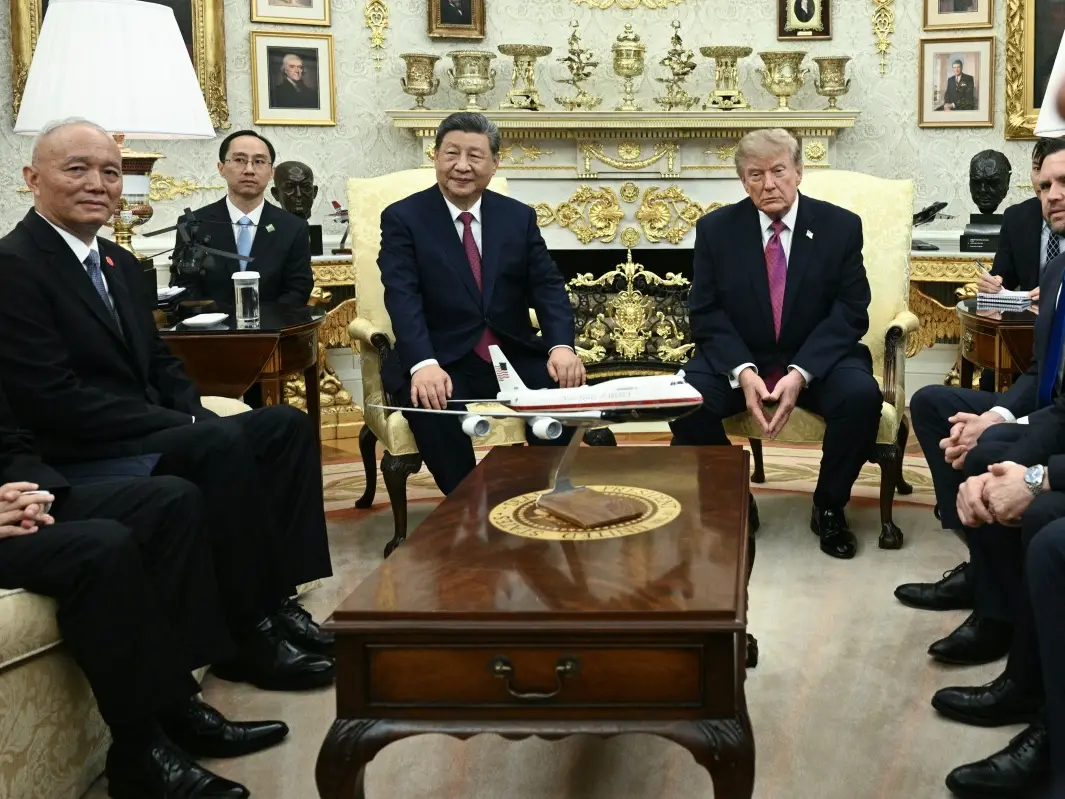)
Trump's welcome to Xi demonstrates 'attraction' to dictators: Chuck Schumer
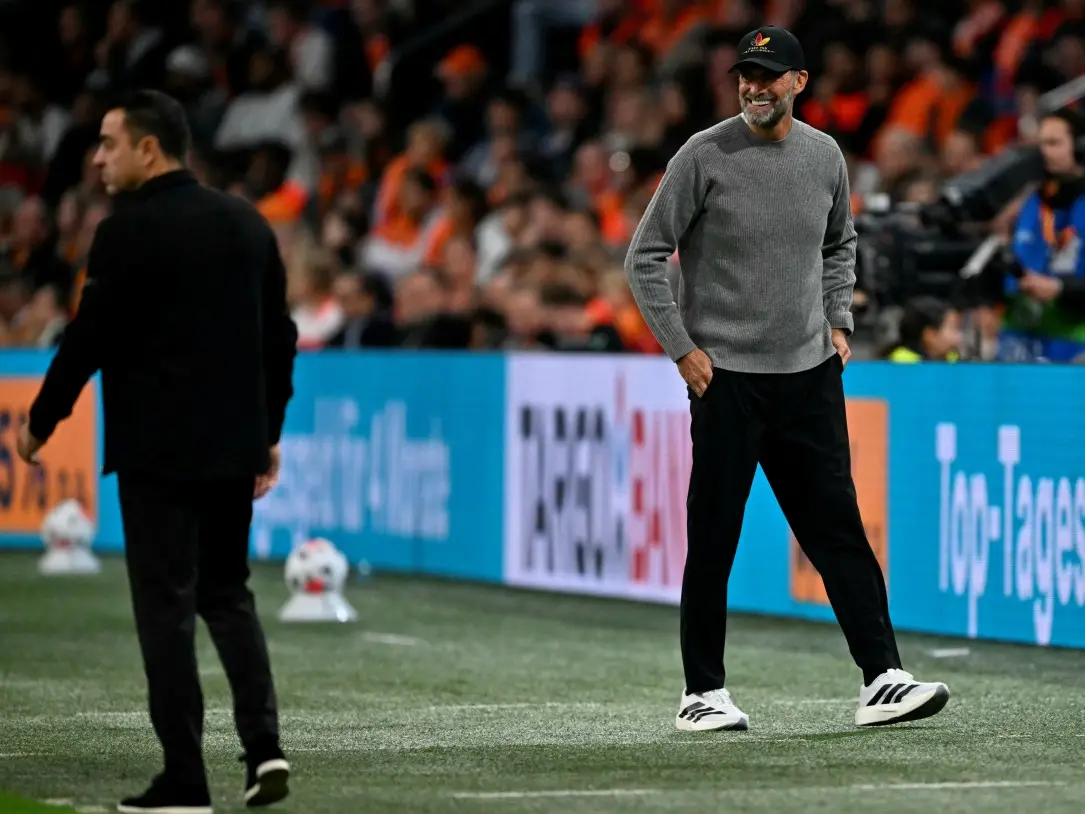)
Nations League: Germany draw on Klopp debut; Portugal, Norway win
)
WION Iconic Tourism Summit 2026: Union Minister Shekhawat on 'experiential travel', peace diplomacy
)
Scientists detect first radio signals directly from faraway planet
)
A seven-day roadmap? Iran proposes plan to end war, reopen Strait of Hormuz and resume nuclear talks
)
China to test supersonic jet that moves at Mach 2, double the speed of sound
)
Xi Jinping's 'special plane' vs Trump's Air Force One: What's the difference?
)
UNGA 2026: Israeli PM attacks Britain, France for past colonialism
)
West Indies coach Sammy looking at India series as opportunity to finetune ahead of ODI World Cup 2027 qualifiers
)
‘We’ve never gotten along better’: Trump praises Xi, jokes about White House ballroom at high-stakes state dinner
)
Nearly half of young people trust AI over humans to check facts, major study finds
)
'Partners rather than rivals': Xi Jinping's first message after landing in US for Trump summit
)
Yemen called Trump for US military support in fight against Houthis: Official
)
2,000-foot tube, laser tests and more: China builds towns to expand nuclear arsenal, satellite images show
)
Meet Adrian Abraham: 9-year-old Indian-origin guitar prodigy aiming for a Guinness World Record
)
US faces fresh cost crunch as mortgage rates hit 7%, oil tops $107 and gas prices surge
)
Trump-Xi state dinner 2026: Who is invited? Full guest list of tech CEOs, business leaders and officials
)
'Blockbuster' nor'easter develops an eye similar to hurricanes as warnings are issued
)
Alarming video emerges as landslide damages houses in Sikkim’s Rimbi village. Watch
)
'Making history': Xi Jinping praises Trump as US-China leaders dine at White House
)
'What kind of confession is this?': Pakistan PM Shehbaz Sharif’s 'terrorists would be roaming New York' remark goes viral, raises alarm online. Watch
&im=FitAndFill=(700,400))
Netanyahu at UN: Mass walkout, attack on Mamdani and Iran threats | In Pics
)
'We do not wish to continue. It's America that must choose': Iran president Pezeshkian calls on US to end war
)
WION Iconic Tourism Summit: How local tourism MSMEs must upskill for AI integration
)
Bollywood mourns Mushtaq Khan: Sunny Deol, Rajpal Yadav and others pay tribute
)
'FIRST LOOK from inside Noah’s Ark': Researchers share video from inside mysterious mound in Turkey
)
Who is Lt-Gen Nauman Mahmood, Pakistan's first secretary general of Makkah Defence Alliance?
)
Israeli envoy to US Yechiel Leiter’s son critically injured in West Bank ramming attack
)
'Fund people, not bombs': Hundreds take to New York streets as Netanyahu delivers speech at UN; dozens arrested
)
Currently, male contraceptive options are limited to withdrawal, condoms, and vasectomy, while women have a broader array of choices such as the pill, coil, contraceptive injection, and female condoms or diaphragms.
Pre-clinical studies conducted by YourChoice Therapeutics, the San Francisco-based manufacturer of YCT-529, report impressive effectiveness. The pill is claimed to be 99 per cent effective and 100 per centreversible, with no discernible side effects. The method involves blocking a specific protein, diverging from the conventional hormonal approach, with the aim of making contraception more appealing and shared between partners.
Also watch |Do not use these methods for avoiding pregnancy
Gunda Georg, regents professor at the University of Minnesota's College of Pharmacy and the developer of YCT-529, who spoke to Forbes, stressed onthe significance of introducing a male contraceptive after more than 60 years since the innovation of the female birth control pill. The hormone-free approach aligns with ethical considerations, addressing the side effects women have endured from hormonal contraception over decades.
The clinical trial for YCT-529 is expected to conclude in June 2024, according to Forbes. This groundbreaking endeavor holds promise for reshaping societal norms surrounding contraceptive responsibilities and providing couples with a broader range of choices for family planning.
(With inputs from agencies)