UAE willing to join South Korea’s KF-21 fighter jet programme, replacing Indonesia

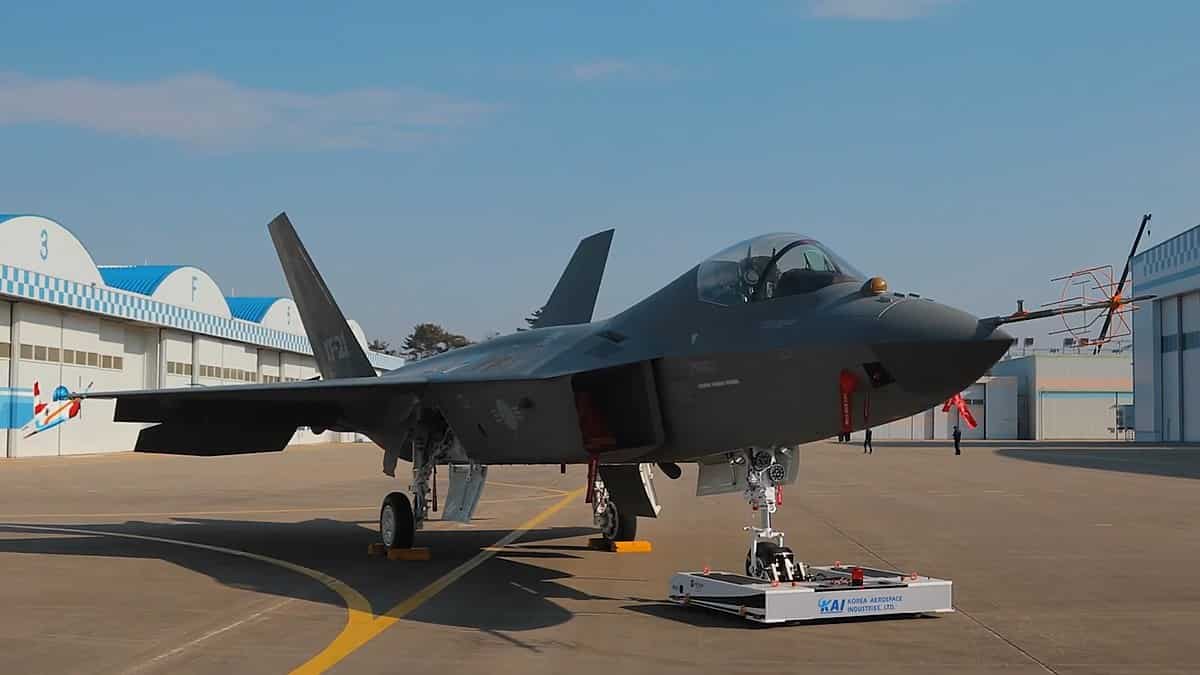
File photo of KF-21 fighter jet
The United Arab Emirates has expressed its eagerness to join South Korea’s KAI KF-21 Boramae fighter jet development programme, according to local media sources.
South Korean news outlet The Financial News reported Thursday (Sept 14) that UAE sent a letter to South Korea’s Office of National Security, urging co-operation on KF-21’s development.
Interestingly, the UAE even insisted on replacing Indonesia’s investment in the programme in the face of delayed payments from Jakarta.

Jakarta has a 20 per cent stake in the programme but has increasingly failed to meet its financial obligations. As per the latest data, Jakarta owes $745 million to South Korean partners even as the Southeast Asian country recently promised a new payment timetable.
Why is UAE investing in Korea’s defence sector?
In January, the UAE promised to invest $30 billion in South Korean industries, making the country’s defence sector a lucrative destination for the Emiratis.
)
Asian Games 2026: India face Afghanistan in quarterfinal on Sep 28; Pakistan clash with Hong Kong
)
US court backs Pentagon's decision to exclude Anthropic over Claude AI restrictions
)
Myanmar training camp case: US national, 6 Ukrainians allowed to meet their families abroad
)
Pakistan deploys over 20,000 security personnel as PTI vows march for Imran Khan's release
)
Bigg Boss 20: Salman Khan schools Rhiti Tiwari over Qazi Touqeer clash, compares her to Dolly Bindra
)
Indian diplomat Petal Gahlot raises deteriorating situation in Pakistan-occupied Kashmir in right of reply at UN
)
Outrage erupts after 3-year-old is married to 60-year-old man in Pakistan, link to her sister's murder being probed
)
Russia will achieve Ukraine war aims; Europe doing everything to block peace talks: Lavrov at UN
)
'What kind of confession is this?': Pakistan PM Shehbaz Sharif’s 'terrorists would be roaming New York' remark goes viral, raises alarm online. Watch
)
Anthropic says Claude found a new gene-editing enzyme but science isn't confirmed
)
‘Serial practitioner of terrorism’: Jaishankar calls out Pakistan’s ‘state-sponsored’ terror at UNGA
)
‘It is all possible’: Putin weighs next steps on Ukraine talks, rules out Europe conflict
)
‘I rejected it’: Trump confirms turning down Iran’s proposal to reopen Hormuz, claims Tehran is losing ‘badly’
)
'FIRST LOOK from inside Noah’s Ark': Researchers share video from inside mysterious mound in Turkey
&im=FitAndFill=(700,400))
New Friday OTT releases (September 25, 2026): Don’t Be Shy, Hunkkaar: The Roar, Mango Pachcha- 6 movies and TV shows on Netflix, Prime Video and more
)
'A terrorist country is asking me that question?': Jaishankar hits back at Pakistani journalist at UN; flags attacks on commercial shipping
)
Pentagon quietly adds 37 wounded troops to Iran war tally without explaining when or how
)
Cindy Crawford’s son Presley Gerber cremated as death probe continues
)
‘Could kill billions...’: Bill Gates backs calls to slow AI development amid fears of catastrophe
)
OpenAI AI Agents hacked 4 websites before Hugging Face, researchers reveal
)
Mushtaq Khan dies at 56: When Welcome actor opened up about his salary for iconic role Ballu
)
Bollywood x K-pop crossover! LE SSERAFIM’s Kazuha charms fans with Shah Rukh Khan’s ‘Chammak Challo’ steps
)
Prince Harry offers rare glimpse into Archie and Lilibet’s life after UK move
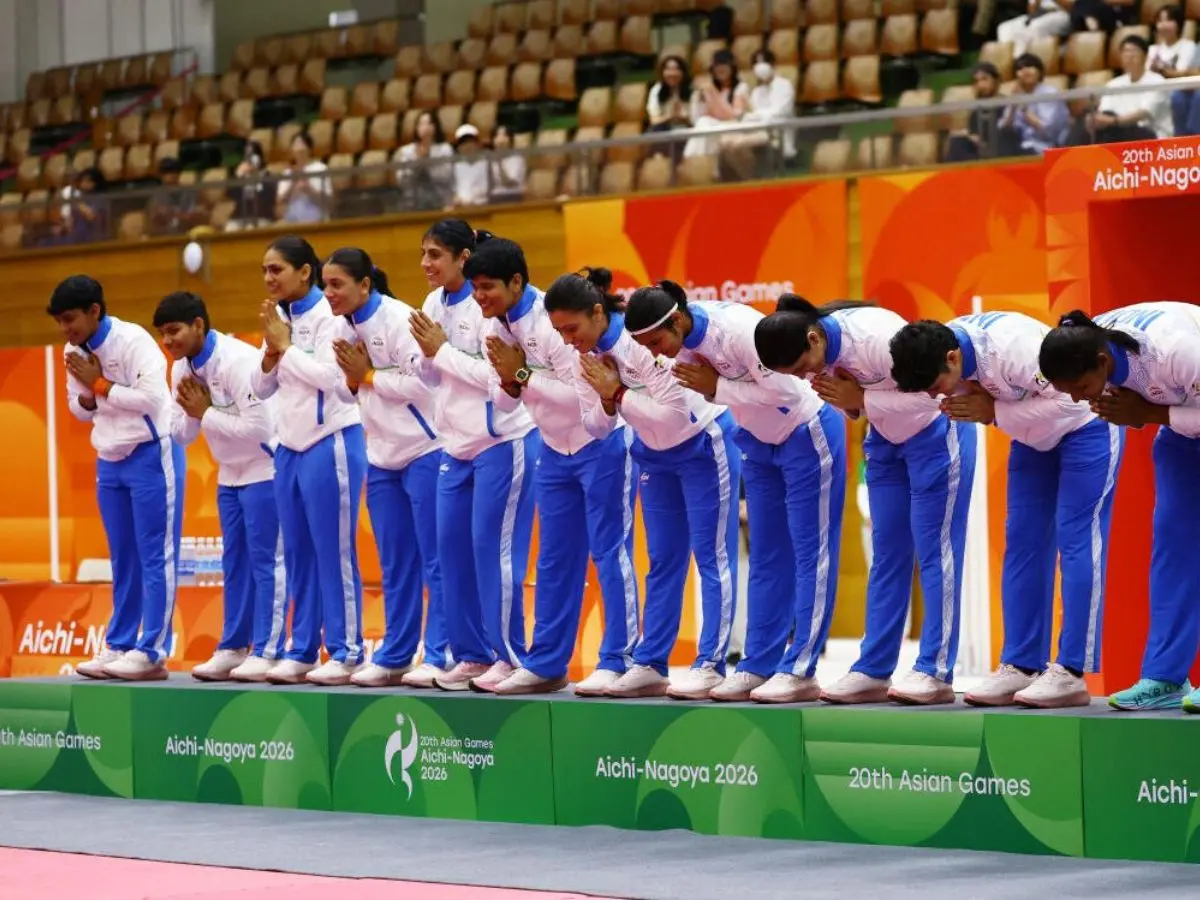)
Asian Games 2026: India women’s kabaddi team edge Iran 37-34 to clinch 3rd gold medal
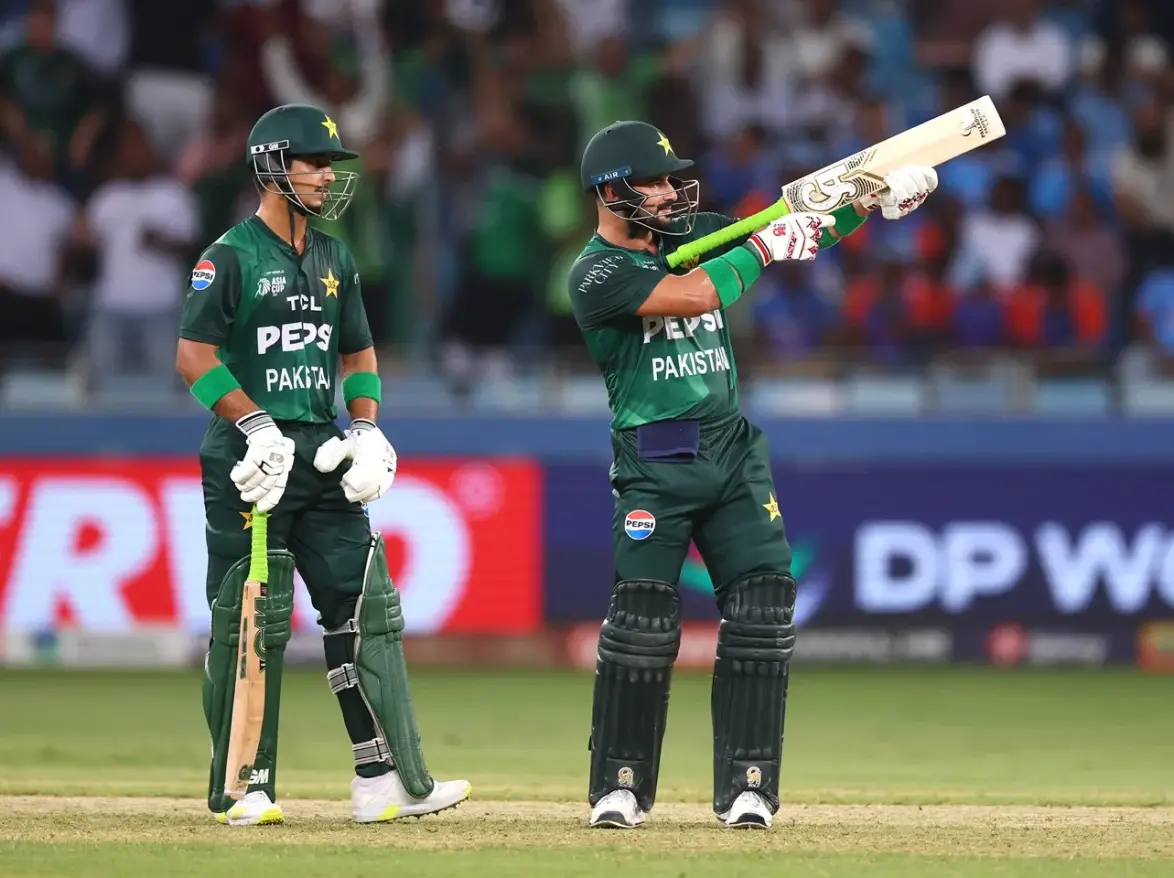)
Farhan, who went viral for AK47 celebration vs India in Asia Cup, hopes to lead Pakistan beyond Asian Games
)
Trump-Xi summit wrap: Big pageantry, Iran talks, few major developments and more meetings planned
)
LPU students go on rampage, vandalise campus amid widespread protest: What's happening
)
Nigeria Navy moves to boost oil security, tackle crude theft and infrastructure threats
)
Global community 'absent' in Gulf crisis: Saudi at UN calls for freedom of navigation, pre war status for Hormuz
)
US Supreme Court backs Trump administration's use of SAVE database to check voter citizenship
)
Gaza's war turned environmental damage into second crisis
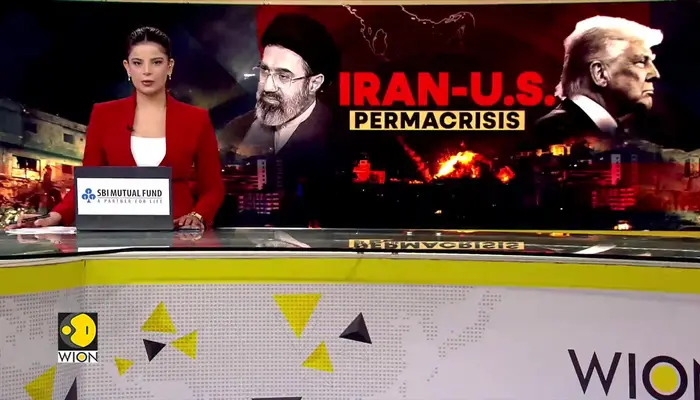)
US-Iran war: Trump rejects Iran's Hormuz proposal, reports suggest talks expected next week
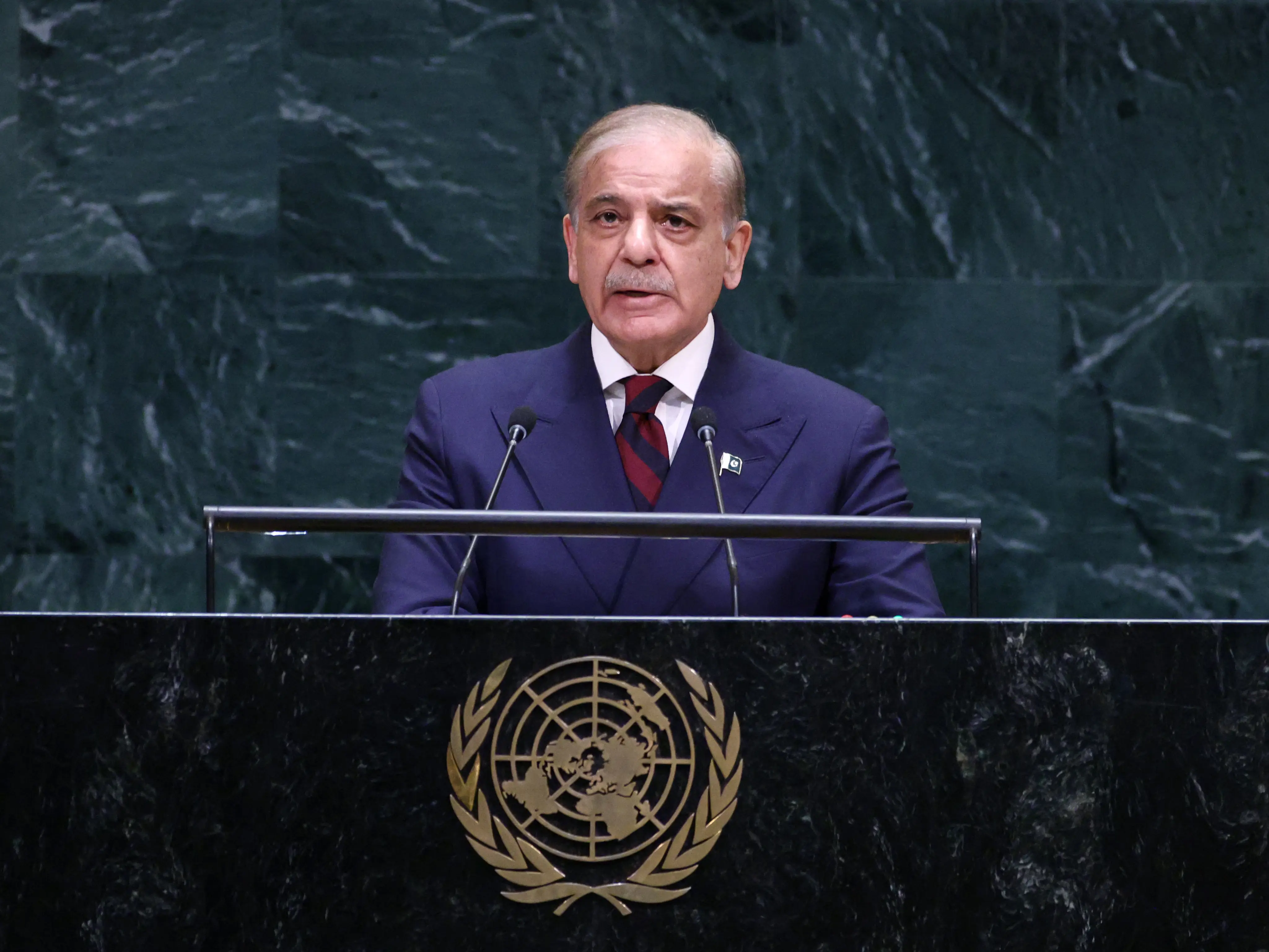)
‘Attack on Mecca a red line for Pakistan’: Shehbaz Sharif warns Houthis at UN
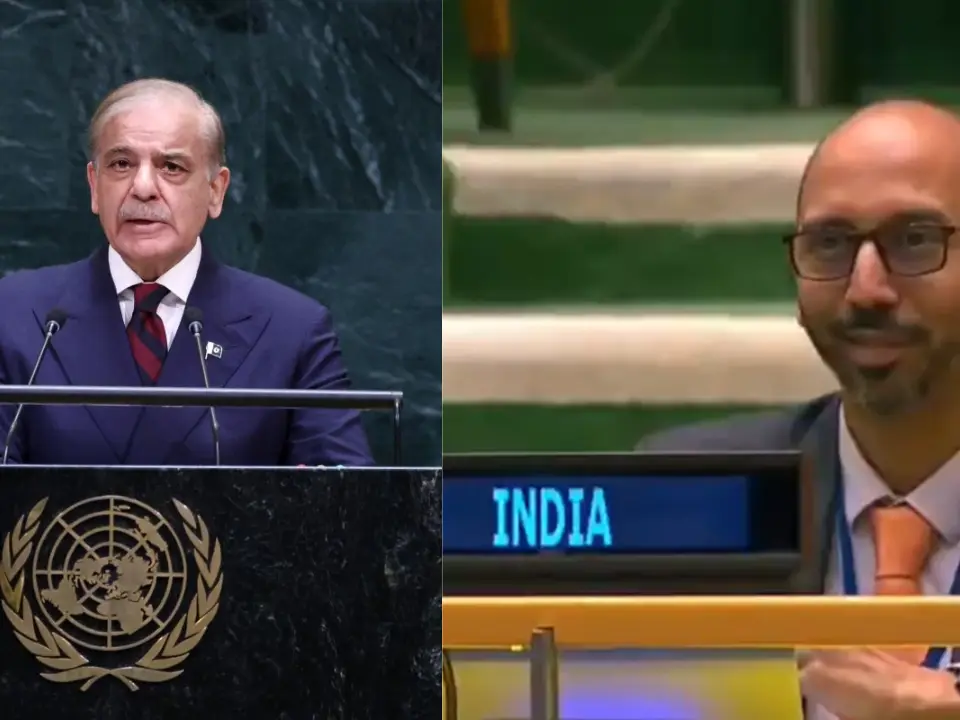)
WATCH | As Shehbaz Sharif claims Pakistan’s ‘victory’ during 2025 conflict, Indian diplomat R Srinivas laughs at UN
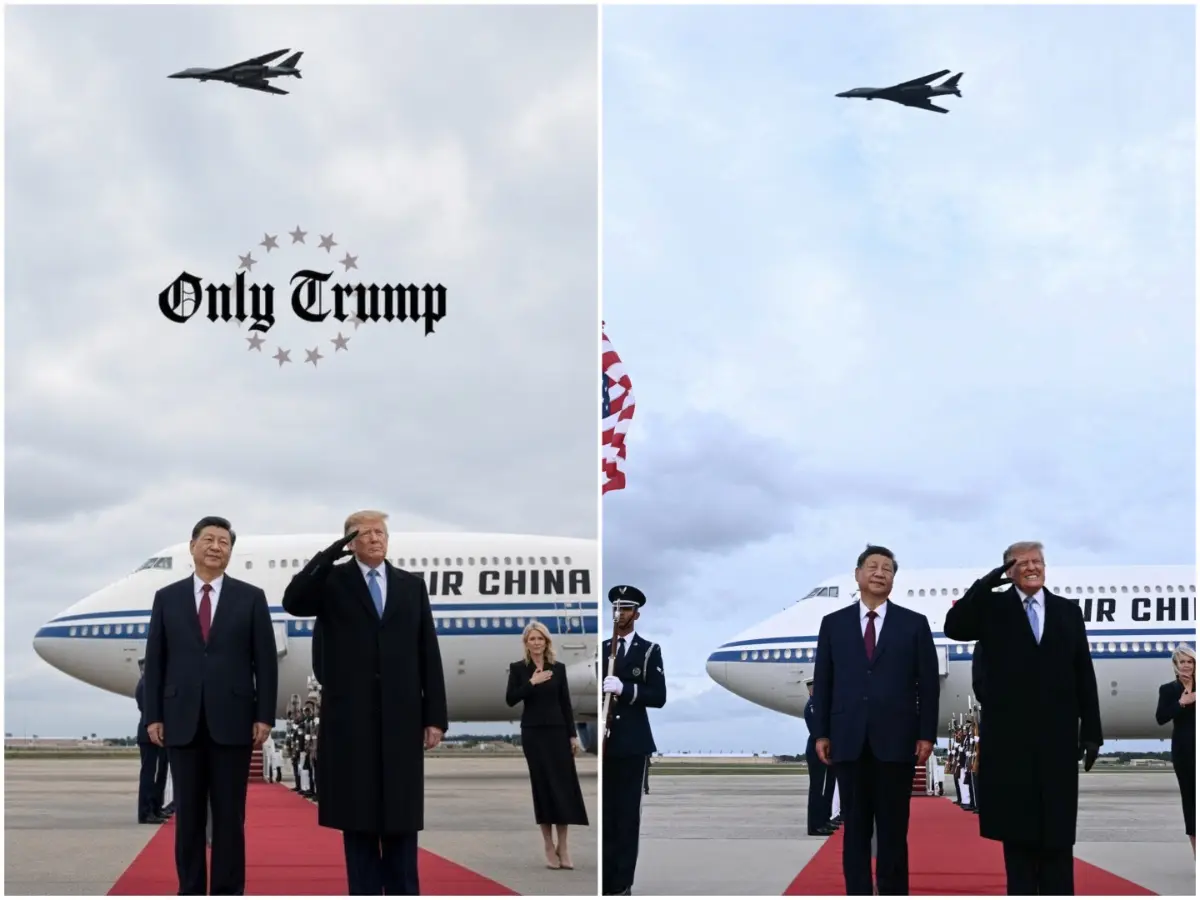)
Donald Trump shares image of Xi's arrival in Washington, carries signs of AI
)
Did Hitler kill his niece Geli Raubal? Newly found records reopen a 95-year-old mystery
)
'Countries far from conflict are penalised': Jaishankar calls for Gulf peace, seafarer safety at UN
Watch:US, India, UAE, Saudi, Eu announce rail & port corridor
By investing in South Korea’s defence sector, Abu Dhabi wants to develop its own defence industries at home through significant technology transfer initiatives.
Narrowing options for UAE
In late 2021, the UAE halted negotiations regarding a significant deal for 50 fifth-generation F-35 Lightning II stealth jets from the United States due to disagreements over American conditions and the UAE's cooperation with China.
Furthermore, in the aftermath of Russia's invasion of Ukraine, partnering with Moscow on such projects has become increasingly problematic.
With the F-35 deal now seemingly unavailable, the UAE lacks alternative options for purchasing off-the-shelf fifth-generation stealth fighters. Consequently, joining the KF-21 programme appears to be a logical choice, as it can facilitate the acquisition of advanced aircraft for Abu Dhabi.
Drawbacks
The only drawback is that the initial version of the KF-21, although more stealthy than existing 4.5-generation aircraft, will incorporate external hardpoints instead of internal weapons bays.
This characteristic places it just shy of a true fifth-generation classification, leading some to informally refer to it as a "4.75-generation" aircraft. Nonetheless, future iterations may address this limitation.
WATCH WION LIVE HERE