Trump Xi Meeting 2026: 6 areas that will be closely watched at the bilateral

&imwidth=600&imheight=450&format=webp&quality=medium "Trump Xi Meeting 2026: 6 areas that will be closely watched at the bilateral")
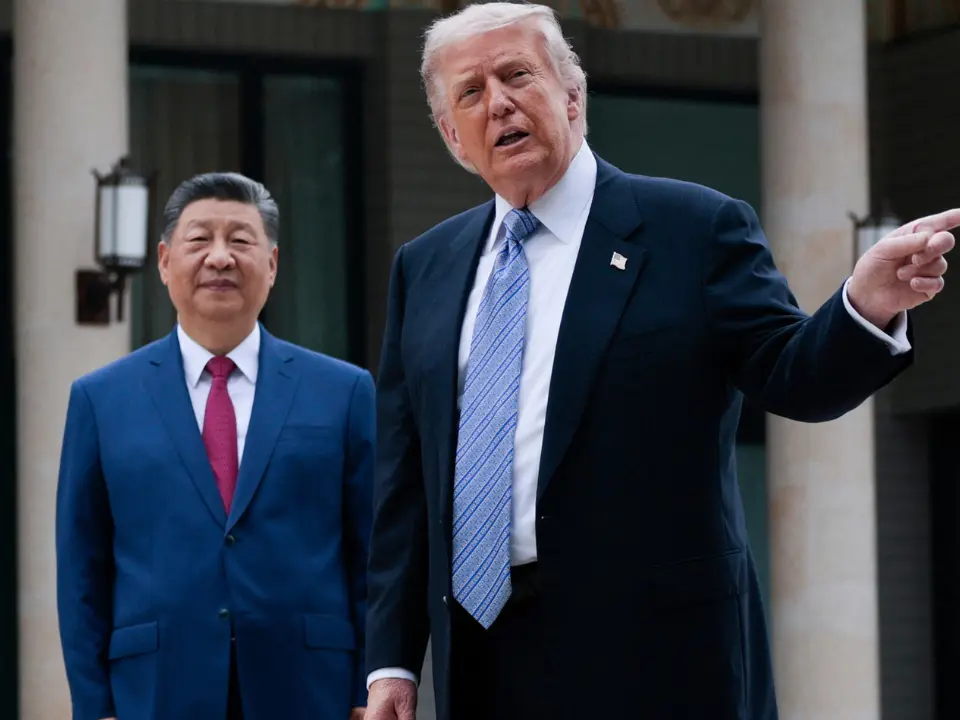
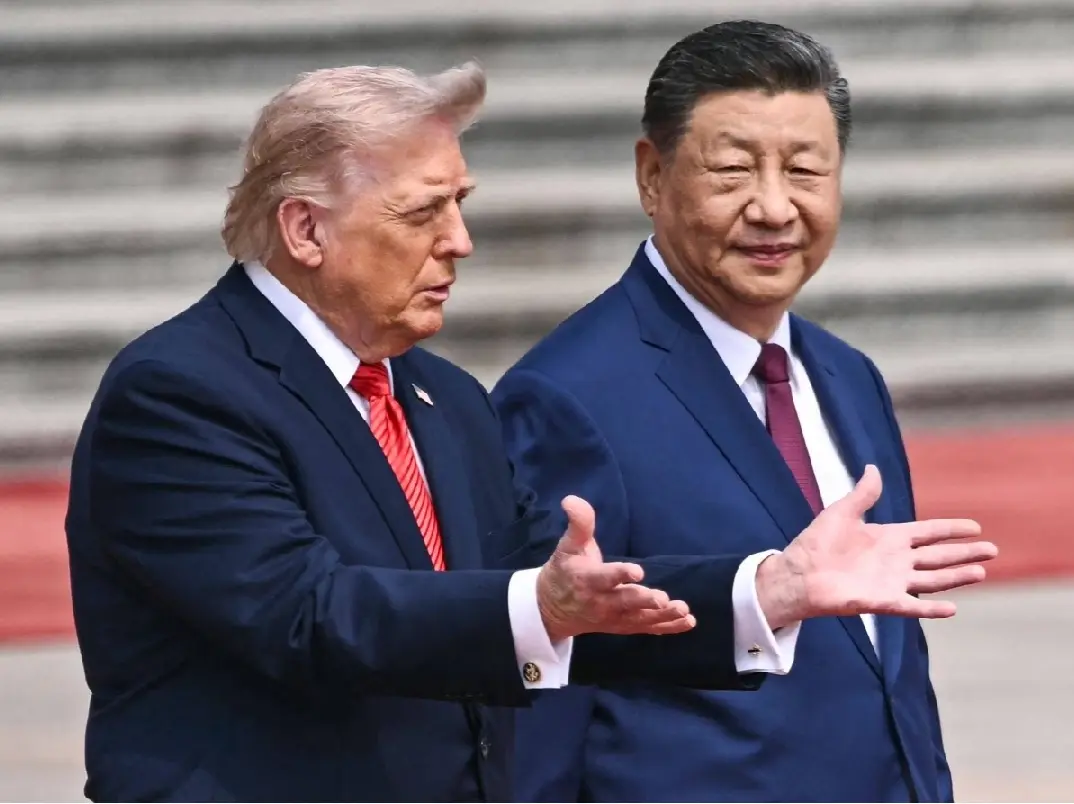
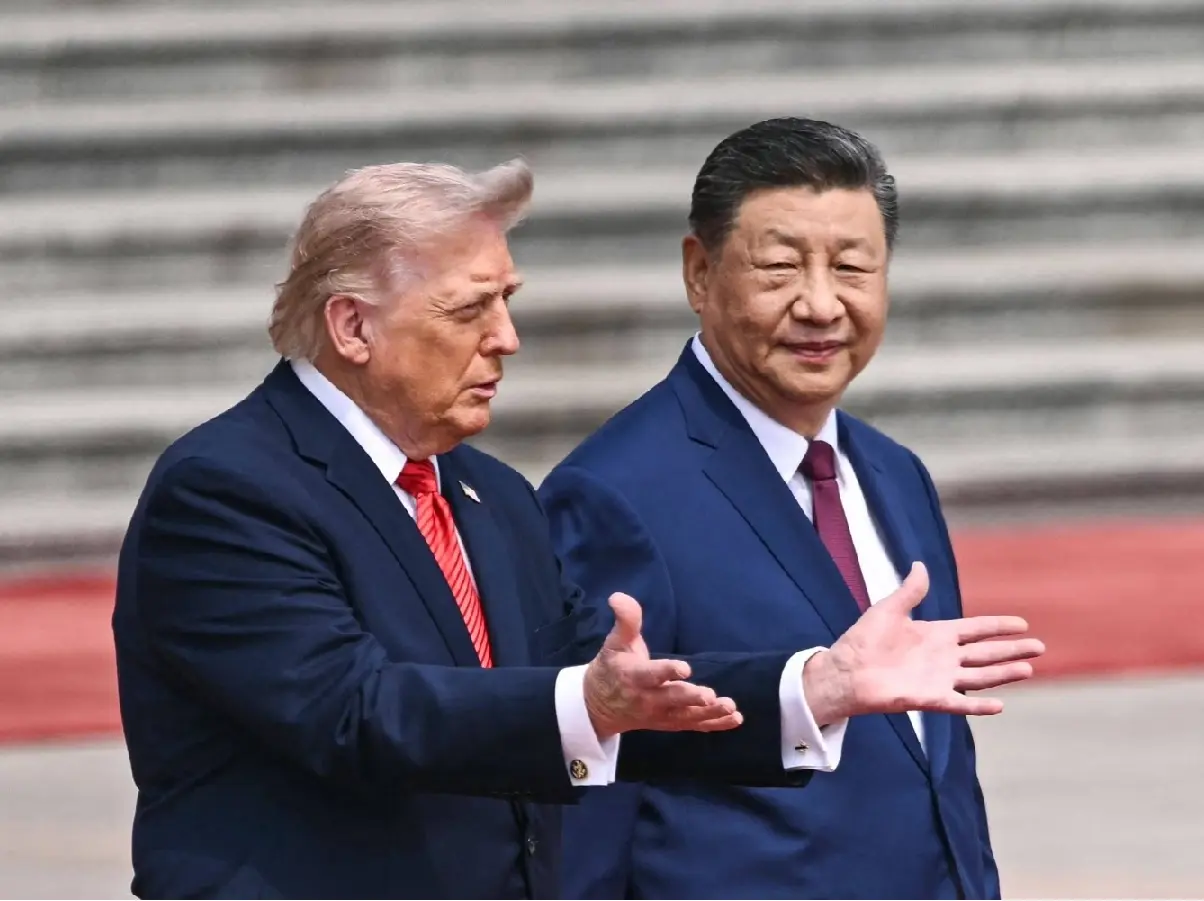
Donald Trump and XI Jinping will meet in Washington for the second time in 2026. Photograph: (AFP)
Donald Trump and Xi Jinping's meeting in Washington will see several topics being discussed, including the trade gap, tariffs, critical minerals and artificial intelligence, as well as security issues. Here is everything that will be on the table.
US President Donald Trump will host Chinese President Xi Jinping from September 23-25 on a state visit. The two leaders will hold a bilateral meeting on September 24 after Trump officially welcomes Xi on the same day. Later in the evening, Donald Trump and Melania will host Xi and his wife Peng Liyuan for a dinner.
The bilateral meeting between Trump and Xi will be in focus as the two leaders will discuss several crucial topics, including trade and tariffs, AI, rare earth minerals, security and other geopolitical flashpoints. Here are 5 main talking points expected to be on the list when Trump and Xi sit down for their second face-to-face meeting on September 24 in Washington.
Trade war
Trump will officially welcome Xi on September 24 and host an elaborate dinner. However, the US and China haven't had the best relations, especially when it comes to trade and tariffs. Both superpowers hiked tariffs on each other's goods to unimaginable levels last year. US levies on Chinese imports peaked at 145 per cent, while Beijing’s retaliatory duties reached 125 per cent. Over the next few months, both sides scaled back the measures imposed in retaliation.
They reached an agreement where China suspended export controls on rare earths and agreed to buy US agricultural products. Meanwhile, the US also suspended certain measures it took against China. However, multiple analyses show that both countries continue to impose high tariffs on each other’s goods.
US Census data shows that trade between the two countries registered a sharp fall in 2025 and has continued to decline in 2026. US goods trade deficit with China is lower than at the same time last year, but is still high at roughly $91.2 billion. So trade and tariffs will be one of the biggest discussion points, particularly China's tariff on US liquefied natural gas.
Trending Stories
)
)
)
)
)
&im=FitAndFill=(700,400))
)
)
)
)
)
)
)
)
)
)
)
)
)
)
)
&im=FitAndFill=(700,400))
)
)
)
)
)
)
)
)
)
)
)
)
)
Rare earths and critical minerals
China controls a major share of global rare-earth processing, which gives it an advantage. It also supplies minerals and magnets used in smartphones, advanced electronics, electric vehicles, aerospace and defence equipment. But as things soured between the two countries, China restricted exports of some critical minerals. Washington wants predictable, uninterrupted supplies of critical minerals and China is looking for relief from technology and export restrictions.
Artificial Intelligence
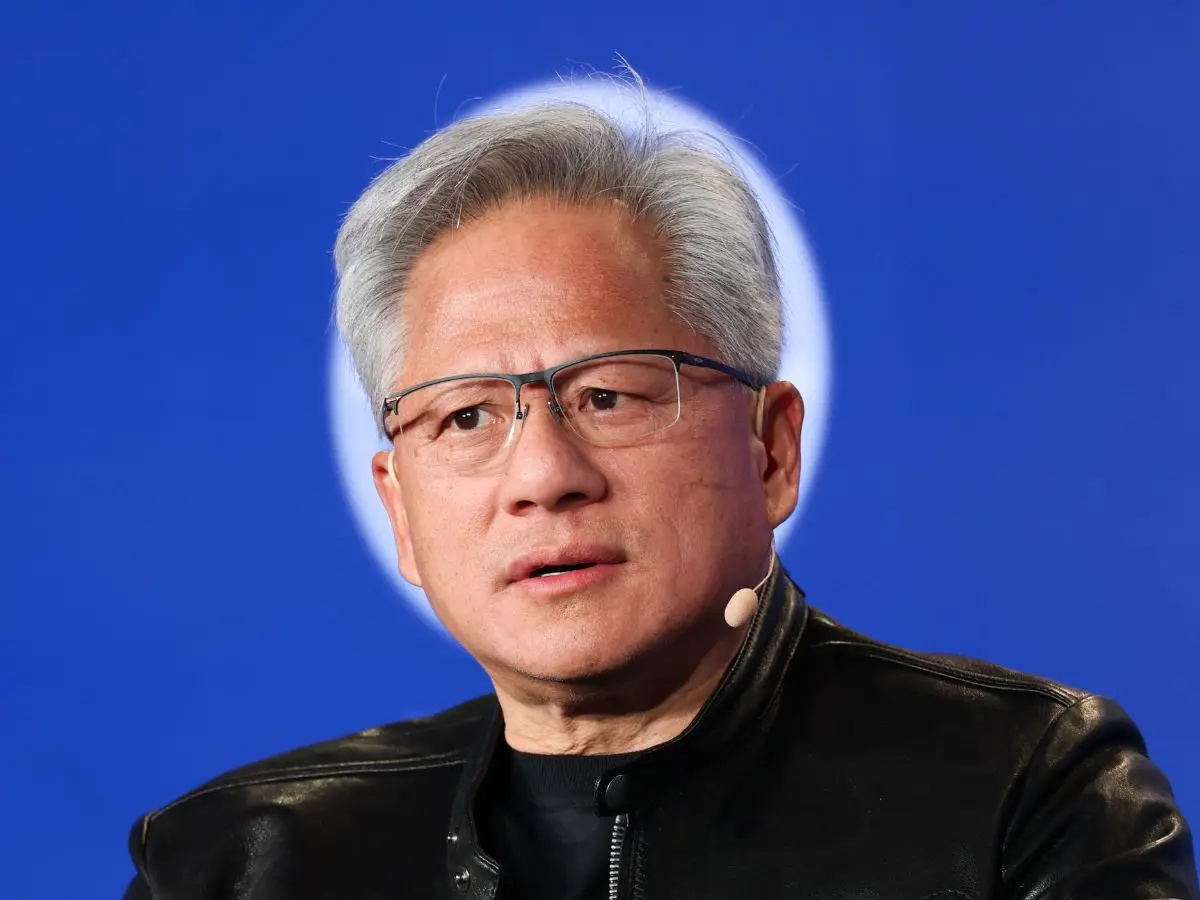
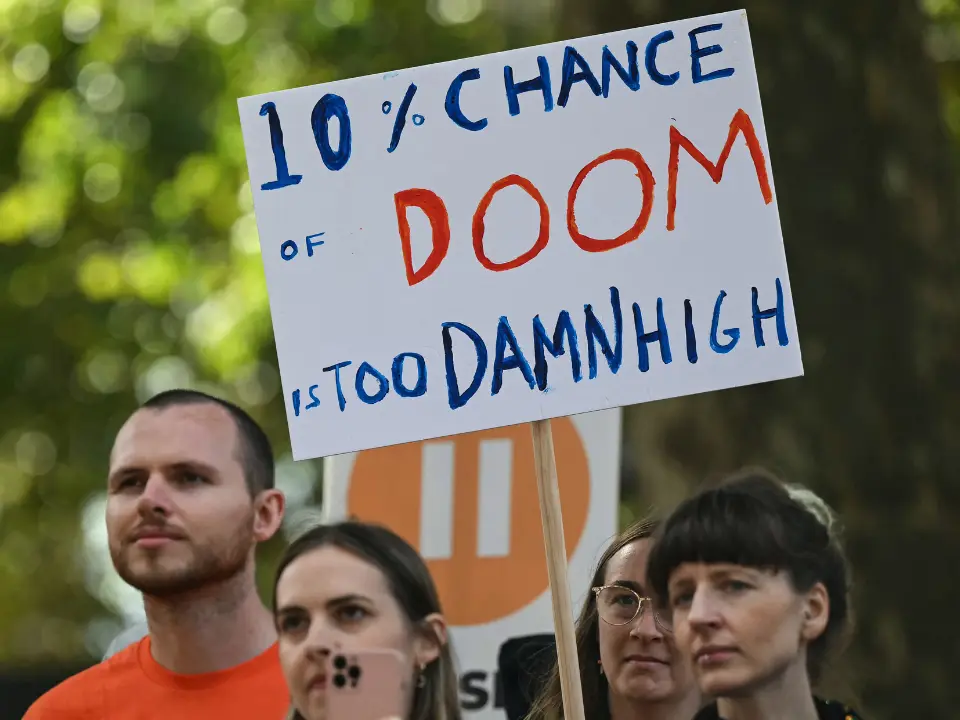
Talks on technology, especially AI, will also be at the centre of the bilateral talks between Xi and Trump. Amid concerns that AI could pose an existential threat to humanity, discussions on AI safety and regulations will be on the table. They will talk about establishing formal channels for handling AI-enabled cyber incidents. Nvidia's Jensen Huang, OpenAI's Sam Altman, Tesla's Elon Musk, Google's Sundar Pichai and Apple's Tim Cook will also be present at the state dinner, highlighting the importance of AI.
Beijing is also pushing for relief from US restrictions on advanced semiconductors and technology transfers, while the US remains focused on national security safeguards.
Iran war
The US-Iran war and its impact on global oil supplies will also be one of the topics at the bilateral. China is the largest buyer of Iranian oil and purchases over 80 per cent of its crude exports, while the US has been trying to pressure Iran and its partners. China's relationship with Iran is crucial to US efforts as it tries to manage the crisis.
Taiwan
China claims Taiwan as part of its own territory, but Taiwan rejects it. Even though the US does not have formal diplomatic relations with Taiwan, it gives military equipment to the island nation. It could hand over an arms package worth up to $14 billion to Taiwan, which is bound to become a source of tension at the meeting.
Fentanyl
United States has pushed China to take strict action against entities involved in manufacturing and supplying chemicals used to make fentanyl. The matter has often been part of negotiations between the two countries and remains part of the broader American effort to secure Chinese cooperation on counter-narcotics.

