Trump revives India-Middle East-Europe economic corridor as India emerges central to West Asia’s future: What is it?

&imwidth=600&imheight=450&format=webp&quality=medium "Trump revives India-Middle East-Europe economic corridor as India emerges central to West Asia’s future: What is it?")
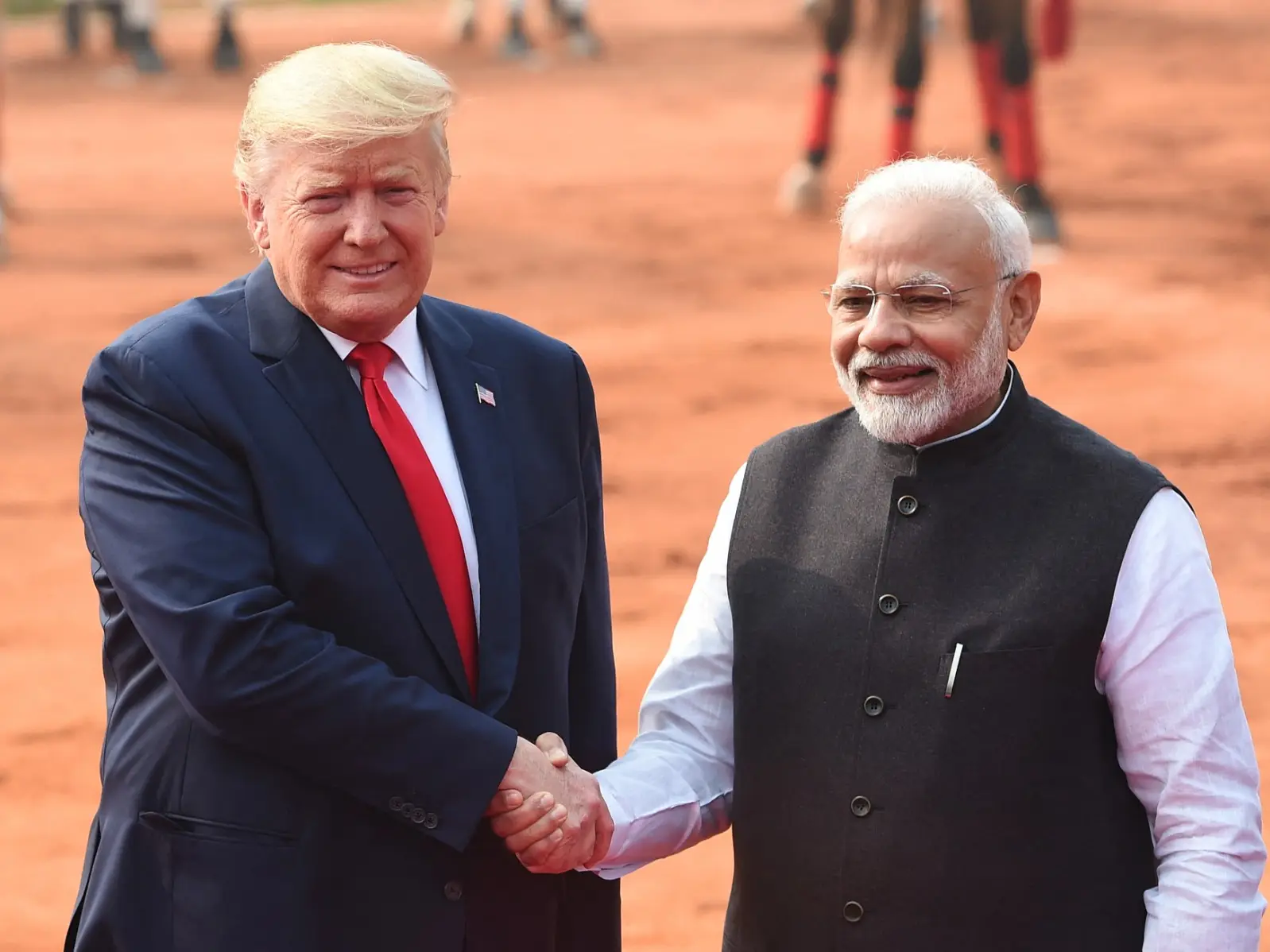
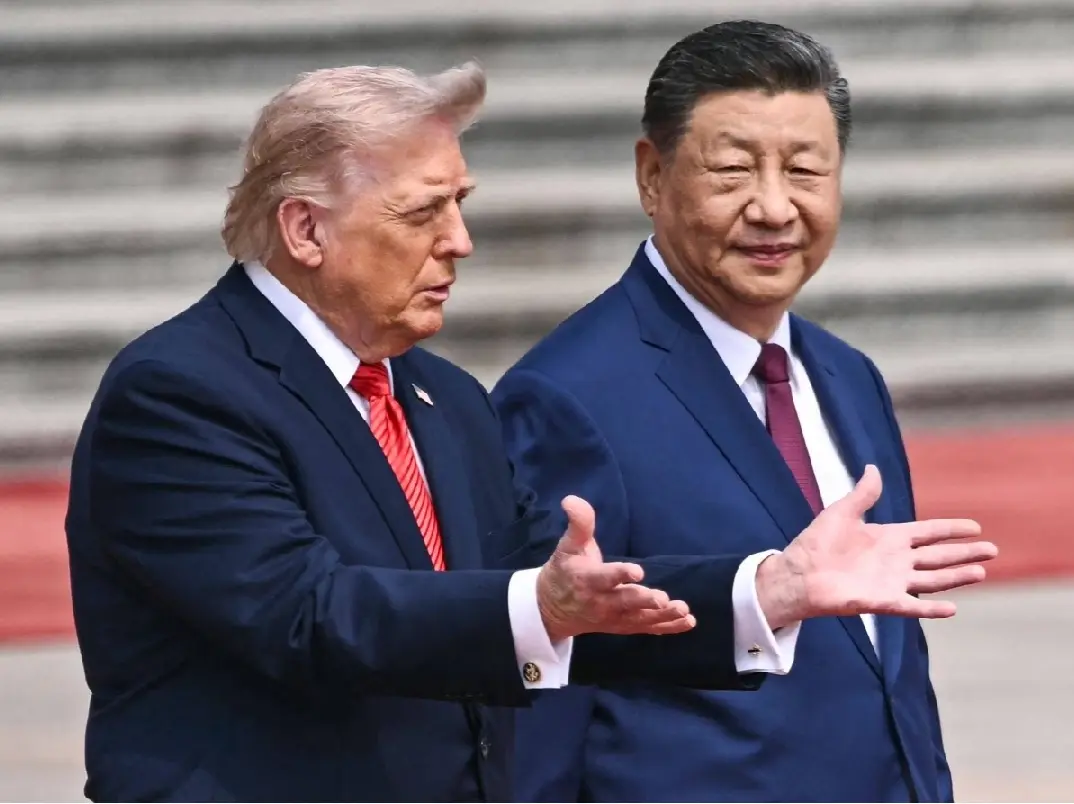
Trump revives IMEC as India emerges central to West Asia’s future Photograph: (AFP)
US President Donald Trump has backed the India-Middle East-Europe Economic Corridor as the Iran war highlights vulnerabilities in key shipping and energy routes. Launched under PM Modi and Joe Biden in 2023, IMEC could gain renewed strategic relevance
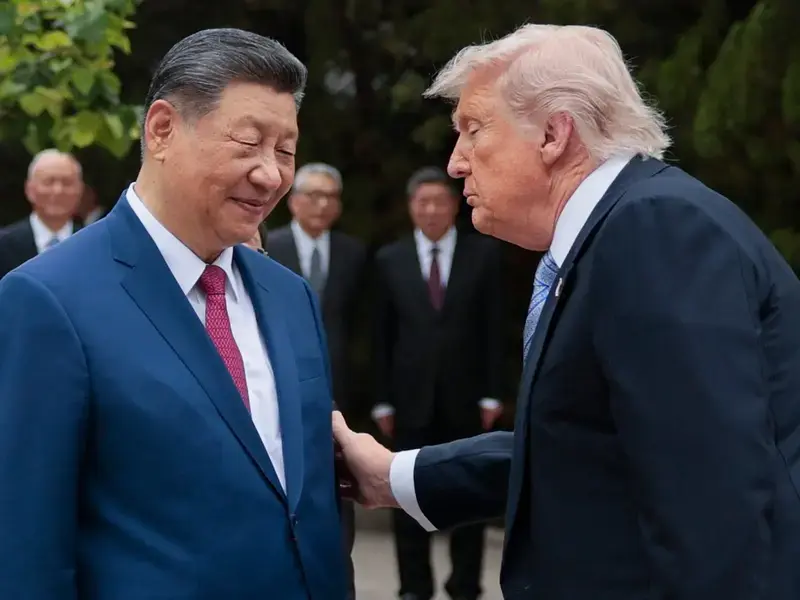
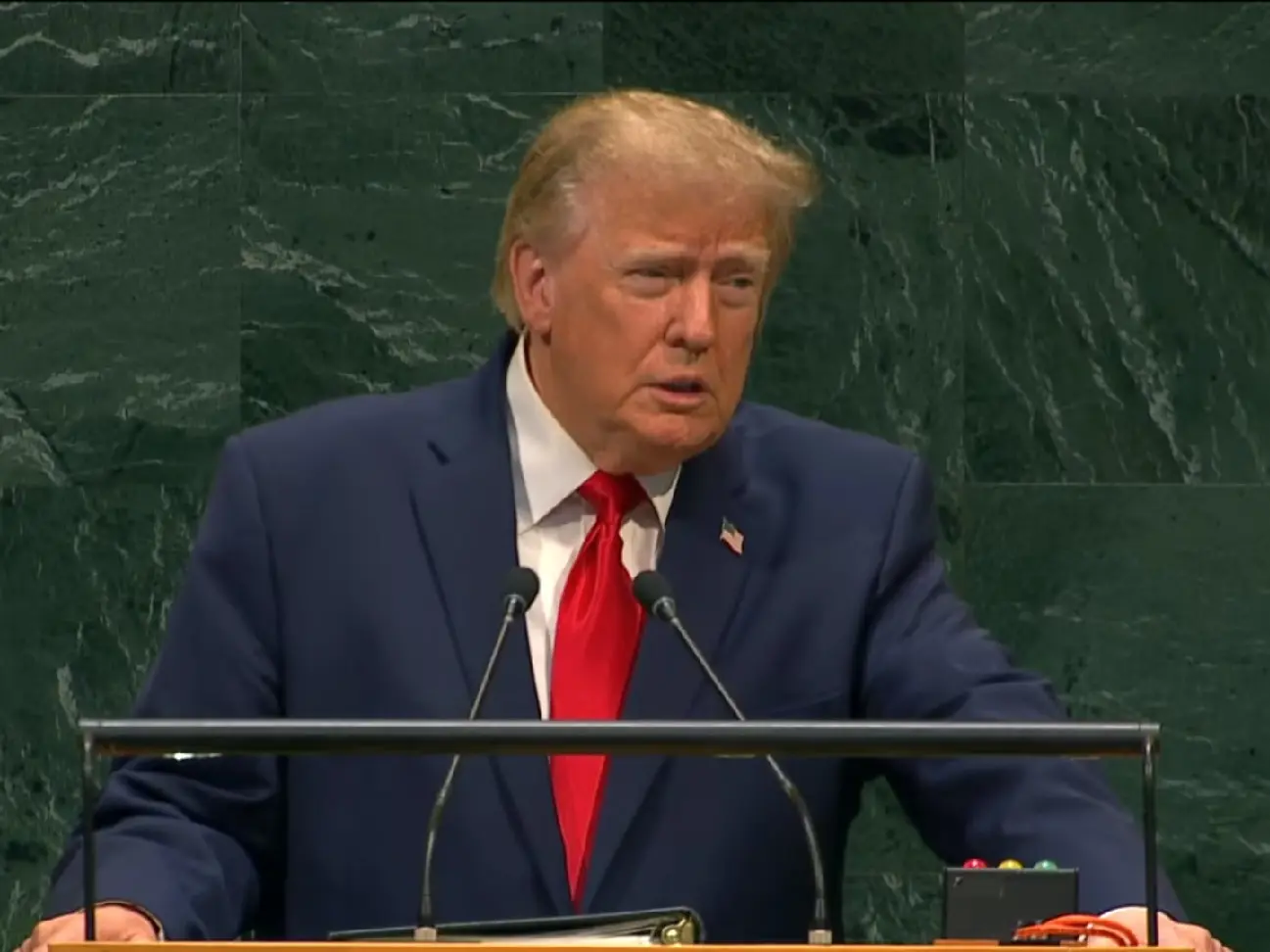
U.S. President Donald Trump has publicly backed the India-Middle East-Europe Economic Corridor as the Iran war exposes the vulnerability of critical shipping and energy routes. Trump said, “Iran’s terrorist attacks on commercial shipping in neighbouring countries have shown the need to shift Middle East energy infrastructure away from the Iranian checkpoints. That’s why my administration strongly supports the India-Middle East-Europe Economic Corridor.”
From New Delhi to Europe
IMEC was announced at the G20 Summit in New Delhi on September 9, 2023, under Prime Minister Narendra Modi and then U.S. President Joe Biden, alongside Saudi Arabia, the UAE, the European Union, France, Germany and Italy. The proposed route connects India by sea to the UAE, followed by rail connectivity through Saudi Arabia and Jordan towards Israel’s Mediterranean coast, before connecting by sea to Europe. The broader plan also envisaged electricity, digital and clean-hydrogen infrastructure. But within weeks, the October 7 Hamas attack and the Gaza war transformed West Asia. Saudi-Israeli normalisation stalled and the political environment required to implement IMEC deteriorated.
Why the Iran War Changes the Equation
The current conflict has brought the corridor’s strategic logic back into focus. Disruption around the Strait of Hormuz, one of the world’s most important energy chokepoints, has demonstrated the risks of depending heavily on vulnerable maritime routes. IMEC cannot simply replace Hormuz, but alternative transport, pipeline and infrastructure networks could reduce some of the region’s exposure to such chokepoints.
Trending Stories
)
)
)
)
)
)
)
)
)
)
)
)
)
)
)
)
)
)
)
)
)
&im=FitAndFill=(700,400))
)
)
)
)
)
)
&im=FitAndFill=(700,400))
)
)
)
)
)
)
)
)
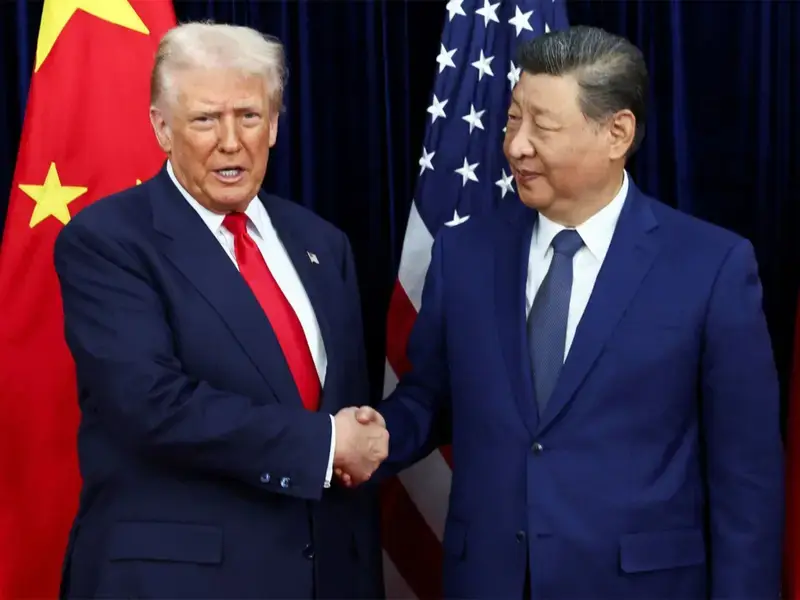)
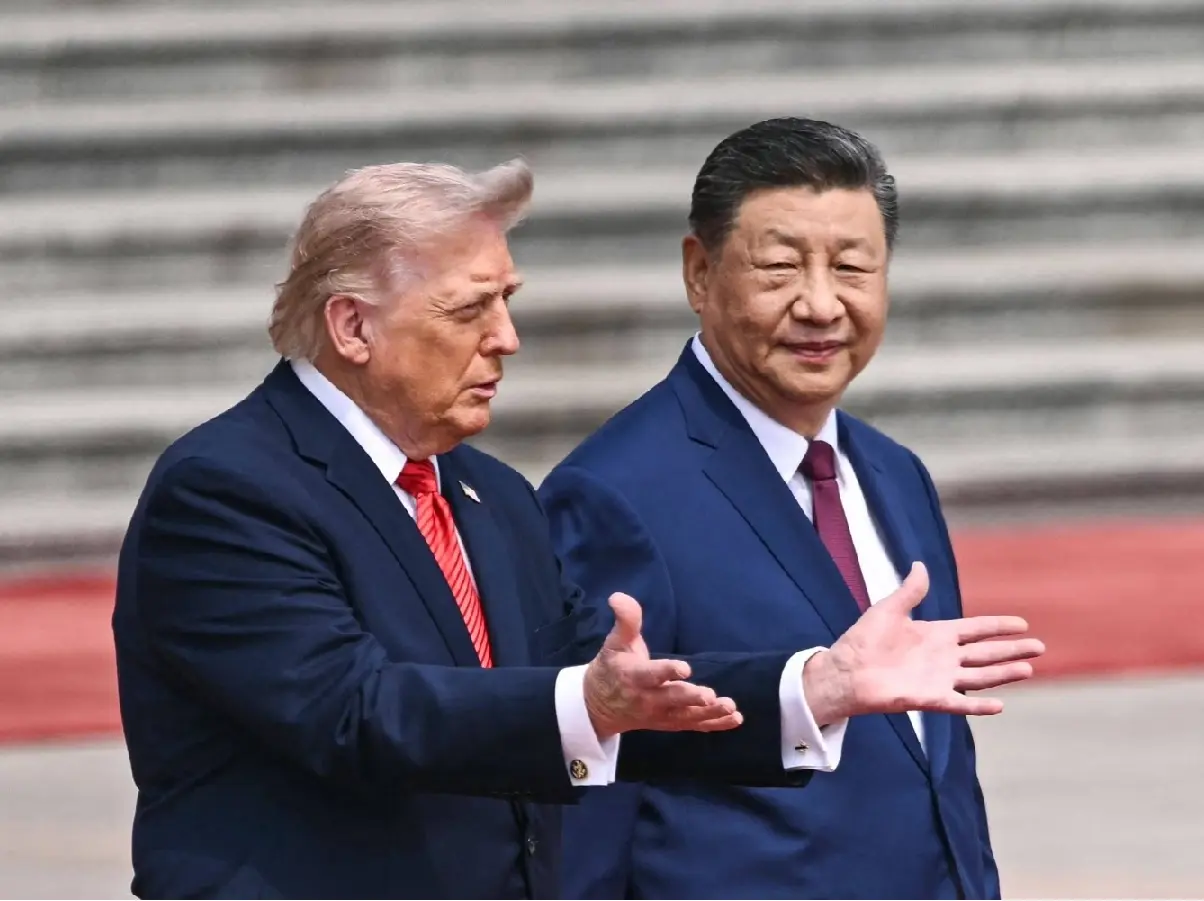
Trump’s endorsement is therefore significant. A project launched under Biden is now receiving explicit backing from his successor amid a major regional war.
India as Both Bridge and Solution
India occupies an unusual position here and here's why. It maintains relations with Iran, deep partnerships with the UAE and Saudi Arabia, growing ties with Israel, and a strategic partnership with the United States. That diplomatic reach was visible during the BRICS Summit in New Delhi, where Iranian President Masoud Pezeshkian and Abu Dhabi Crown Prince Sheikh Khaled bin Mohamed bin Zayed held their highest-level meeting since the war began. If diplomacy succeeds, India is positioned as a country capable of maintaining channels across competing blocs If war continues, IMEC offers a framework for building alternative infrastructure connectivity linking India, the Gulf and Europe. Whether the region moves towards diplomacy or faces prolonged conflict, India remains pivotal.

