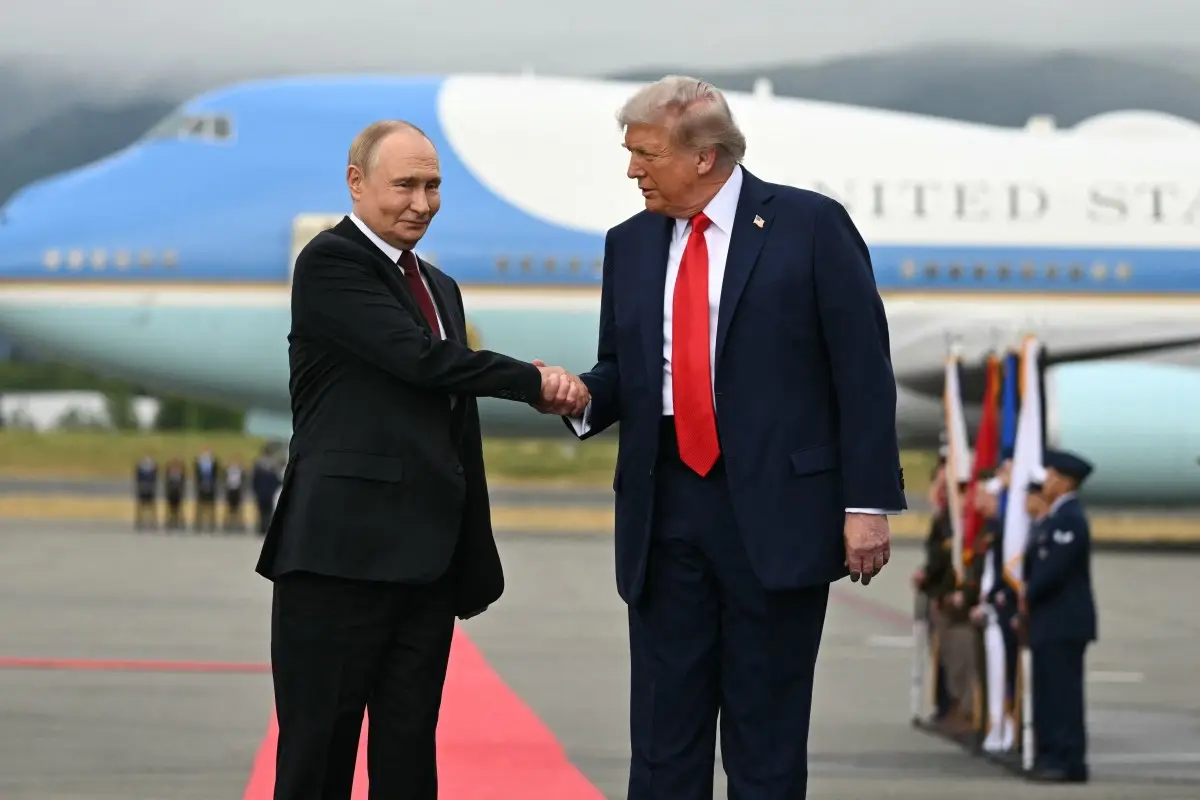
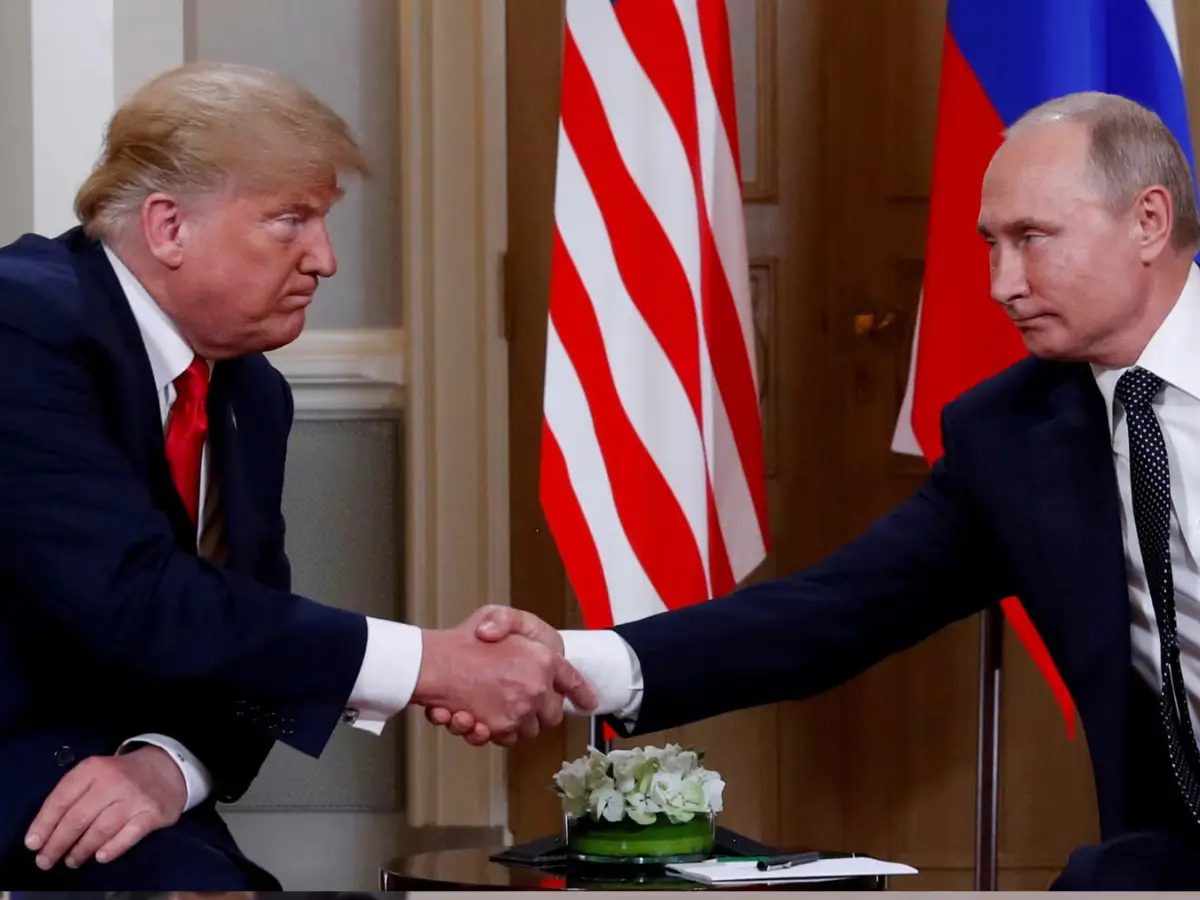
'No deal till there's a deal', but who won round one? Diplomatic ambiguity as Putin flies out of ‘productive’ Alaska summit with Trump on Ukraine war

&imwidth=600&imheight=450&format=webp&quality=medium "'No deal till there's a deal', but who won round one? Diplomatic ambiguity as Putin flies out of ‘productive’ Alaska summit with Trump on Ukraine war")
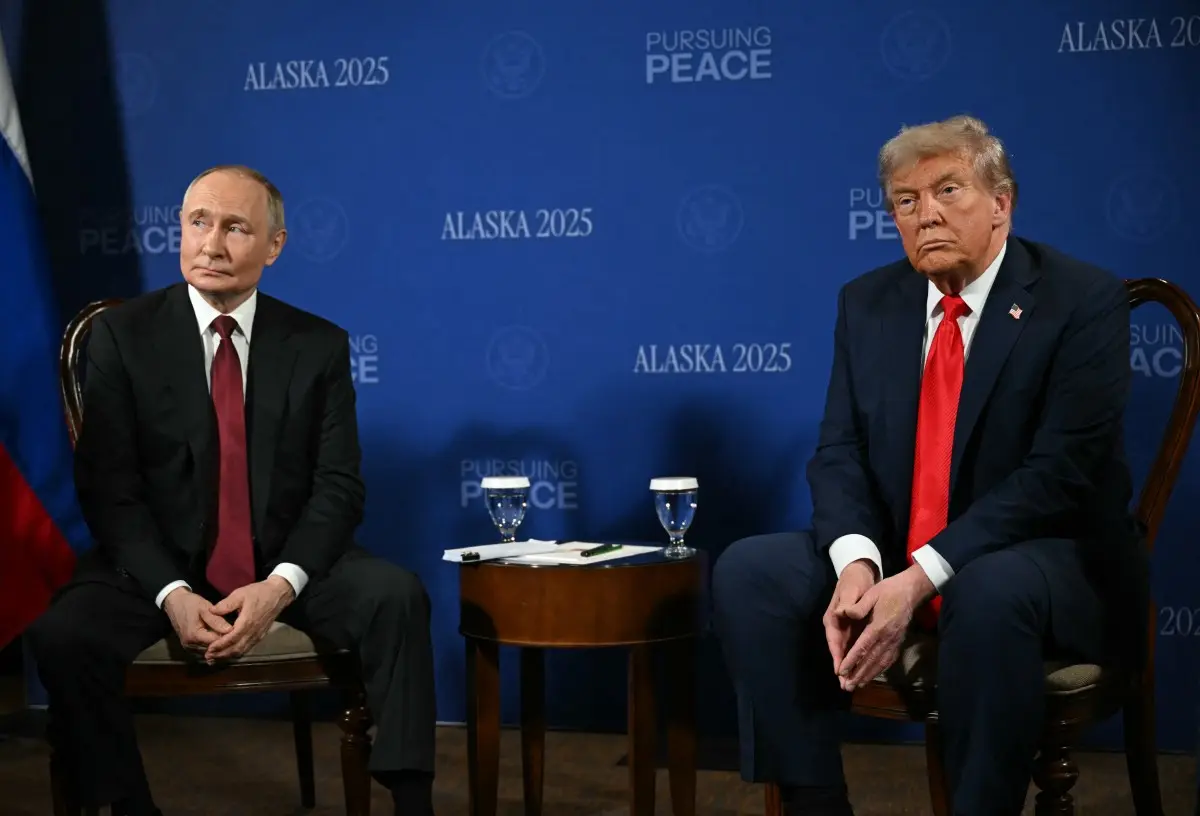
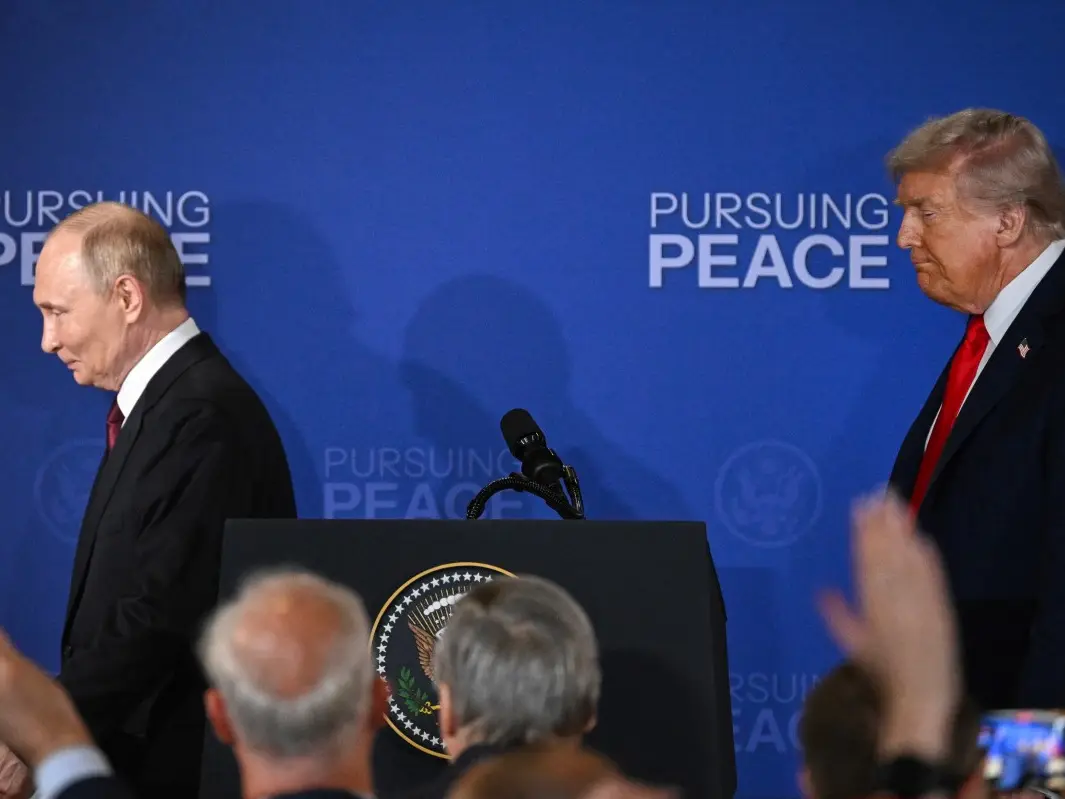
Putin and Trump at the joint press conference of Alaska summit Photograph: (AFP)
The Alaska summit may be the beginning of a US-Russia dialogue process to end the Ukraine war. But resolution is still away, and would need the presence of Ukraine at the table
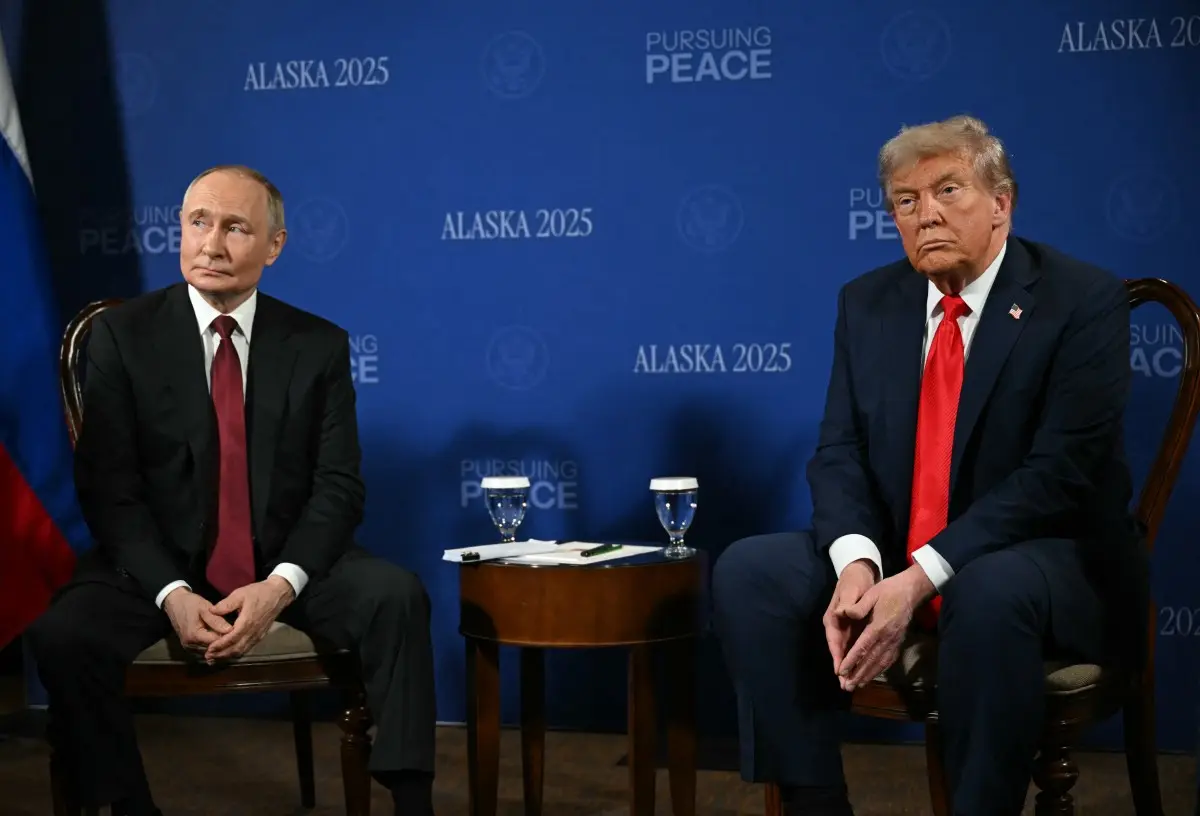
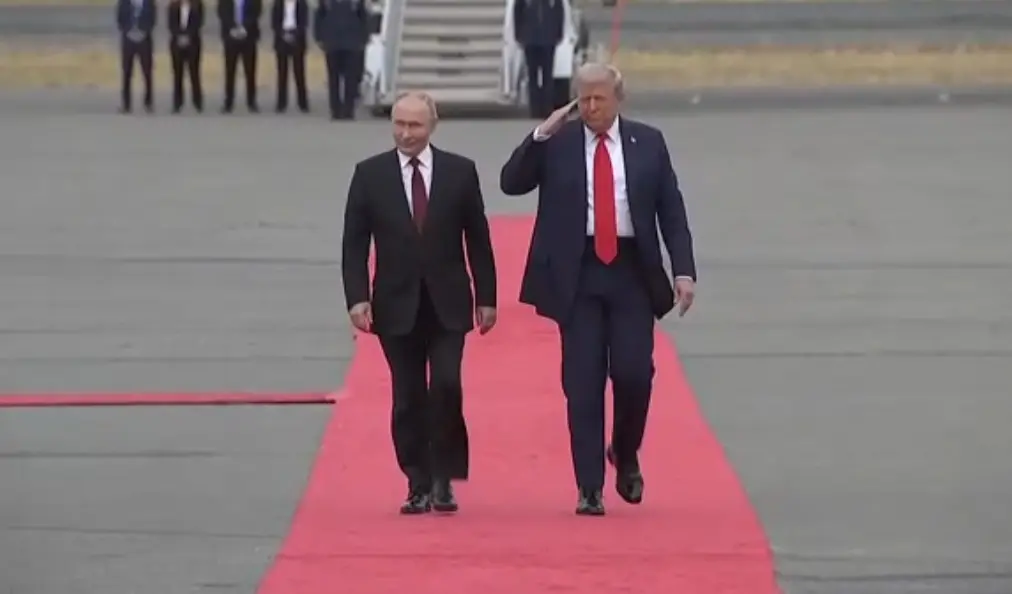
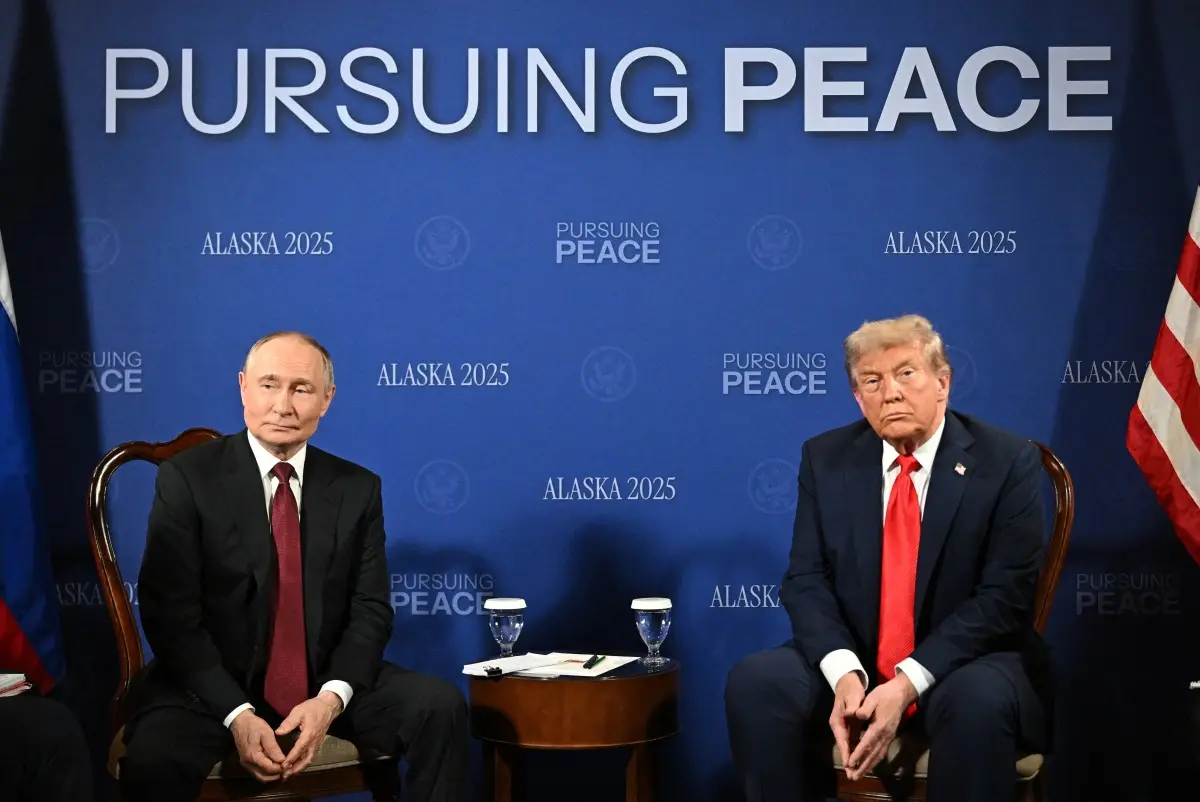
“No deal until there’s a deal.” This remark from US President Donald Trump summed up the outcome of his Alaska summit with Russian leader Vladimir Putin on ending the Ukraine war. The high-stakes summit at Anchorage concluded on Friday (15 Aug) without a formal agreement on ending the war.
Though both leaders termed it “very productive” at their joint press conference, deep strategic divides remain. There's no ceasefire. Putin flew out after telling Trump, in English, “Next time, in Moscow,” leaving more diplomatic ambiguity than action points.
But who won this round? Here's an analysis
The message from the Anchorage summit: Symbolism over substance?
Trump was clear that there was no full agreement on anything. “There were many, many points that we agreed on” and some that weren't. “So there's no deal until there's a deal.”
“We didn’t get there,” he said, referring to the lack of a ceasefire or concrete roadmap.
If he was disappointed, Trump tried hard not to show it, painting the summit as a good start. In reality, he probably had nothing to show for the meeting.
Trending Stories
)
)
)
)
)
)
)
)
)
)
)
)
)
)
)
&im=FitAndFill=(700,400))
)
)
)
)
)
)
)
&im=FitAndFill=(700,400))
)
)
)
)
)
)
)
)
)
)
)
)
A victory lap for Putin?
Interestingly, Putin spoke more during the press conference, which only lasted around 12 minutes, and closed without questions. To many observers, Putin appeared to have taken the victory lap, calling the discussions “useful.”
“Our relations with the US had fallen to the lowest point since the Cold War... it is time to move from confrontation to dialogue,” he said, as per a translation. He even tried to paint the picture that bilateral trade increased 20 per cent after Trump took over.
Putin, according to some analysts, benefited from the summit as he was able to project control and legitimacy.
He also cautioned European powers not to “torpedo” potential progress with backroom dealings.
Not the breakthrough Trump hoped for
Going into the summit, Trump was hoping for a fast deal and ceasefire. That was not to be, which would make the dealmaker in him disappointed.
He admitted there were “substantial disagreements.”
These could be the territorial integrity of Ukraine, alignment with NATO, and security guarantees.
Putin probably left with his demands unchanged
Putin, in all likelihood, did not budge on his territorial demands, particularly the control over Donetsk, Luhansk, Zaporizhzhia, and Kherson.
Trump vaguely mentioned future possibilities, including talking with NATO leaders and President Volodymyr Zelensky of Ukraine after the summit.
He maintained that the meeting was “a starting point.”
Trump's earlier statements of his capability to end the war swiftly may have met with the ground realities and complexities in the Ukraine-Russia war.
Putin, by contrast, benefited simply by being at the summit.
He tried, and succeeded, at projecting an image of a reasonable leader open to diplomacy.
This is leading analysts to label the summit as a diplomatic victory for Putin and a political risk for Trump.
Russian state media celebrated the summit as a symbolic humiliation for Ukraine.
A stage set without a script agreed
At best, the Anchorage summit was good theatre and optics, but without any concrete policy outcomes. Trump’s “no deal until there’s a deal” remark is a tacit admission of failure to secure even preliminary concessions from Putin.
The summit may be the beginning of a dialogue process. But resolution is still away, and would need the presence of Ukraine at the table.
Whether Anchorage will be remembered as a diplomatic breakthrough or a missed opportunity depends on what follows next, whether in Moscow, Kyiv, or anywhere else.