Trump not interested in China trade talks, ends Hong Kong preferential status

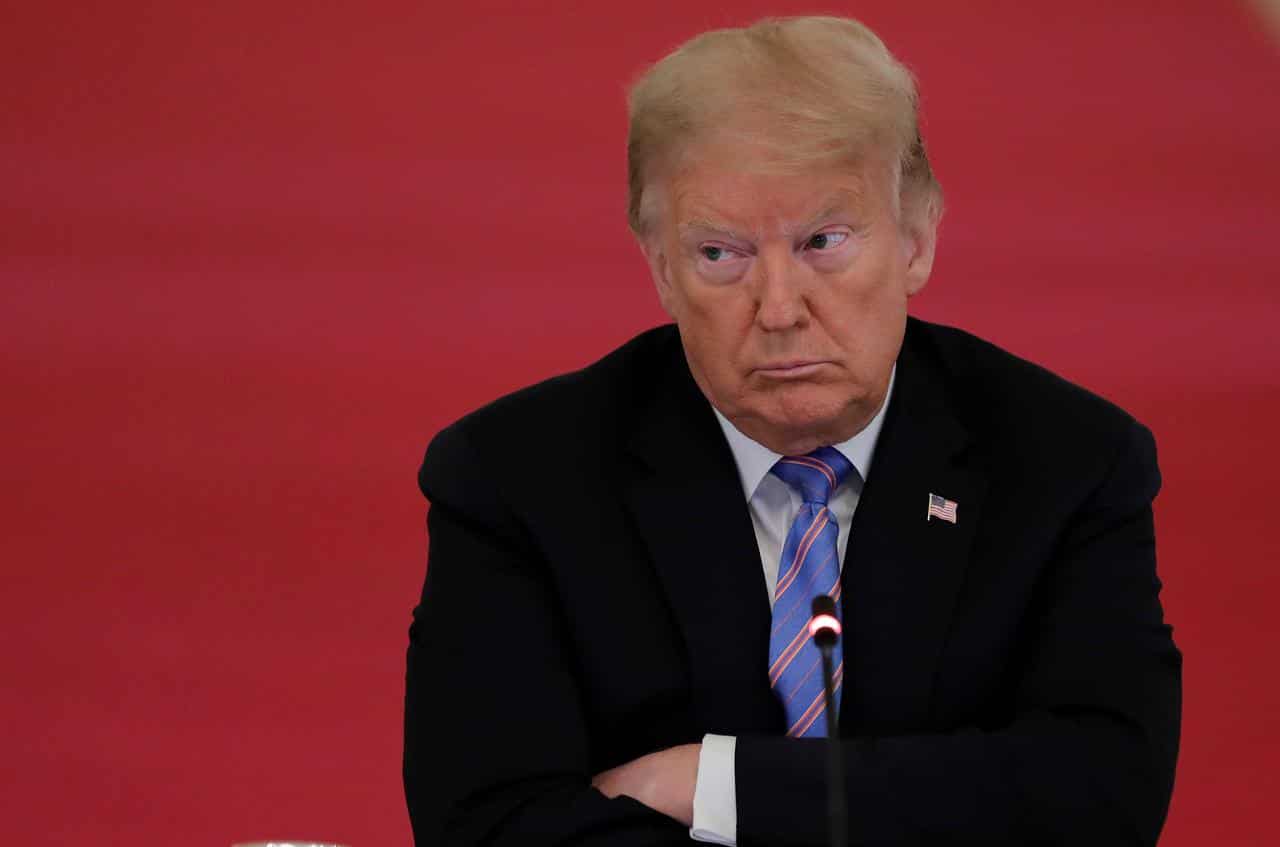
Donald Trump
US President Donald Trump has shut the door on “Phase 2” trade negotiations with China, saying he does not want to talk to Beijing about trade because of the coronavirus pandemic.
“I’m not interested right now in talking to China,” Trump replied when asked in an interview with CBS News whether Phase 2 trade talks were dead.
“We made a great trade deal,” Trump said, of the Phase 1 agreement signed in January. “But as soon as the deal was done, the ink wasn’t even dry, and they hit us with the plague,” he said, referring to the novel coronavirus, which first emerged from the Chinese city of Wuhan.

In another discursive news conference dominated by attacks on his domestic rivals, Trump on Tuesday declared himself to be the toughest president ever on China, which has emerged as a top nemesis in November elections.
He also said he was ending trade preferences for Hong Kong and signed into law an act that authorises sanctions on banks over China's clampdown in the international finance hub.
&im=FitAndFill=(700,400))
National Handloom Day 2026: From Alia Bhatt to Samantha Ruth Prabhu; Actresses who celebrated India's textile heritage as brides
)
The Royals enter the Doctor Who universe: King Charles and Queen Camilla beam into Commonwealth Games in TARDIS
)
Unitree Robotics targets $9 billion valuation in landmark IPO backed by DeepSeek and Tencent
)
India names 27 sites in Arunachal Pradesh
)
Bharat Bhhagya Viddhaata OTT: When will Kangana Ranaut's film stream online?
&im=FitAndFill=(700,400))
How many soldiers operate one S-400 battery?
)
Shakib Al Hasan ready to return to Bangladesh—under one condition
)
‘Fake news’: MEA rejects report claiming India sought defence pact with Israel after Pakistan, Saudi Arabia, Turkey deal
)
Rockstar to unveil GTA 6 extended look ahead of November launch
)
Russia forms Ukrainian Volunteer Spetsnaz Brigade to fight Ukraine
)
Drug-resistant fungus that hides in hair and enters bloodstream reported in 23 US states
)
Technology transfer deal boosts India's defence manufacturing ambitions
)
Border row erupts in Europe after Ceuta crossings, Spain imposes border controls on Italy
)
Morale plummets on USS Abraham Lincoln: Are US sailors reaching a breaking point? | GRAVITAS
)
'Security can't be bought with Pakistan, Turkey deal': Iran tells Saudi Arabia
)
Baba Vanga's 2026 prophecy: 2 predictions 'already came true', 3 terrifying ones remain. Details inside
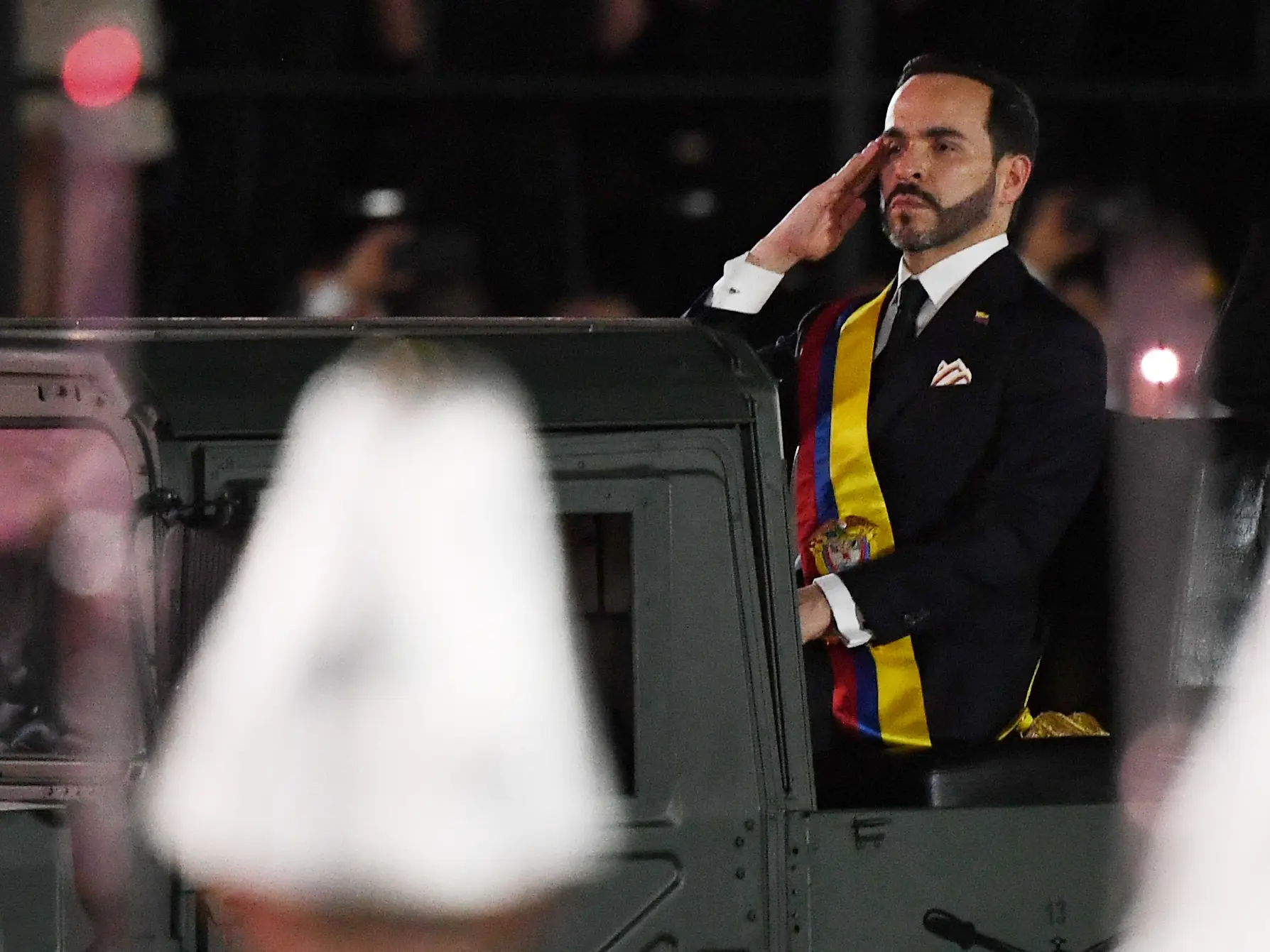)
Colombia’s new president Abelardo de la Espriella vows to ‘defeat narco-terrorists’, signals hardline shift
&im=FitAndFill=(700,400))
New Friday OTT releases (August 7, 2026): Operation Safed Sagar, Vadhandhi, Main Vaapis Aaunga- 6 movies and TV shows on Netflix, Prime Video and more
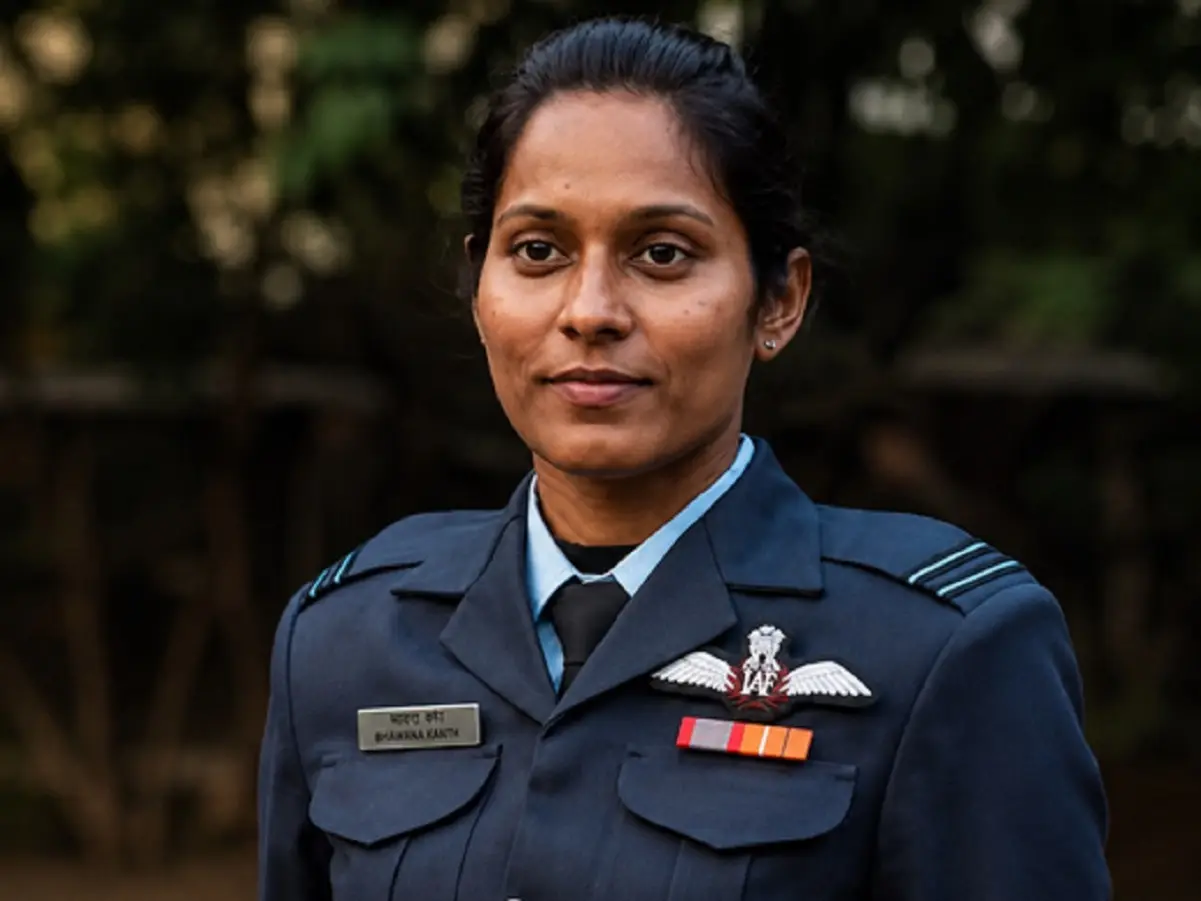)
Squadron Leader Bhawana Kanth scripts history as Indian Air Force gets its first woman ‘Top Gun’ pilot
)
RSS says Gen Z protests reflect genuine distress
)
Trump says Iranian school bombing photos could be AI-generated - 'I don’t think...'
)
IAF officer held for sharing sensitive information in 'honey trap' case, booked under Official Secrets Act
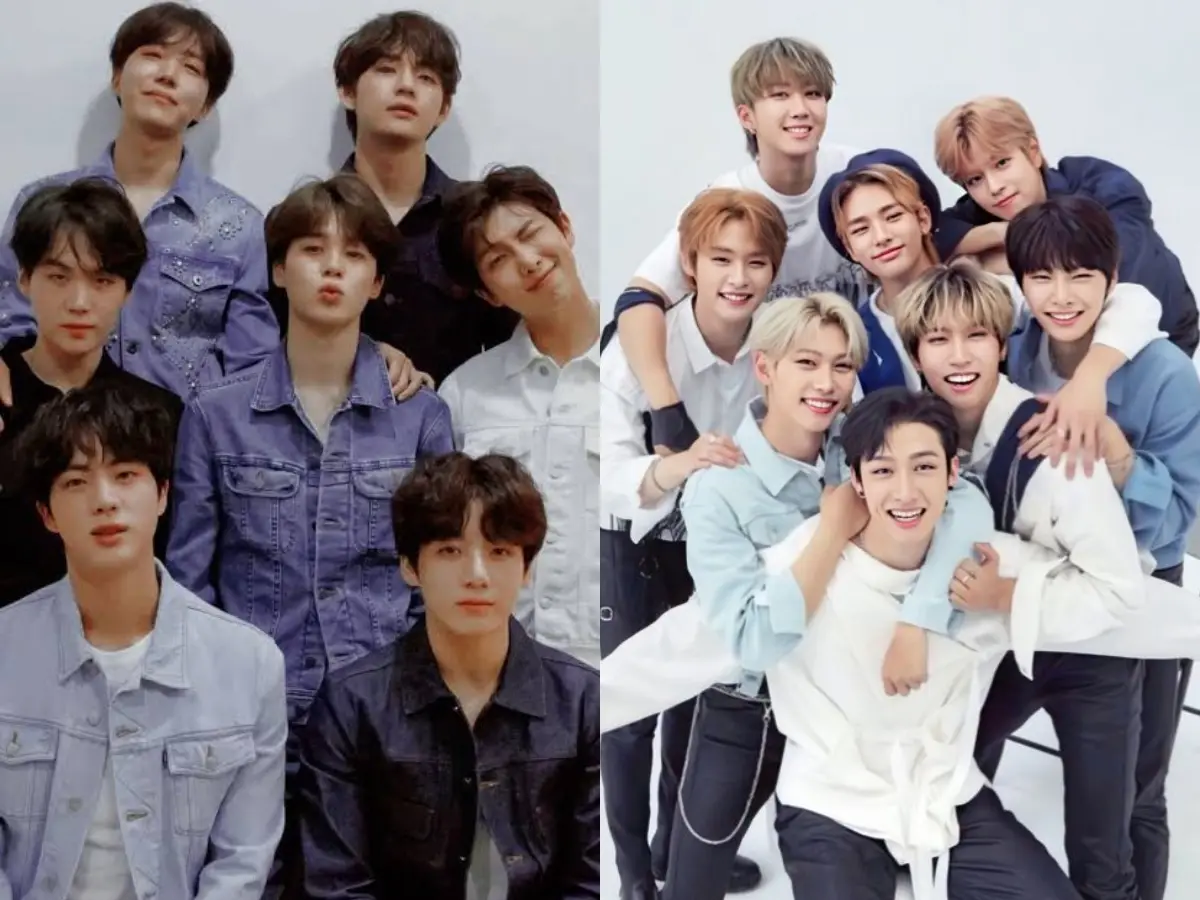)
Stray Kids under scrutiny? Fans react to Grammy submission silence after BTS boycott
&im=FitAndFill=(700,400))
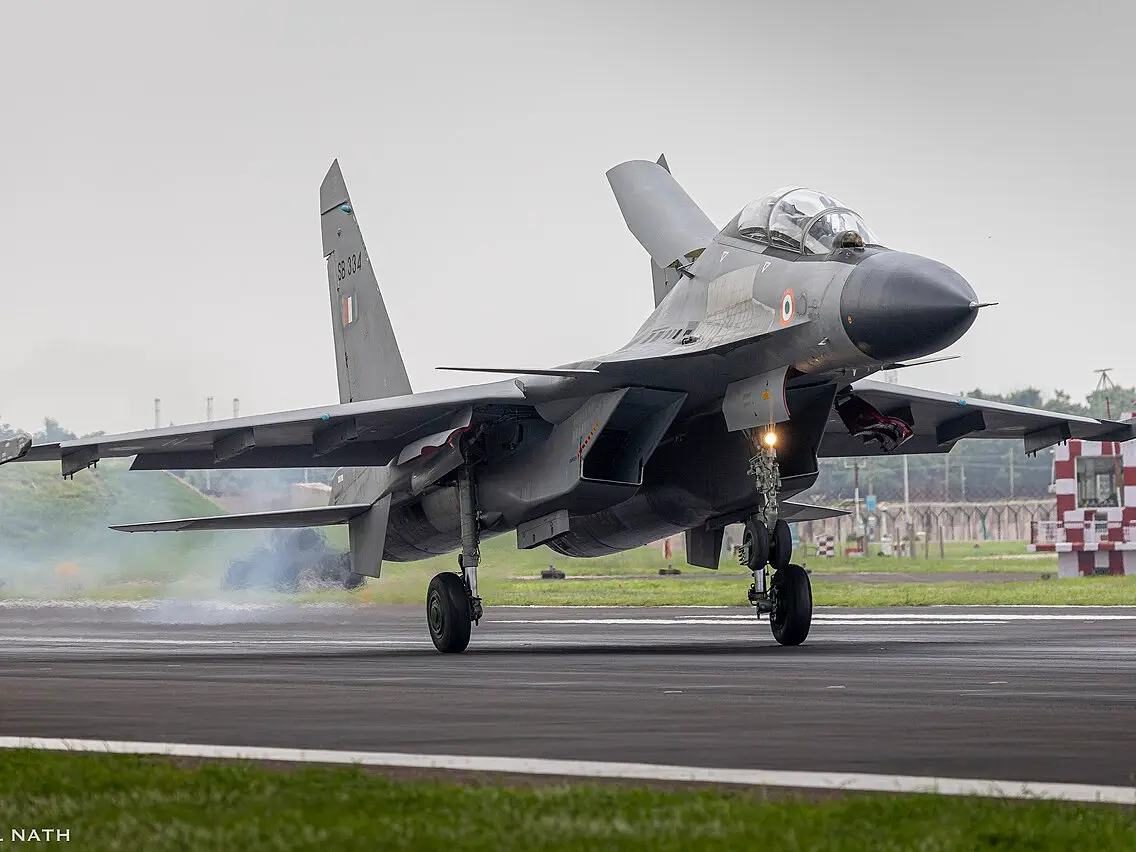
Why the Su-30MKI doesn't need external fuel tanks to fly vast distances
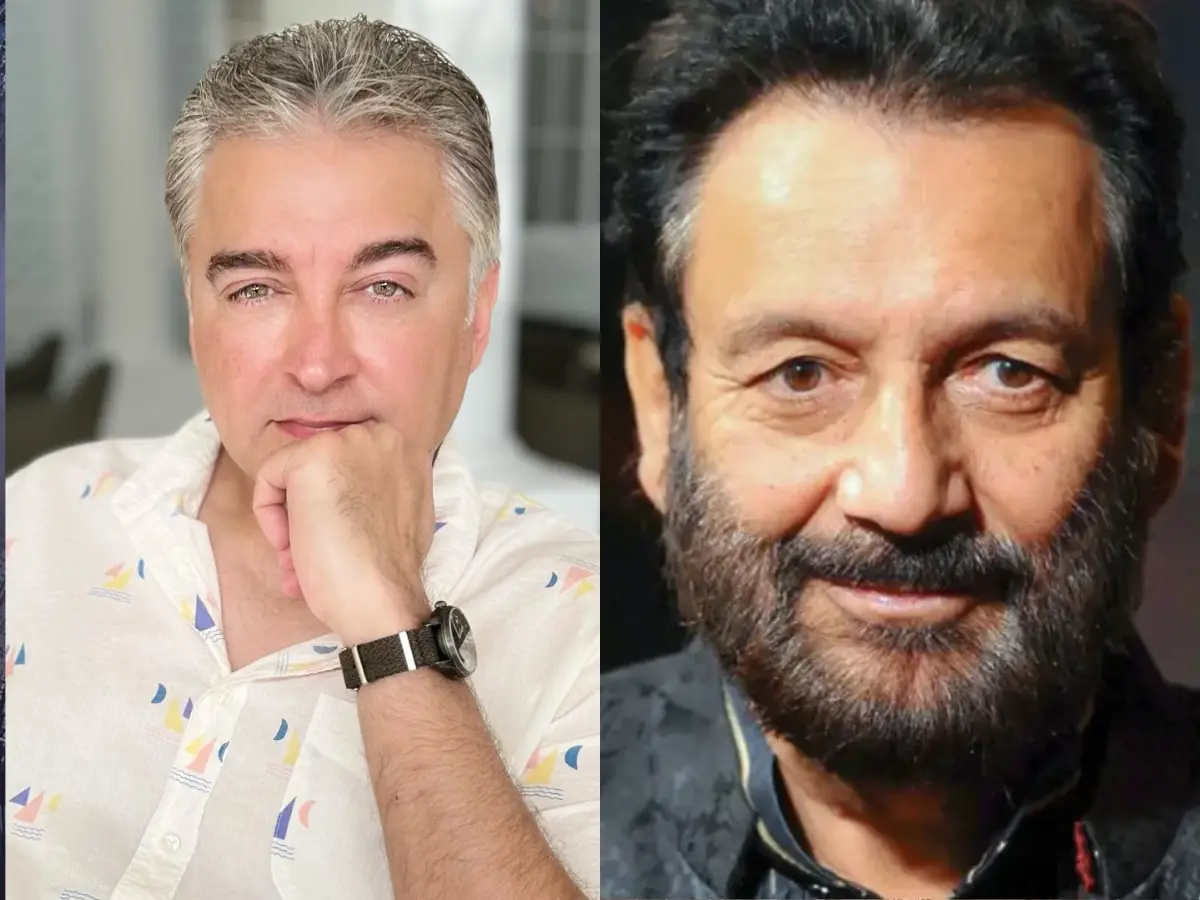)
Jugal Hansraj reunites with Shekhar Kapur after 40 years for Masoom: The Next Generation
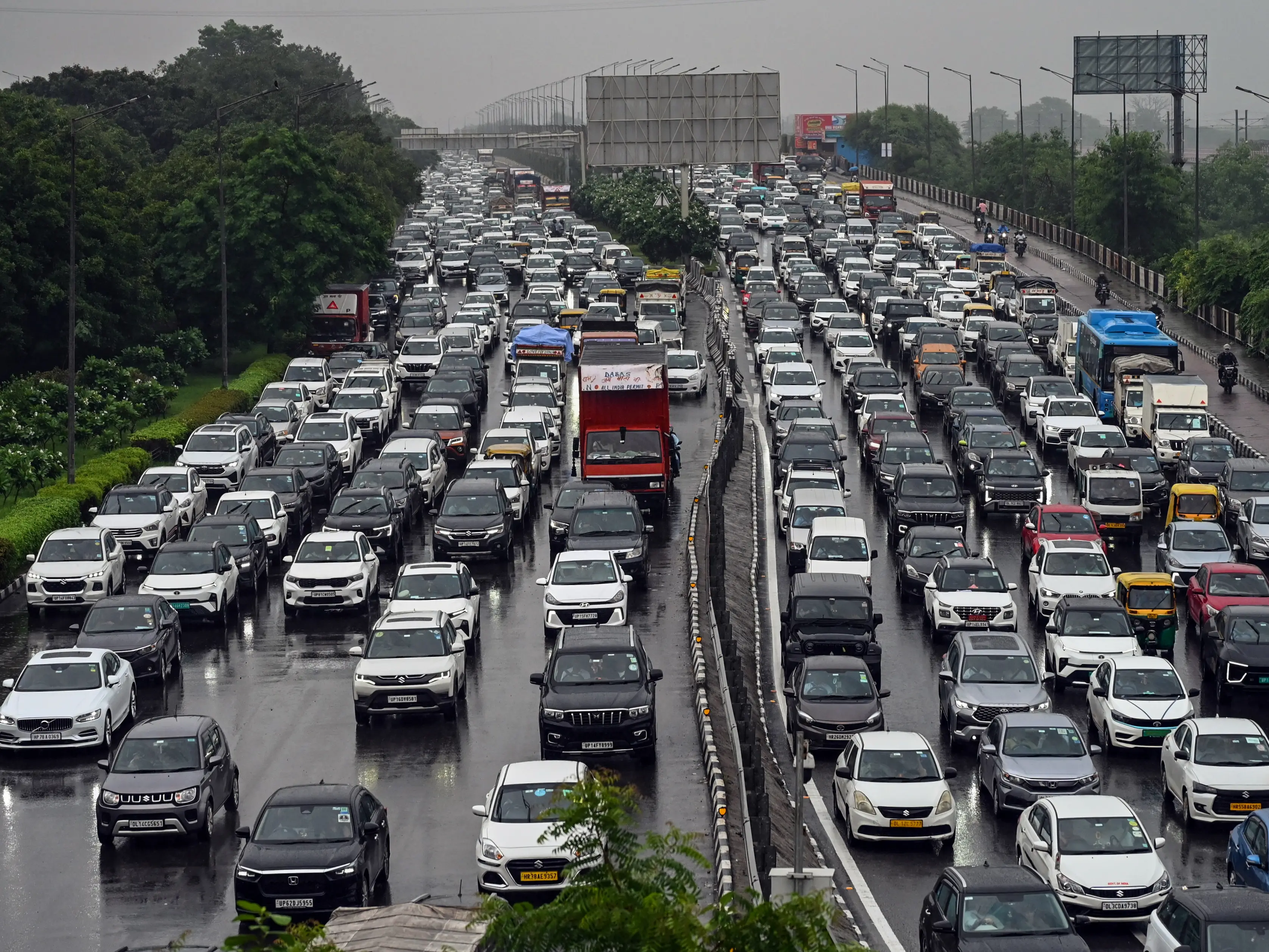)
New speed limits, automatic challans: Big traffic change coming to Delhi-Meerut Expressway. All you need to know
)
India officially names 27 places in Arunachal to counter China's renaming claims
)
Trump calls White House ballroom ruling a 'national disgrace' as court says Congress approval needed
)
US sanctions Iran’s crypto network after Strait of Hormuz attacks, offers $15m bounty for intel on IRGC finance
&im=FitAndFill=(700,400))
Why the Su-30MKI is one of the heaviest fighters ever built
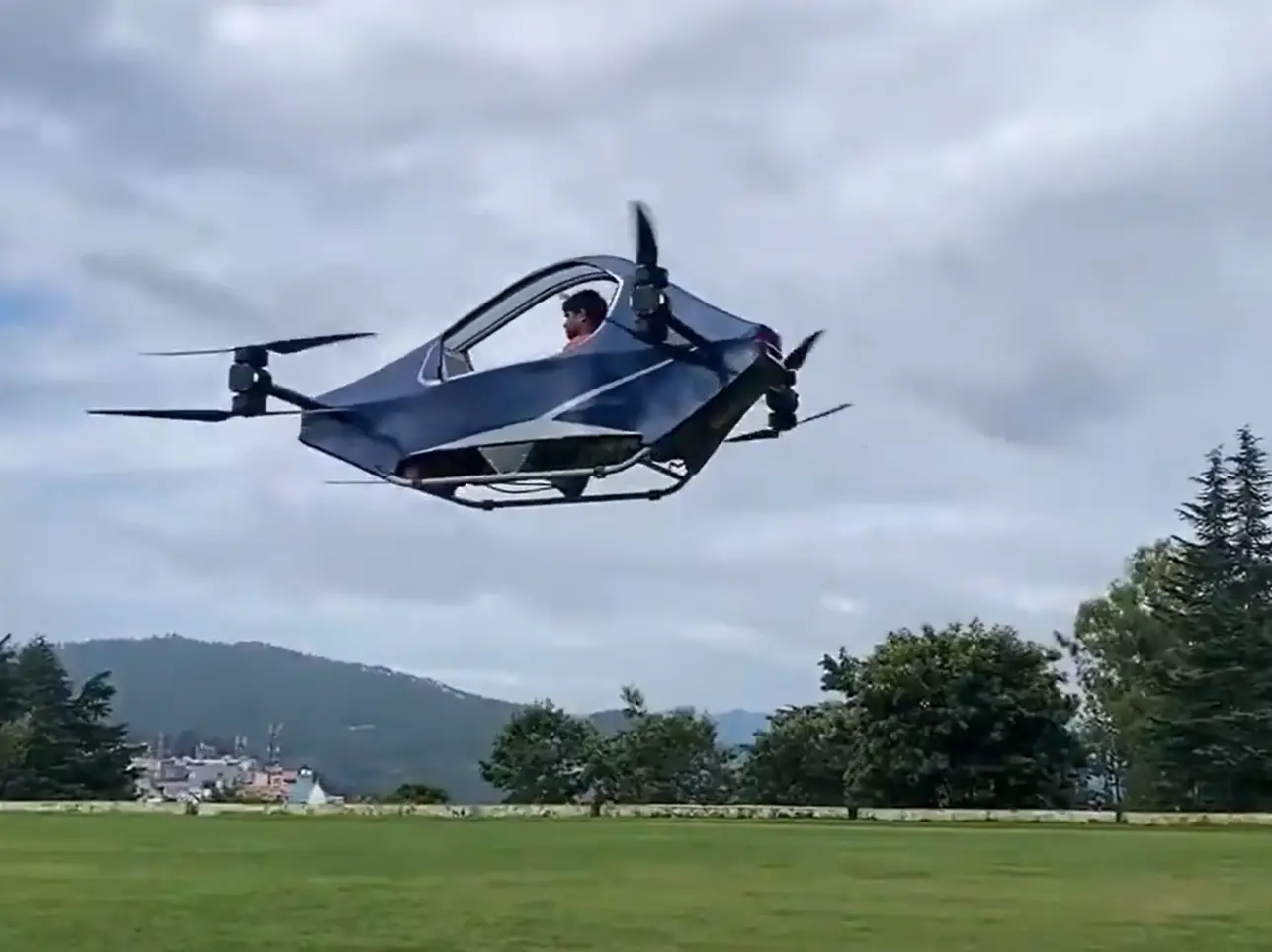)
Uttarakhand young innovator builds India's own flying vehicle, conducts first test flight: WATCH
)
Chilling video shows students take cover as teen opens fire at Thai school
)
Reese Witherspoon's father hospitalised after poolside incident in Nashville: Report
Trump announced that he had issued an executive order, which was not immediately released, on Hong Kong as he predicted decline for the restless city, on which Beijing recently imposed a tough new security law.
"Hong Kong will now be treated the same as mainland China -- no special privileges, no special economic treatment and no export of sensitive technologies," Trump said in the White House Rose Garden.
Trump also said he had signed into law the Hong Kong Autonomy Act, which passed quickly in Congress earlier this month as Beijing pushed ahead with the security law.
The new US law authorises sanctions against Chinese officials and Hong Kong police seen as infringing on the city's autonomy -- and, crucially, any banks that make significant transactions with them.
For months, Trump has blamed China for sending the coronavirus to the United States, saying that China must be “held accountable” for failing to contain the disease. The pandemic has taken a stiff toll on the US economy, endangering Trump’s hopes for re-election in November.
China pledged to increase purchases of US farm and manufactured goods, energy and services by $200 billion (159 billion pounds) over two years as part of the Phase 1 trade deal, but Trump has said the pandemic changed his views on the agreement.He said he has no plans to talk with Chinese President Xi Jinping.
Trump has stepped up pressure on China on multiple fronts, especially on the coronavirus pandemic, news of which Beijing suppressed when the illness first emerged in Wuhan.
Critics both at home and abroad accuse Trump of seeking to divert from criticism of his own handling of COVID-19 in the United States, which has suffered by far the highest death toll of any country.
On Monday, Pompeo also stepped up the tone on the dispute-rife South China Sea, declaring most of Beijing's claims to be illegal.
The Trump administration also last week slapped sanctions on senior Chinese officials over the incarceration of more than one million Uighurs and other Turkic Muslims.
(with inputs from agencies)