Trump invokes Cold War-era law; White House orders private firms to prioritise defense fuel needs

&imwidth=600&imheight=450&format=webp&quality=medium "Trump invokes Cold War-era law; White House orders private firms to prioritise defense fuel needs")
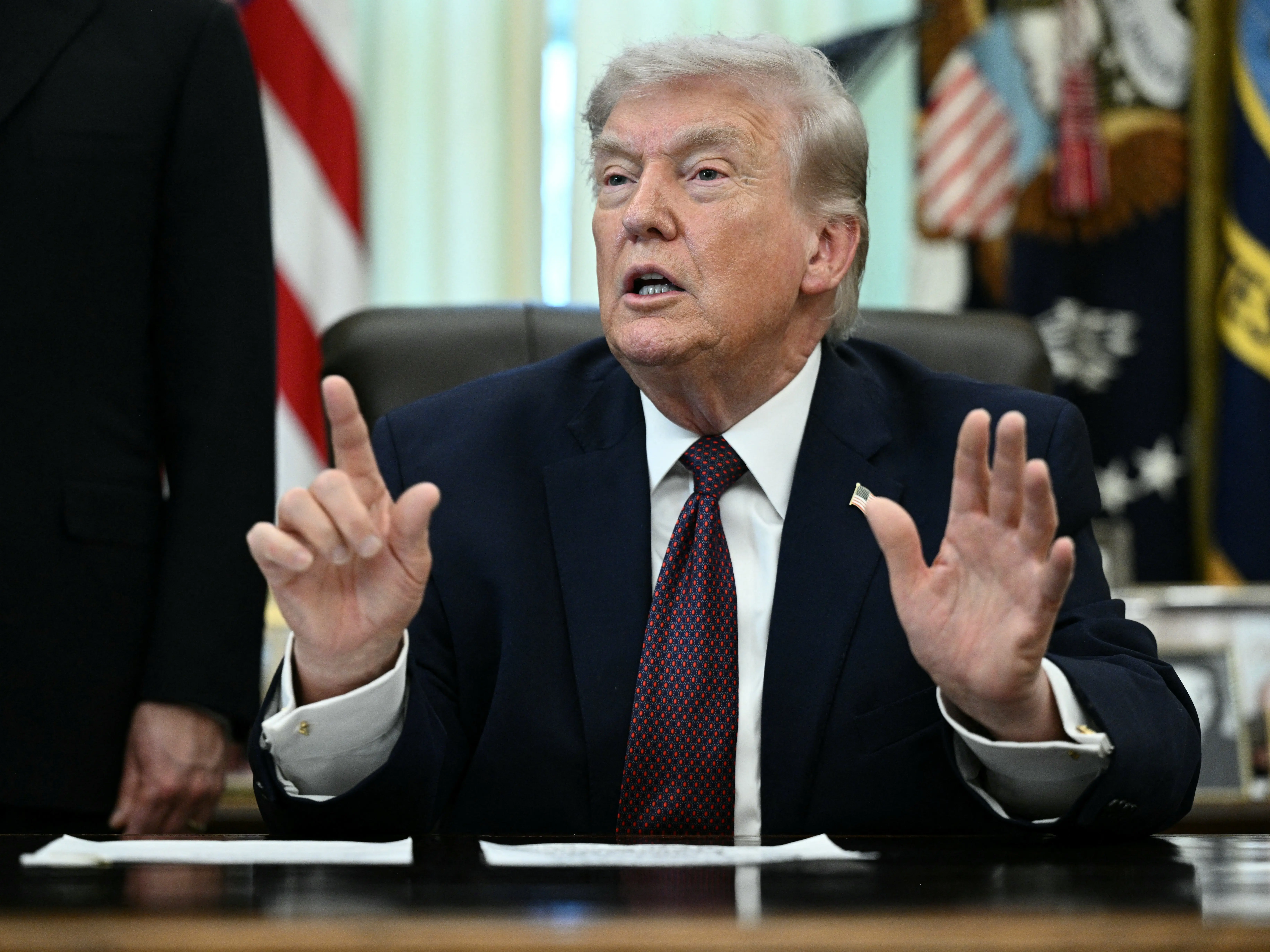
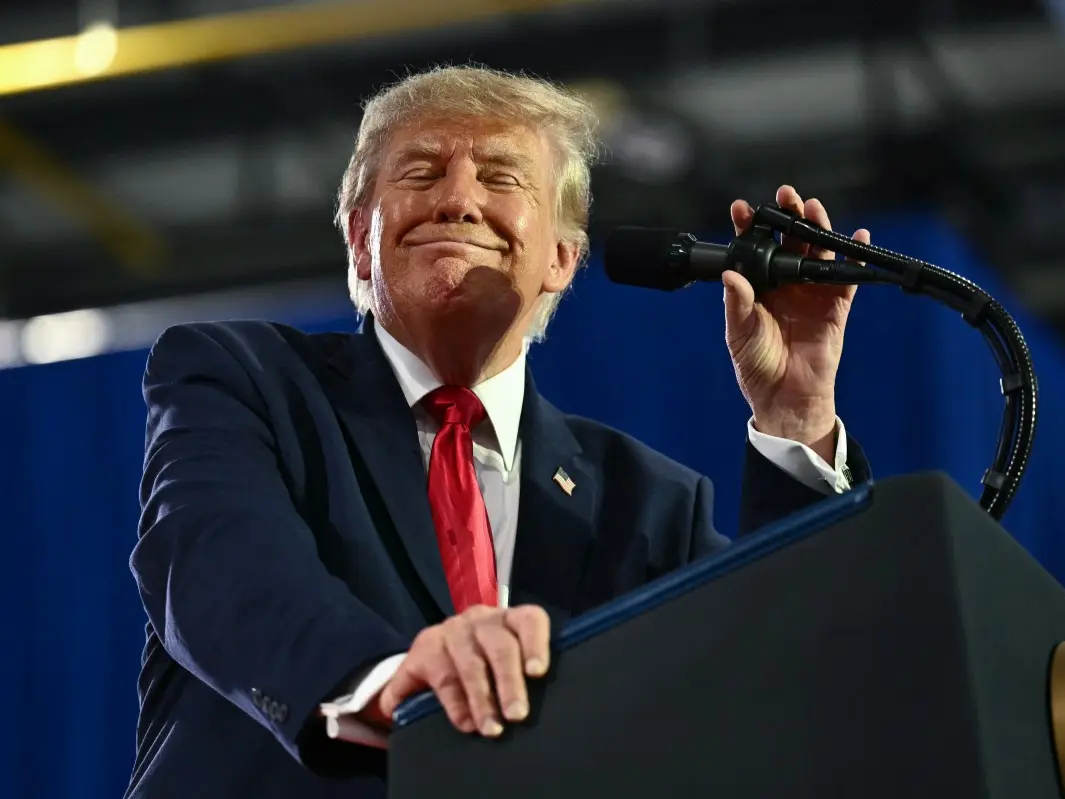
US President Donald Trump speaks after signing an executive order in the Oval Office of the White House in Washington, DC, on March 31, 2026. Photograph: (AFP)
The US is ramping up energy production as the Iran war intensifies. President Donald Trump has invoked emergency powers to boost oil, gas and grid infrastructure under a Cold War-era law.
Scroll down to read more.
US President Donald Trump on Monday (Apr 20) signed a series of memorandums under a Cold War-era security law. These orders, signed amid the Iran war, seek to bolster domestic production of petroleum, natural gas transmission and liquefied natural gas capacity. He also signed memorandums on grid infrastructure and other energy-related infrastructures. On X, White House announced that this would allow "the Department of Energy to use funding secured in the One Big Beautiful Bill to strengthen our grid infrastructure and unleash reliable, affordable, secure energy".
Also read | 'If you attempt to run...': CENTCOM shares video of US troops seizing Iranian vessel M/V Touska | WATCH
Trump declares national emergency, orders oil production expansion amid Iran war
To ensure resilient domestic petroleum production, refining, and logistics capacity, Trump declared a national emergency under Executive Order 14156. The White House, in its release, said that the president has concluded that “action to expand the domestic petroleum production, refining, and logistics capacity is necessary to avert an industrial resource or critical technology item shortfall that would severely impair national defense capability”.
“Petroleum fuels the Nation’s Armed Forces, industrial base, and crucial infrastructure. Without immediate Federal action, United States defense capabilities will remain vulnerable to disruption.”
Rising fuel prices have triggered higher prices in U.S. on a range of goods and services, from airline tickets and housing to fertilizer and groceries.
Trending Stories
&im=FitAndFill=(700,400)&imwidth=280&imheight=210&format=webp&quality=medium)
&imwidth=280&imheight=210&format=webp&quality=medium)
&imwidth=280&imheight=210&format=webp&quality=medium)
&imwidth=280&imheight=210&format=webp&quality=medium)
&imwidth=280&imheight=210&format=webp&quality=medium)
&imwidth=280&imheight=210&format=webp&quality=medium)
&imwidth=280&imheight=210&format=webp&quality=medium)
&imwidth=280&imheight=210&format=webp&quality=medium)
&imwidth=280&imheight=210&format=webp&quality=medium)
&imwidth=280&imheight=210&format=webp&quality=medium)
&imwidth=280&imheight=210&format=webp&quality=medium)
&imwidth=280&imheight=210&format=webp&quality=medium)
&imwidth=280&imheight=210&format=webp&quality=medium)
&imwidth=280&imheight=210&format=webp&quality=medium)
&imwidth=280&imheight=210&format=webp&quality=medium)
&imwidth=280&imheight=210&format=webp&quality=medium)
&imwidth=280&imheight=210&format=webp&quality=medium)
&imwidth=280&imheight=210&format=webp&quality=medium)
&imwidth=280&imheight=210&format=webp&quality=medium)
&imwidth=280&imheight=210&format=webp&quality=medium)
&imwidth=280&imheight=210&format=webp&quality=medium)
&imwidth=280&imheight=210&format=webp&quality=medium)
&imwidth=280&imheight=210&format=webp&quality=medium)
&imwidth=280&imheight=210&format=webp&quality=medium)
&imwidth=280&imheight=210&format=webp&quality=medium)
&imwidth=280&imheight=210&format=webp&quality=medium)
&imwidth=280&imheight=210&format=webp&quality=medium)
&im=FitAndFill=(700,400)&imwidth=280&imheight=210&format=webp&quality=medium)
&im=FitAndFill=(700,400)&imwidth=280&imheight=210&format=webp&quality=medium)
&imwidth=280&imheight=210&format=webp&quality=medium)
&imwidth=280&imheight=210&format=webp&quality=medium)
&imwidth=280&imheight=210&format=webp&quality=medium)
&imwidth=280&imheight=210&format=webp&quality=medium)
&imwidth=280&imheight=210&format=webp&quality=medium)
&im=FitAndFill=(700,400)&imwidth=280&imheight=210&format=webp&quality=medium)
&imwidth=280&imheight=210&format=webp&quality=medium)
Memorandums will 'unleash American energy dominance'
In a statement, White House spokeswoman Taylor Rogers noted that Trump had earlier promised to "fully unleash American energy dominance to protect our economic and national security". She noted that the memos allow the Energy Department to "fully unleash American energy dominance to protect our economic and national security".
They will allow the Energy Department to "to strengthen our grid infrastructure and unleash reliable, affordable, secure energy," she added.
What is the Defense Production Act?
The Cold War-era law gives the US federal government the power to compel private companies to prioritise defence needs. The act was signed by President Harry S. Truman in 1950 amid supply concerns during the Korean War.
The Defense Production Act gives the POTUS the authority to do three things:
- Under Title I, the president can designate certain goods or technologies as "critical and strategic" to national security and require private companies to accept and prioritise government contracts linked to them.
- Title III goes further by allowing the president to step in and strengthen domestic capacity. It can set up mechanisms (regulations, orders or agencies), issue directives, and provide financial backing through loans, grants, or purchase commitments to ensure industries can build, maintain, or expand capabilities needed for national defence.
- Title VII gives the president broader authority to manage the civilian supply chain during shortages, making sure scarce materials and services are directed where they are most needed for defence purposes.
Disclaimer: WION takes utmost care to accurately and responsibly report ongoing conflicts in West Asia involving Israel, Iran, US, Gulf nations and non-state actors like Hezbollah, Hamas, Houthis, Islamic State, and others. Claims and counterclaims, disinformation and misinformation are being made online and offline. Given this context, WION cannot independently verify the authenticity of all statements, social media posts, photos and videos.

