Trump imposes fresh sanctions on Iran after Hormuz ship attacks

&imwidth=600&imheight=450&format=webp&quality=medium "Trump imposes fresh sanctions on Iran after Hormuz ship attacks")
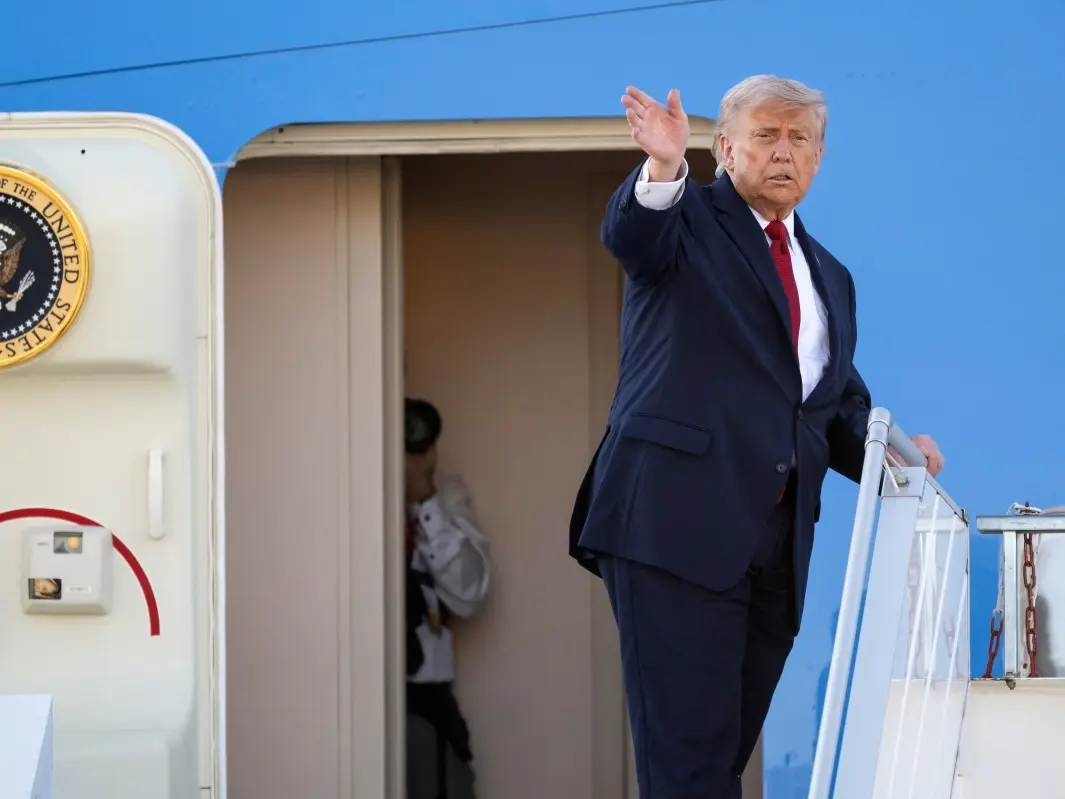
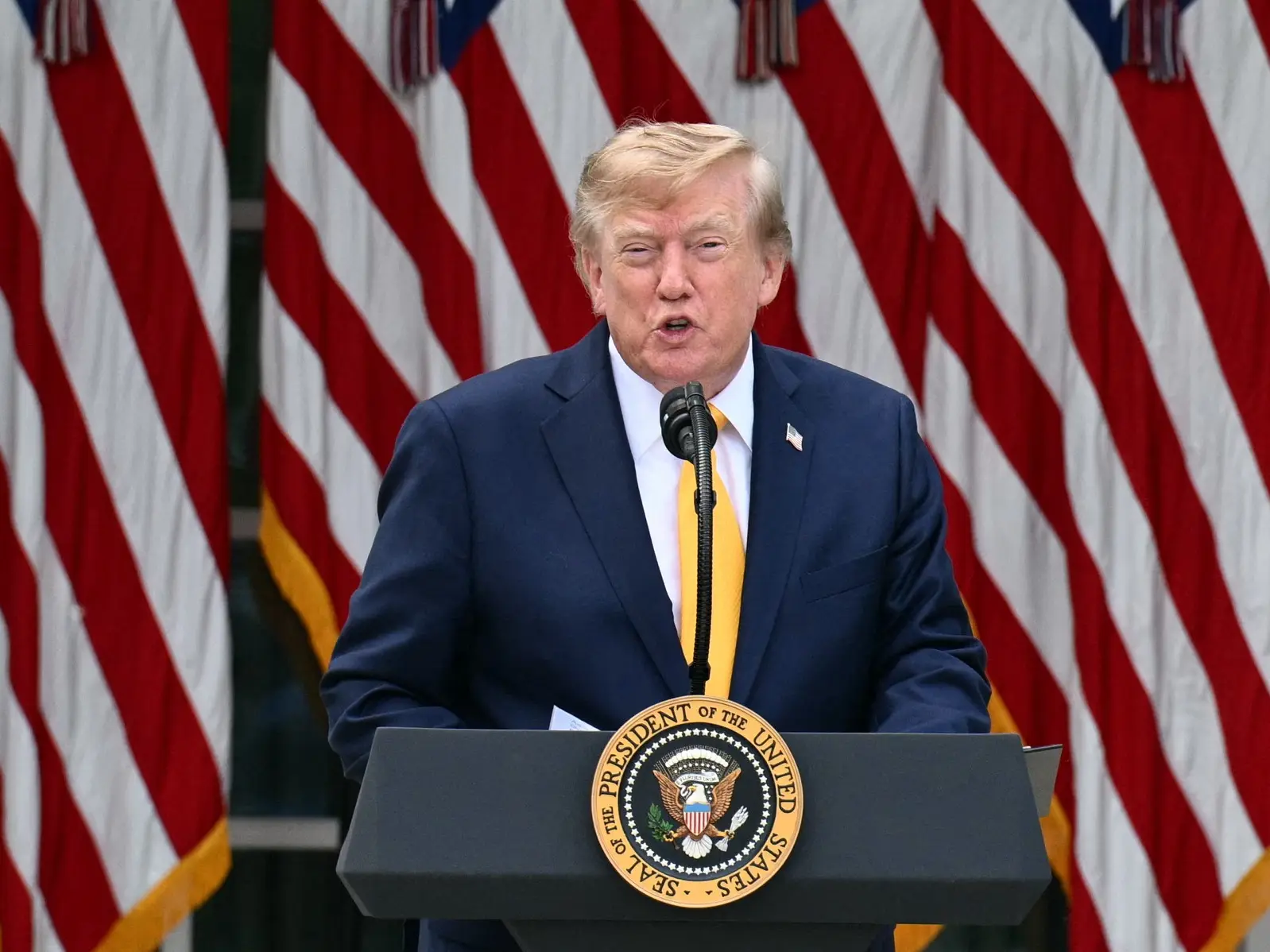
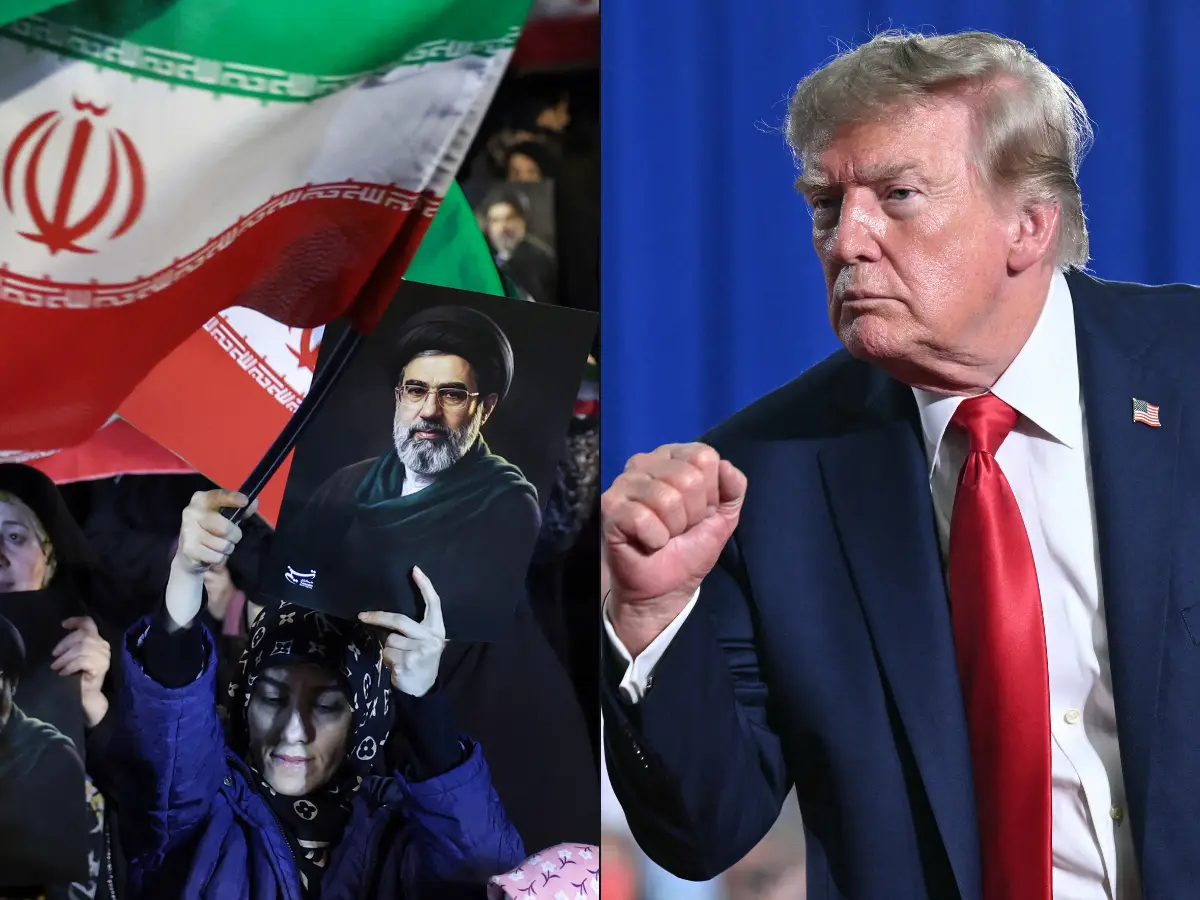
File image of Donald Trump Photograph: (AFP)
The Trump administration imposed fresh sanctions on Iran's financial networks following Tehran's attacks on Strait of Hormuz shipping vessels, amid ongoing regional mediation efforts and rising nuclear concerns.
The Trump administration on Friday (July 10) imposed a fresh round of sanctions on Iran, targeting individuals and financial networks linked to the country's leadership in response to Tehran's attacks on commercial vessels in the Strait of Hormuz earlier this week.
The latest measures mark another escalation in Washington's campaign against Iran following a series of retaliatory steps that have included US strikes on Iranian targets and the withdrawal of a sanctions waiver that had allowed Tehran to sell oil.
According to the US Treasury Department, the sanctions target Iranian financial facilitator Ali Ansari, who it said oversees "a sprawling global network of assets benefitting Iran's leader, Mojtaba Khamenei, and other regime elites". The measures also hit key Iranian exchange houses accused of moving billions of dollars annually on behalf of sanctioned Iranian banks.
Also read: Airport, warships, visas and more: Trump's name added to at least 5 US government initiatives
The sanctions come as diplomatic efforts to ease tensions continue despite President Donald Trump's declaration that the US-Iran memorandum of understanding is "over". Trump nevertheless said talks with Tehran would continue, signalling that Washington remains open to negotiations while maintaining pressure on the Iranian regime.
The latest developments follow a wave of hostilities after Iran targeted multiple commercial vessels in the Strait of Hormuz, disrupting one of the world's busiest shipping routes. While no further US strikes were ordered on Thursday, a US official told CNN that Washington's military strategy has been to conduct limited strikes before pausing to allow diplomacy to succeed.
Trending Stories
&im=FitAndFill=(700,400))
)
)
)
)
)
)
)
)
)
)
)
)
)
)
&im=FitAndFill=(700,400))
)
)
)
)
)
)
)
)
)
)
)
)
)
&im=FitAndFill=(700,400))
Iran, however, warned it was prepared for further confrontation if the United States abandoned its commitments. Chief negotiator Mohammad Bagher Ghalibaf said Tehran was ready for "all-out defense" should Washington violate their agreement, while insisting that ending the conflict remained a global priority.
Regional mediators are simultaneously working to revive negotiations. A diplomat familiar with the discussions told CNN that Qatari negotiators travelled to Iran for talks aimed at de-escalating tensions. Iran's President Masoud Pezeshkian also held a telephone conversation with Pakistan's Prime Minister Shehbaz Sharif, with both Qatar and Pakistan continuing to play key mediation roles.
Amid the diplomatic push, CNN reported that satellite imagery from Vantor showed signs that Iran may be attempting to rebuild parts of its nuclear infrastructure, while Russia's state nuclear energy corporation, Rosatom, has begun returning employees to Iran's Bushehr Nuclear Power Plant.

