Trump’s China visa crackdown puts US universities, Chinese students in focus ahead of Trump- Xi summit

&imwidth=600&imheight=450&format=webp&quality=medium "Trump’s China visa crackdown puts US universities, Chinese students in focus ahead of Trump- Xi summit")
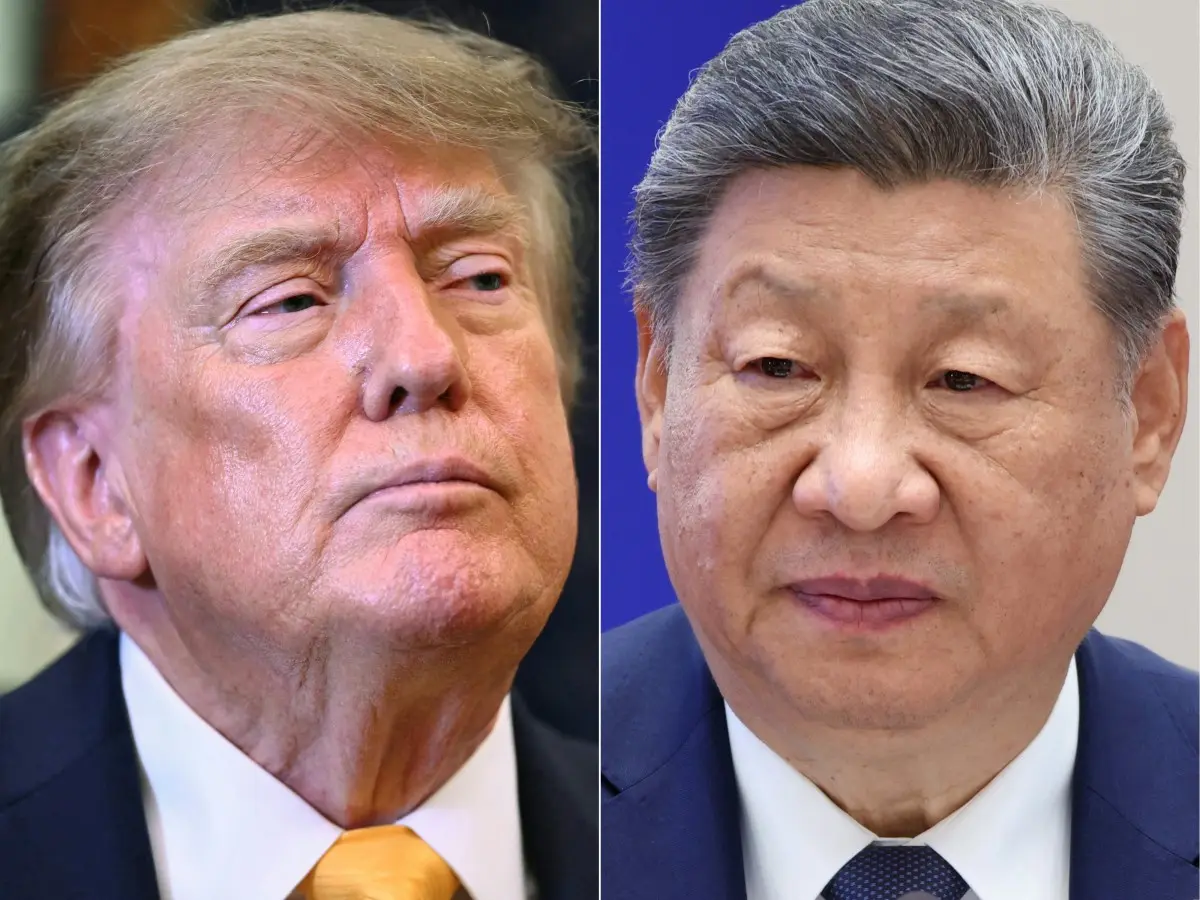
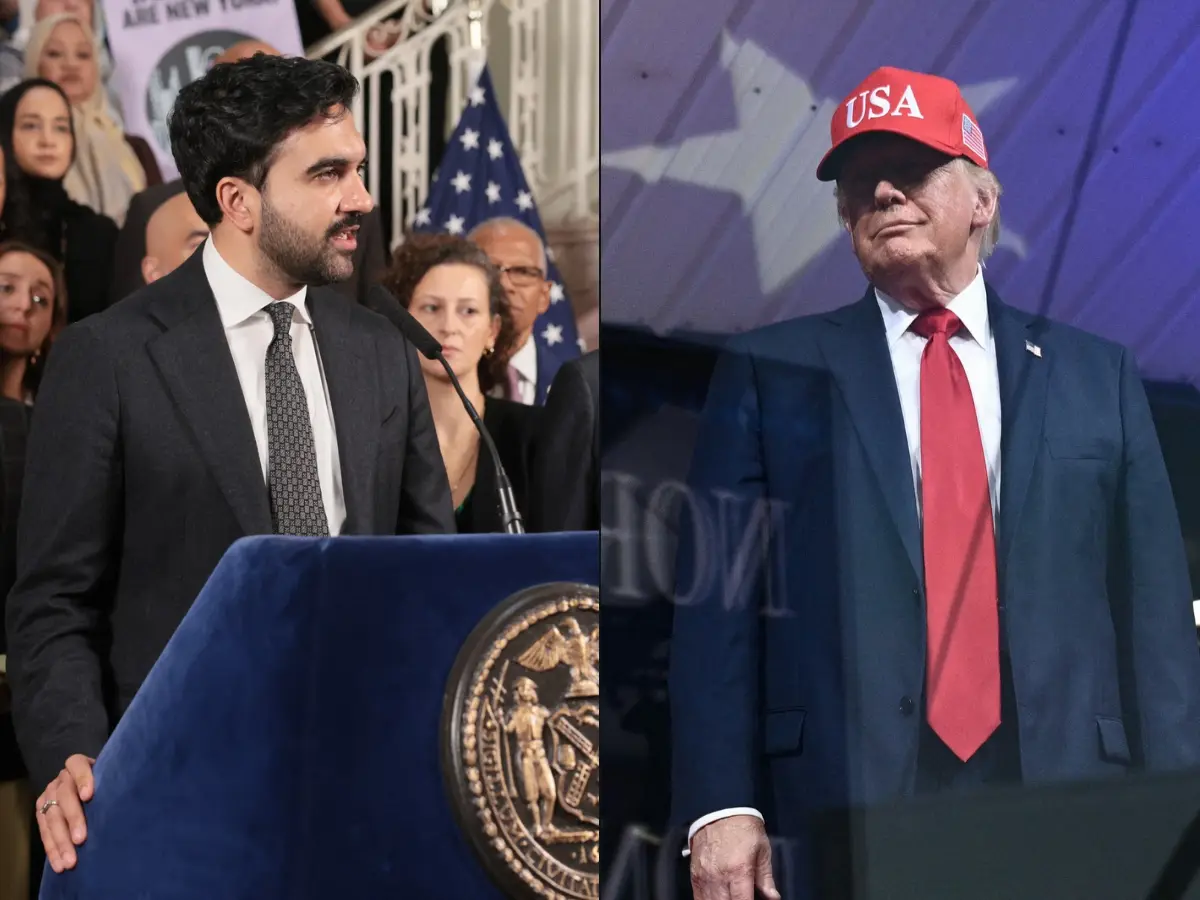
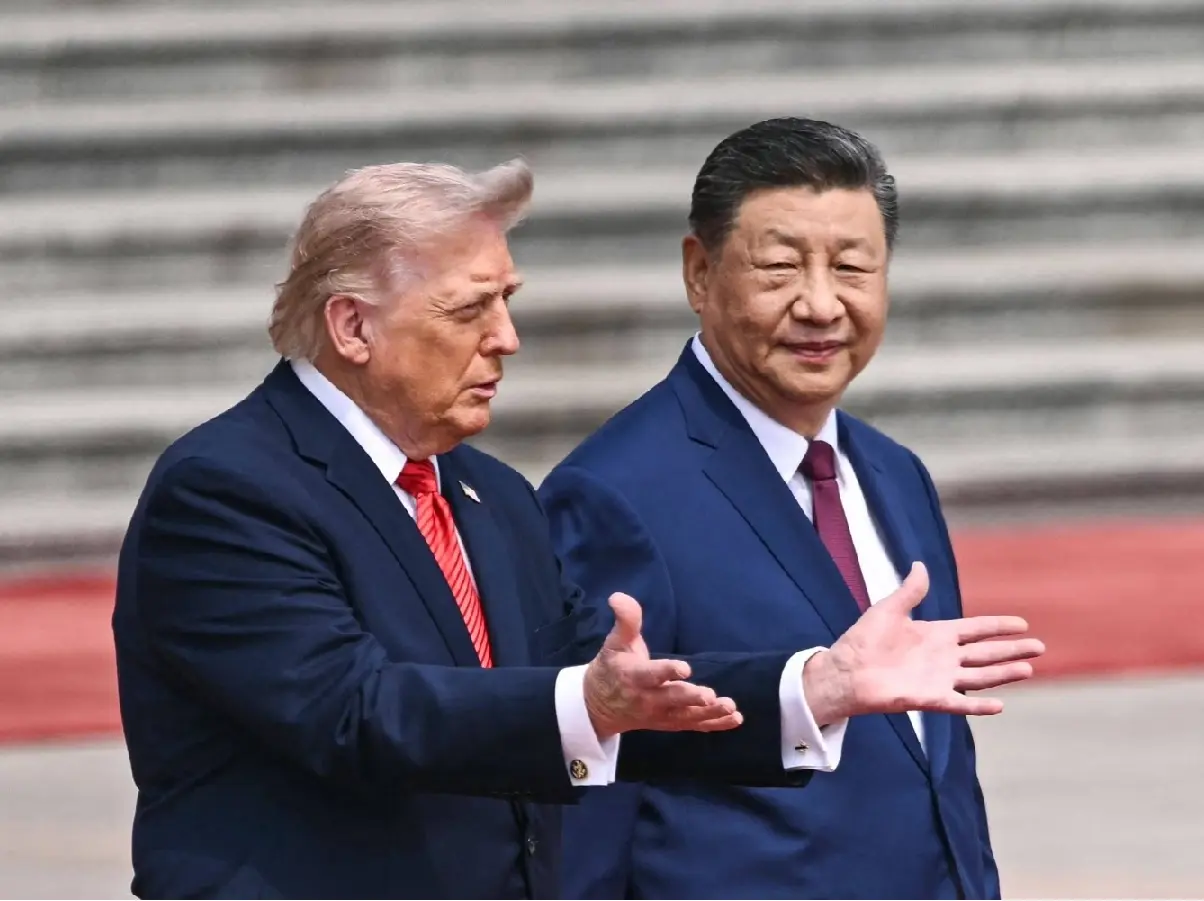
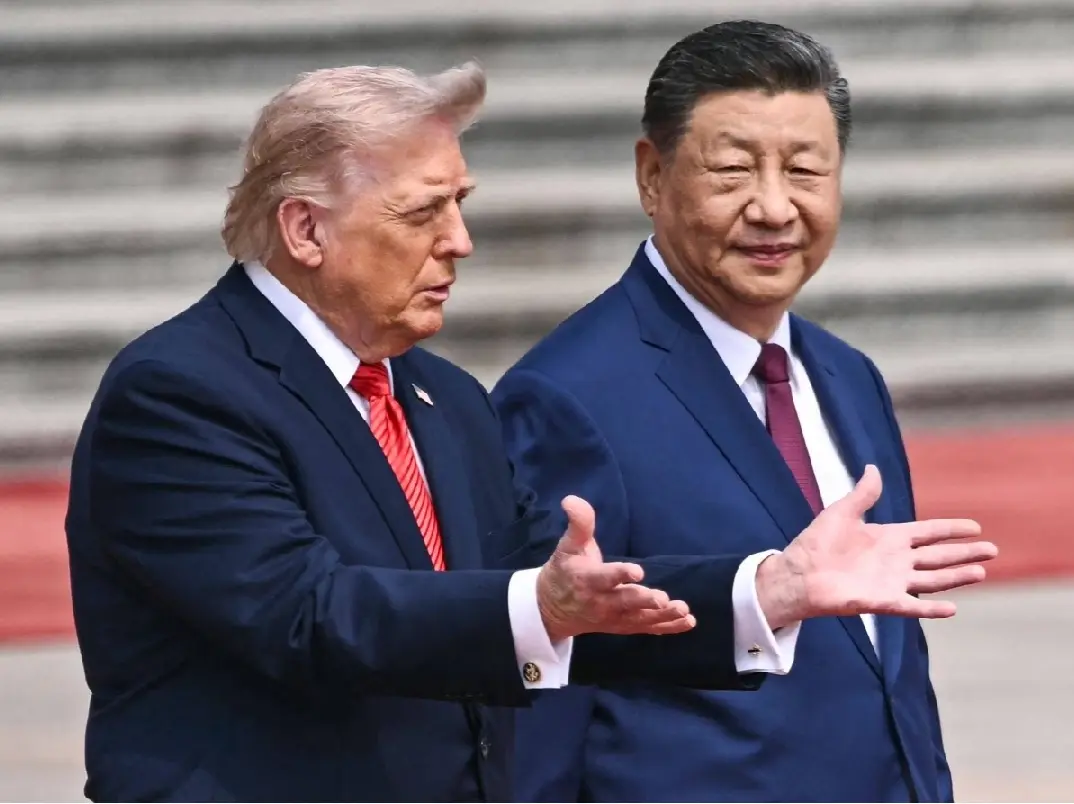
This combination of pictures created on September 16, 2026 shows (L/R) US President Donald Trump in Washington, DC, on September 4, 2026 and China's President Xi Jinping in Bishkek on September 1, 2026. Photograph: (AFP)
The US visa crackdown on Chinese students is raising concerns over research, foreign talent and the economic role of international students.
Roughly 277,000 Chinese students were enrolled at US colleges and universities in the most recent count, generating something like $14 billion for the American economy. Tuition, housing, food- the whole ecosystem that international students prop up on campuses from Boston to Berkeley.
Since last spring, the State Department has been trying to "aggressively revoke" visas for Chinese students with a particular focus on those with ties to the Chinese Communist Party or studying in what the administration calls “critical fields.” The State Department hasn't spelt out the details of what are “critical fields” and what is considered close to the Chinese Communist Party.
In 2025, DHS put out a new visa-vetting rule that leans on specific cases, including one involving a researcher who'd received Chinese government funding for fungal research in Michigan, to justify scrapping the old "duration of status" system, where students could stay as long as they kept up their coursework, in favour of fixed check-in points where immigration officers would periodically reverify everyone.
China has called it "politically motivated," "discriminatory," and proof of American hypocrisy about openness. A survey by the students of 1,300 Chinese students last year found 60 per cent said they'd experienced discrimination or poor treatment while in the US, 72 per cent said they felt unsafe as researchers, and 61 per cent had thought about just leaving.
MIT's Maria Zuber, who co-chaired a congressionally created security roundtable on this issue, testified that the benefits of keeping Chinese students around outweigh the risks. She argued that about 80 per cent of Chinese students who get STEM doctorates in the US are still in the country a decade later, according to a 2021 NSF study, meaning they're becoming part of the workforce. Zuber also pointed out that 43 per cent of people with science and engineering doctorates working in the US were born somewhere else. She argued that without foreign-born talent, the US will be gutting a huge share of American research capacity.
Trending Stories
)
)
)
)
)
)
)
)
)
)
&im=FitAndFill=(700,400))
)
)
)
)
)
)
)
)
&im=FitAndFill=(700,400))
)
)
)
)
)
)
)
)
)
)
)
)
)
)
)
&im=FitAndFill=(700,400))
)
)
)
Though this is not going to dominate the proceedings and headlines in the media, both Xi and Trump know that xenophobia has been amplifying in US society. The summit is unlikely to change the visa crackdown. The US empire will likely treat every Chinese student like a potential spy and potentially risk losing its workforce.