The world is running out of time: Global fossil fuel emissions to hit record high in 2025, warns new study

&imwidth=600&imheight=450&format=webp&quality=medium "The world is running out of time: Global fossil fuel emissions to hit record high in 2025, warns new study")
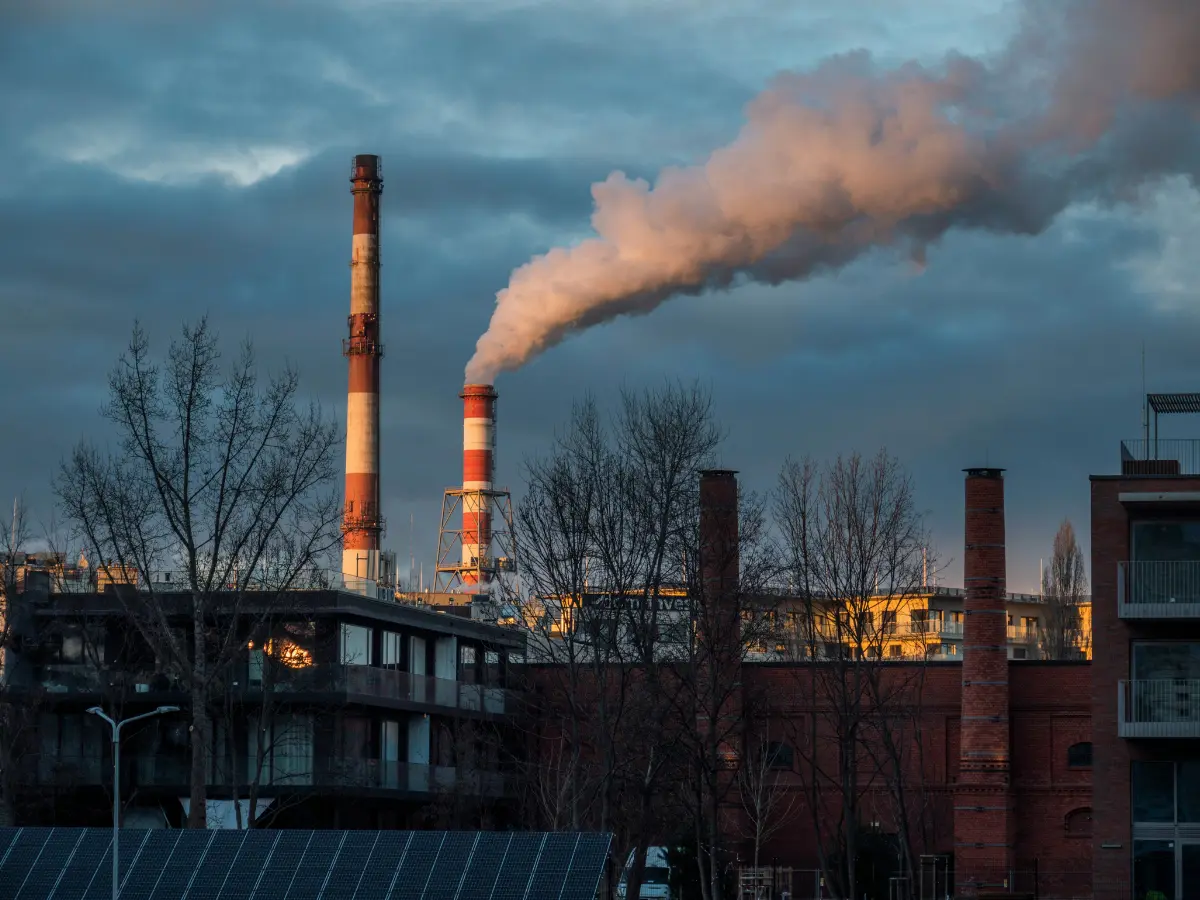
Representative image: Pollution/emissions Photograph: (Canva)
Global fossil fuel emissions are projected to hit a record high in 2025, nearing 38.1 billion tonnes, according to the Global Carbon Budget report. Scientists warn the world has just four years of carbon budget left to stay under 1.5°C, calling current global climate efforts “impossible.”
Global fossil fuel emissions from oil, coal, and gas might reach an all-time peak by 2025, according to fresh data published on Thursday (Nov 13). The new research warns that staying under 1.5°C of climate heating may now be nearly out of reach. The new Global Carbon Budget update came out on Thursday, just as global leaders meet at COP30 in Brazil's Amazon area.
Alarming facts laid bare by research
The Global Carbon Budget report shows CO2 output from fossil fuels like oil, gas, or coal is expected to climb 1.1 per cent in 2025 compared to a year earlier. It predicts that emissions from oil, gas, and coal will soon reach 38.1 billion tonnes, surpassing all past records.
It shows that the emissions are set to rise even though renewables are spreading quickly across the globe. Experts claim the shift to green power is still too slow compared to rising energy needs. According to the report, only about 170 billion tons, equivalent to around four years of today's pollution output, is left of our carbon allowance before the Earth hits 1.5°C above pre-industrial levels.
"This equates to four years of emissions at the current rate before the budget for 1.5 °C is exhausted, so that is impossible, essentially," said Pierre Friedlingstein from the University of Exeter, who led this research.
Trending Stories
)
)
)
)
)
&im=FitAndFill=(700,400))
)
)
&im=FitAndFill=(700,400))
)
)
)
)
)
)
)
)
)
)
)
)
)
)
)
)
)
)
)
)
)
)
&im=FitAndFill=(700,400))
&im=FitAndFill=(700,400))
)
&im=FitAndFill=(700,400))
)
)
)
)
)
)
The 2015 Paris deal pushed nations to keep warming under 2°C, preferably near 1.5°C; still, emissions are climbing in most places. "Collectively, the world is not delivering," noted Glen Peters from CICERO. "Everyone needs to do their bit, and all of them need to do more."
Also read | US offers help, calls Delhi Red Fort explosion a 'terror attack', praises India’s handling of probe
China, which pumps out more pollution than any other country, didn't see a rise in fossil fuel output this year - thanks mostly to growth in solar and wind energy. Even so, Peters noted it's unclear whether China’s "flat" emissions have hit their highest point yet, since coal use continues at a high level. "The balance is shifting towards where you would start to expect emissions to go down, but it will take some time," he said.

