The milestones of Indian Foreign Policy @ 70

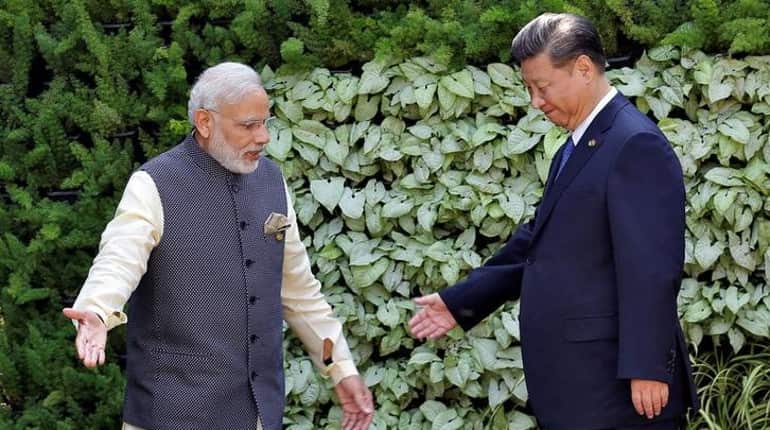
Modi-Xi
India has evolved from a non-aligned state of the Cold War years to a multi-aligned state, wherein it seeks to maintain robust and vibrant ties with a wide and diverse array of global powers.
There is unprecedented turbulence in the world today. India is required to skillfully and nimbly navigate its way through these volatile and precarious circumstances and promote its national interests.
Till the cold war lasted, from the end of the Second World War till the disintegration of the Soviet Union in 1991, the world was divided into two more or less neat sets of powers that were aligned against each other. In spite of the tension, there were certainty and continuity in the world order. There was a large array of countries which were non-aligned but their predilections to choose between the two groups of countries was quite evident.
The whole edifice of international relations, however, came tumbling down with the collapse of the Soviet Union and the emergence of the United States as the single dominant power in the world. India which was feeling stifled because of its perceived closeness to the Soviet camp quickly grasped the opportunity and decisively reached out to the West. Some specific actions in this regard included the establishment of diplomatic relations with Israel, and launch of the ''Look East Policy.'' These decisions were motivated by India's desire to take benefit of the technological and innovative prowess of Israel, and rejuvenate its economy and strategic heft by reaching out to the Asian Tigers and cub economies which had started performing strongly from the early '80s.

This display of increased strategic autonomy and independence of action by India became visible in the nuclear tests conducted by the Vajpayee government in 1998. These culminated in the India-US civil nuclear deal, the framework for which was signed in July 2005 and which crossed the final hurdle with the approval of the unique waiver by the Nuclear Suppliers Group in September 2008.
India's relations with the US and the West were further strengthened when President Barack Obama declared, during his first visit to Delhi in 2010, US support for India's membership in an expanded UN Security Council.
India's vigorous reach out to its partners in all corners of the globe received a huge impetus with the advent of the Modi led NDA government in May 2014. While giving special priority to the neighbouring states, P-5 countries and the middle rung powers, Modi has not neglected Africa or comparatively smaller players.
)
Emmys 2026: Matthew Rhys wins Best Actor twice, sets historic 78-year record
)
3 Italians fly from Delhi to Munich without immigration clearance; Air India gets notice on major security lapse
)
Did India risk its US trade deal despite softer stance at BRICS?
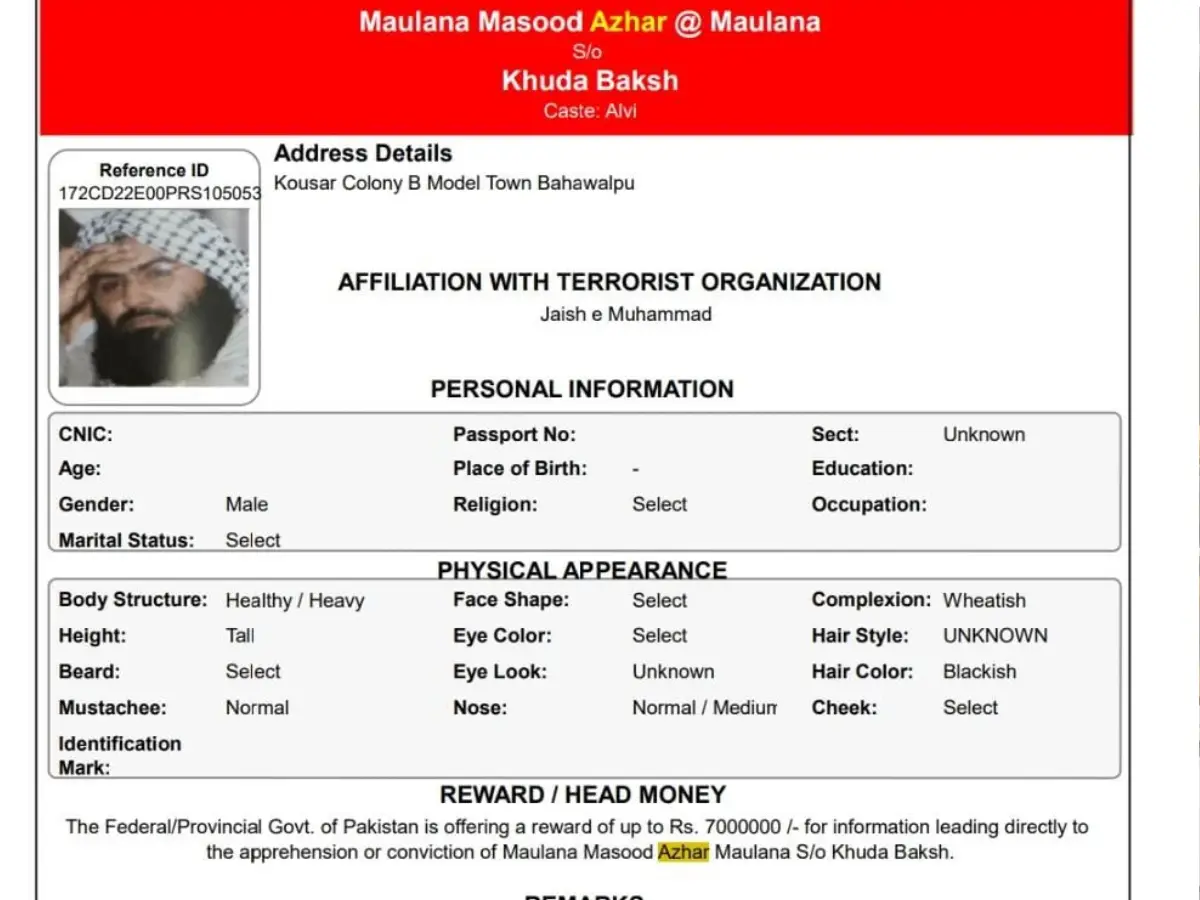)
Pakistan puts Pak Rs 70 lakh bounty on UN terrorist Masood Azhar; move draws skepticism in Delhi
)
‘US ensuring global energy supplies’: Trump demands reimbursement for securing Strait of Hormuz
)
'She married her brother': Ilhan Omar faces criminal probe over immigration fraud claims
)
'Huge destructive power': North Korea calls its latest missile launches 'live-fire drill' even as US dismisses 'immediate threat'
)
Ukraine strikes Syzran Oil Refinery deep inside Russia, fires erupt
)
‘Let’s go’: Newly declassified videos show dramatic rescue of US Air Force officers downed in Iran
)
Emmy Awards 2026: Widow's Bay and The Pitt win in lead categories- check out the complete list of winners
)
Emmys 2026 In Memoriam: Catherine O’Hara honoured by on-screen children Macaulay Culkin, Annie Murphy, Dan Levy; Dolly Parton, Rob Reiner remembered
)
Iran, India agree to deepen humanitarian and political ties, President Pezeshkian says
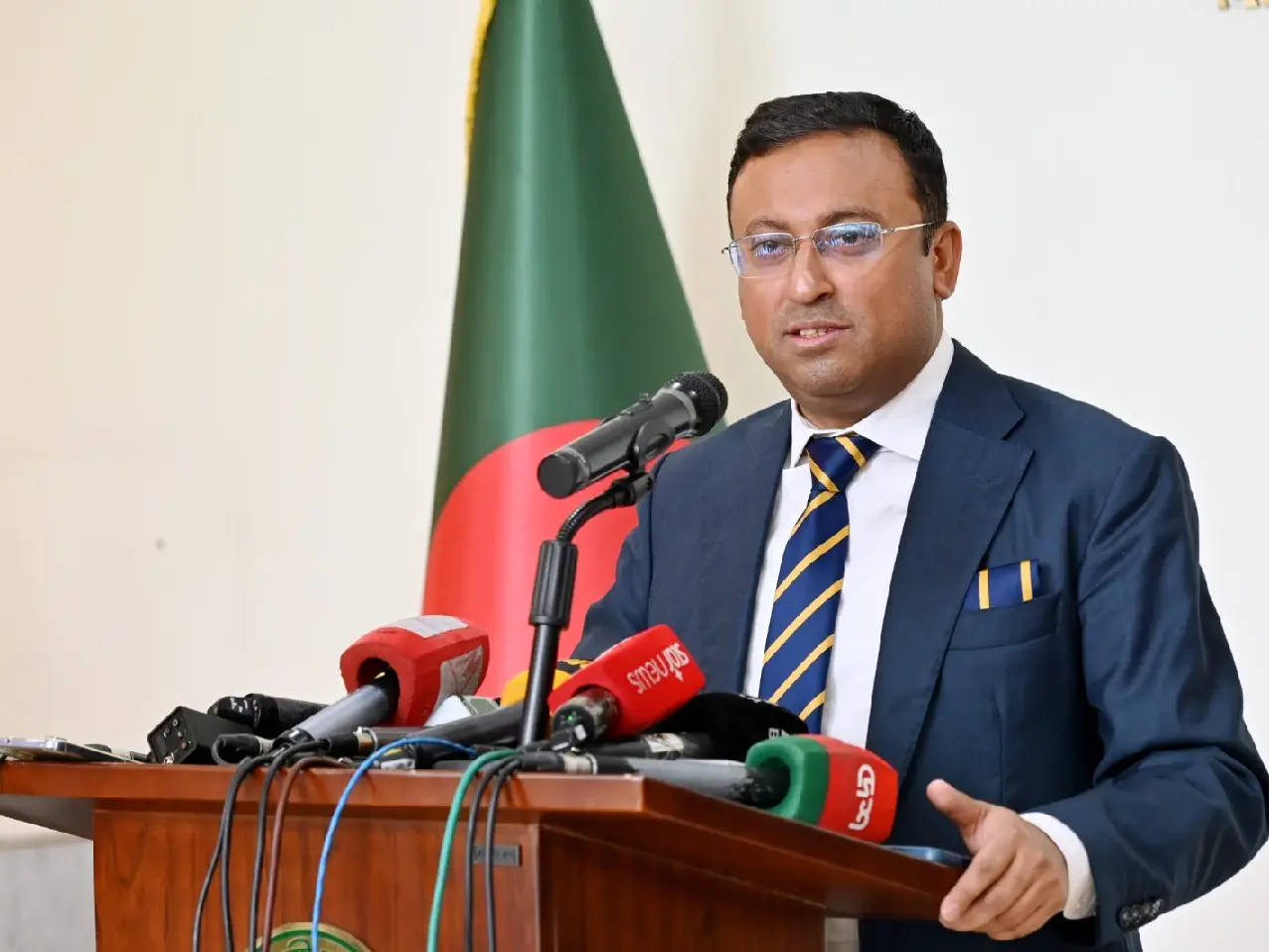)
‘Want to reset ties with India, have engagement based on mutual interests,’ says Bangladesh minister
&im=FitAndFill=(700,400))
Emmys 2026 Red Carpet: Zendaya, Nicole Kidman and Julia Garner lead the glamour peak
)
Turkish Airlines plane flies through a storm three times, triggering severe turbulence
&im=FitAndFill=(700,400))
Why Chinese PL-15 air-to-air missiles use dual-pulse motors compared to European interceptors
)
What is Hyrox, in news for athlete who soiled herself, but kept running and using common equipment?
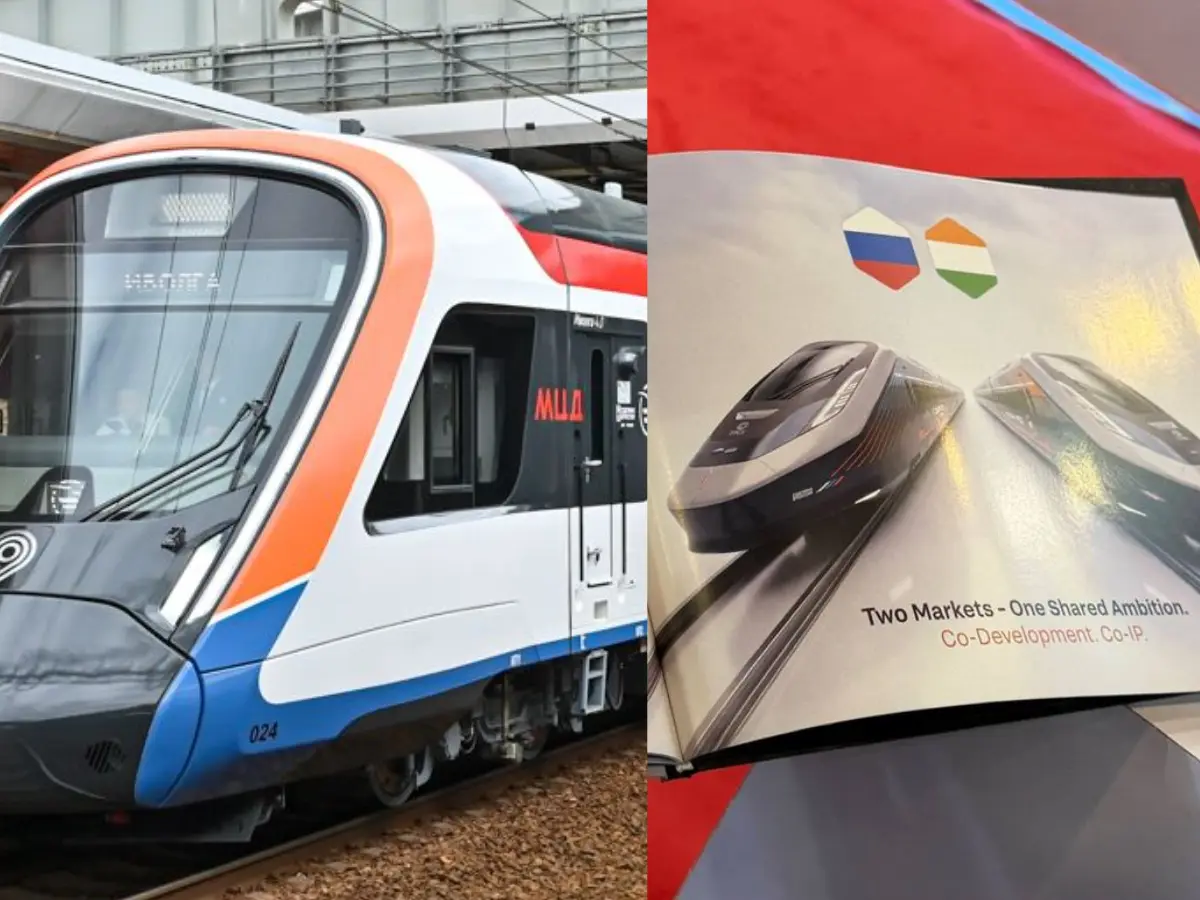)
Russia proposes to build 360 kmph Ivolga FG trains in India: What happened on sidelines of BRICS
)
800 million years old - Scientists discover 'fingerprints' of supercontinent Gondwana in ancient rocks
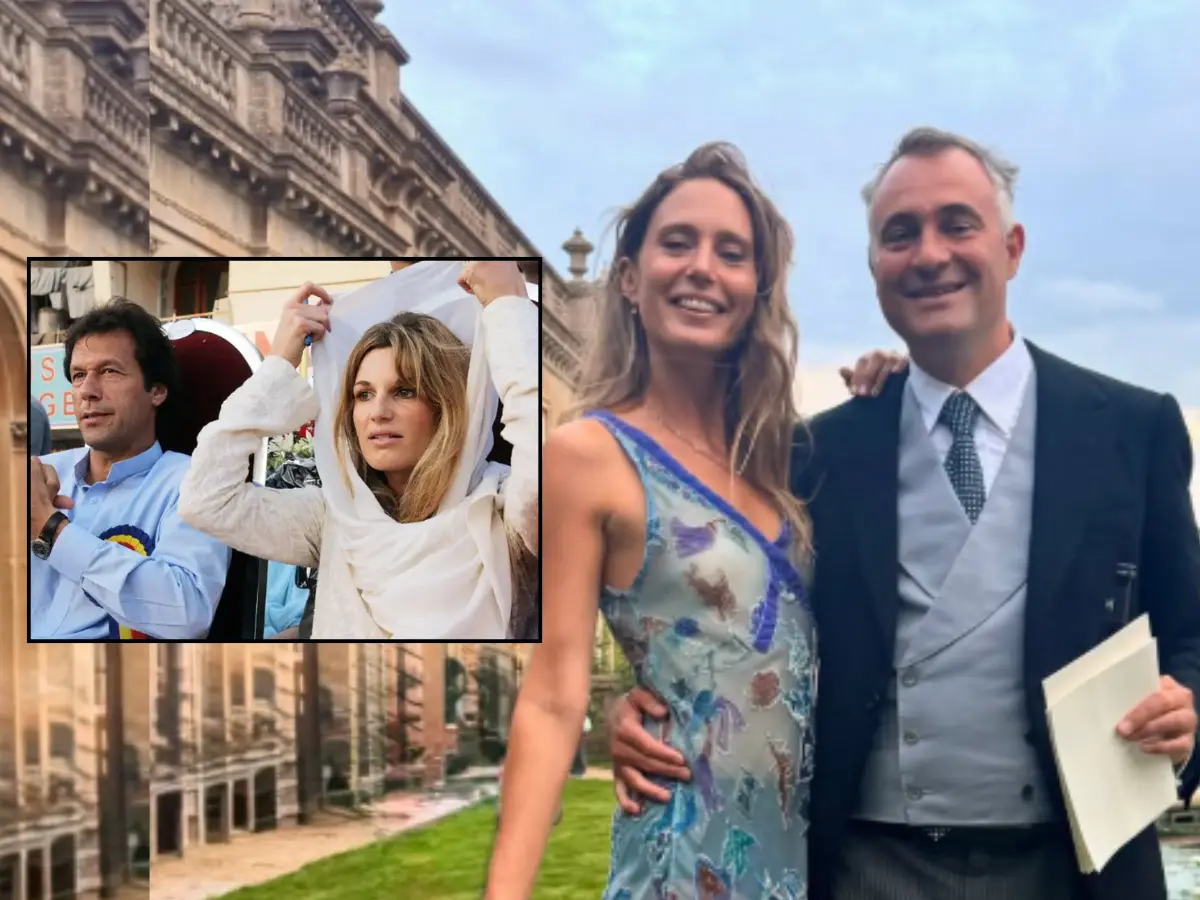)
Former Pak PM Imran Khan's ex-wife Jemima Goldsmith marries Australian financier: Who is Cameron O'Reilly
)
Plane carrying prominent figure crashes at Libya’s Misrata airport: Report
)
UPI payments up to Rs 2,000 to stays free, but bigger transactions may soon cost you: Govt
&im=FitAndFill=(700,400))
New OTT releases this week (September 14-20, 2026): Lust Stories 3, Waiting Hai, Irumudi- 5 new titles coming on Netflix, Prime Video and more
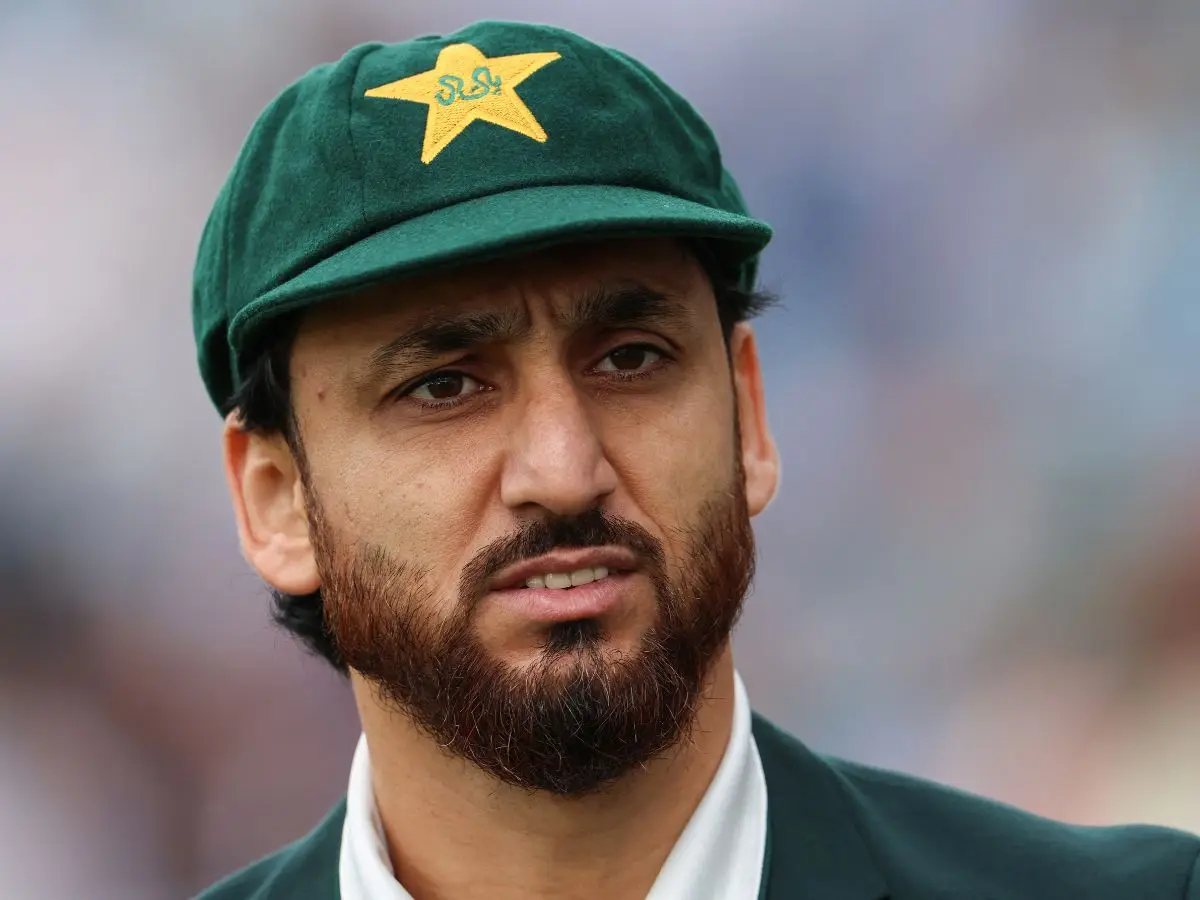)
Sent home midway from UK tour, Pakistan's Salman Agha hits 300* in domestic return
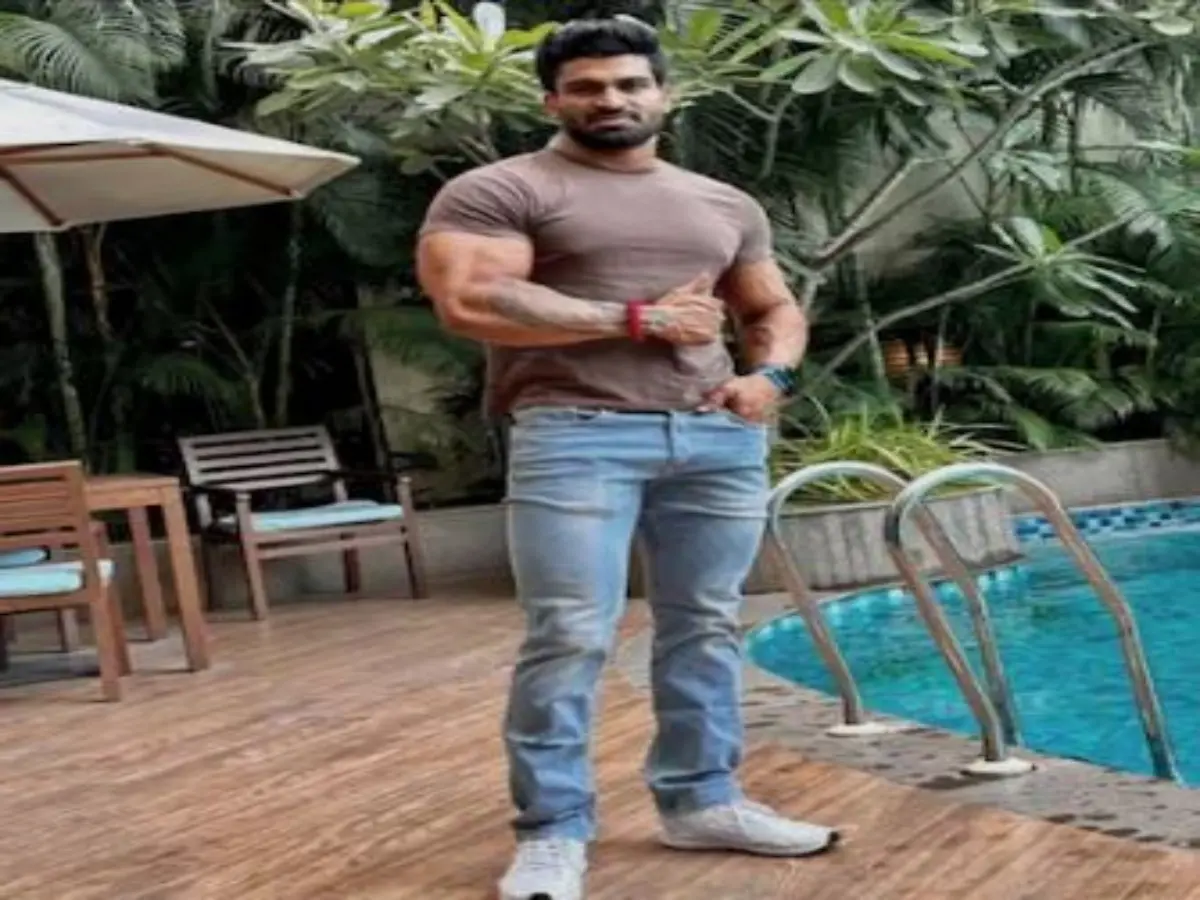)
Who is Kalyan Bainsla, accused in the Gurugram hit-and-run case involving woman biker?
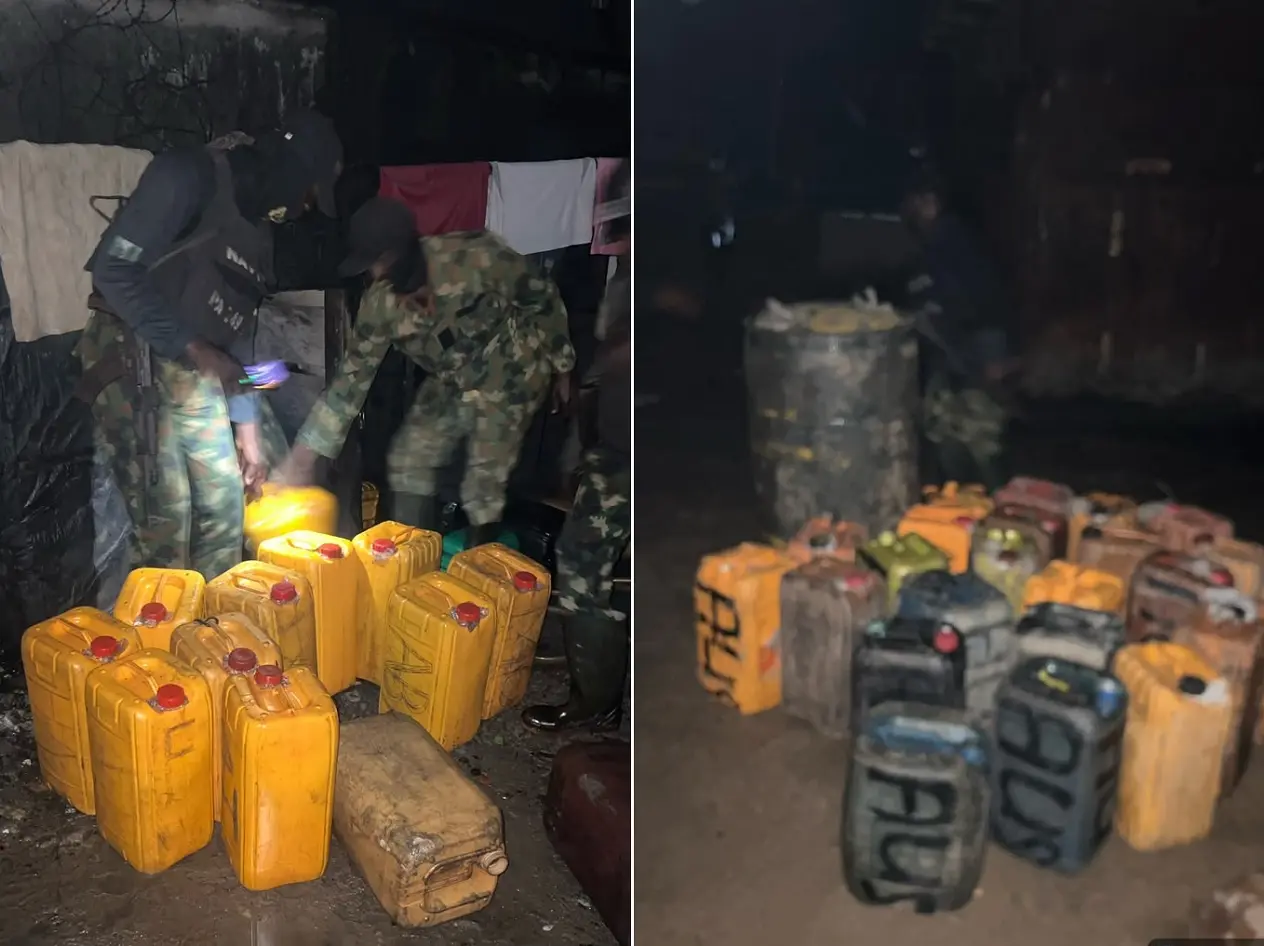)
Nigerian Navy seizes 10,000 litres of suspected illegal fuel in Rivers State crackdown
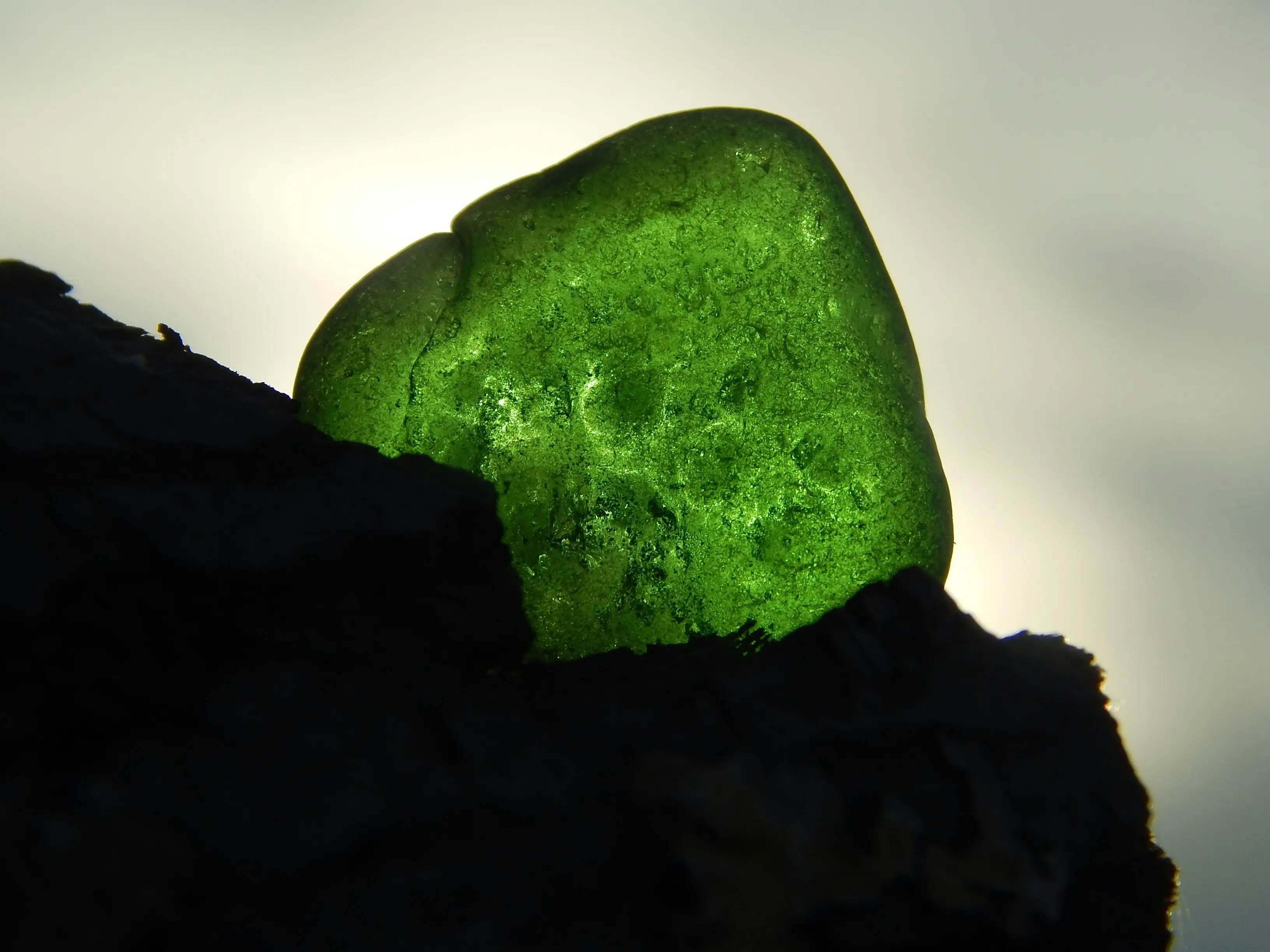)
Saudi Arabia discovers 110 million tonnes of Uranium-rich ore in Madinah region
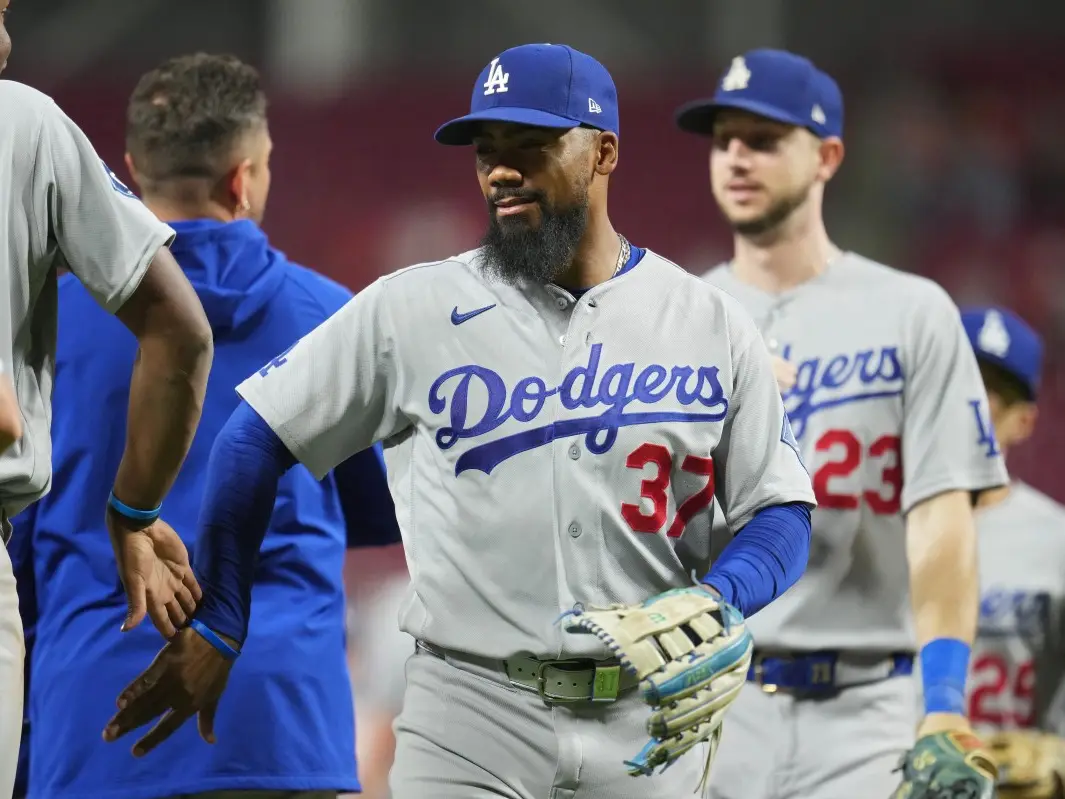)
Dodgers beat Reds for playoff berth in bid for third consecutive World Series
)
Ecstasy tablets are rage in 'drug haven' Libya | Gravitas
)
'Now Trump is copying us': Shivakumar links US $5,000 plan to Congress guarantees
)
Video of Pakistani lawmaker struggling to read English tribute to Jinnah goes viral - WATCH
)
Trump downplays China's alleged 'help' to Iran in strike on Jordan base | Gravitas
)
Trump loses Supreme Court battle over mail ballots ahead of US midterms: What happened?
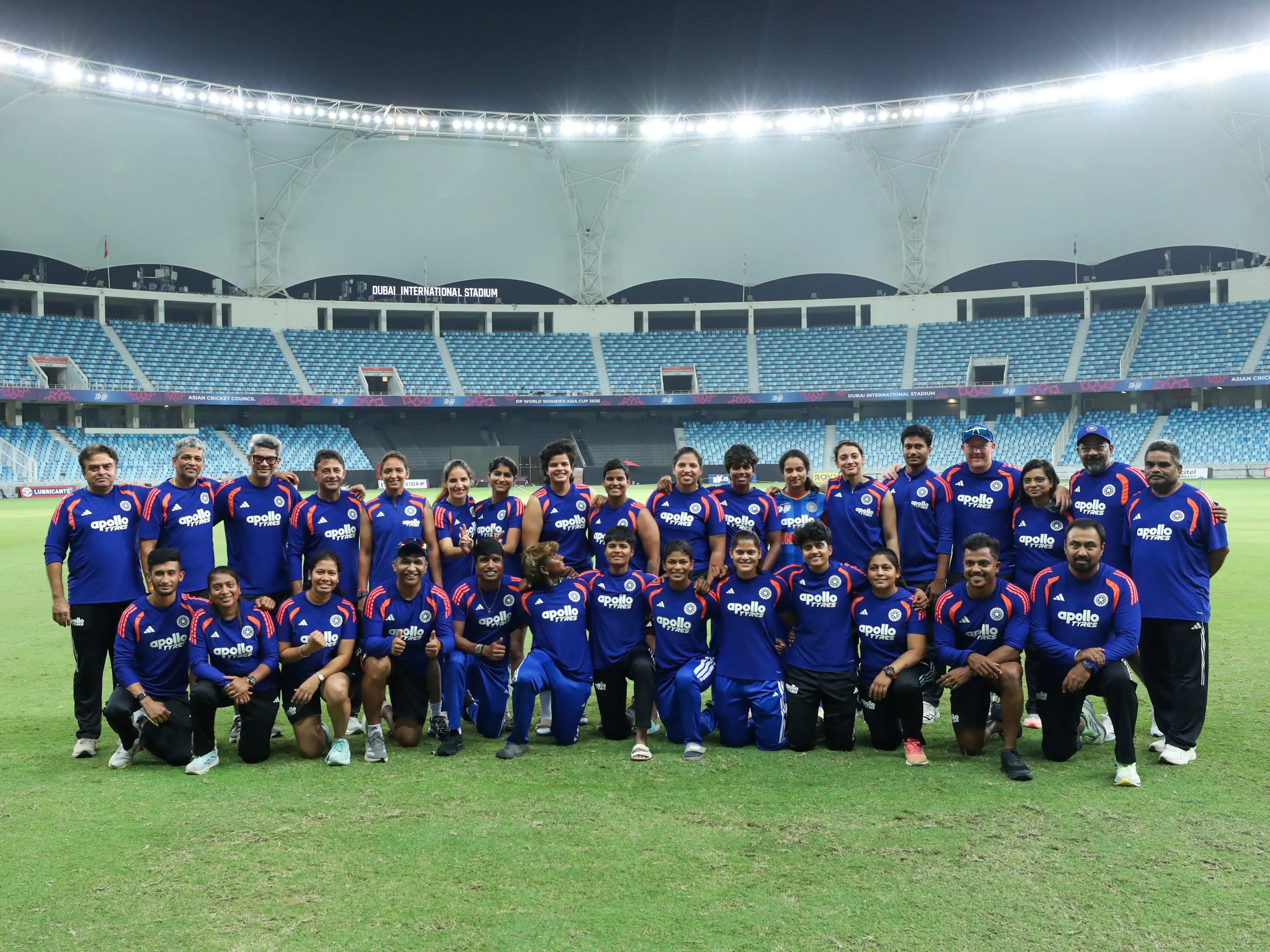)
BCCI VP Rajeev Shukla says Mohsin Naqvi 'did not object' India refusing trophy from ACC chief
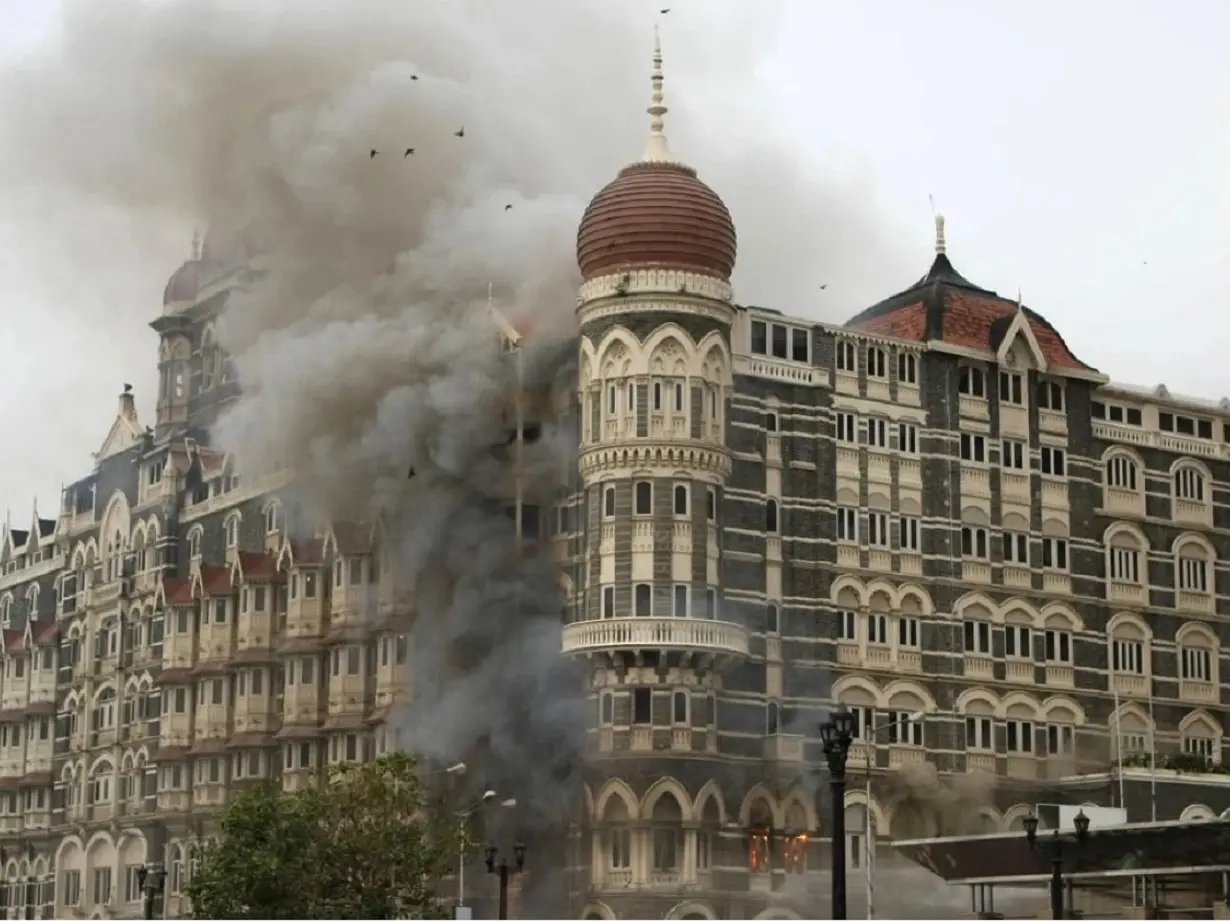)
Photographs, LeT labels vanish from two 2008 Mumbai attack entries in Pakistan’s most wanted list
)
Delhi govt to roll out ₹13,820 crore development projects under Seva Sankalp Abhiyan: CM Rekha Gupta
)
UK man admits drugging, raping wife for 20 years in shocking abuse case
)
Extreme warming in Indian Ocean added 695 billion tons of ice to Antarctica ice sheet
)
China thinned Himalayan troop presence in 2025, India defence report says; terms border situation 'stable'
The United States received special attention by Prime Minister Modi. This resulted in Obama becoming the first US president to visit India twice during his tenure. He was also the first US President to be the Chief Guest at India's Republic Day Celebrations in January 2015. As Modi declared during his Address to the US Congress in June 2016, a strong India is in the interest of USA and also that India has overcome the ''hesitations of history'' in forging closer and stronger ties with America. While earlier there might have been a concord of values between the two democracies, today there is also a strong convergence of interests.
India has also reached out to Russia to bring the partnership on a more robust and substantive plane. The India-Russia summits in 2016 at Goa and in 2017 at St Petersburg have imparted a huge fillip to bilateral ties. In addition to promoting political and strategic understanding to jointly fight terrorism, concrete steps have been taken to promote collaboration in nuclear energy, defence acquisition and to joint production of state of the art defence equipment, fossil fuels, and space research.
India, however, needs to accept the fact that Russia's ties with Pakistan are warming. Also, Russia has reached out to the Taliban with the intention of engaging it in finding a solution to Afghanistan security issue. While sensitizing Russia on India's concerns on both these issues at every available opportunity, India should continue to strengthen and expand its partnership with Russia.
While India's relations with most neighbours have improved and witnessed an upward trend, those with China and Pakistan have visibly come under increased stress. With Pakistan, the fundamental bottleneck is the latter's support for terrorism. Relations can get better only when Pakistan abjures the use of terrorism as an instrument of its foreign policy.
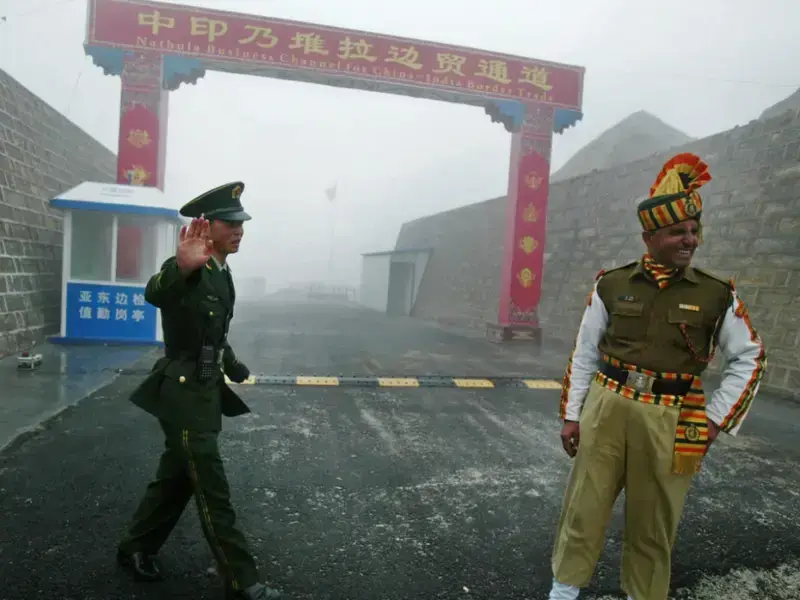
With China, India has taken several initiatives to improve ties, only to be met with rebuff. China looks upon India as its strategic adversary and sees itas the only power which can challenge its rise to dominance in Asia and globally. It is in a hurry to attain the Middle Kingdom status which it feels it has lost because of the ''century of national humiliation'' and due to unequal treaties imposed on it by foreign powers.
The Doklam standoff is only a symptom. It is not the cause of tense relations between India and China. While India feels that there is adequate space - political, strategic and economic - for the two countries to grow and realise their potential, China considers it to be a zero sum game. China would like to scuttle and stunt India's growth at every possible step. Only this can explain its decision to abort India's membership of UNSC, of NSG, to block proscribing Azhar Masood as a terrorist by UN, and its use of most abusive and insulting language against India in the Doklam face off episode.
On the contrary, India has conducted itself civilly. A new matrix of ties with China will have to be worked out in the coming days because irrespective of the manner in which the Doklam issue is resolved, relations between India and China will never be the same. It cannot continue to be business as usual.
India has reached out proactively to a number of increasingly important middle powers like Japan, Germany, France, UK, Australia, Canada, South Africa, Israel, Iran, Saudi Arabia, UAE, Singapore, Vietnam and others to create a web of partnerships that are mutually beneficial to India as well as to these countries.
In addition to promoting India's influence and voice in international affairs, one of the significant objectives of Modi's foreign policy is to harness the strengths of its foreign partners to India's benefits. The goal is to promote India's economic development through getting help in technology, capital, management practices, and professional training. India's foreign policy initiatives are now closely tied to major national initiatives, such as Make in India. Smart Cities, Skill India, Digital India, Clean India, among others.
In addition, Modi visited several other countries, such as Mongolia, Fiji and Central Asia which have thus far not received the desired attention although they are strategically and economically important for India.
Today the Atlantic Order has ceased to be the predominant framework in which international relations are conducted. Notwithstanding the fact that overall GDP of China might overtake that of USA in the coming years, the salience of USA will, however, continue to dominate world events. America's supremacy is still strongly grounded in technology, innovation and military prowess. China has a long way to go to be recognised as a super power. It still does not have the network of collaborative alliances, built on a similar set of ideology that the USA and the West continue to be a part of.
Today India has evolved from a non-aligned state of the Cold War years to a multi-aligned state, wherein it seeks to maintain robust and vibrant ties with a wide and diverse array of global powers. This shift in diplomatic postures has become indispensable for India to promote its security interests, territorial integrity and in fostering economic development.