EAM Jaishankar defends India's stance on Russia-Ukraine, calls out Europe on its ‘long silence’

Jaishankar
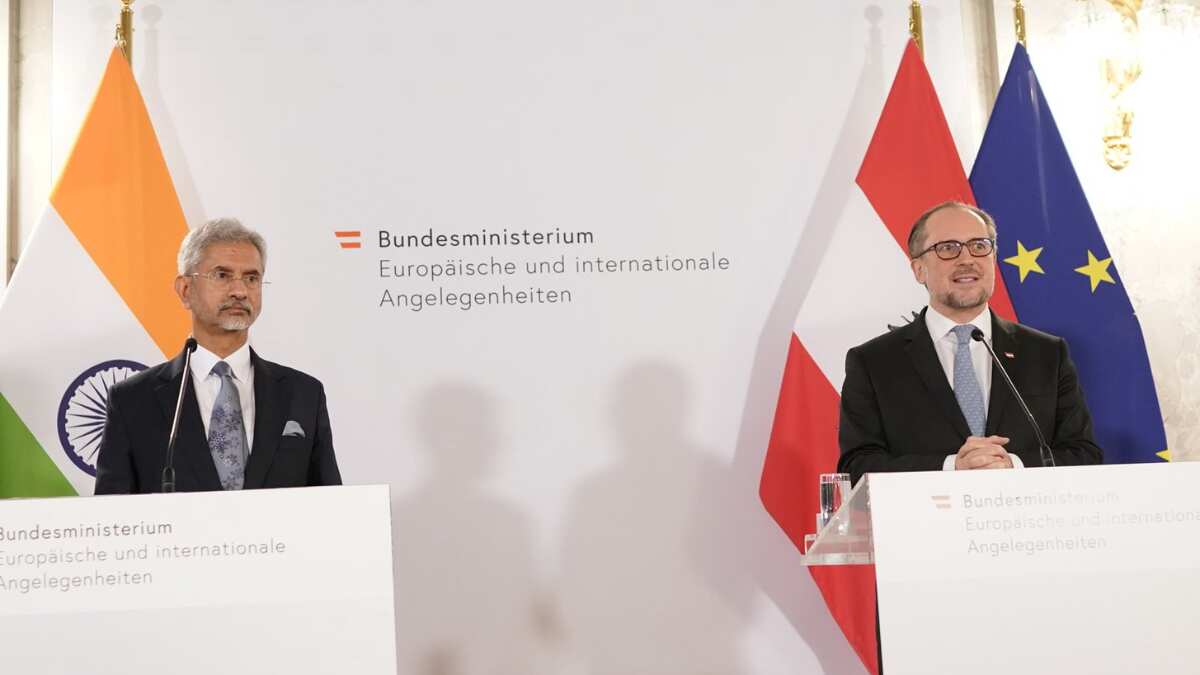
During his maiden visit to Vienna, India’s External Affairs Minister (EAM), Dr S Jaishankar, on Monday (December 2) addressed a press conference with his Austrian counterpart, Alexander Schallenberg. In response to questions, he also spoke about New Delhi’s stance on a range of issues including the Russia-Ukraine conflict as well as called Austria a “serious and consequential partner” in terms of bilateral cooperation.
In a separate interview, withAustria’s National Public Broadcaster, ORF the EAM also spoke about the ongoing conflict in Ukraine, and India’s ties with Russia, and called out Europe for their energy imports from Moscow. Additionally, he also addressed issues regarding Pakistan and China in the context of terrorism and recentskirmishes along the LAC.
Jaishankar about India’s stance on Russia-Ukraine

The interview was taken on the channel’s ‘ZIB2 Program’ which is reportedly one of the most-watched TV shows in Austria where the EAM was questioned by anAustrian anchor about a range of issues concerning India including, its stance on the Russia-Ukraine conflict, Pakistan, and China.
ALSO WATCH |India's EAM S. Jaishankar takes on Europe's charges, calls out China
In several instances, the foreign minister responded by evoking history and reiterated some of his sharp responses against Europe, China and Pakistan. The EAM was asked why India never publicly condemned Russia’s “assault and invasion into the neighbouring country (Ukraine),” and if the situation is really “complicated” as he had called it in the context of international relations.
“We have always taken the position that the way out for the countries concerned is to get back to dialogue and diplomacy…I can give you many instances of countries who have violated the sovereignty of another country and if I were to ask where Europe stood on a lot of those. I’m afraid I’ll get a long silence”, said Jaishankar, in response to the anchor.
)
Did India risk its US trade deal despite softer stance at BRICS?
)
Pakistan puts Pak Rs 70 lakh bounty on UN terrorist Masood Azhar; move draws skepticism in Delhi
)
First naval drone battle? Ukraine says Sargan 3000 sank Russian unmanned boat
)
Practical Magic 2 breaks Spidey spell over North American box office
)
'Huge destructive power': North Korea calls its latest missile launches 'live-fire drill' even as US dismisses 'immediate threat'
&im=FitAndFill=(700,400))
Meet top 5 batters fastest to 3000 runs in T20Is
)
‘Let’s go’: Newly declassified videos show dramatic rescue of US Air Force officers downed in Iran
)
Delhi’s balancing act: BRICS serves as a stage for West Asia diplomacy
&im=FitAndFill=(700,400))
Why European Meteor missiles use ramjet engines compared to standard US solid rockets
)
Iran, India agree to deepen humanitarian and political ties, President Pezeshkian says
)
‘Want to reset ties with India, have engagement based on mutual interests,’ says Bangladesh minister
)
Trump says Canada eager to reach a deal, it could come ‘fairly soon’ if Ottawa treats US farmers better
)
Turkish Airlines plane flies through a storm three times, triggering severe turbulence
&im=FitAndFill=(700,400))
Why Chinese PL-15 air-to-air missiles use dual-pulse motors compared to European interceptors
)
China thinned Himalayan troop presence in 2025, India defence report says; terms border situation 'stable'
)
800 million years old - Scientists discover 'fingerprints' of supercontinent Gondwana in ancient rocks
)
Russia proposes to build 360 kmph Ivolga FG trains in India: What happened on sidelines of BRICS
)
Israeli minister calls to strip Gaza film directors of citizenship
)
China discovers vast gold and silver 'mine' in the Pacific with unheard-of deposits
)
Russian drone hits Warsaw-bound train near Polish border, Zelensky accuses Moscow of ‘deliberate’ targeting
)
War is making Russia stronger? How Ukraine is shaping Moscow’s next generation of weapons
)
Plane carrying prominent figure crashes at Libya’s Misrata airport: Report
)
NEET-UG to move to computer-based test soon, NTA DG says ‘CBT is the future’
)
Woman removes all her clothes on American Airlines flight, performs 'indecent acts'; arrested
)
Liam Neeson sparks romance rumours after holding hands with Stella Stocker at TIFF 2026
&im=FitAndFill=(700,400))
New OTT releases this week (September 14-20, 2026): Lust Stories 3, Waiting Hai, Irumudi- 5 new titles coming on Netflix, Prime Video and more
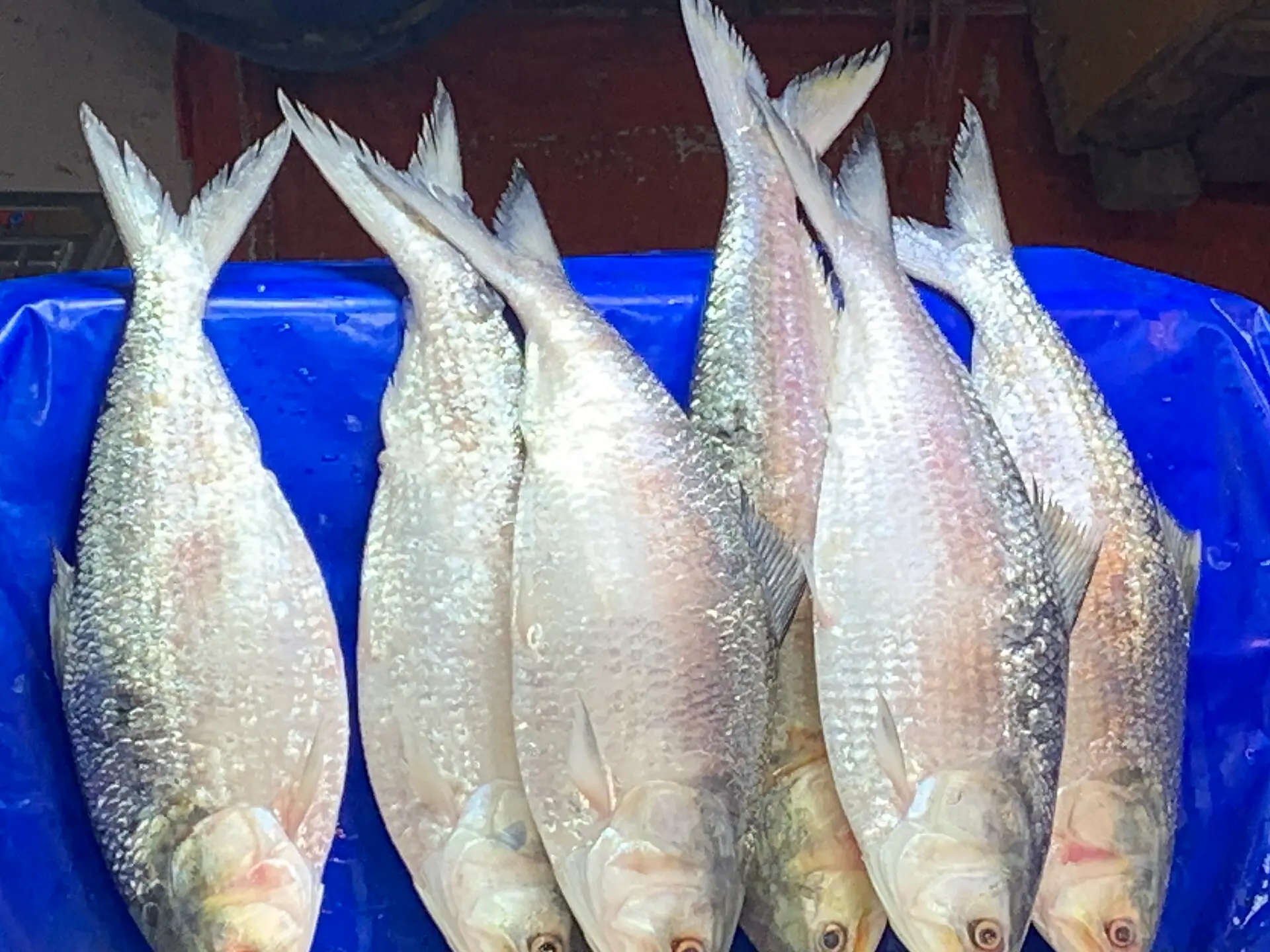)
Indian importers urge Bangladesh to lift export ban on 'Hilsa' fish ahead of Durga Puja
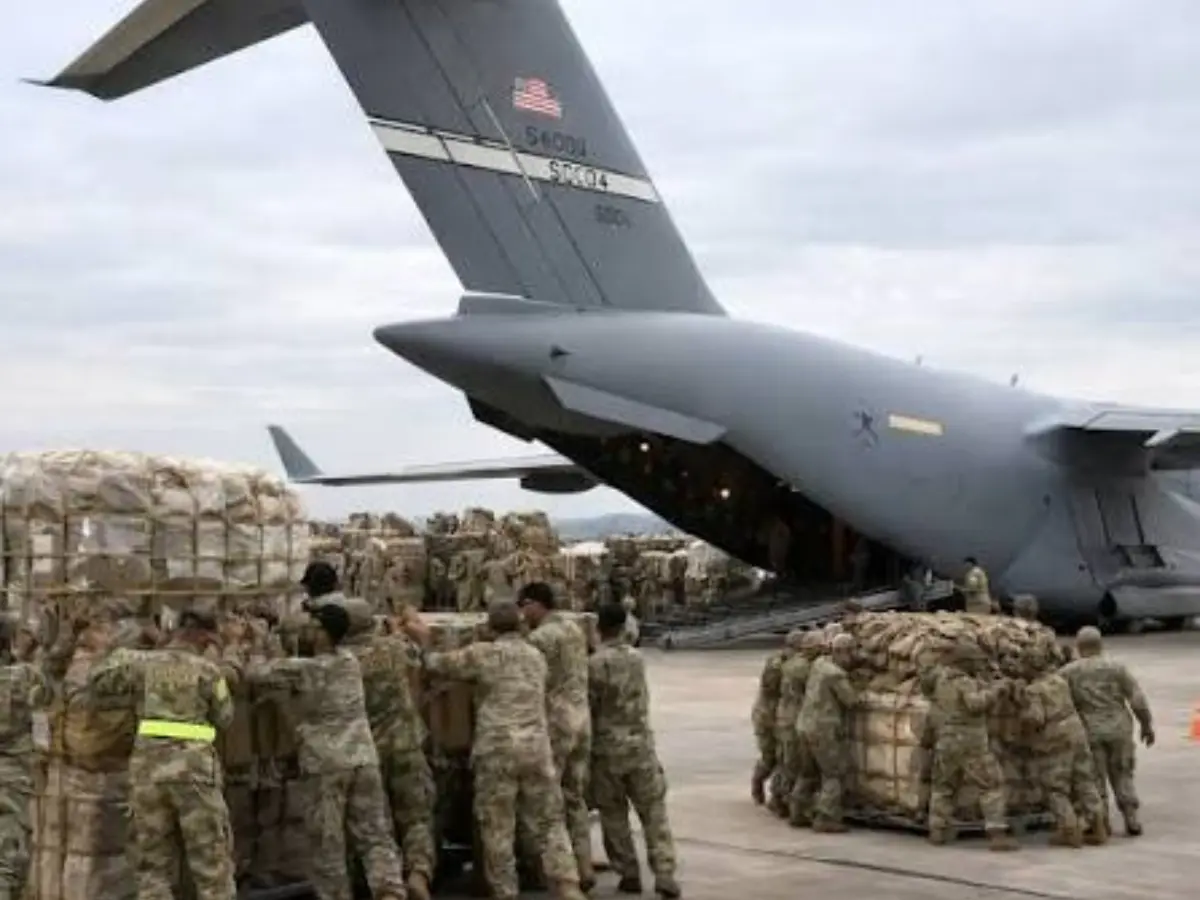)
Did China give Iran intel before US base strike that killed 3 troops? Trump says, 'You’re right...'
)
Meghan Markle shares first glimpse of family life with Prince Harry and children in UK
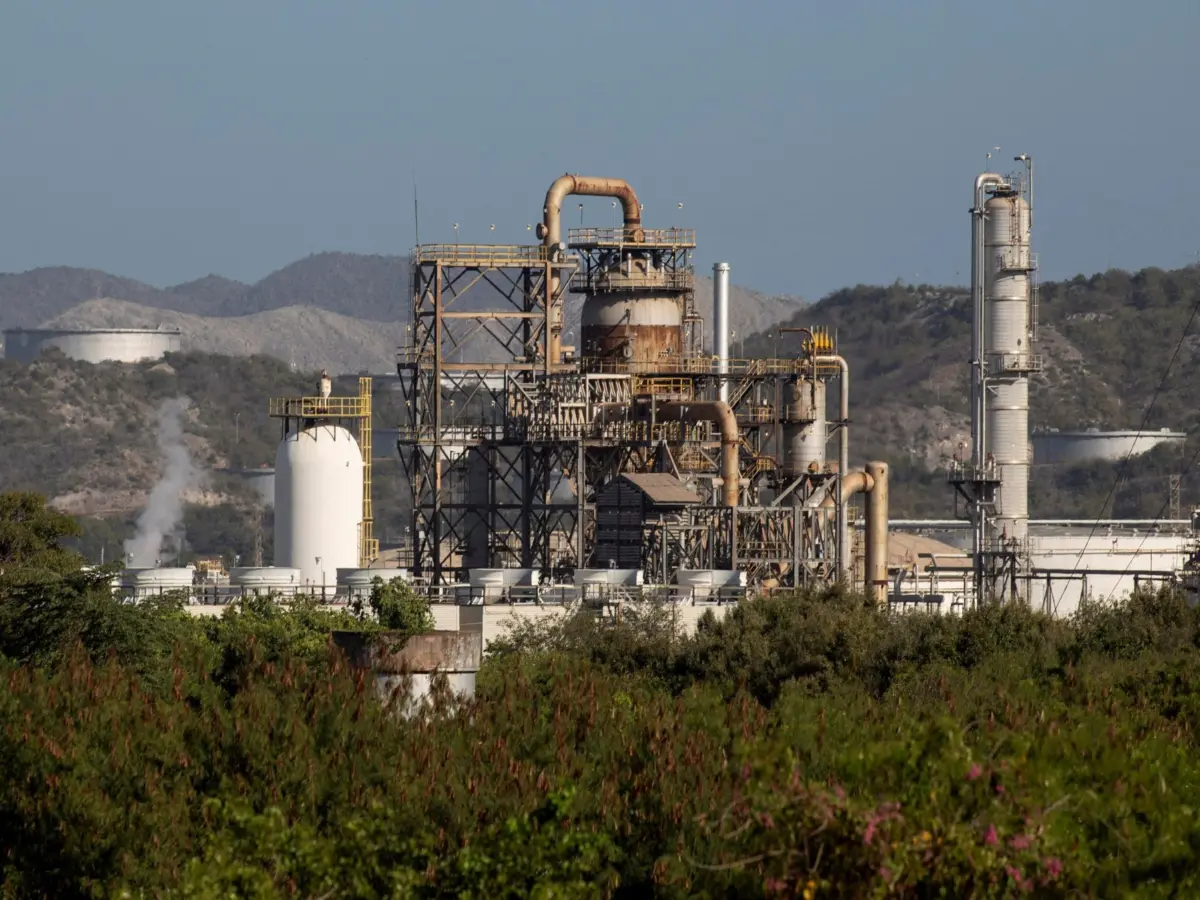)
Crude oil prices jump more than $107 per barrel following Houthi attacks on Saudi
&im=FitAndFill=(700,400))
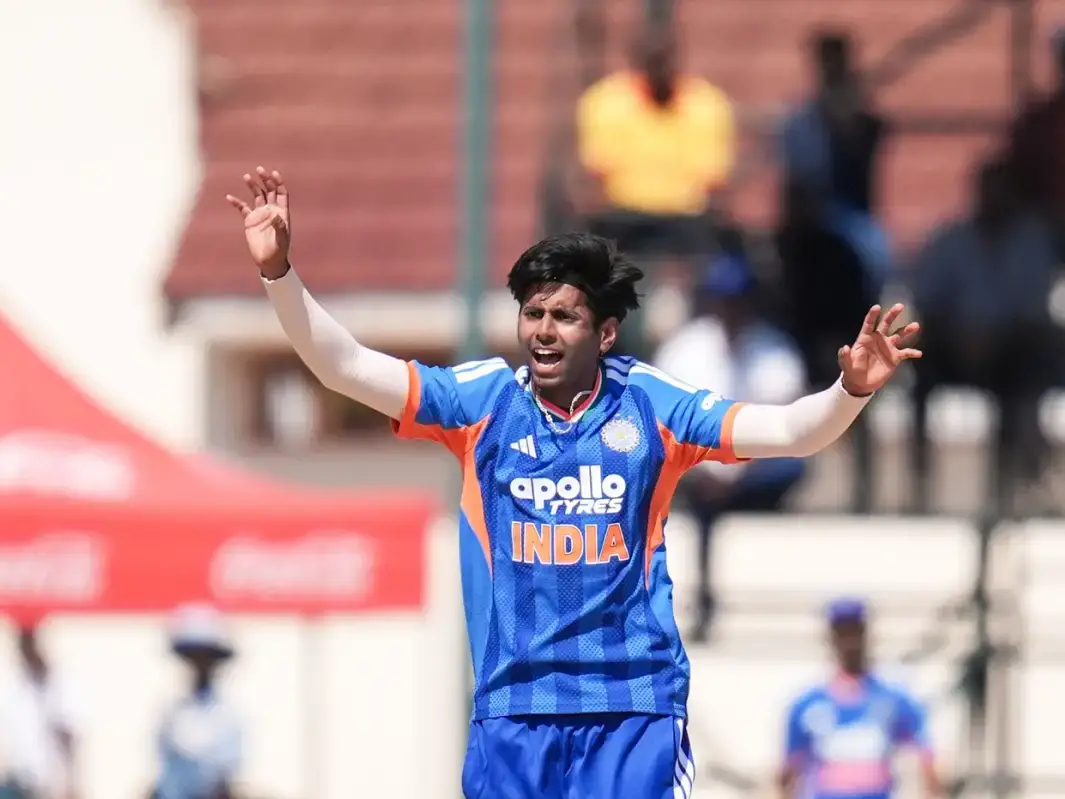
From Rinku Singh to Mayank Yadav, 5 players dropped from India’s squad for Afghanistan T20Is
)
PM Modi and China's Xi offered to help resolve Russia-Ukraine war: Kremlin
)
Women's Asia Cup 2026: India denied trophy once again despite winning the title
)
Humans may lose control of AI: Anthropic CEO calls for slowdown, Altman, Musk back him
He added, “We make judgments in foreign policy based on what we think are our long-term interests and what is good for the world”. Subsequently, Jaishankar was questioned about his and the Indian PM’s call for “dialogue and diplomacy” and urging both sides to negotiate, “However, can one really urge Ukraine to stop defending itself? After all there are no Ukrainian tanks in Russia but Russian planes, tanks and missiles destroying Ukraine,” asked the anchor.
ALSO READ |Jaishankar says India's trade with Russia is 'quite small' compared to European nations
In response, Jaishankar called this a “misrepresentation”, referring to India’s calls for dialogue and diplomacy and said, “There was dialogue and diplomacy in the early days of the conflict so it’s not like it did not happen. So it is not for us to put conditions and to say this country is equal to that country, that’s your judgement.” He added that this war is not in “anybody’s interest” including Russia’s.
During the interview with Austria’s national broadcaster, the EAM was yet again questioned about India “financing Russia’s war” by not participating in Western sanctions and New Delhi’s imports from Moscow being “increased five times” since the beginning of the invasion, last year.
“Europe imported, in the same period, six times the energy which India did…if it is a matter of principle why didn’t Europe cut on the first day? Why didn’t on 25th February, a complete cut off of energy imports from Russia?”, the EAM questioned. He added, “You can’t say it’s my principle but by the way, I will do it by my timing”.
When the Austrian anchor attempted to talk about the difference between increased imports by India and Europe trying to decrease theirs, Jaishankar swiftly shut him down by saying that they have managed to do so in a manner that is “comfortable for Europe”.
He added, “If 60,000 euros or whatever your per capita income is, if you are so caring about your population, I have a population at $2,000 which also needs energy…The price of oil has doubled and Europe also moving into the Middle East and diverting their production into Europe and raising prices…putting pressure on global oil markets and on my imports as well.”
Therefore, if European political leadership understands this and "would like to soften the impact on their population, it is a privilege that they should extend to other political leaderships as well”, said Jaishankar. Subsequently, the Austrian anchor questioned if India is reluctant to criticise Moscow because it is New Delhi’s “biggest supplier of weapons and military equipment?” To which the EAM responded with a history lesson on how Russia and India ties came to be.
ALSO WATCH |Gravitas: Jaishankar sets the record straight in Moscow
Jaishankar on calling Pakistan the ‘epicentre of terrorism’
The Austrian anchor questioned the EAM about calling Pakistan the “epicentre of terrorism” and being “undiplomatic” several weeks ago to which Jaishankar said, “Well, I did it again today without using the word ‘Pakistan’”, referring to the press conference held, earlier, on Monday.
“Because you’re a diplomat, doesn’t mean you are untruthful…I could use much harsher words than an ‘epicentre’...considering what has been happening to us ‘epicentre’ is a very diplomatic word,” said Jaishankar to Austria’s ORF. Subsequently, he went on to blame Pakistan for the attack on the Indian Parliament which happened in 2001 as well as the terrorist attacks in the country’s financial capital, Mumbai in 2008.
“If you control your sovereign space…if terrorist camps operate in broad daylight in cities with recruitment and financing. Can you really tell me that the Pakistani state doesn’t know what is going on?”, the EAM questioned. He added, “When we speak about judgement and principles…why don’t I hear sharp European condemnation of these practices which have been going on for multiple decades”.
ALSO WATCH |Gravitas: Jaishankar counters Pakistan & China with facts
When asked if the world should be concerned about a potential war between India and Pakistan, Jaishankar said, “I think the world needs to be concerned about terrorism…because if you pose it the way you do it gives a free pass to terrorism”.
Jaishankar onChina’s possibleintervention in Taiwan and relations with India
The Austrian anchor asked the EAM if India shared concerns like many others across the world that in the near future, China may intervene “militarily” in Taiwan. In response, Jaishankar said there is a “larger concern” based on New Delhi’s experience which is not having agreements signed between the two countries observed.
ALSO READ |India's Jaishankar evokes Hillary Clinton's 'snake' analogy to slam Pakistan on terror
He spoke about agreements signed between India and China which said that they would not mass force within their borders which the EAM has said consequently led to the current tension along the borders. Additionally, Jaishankar also spoke about the agreement between New Delhi and Beijing about not changing the LAC unilaterally “which they have attempted to do”.
As a foreign minister, Jaishankar said that he would be hesitant to predict publicly where else might this status quo change and can only speak from the experiences that India had witnessed. However, from his personal experience, “written agreements were not observed and we have seen military pressures in our view have no justification”.
ALSO READ |At UN, Jaishankar reprimands Pak, China on terrorism, lays out India's 'NORMS' for reforms
“China would say the opposite and say that India has not observed the different agreements…”, said the Austrian anchor. In response, Jaishankar said, “It is difficult for China to say that…the record is very clear, because today there is a lot of transparency of satellite pictures and you can see who moved the forces to the border areas first, the record would be very clear.”
India is ‘deeply concerned’ about the conflict in Ukraine: EAM
In a press conference ahead of the aforementioned interview, the EAMin response to a question about the ongoing conflict between Russia and Ukraine the Indian foreign minister said, India remains “deeply concerned” and that a “return to dialogue and diplomacy” is imperative. Jaishankar also said that he spoke about threats to international peace and security posed by terrorism with Austrian leaders. This also included its cross-border practices, violent extremism, radicalisation and fundamentalism.
ALSO READ |Tawang skirmish: China stepped up efforts for improved access near LAC, says Australian think tank
“Their effects cannot be contained within a region especially so when they are deeply connected to narcotics and illegal weapons trade, and other forms of international crime. Since the epicentre is located so close to India, naturally our experiences and insights are useful to others,” said the EAM in an apparent attack on neighbouring Pakistan.
Meanwhile, speaking about the conflict in Ukraine, echoing Indian Prime Minister Narendra Modi’s words that today's era is not of war he called for both countries to resolve their differences at the negotiation table. “With regard to the Ukraine conflict, let me underline that India remains deeply concerned. We sincerely believe that this is not the era of war. Differences must be settled on the negotiating table. It is imperative that there is a return to dialogue and diplomacy,” said the EAM while addressing a press conference with his Austrian counterpart.
ALSO READ | Austria terms India a close and trusted partner ahead of EAM Jaishankar's visit
The EAM also spoke about the Indian PM being in touch with both Russian President Vladimir Putin and his Ukrainian counterpart Volodymyr Zelensky, and “pressing our point of view in that regard”. He added, “We are increasingly anxious about the knock-on effects of the conflict in terms of accessibility and affordability of fuel, food and fertilisers, this is a growing concern for the global south.”
(With inputs from agencies)
WATCH WION LIVE HERE
You can now write for wionews.com and be a part of the community. Share your stories and opinions with us here.