Syria threatens with fresh strikes on Kurdish district in Aleppo as ceasefire collapses

&imwidth=600&imheight=450&format=webp&quality=medium "Syria threatens with fresh strikes on Kurdish district in Aleppo as ceasefire collapses")
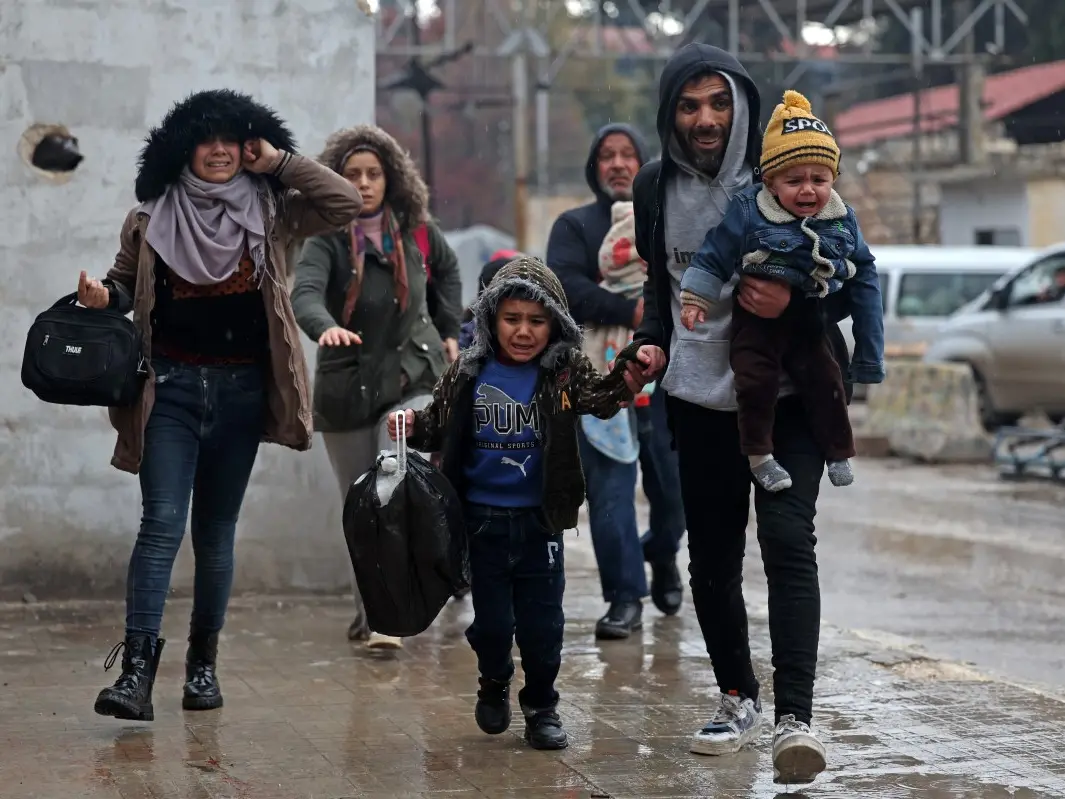
Residents of Aleppo's Sheikh Maqsoud area evacuate their neighbourhood Photograph: (AFP)
Syria warns of fresh strikes on Aleppo’s Kurdish district after fighters refuse to withdraw, threatening a fragile ceasefire as thousands flee
The Syrian Army declared on Friday (January 9) that it would start attacking again a neighborhood in Aleppo controlled by the Kurds, since the Kurdish fighters did not comply with the retreat order. This operation shattered the already weak ceasefire agreement that was intended to bring about the end of the battle that had lasted for several days. The government and Kurdish forces seemed to have a mutual accusation to blame each other for the flare-ups in the second-largest city of Syria during the past week.
The fighting highlights the challenges the regime and the Kurds have in making an agreement that would dissolve the latter's political and military entities and integrate the Kurds into the new central government of the country. A year has passed since that time when the Islamist-led authorities replaced the longtime dictator Bashar al-Assad, and the country has hardly managed to get rid of the war; Aleppo fighting has become another critical test. It is estimated that at least 21 people died and thousands of people lost their homes during the chaos that had gripped Aleppo, which is the worst unrest the city has seen in years.
Also Read: Pakistan’s defence minister Khawaja Asif wants US to ‘kidnap’ Netanyahu after Maduro capture | Watch
On the morning of Friday, the Syrian government officials announced that they had concluded a cease-fire with the Kurdish fighters affiliated with the US-supported Syrian Democratic Forces (SDF), suggesting that the fighters will be moved eastward along with their light weapons. However, Kurdish leaders would not accept what they termed a forced surrender and insisted that they would stay in their areas.
On the same day, the Syrian army issued a warning that it was going to conduct airstrikes again on the Sheikh Maqsud area, which is mainly inhabited by Kurds, and also asked the residents to leave. The government produced some maps where it had pinpointed what it believed were military objectives and demanded that the Kurds give up their arms. People were observed departing with various items before the closing of the short-lived humanitarian passage at around early evening.
Trending Stories
)
)
)
)
)
&im=FitAndFill=(700,400))
)
)
)
&im=FitAndFill=(700,400))
)
)
)
)
)
)
)
)
)
)
)
)
)
)
)
)
)
)
)
)
)
)
)
)
)
)
)

