Starlink strikes in Russia? Zelensky seeks Musk’s approval for Ukraine drones

&imwidth=600&imheight=450&format=webp&quality=medium "Starlink strikes in Russia? Zelensky seeks Musk’s approval for Ukraine drones")
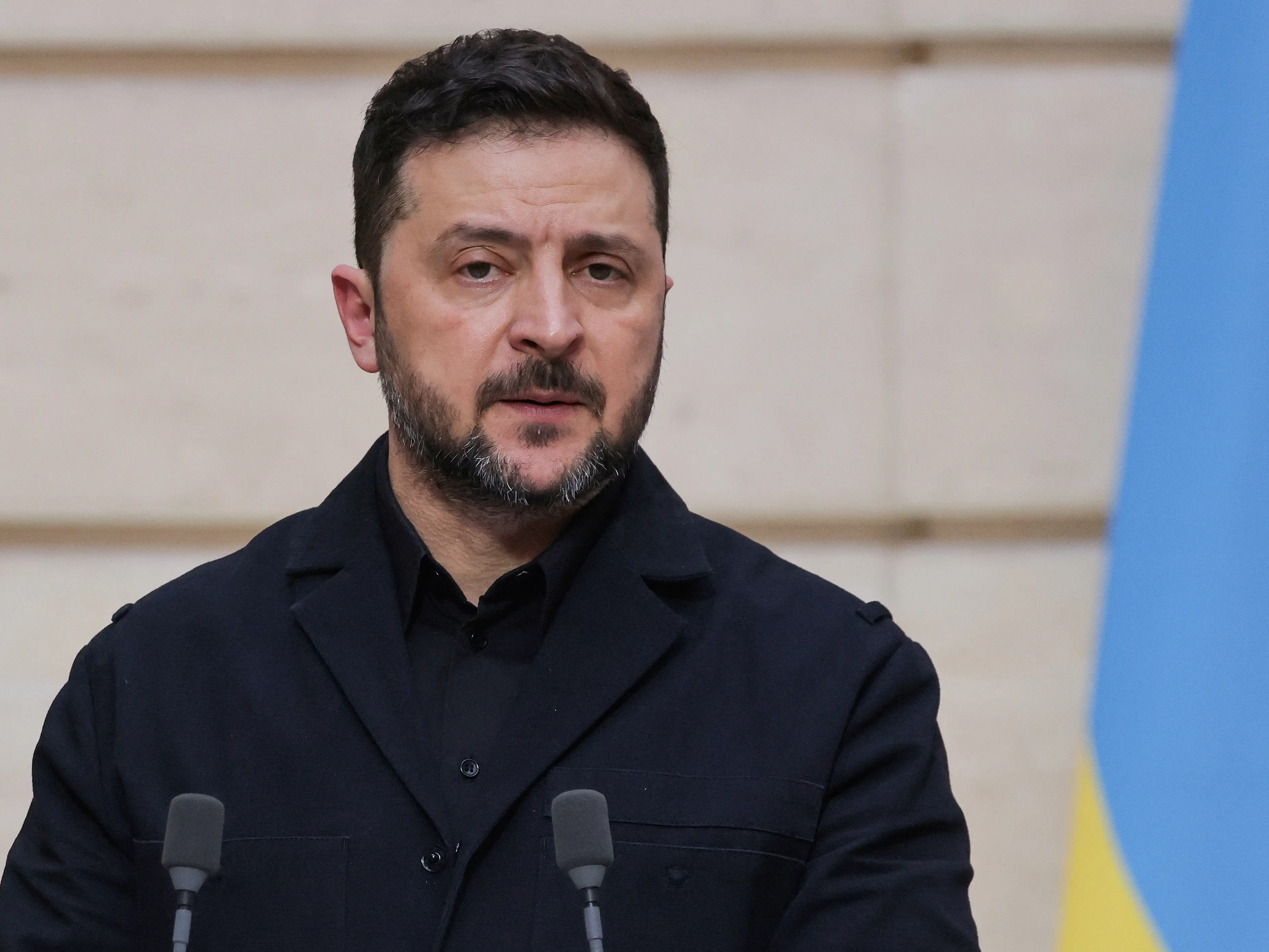
Ukrainian President Volodymyr Zelensky Photograph: (AFP)
Ukraine is seeking Elon Musk’s approval to use Starlink-equipped drones up to 200 km inside Russia to target ballistic missile launchers, as Kyiv faces shortages of Patriot air-defence interceptors.
Ukraine is seeking Elon Musk’s approval to use Starlink-equipped attack drones against Russian ballistic missile launchers deep inside Russia, as Kyiv faces growing pressure on its air-defence capabilities, according to people familiar with the discussions.
The proposal would allow Ukrainian drones using SpaceX’s Starlink satellite network to operate up to 200km inside Russian territory. Kyiv believes the move could help target missile launchers, command centres and other military infrastructure responsible for attacks on Ukraine.
The Trump angle
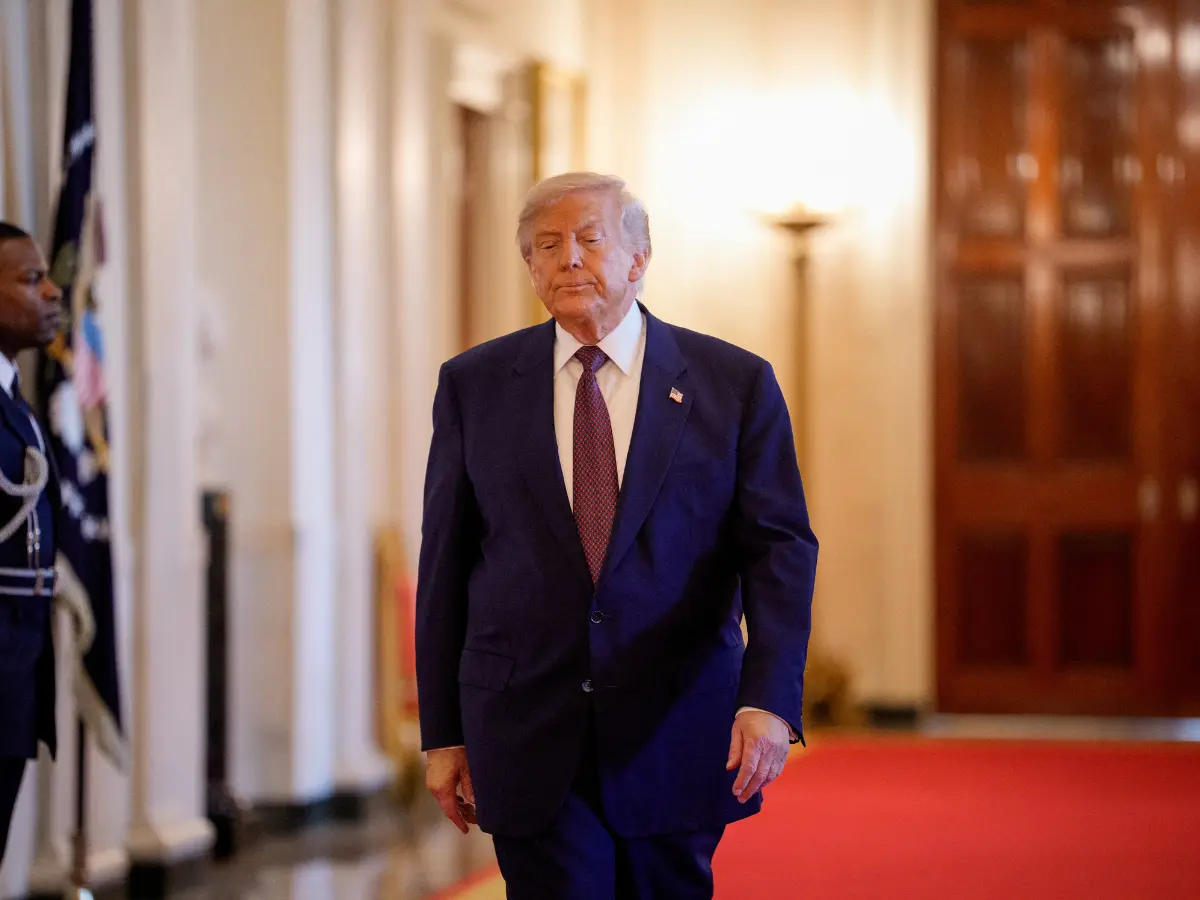
Ukrainian President Volodymyr Zelensky reportedly raised the request during his meeting with US President Donald Trump at the White House in July. Zelensky asked Trump to speak to Musk about permitting the use of Starlink beyond Ukraine’s borders.
However, Trump was non-committal, and people familiar with the meeting said he did not appear supportive of the proposal. Musk has also previously resisted allowing Starlink to be used for offensive operations inside Russia.
The request comes as Ukraine struggles with a shortage of Patriot interceptors, its main defence against Russian ballistic missiles. Intensifying Russian missile and drone attacks, coupled with high demand for Patriot systems in the Middle East, have further strained global supplies.
Trending Stories
&imwidth=280&imheight=210&format=webp&quality=medium)
&imwidth=280&imheight=210&format=webp&quality=medium)
&im=FitAndFill=(700,400)&imwidth=280&imheight=210&format=webp&quality=medium)
&imwidth=280&imheight=210&format=webp&quality=medium)
&imwidth=280&imheight=210&format=webp&quality=medium)
&imwidth=280&imheight=210&format=webp&quality=medium)
&imwidth=280&imheight=210&format=webp&quality=medium)
&imwidth=280&imheight=210&format=webp&quality=medium)
&imwidth=280&imheight=210&format=webp&quality=medium)
&imwidth=280&imheight=210&format=webp&quality=medium)
&imwidth=280&imheight=210&format=webp&quality=medium)
&imwidth=280&imheight=210&format=webp&quality=medium)
&imwidth=280&imheight=210&format=webp&quality=medium)
&imwidth=280&imheight=210&format=webp&quality=medium)
&imwidth=280&imheight=210&format=webp&quality=medium)
&imwidth=280&imheight=210&format=webp&quality=medium)
&imwidth=280&imheight=210&format=webp&quality=medium)
&imwidth=280&imheight=210&format=webp&quality=medium)
&imwidth=280&imheight=210&format=webp&quality=medium)
&imwidth=280&imheight=210&format=webp&quality=medium)
&imwidth=280&imheight=210&format=webp&quality=medium)
&im=FitAndFill=(700,400)&imwidth=280&imheight=210&format=webp&quality=medium)
&imwidth=280&imheight=210&format=webp&quality=medium)
&imwidth=280&imheight=210&format=webp&quality=medium)
&imwidth=280&imheight=210&format=webp&quality=medium)
&imwidth=280&imheight=210&format=webp&quality=medium)
&imwidth=280&imheight=210&format=webp&quality=medium)
&imwidth=280&imheight=210&format=webp&quality=medium)
&imwidth=280&imheight=210&format=webp&quality=medium)
&im=FitAndFill=(700,400)&imwidth=280&imheight=210&format=webp&quality=medium)

&im=FitAndFill=(700,400)&imwidth=280&imheight=210&format=webp&quality=medium)
&imwidth=280&imheight=210&format=webp&quality=medium)
&imwidth=280&imheight=210&format=webp&quality=medium)
&imwidth=280&imheight=210&format=webp&quality=medium)
&imwidth=280&imheight=210&format=webp&quality=medium)
&imwidth=280&imheight=210&format=webp&quality=medium)
&imwidth=280&imheight=210&format=webp&quality=medium)
Military analyst Franz-Stefan Gady said Ukraine needed to consider a more proactive approach to countering Russian attacks.
“How can Ukraine engage in a more proactive, shooting-the-archer strategy?” Gady asked, referring to efforts to destroy missile launchers, command systems and logistics before attacks are carried out.
Why Starlink?
Starlink-equipped drones can maintain communications over longer distances and are less vulnerable to conventional jamming, making them potentially valuable for deep-strike missions.
Musk has previously restricted Starlink access in sensitive situations. In 2022, access was cut during a Ukrainian operation near Crimea over concerns that the move could trigger a wider escalation.
Ukraine’s former defence minister Mykhailo Fedorov, who had maintained direct contact with Musk, has also acknowledged the difficulty of securing approval.
“Let’s just say, [it’s] a difficult task right now to achieve the outcome we need through this communication,” Fedorov said on August 6.

