Some parts of China battle tight supply of COVID-19 vaccines

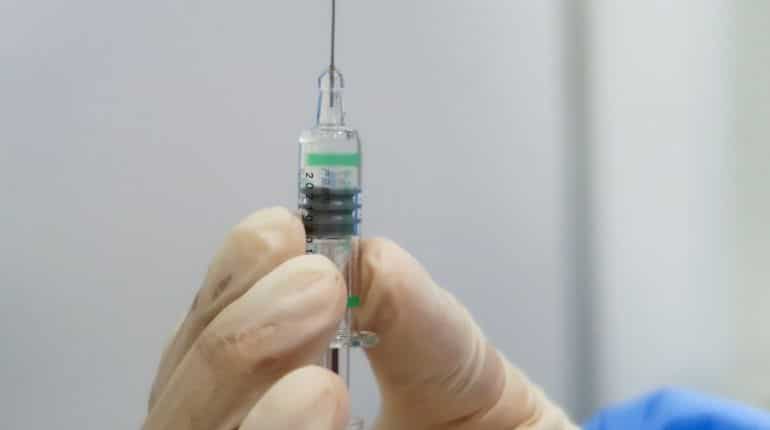
A nurse holds a syringe containing a coronavirus disease (COVID-19) vaccine made by the Beijing Institute of Biological Products, a unit of Sinopharm, at a vaccination center during a government-organized visit, in Beijing, China, April 15, 2021.
Residents ofsomepartsofChinathat are grappling withtightsupplies of coronavirusvaccineshave not received their second doses in time, but the crunch will ease by June as production is being stepped up, a health official told state media.
The pace ofChina's massive inoculation campaign has slowed, to a daily average of about 3.3 million doses in the seven days until Monday, down from the corresponding figure of 4.2 million in the week until April 12, Reuters calculations showed.
"At present, domestic vaccinesupplyis relativelytight, but from May, especially after June, the situation will ease significantly," Zheng Zhongwei, the director of a team coordinating vaccine development projects, told the Global Times in an interview.

Zheng did not say how severe the crunch was or which areas experiencedtightness. The Global Times, published by the official newspaper of the ruling Communist Party, did not say how long people in those areas had to wait for the second shot.
By Wednesday,Chinahad given more than 200 million doses ofvaccines, ranking only behind the United States, and it aims to inoculate 40 per centof its population by summer.
Big cities such as Beijing and Shanghai have widened vaccination efforts to include foreigners, with the pace insomecities outstripping the national average, asChinaprioritises supplies to key provinces.
)
Historic first: ‘Ganga aarti’ performed on River Thames in London
)
China discovers vast gold and silver 'mine' in the Pacific with unheard-of deposits
)
China thinned Himalayan troop presence in 2025, India defence report says; terms border situation 'stable'
)
Who really benefits from the BRICS bank? Inside the New Development Bank's $43 billion portfolio
)
Turkish Airlines plane flies through a storm three times, triggering severe turbulence
)
‘Want to reset ties with India, have engagement based on mutual interests,’ says Bangladesh minister
)
Did India risk its US trade deal despite softer stance at BRICS?
)
Baba Vanga's first prophecy for 2027 is out, and straight out of science fiction
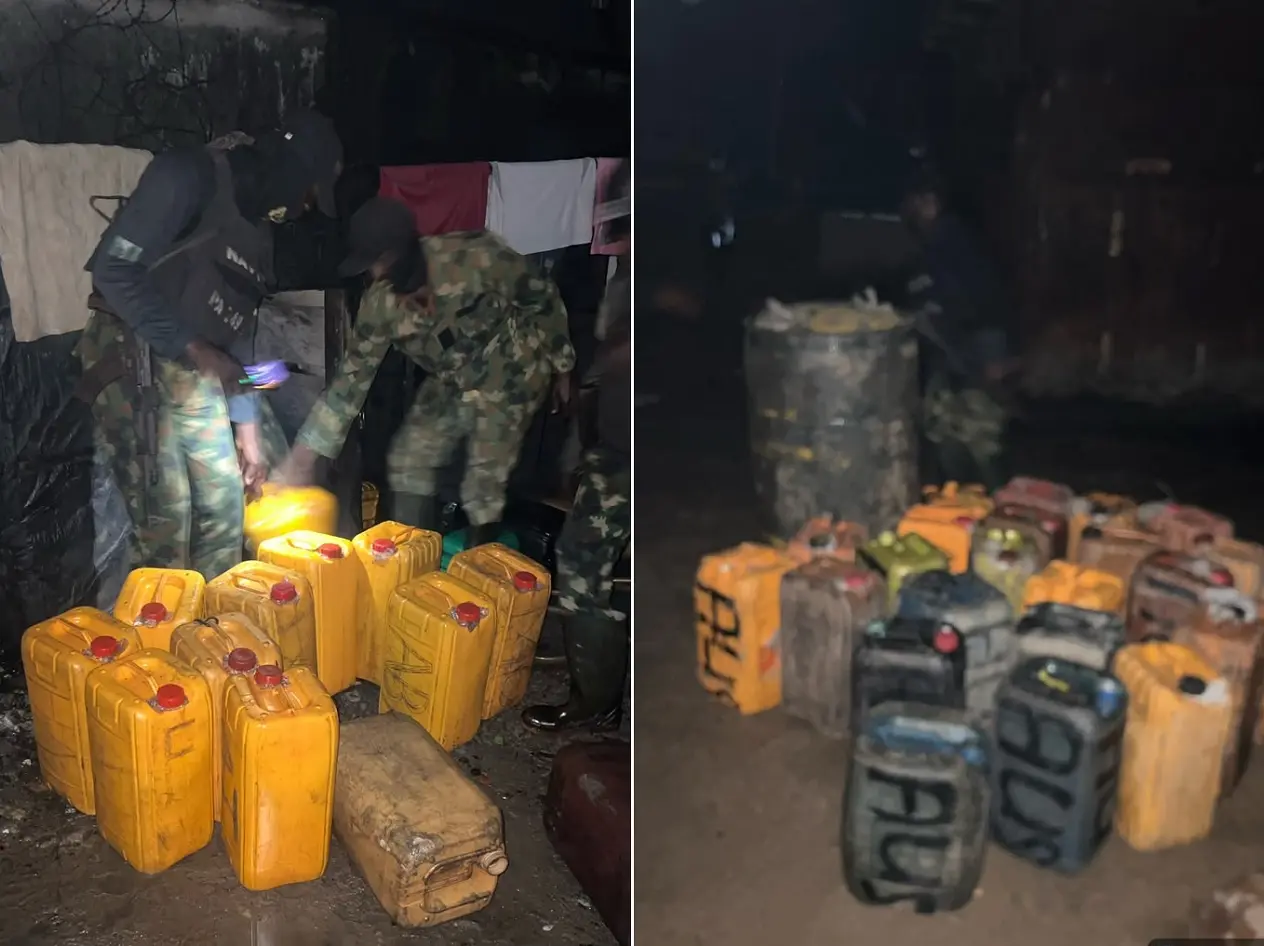)
Nigerian Navy seizes 10,000 litres of suspected illegal fuel in Rivers State crackdown
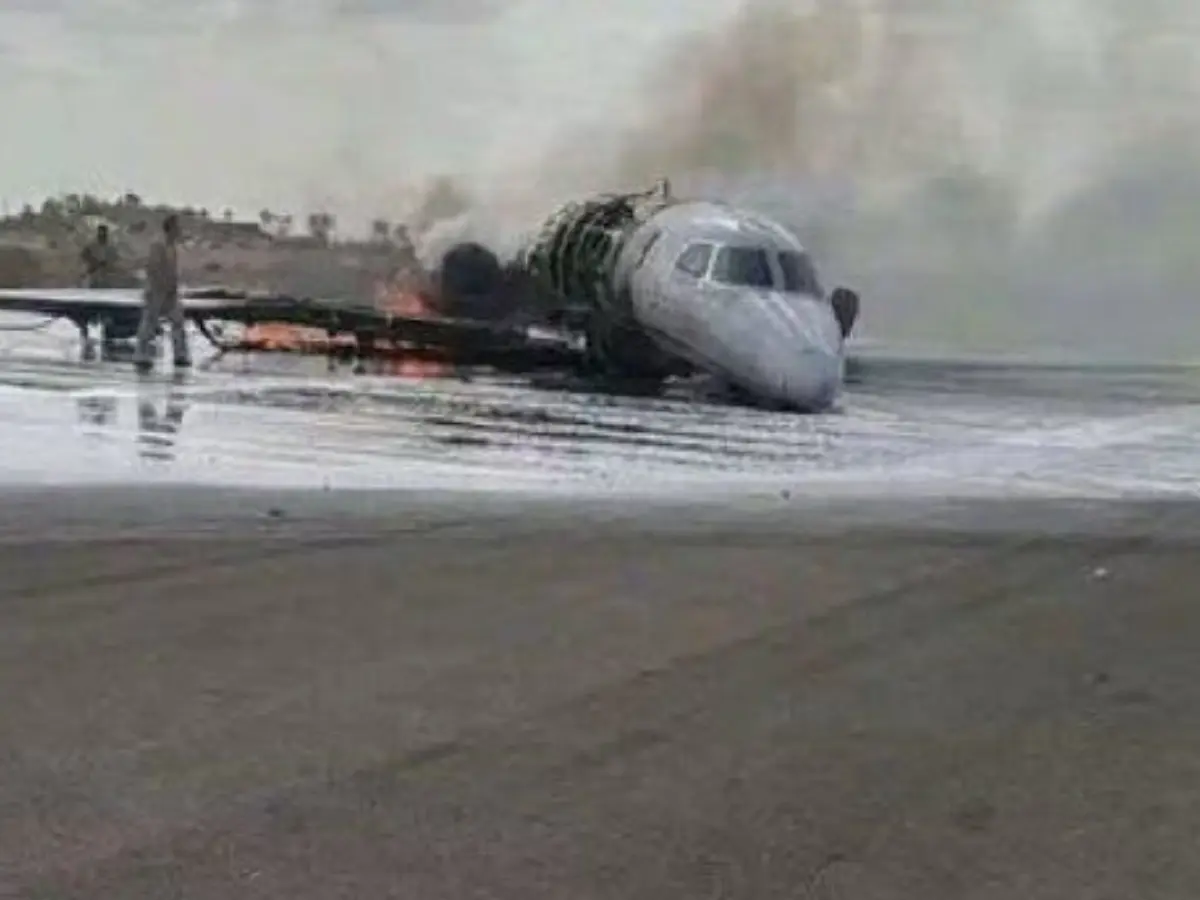)
Plane carrying prominent figure crashes at Libya’s Misrata airport: Report
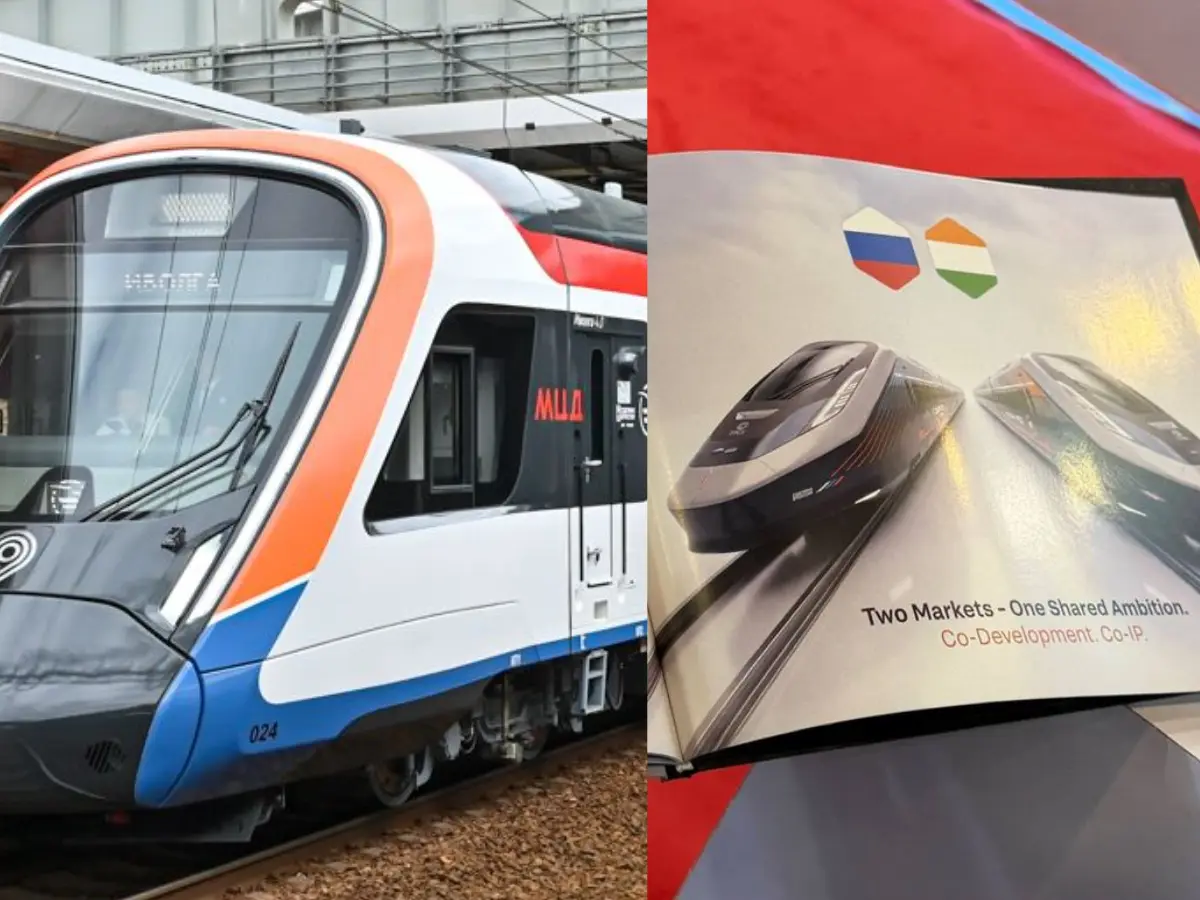)
Russia proposes to build 360 kmph Ivolga FG trains in India: What happened on sidelines of BRICS
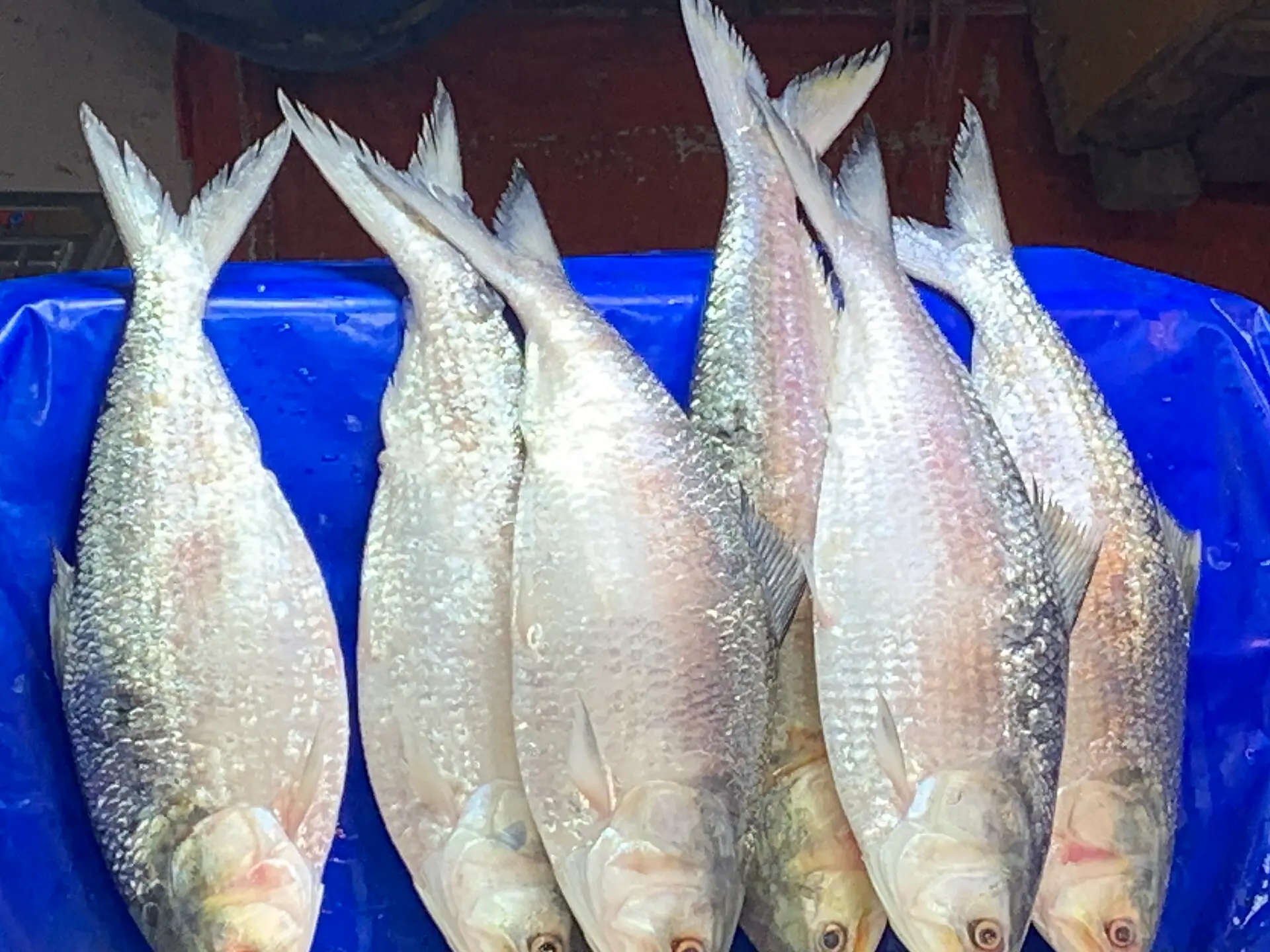)
Indian importers urge Bangladesh to lift export ban on 'Hilsa' fish ahead of Durga Puja
)
Scotland, Wales & Northern Ireland push for exit from UK | Race To Power
)
Saudi Arabia discovers 110 million tonnes of Uranium-rich ore in Madinah region
)
Extreme warming in Indian Ocean added 695 billion tons of ice to Antarctica ice sheet
)
US court blocks Trump administration move ending automatic H-4 EAD extensions for seven spouses
)
Liam Neeson sparks romance rumours after holding hands with Stella Stocker at TIFF 2026
)
Trump downplays China's alleged 'help' to Iran in strike on Jordan base | Gravitas
)
Photographs, LeT labels vanish from two 2008 Mumbai attack entries in Pakistan’s most wanted list
)
Meghan Markle shares first glimpse of family life with Prince Harry and children in UK
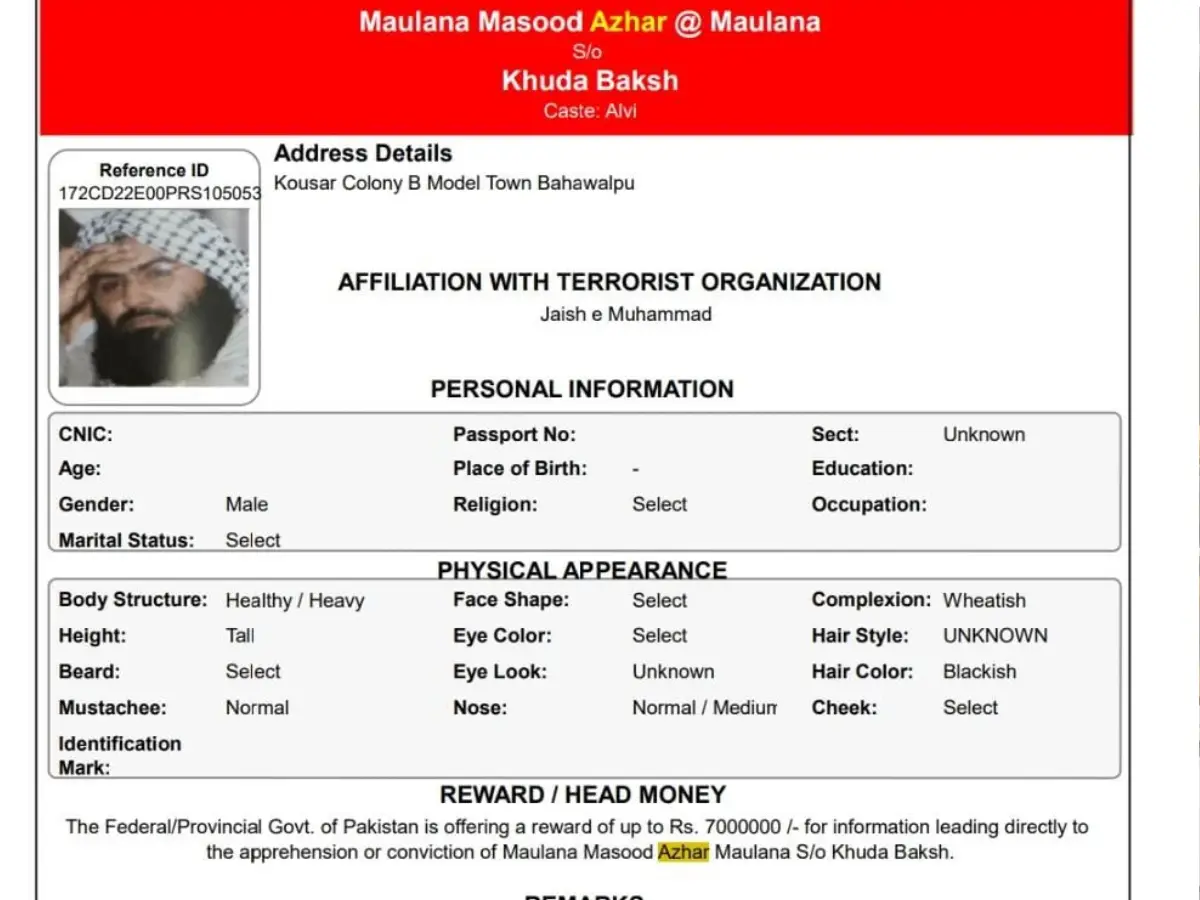)
Pakistan puts Pak Rs 70 lakh bounty on UN terrorist Masood Azhar; move draws skepticism in Delhi
)
Woman removes all her clothes on American Airlines flight, performs 'indecent acts'; arrested
)
Ecstasy tablets are rage in 'drug haven' Libya | Gravitas
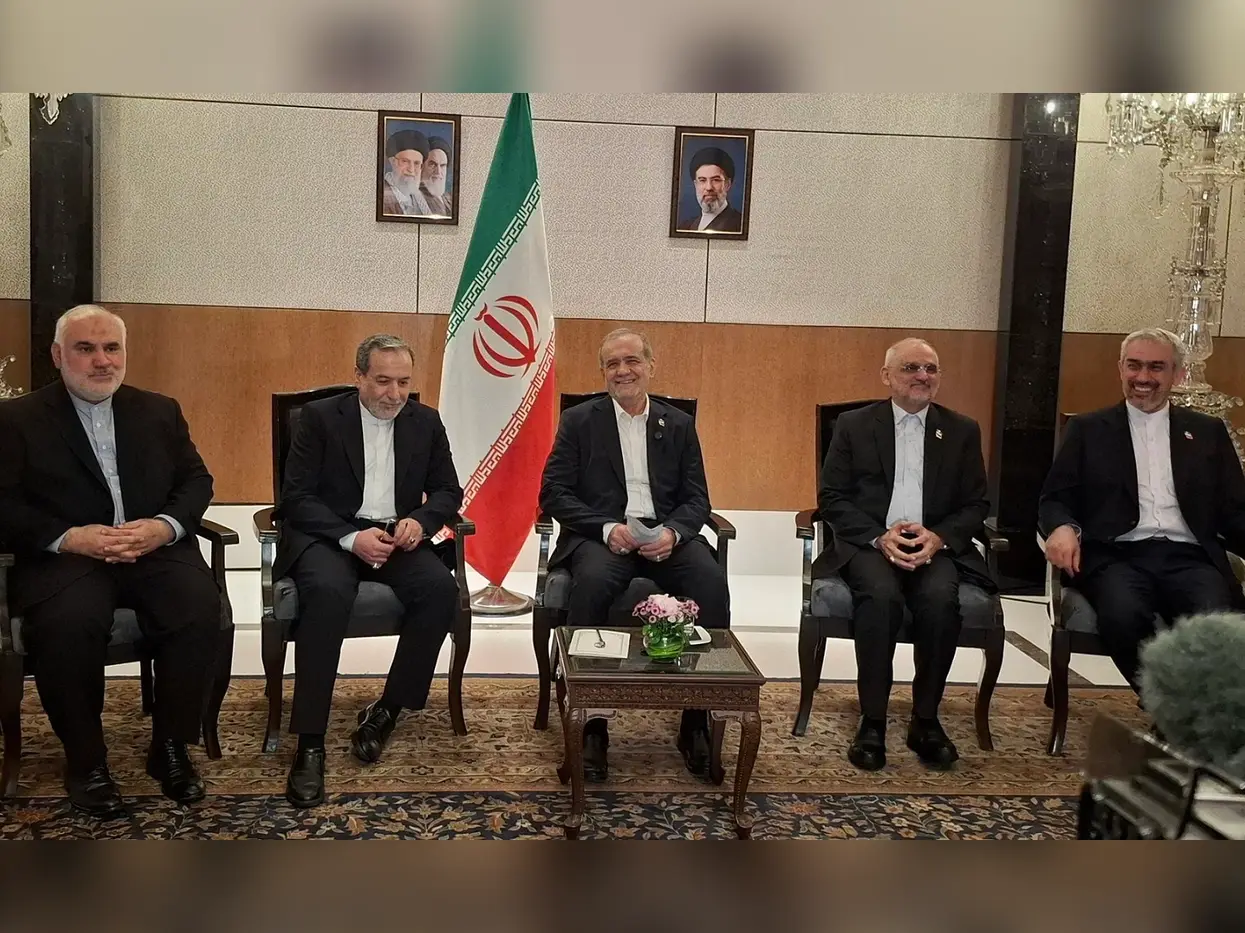)
Iran, India agree to deepen humanitarian and political ties, President Pezeshkian says
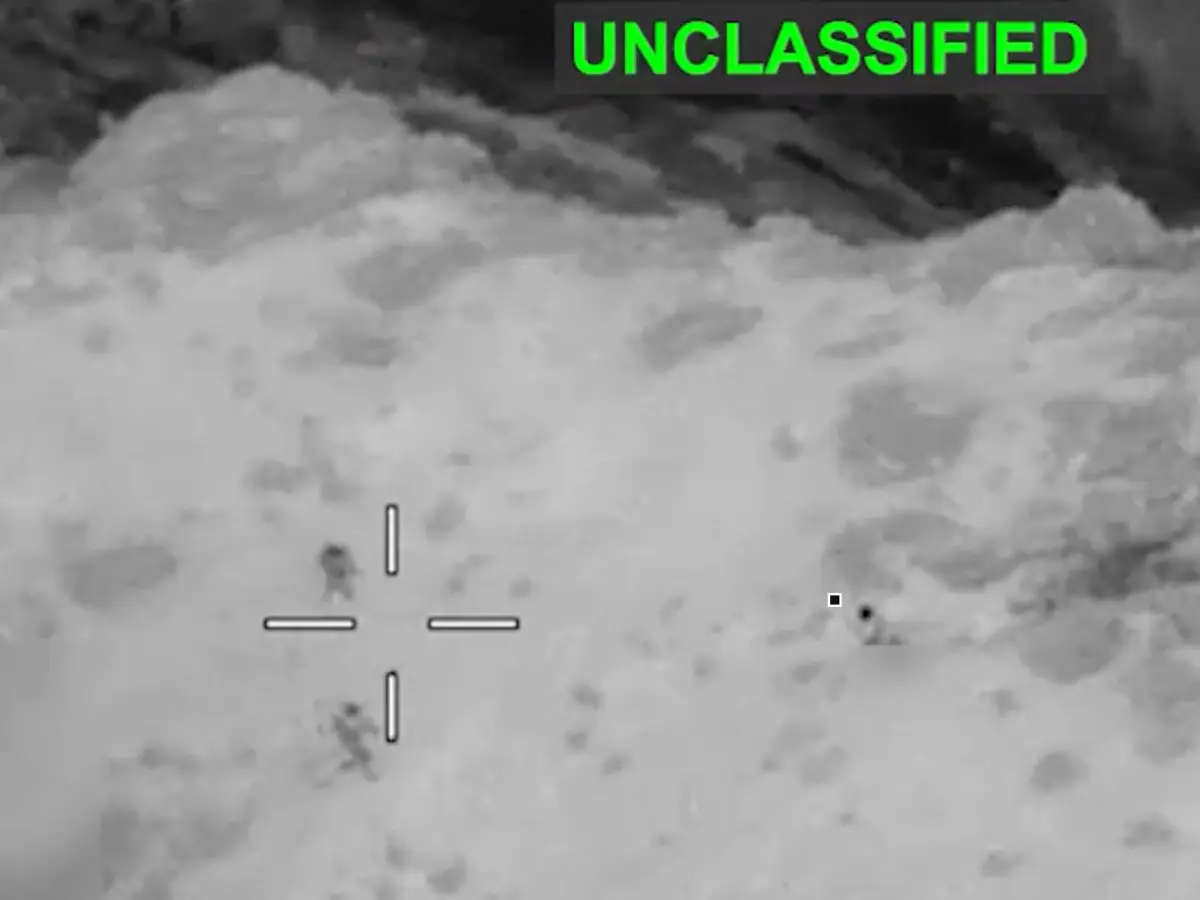)
‘Let’s go’: Newly declassified videos show dramatic rescue of US Air Force officers downed in Iran
&im=FitAndFill=(700,400))
New OTT releases this week (September 14-20, 2026): Lust Stories 3, Waiting Hai, Irumudi- 5 new titles coming on Netflix, Prime Video and more
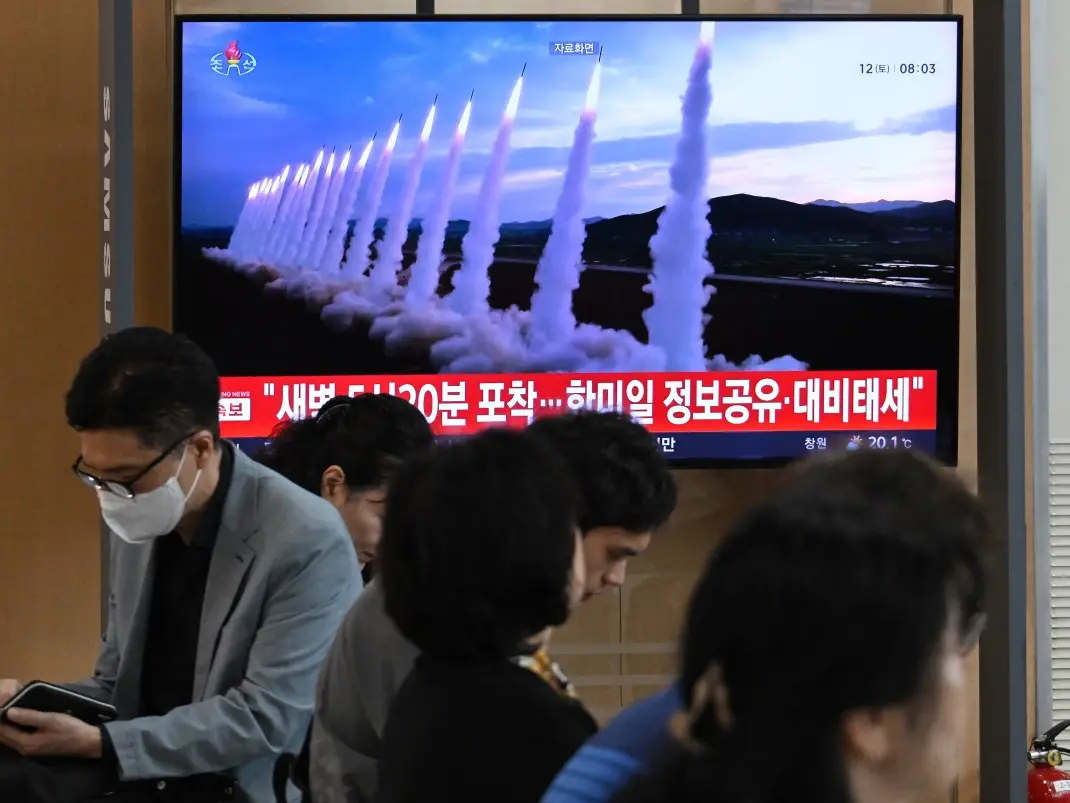)
'Huge destructive power': North Korea calls its latest missile launches 'live-fire drill' even as US dismisses 'immediate threat'
&im=FitAndFill=(700,400))
Why Chinese PL-15 air-to-air missiles use dual-pulse motors compared to European interceptors
)
Video of Pakistani lawmaker struggling to read English tribute to Jinnah goes viral - WATCH
)
‘US ensuring global energy supplies’: Trump demands reimbursement for securing Strait of Hormuz
)
Sent home midway from UK tour, Pakistan's Salman Agha hits 300* in domestic return
)
'Now Trump is copying us': Shivakumar links US $5,000 plan to Congress guarantees
&im=FitAndFill=(700,400))
Why European Meteor missiles use ramjet engines compared to standard US solid rockets
)
UK man admits drugging, raping wife for 20 years in shocking abuse case
)
800 million years old - Scientists discover 'fingerprints' of supercontinent Gondwana in ancient rocks
The capital city of Beijing, for example, has inoculated more than half of its population of 21.5 million.
This month Zheng saidChinawas likely to have produced 3 billion doses of thevaccinesby year-end, allowing it to meet the demand in the second half of 2021.
China's national guidelines allow intervals of up to eight weeks between the two doses ofvaccinesdeveloped by domestic firms Sinopharm and Sinovac Biotech.
Local authorities should make sure the second dose can be administered within eight weeks, said Mi Feng, a spokesman of the National Health Commission.
"Avoid the situation where there's no dose following the first one," he told a news conference on Wednesday.