Singapore’s PM, world’s highest paid leader, gets 64% hike; surges far ahead of his global peers

&imwidth=600&imheight=450&format=webp&quality=medium "Singapore’s PM, world’s highest paid leader, gets 64% hike; surges far ahead of his global peers")
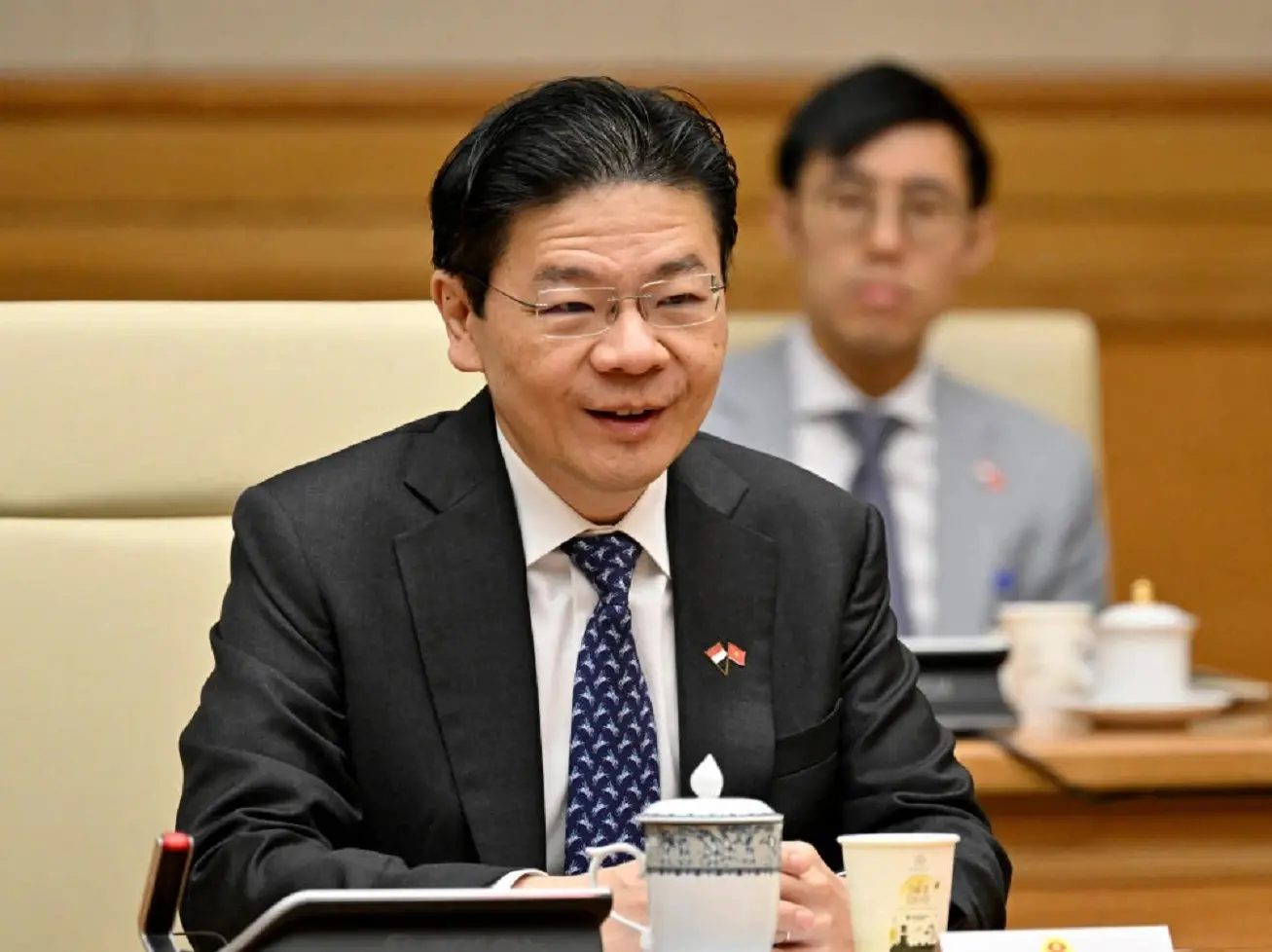
Singapore PM Lawrence Wong announced a 64 per cent hike in his package.
After the revision, PM Lawrence Wong is likely to draw an annual salary of 3.6 million Singapore dollars ($2.8 million), which nearly equals ₹27 crore in Indian currency, from SG$2.2 million. However, Wong has pledged to donate his full salary increase to charity for five years.
Even as Singapore’s prime minister has been the world’s highest paid elected leader for long, incumbent Lawrence Wong on Tuesday announced a 64 per cent hike in his package. The hike will further increase the compensation gap between him and his global counterparts.
Wong announced in the parliament that ministerial salaries will be adjusted upwards, having remained unchanged for 15 years.
After the revision, Wong is likely to draw an annual salary of 3.6 million Singapore dollars ($2.8 million), which nearly equals ₹27 crore in Indian currency, from SG$2.2 million. The figure includes both fixed and variable components.
However, Wong has pledged to donate his full salary increase to charity for five years, assuming he remains prime minister.
A comparison between the pay packages shows that the gap in salaries of Wong and other world leaders is quite stark.
Trending Stories
&imwidth=280&imheight=210&format=webp&quality=medium)
&imwidth=280&imheight=210&format=webp&quality=medium)
&imwidth=280&imheight=210&format=webp&quality=medium)
&imwidth=280&imheight=210&format=webp&quality=medium)
&imwidth=280&imheight=210&format=webp&quality=medium)
&imwidth=280&imheight=210&format=webp&quality=medium)
&imwidth=280&imheight=210&format=webp&quality=medium)
&imwidth=280&imheight=210&format=webp&quality=medium)
&imwidth=280&imheight=210&format=webp&quality=medium)
&imwidth=280&imheight=210&format=webp&quality=medium)
&imwidth=280&imheight=210&format=webp&quality=medium)
&imwidth=280&imheight=210&format=webp&quality=medium)
&imwidth=280&imheight=210&format=webp&quality=medium)
&imwidth=280&imheight=210&format=webp&quality=medium)
&imwidth=280&imheight=210&format=webp&quality=medium)
&imwidth=280&imheight=210&format=webp&quality=medium)
&imwidth=280&imheight=210&format=webp&quality=medium)
&imwidth=280&imheight=210&format=webp&quality=medium)
&imwidth=280&imheight=210&format=webp&quality=medium)
&imwidth=280&imheight=210&format=webp&quality=medium)
&imwidth=280&imheight=210&format=webp&quality=medium)
&imwidth=280&imheight=210&format=webp&quality=medium)
&imwidth=280&imheight=210&format=webp&quality=medium)
&imwidth=280&imheight=210&format=webp&quality=medium)
&imwidth=280&imheight=210&format=webp&quality=medium)
&imwidth=280&imheight=210&format=webp&quality=medium)
&imwidth=280&imheight=210&format=webp&quality=medium)
&im=FitAndFill=(700,400)&imwidth=280&imheight=210&format=webp&quality=medium)
&im=FitAndFill=(700,400)&imwidth=280&imheight=210&format=webp&quality=medium)
&imwidth=280&imheight=210&format=webp&quality=medium)
&imwidth=280&imheight=210&format=webp&quality=medium)
&imwidth=280&imheight=210&format=webp&quality=medium)
&imwidth=280&imheight=210&format=webp&quality=medium)
&imwidth=280&imheight=210&format=webp&quality=medium)
&im=FitAndFill=(700,400)&imwidth=280&imheight=210&format=webp&quality=medium)
&imwidth=280&imheight=210&format=webp&quality=medium)
Wong’s new package is seven times the $400,000 salary paid to the US president and more than four times that of the Swiss president.
In fact, Wong’s SG$3.6 million package is more than the combined statutory pay of the leaders of the US, Switzerland, Australia, Canada, South Korea and New Zealand, based on US dollar conversions as of Tuesday, though some of these countries exclude bonuses and other allowances.
“Political salaries are a difficult and emotive issue — the sums involved are more than what most citizens earn,” Wong said in parliament. “It is ultimately about whether Singapore will continue to have the quality of political leadership we need to take our country forward,” he added.
Also Read: US strikes Iranian tankers after missile attack attempts on warship; IRGC vows to retaliate
Wong said he failed to persuade several corporate leaders, who were earning several times a minister’s salary, to join politics before the 2025 election.
“I have not given up,” Wong said. “I am still looking and I hope to persuade a few to join us in the next election.”
A comparison in salaries shows that Wong earns an annual pay of $2,846,783 USD. Switzerland’s President of the Confederation earns $604,009 USD annually while Australia’s Prime Minister gets $448,819 USD in annual per year.
Canada’s PM earns $315,395 USD annually, while New Zealand’s Prime Minister earns $304,125 USD per year.
South Korea’s President earns $202,562 USD annually as fixed statutory salary, but excludes separate position and meal allowances.
Singapore’s political salaries are linked to the private sector.
Data from the Public Service Division revealed the salary level of an entry level minister, known as the MR4 grade, is based on the median income of the 1,000 highest-earning Singapore citizens, with a 40% discount to reflect the ethos of public service.
That figure will rise from $1.1 million to $1.8 million, with the prime minister drawing twice the MR4 grade.
Singapore says competitive salaries help it attract capable candidates who may otherwise remain in business, finance or other highly paid professions.
Wong said that existing political officeholders will receive one-off adjustments of up to 9% from Oct. 15, based on factors including performance and when their salaries were last adjusted.
A minister currently receiving S$1.1 million could therefore initially see annual pay rise to around S$1.2 million rather than immediately reaching S$1.8 million.
Further adjustments will depend on individual performance and responsibilities, he said.
“Political salaries are a difficult and emotive issue,” Wong said, adding that “The sums involved are more than what most citizens earn. So I understand why Singaporeans scrutinize them closely, and why many feel strongly about the matter.”
“But we run an open system and believe in being transparent about ministerial salaries. We cannot avoid this issue simply because it is politically difficult.”