
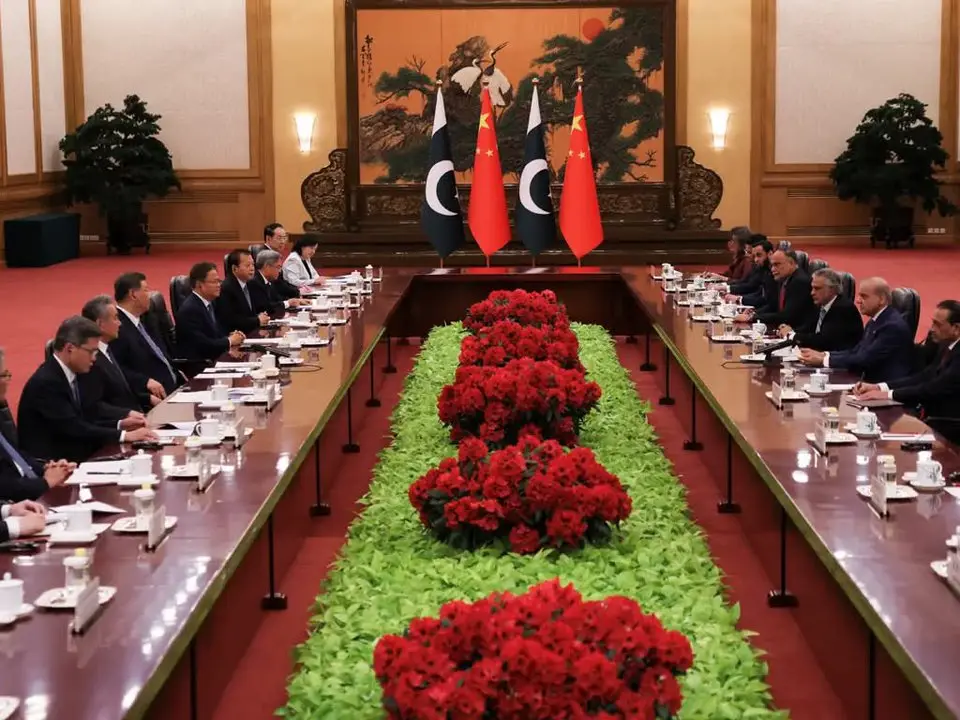
&imwidth=800&imheight=600&format=webp&quality=medium "Shehbaz Sharif, Asim Munir in China as Pak pushes Iran war mediation; Xi calls ties with Islamabad ‘unbreakable’")
Pakistan Prime Minister Shehbaz Sharif and army chief Asim Munir are in Beijing, China, on Monday (May 25) for talks with Chinese leaders as part of ongoing mediation efforts to formally end the Iran war. On Friday and Saturday, Munir was also in Iran alongside Pakistan's Interior Minister Mohsin Naqvi to mediate to formally end the war.
China has said it is willing to work with Pakistan to make positive contributions to the early return of peace and stability in the Middle East. Pakistani Prime Minister Shehbaz Sharif began his four-day official visit to China on Saturday in Hangzhou, located in Zhejiang province.
Pakistan has recently taken on a key mediating role between the United States and Iran, hosting direct talks between the two sides last month. However, the discussions did not result in a long-term agreement. Meanwhile, China has largely stayed in the background, facilitating phone conversations and meetings with officials from Gulf nations affected by the conflict.

Speaking to Chinese leaders in Beijing, Sharif said "the world is passing through a critical moment", Pakistan television showed. "Pakistan has played a sincere role in mediating between the US and Iran. Field Marshal was in Tehran and did not want to miss this great visit," the images carried by Pakistan's state channel PTV showed. "Things are moving in the right direction. I would like to thank China's support in promoting peace."
Also read: Quad foreign ministers' meet takes place in Delhi after Trump-Xi summit. What will be different?
China hails Beijing’s “unbreakable” friendship with Pakistan
Trending Stories
)
Xi Jinping's new AI bloc: China launches 'World AI Body' with Pakistan and Russia in, India out
&im=FitAndFill=(700,400))
FIFA World Cup 2026: 5 football stars who went viral on social media during the tournament
)
Karoline Leavitt to be US Vice President when Usha Vance gives birth? JD Vance says...
)
Sonam Wangchuk's connection with George Soros and Ford Foundation explained!
)
'There is no need for...': PM Modi takes a veiled dig at Rahul Gandhi, sends big message amid Parliament March
)
'Could be bombed at any moment': What Iran's Araghchi told Trump envoy Witkoff during negotiations
)
Salman Khan breaks silence on health concerns after viral Mumbai appearance
)
BTS at FIFA 2026: Check the halftime show timings for India and across the world
)
'George Soros playbook': Understanding the foreign funding network around Sonam Wangchuk
&im=FitAndFill=(700,400))
New OTT releases this week (July 20-26, 2026): Musafir Cafe, Adarsh Baal Vidyalaya, 72 Hours- 5 new titles coming on Netflix, Prime Video and more
&im=FitAndFill=(700,400))
2026 FIFA World Cup awards: Full list of Golden Boot, Golden Ball, Golden Glove and every major winner
)
JD and Usha Vance welcome fourth child: Who serves as acting US vice president during Vance's paternity leave?
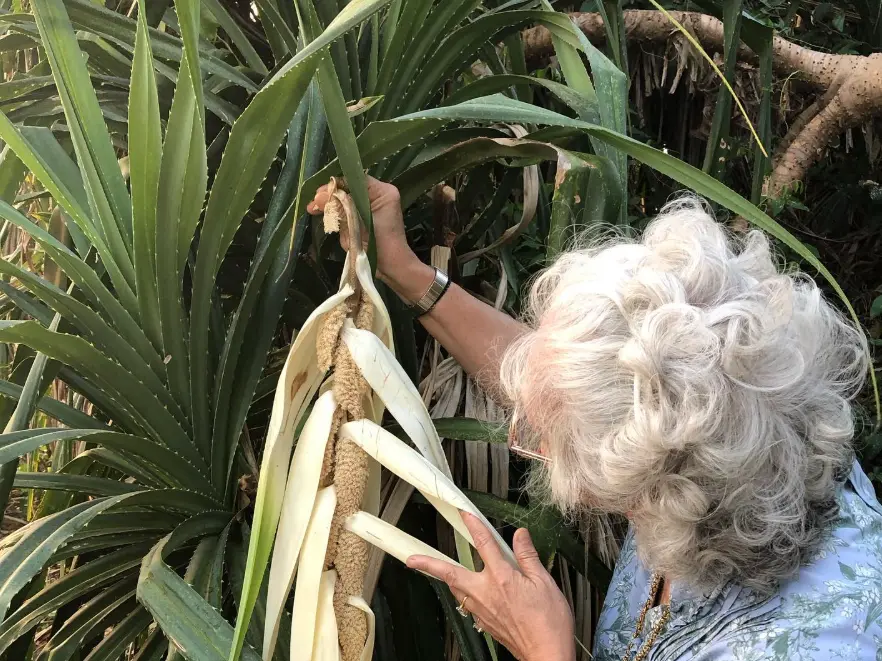)
Older than Himalayas: 85mn-year-old Kewra plant reached India 24mn years ago, fossil discovery in Assam shows
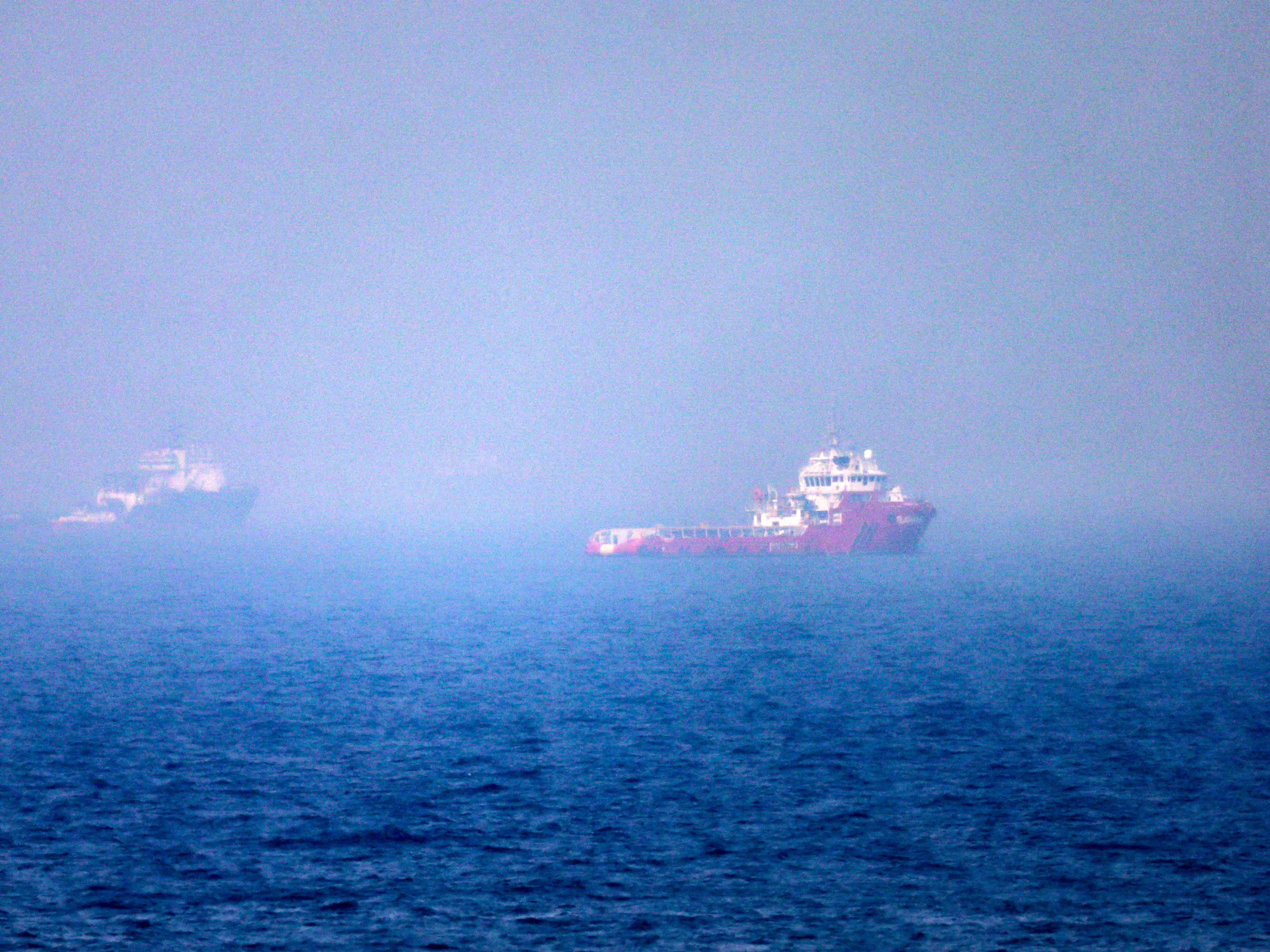)
Did Iran secretly ship 70 million barrels of oil to China? Report claims $6 billion crude exported before blockade restored
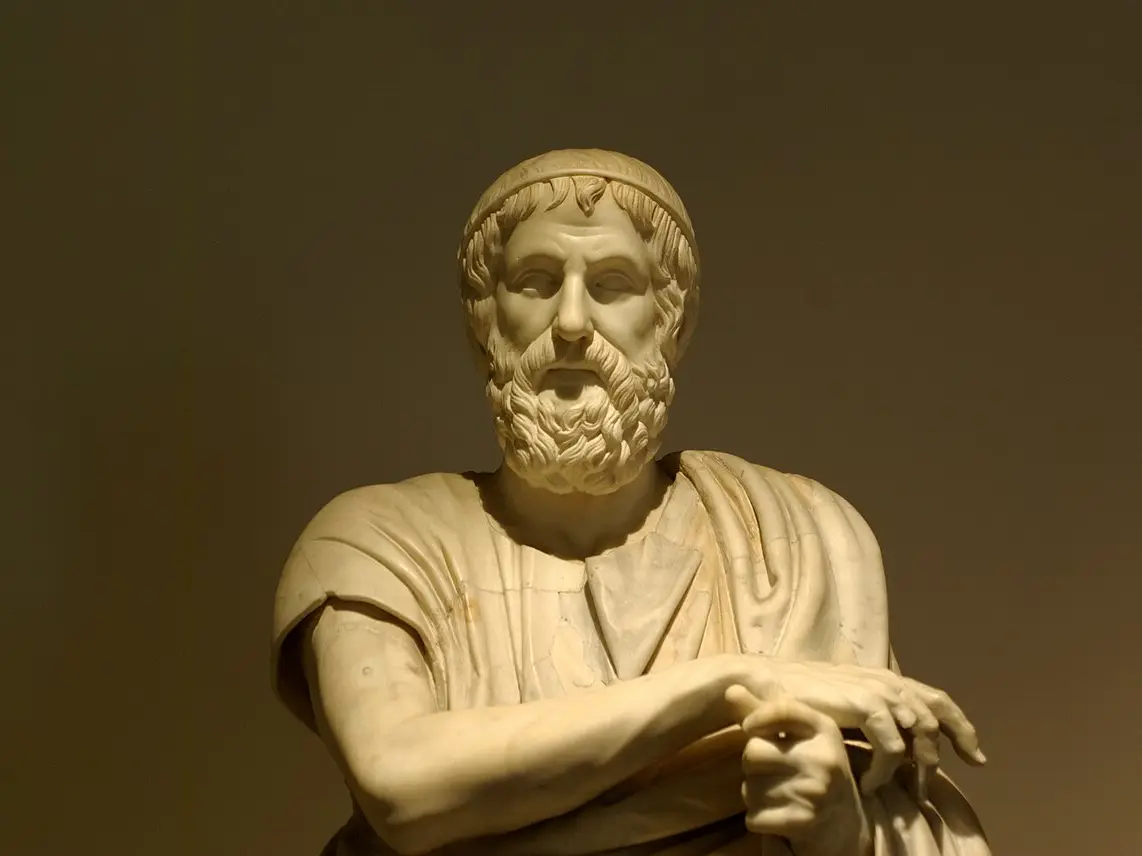)
Homer's Iliad written before The Odyssey found inside an Egyptian mummy
&im=FitAndFill=(700,400))
FIFA World Cup 2026 awards race: Who are Golden Boot, Golden Ball and Golden Glove contenders ahead of the final
&im=FitAndFill=(700,400))
Global air power ranking 2026: India surpasses China
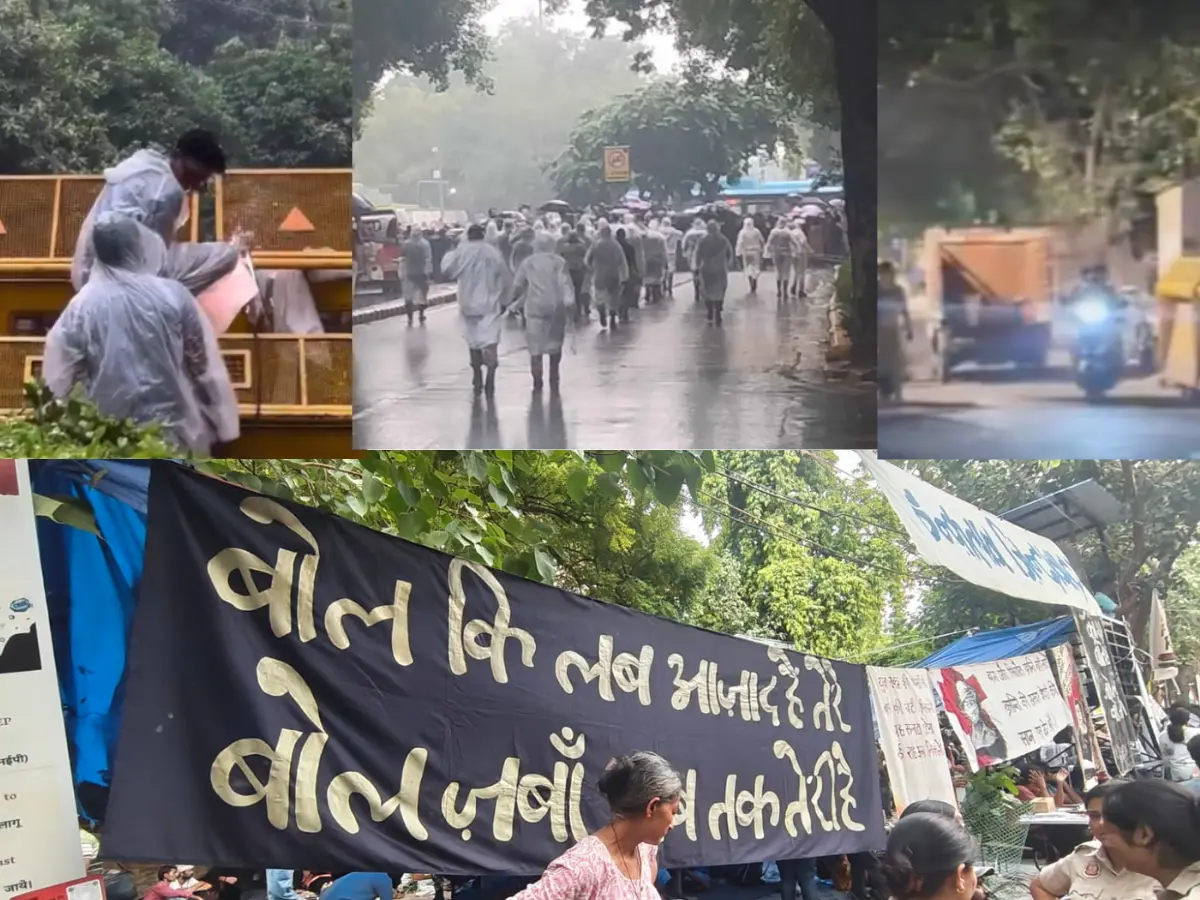)
Truck loaded with stones, metro stations closed: What's happening at Jantar Mantar now
&im=FitAndFill=(700,400))
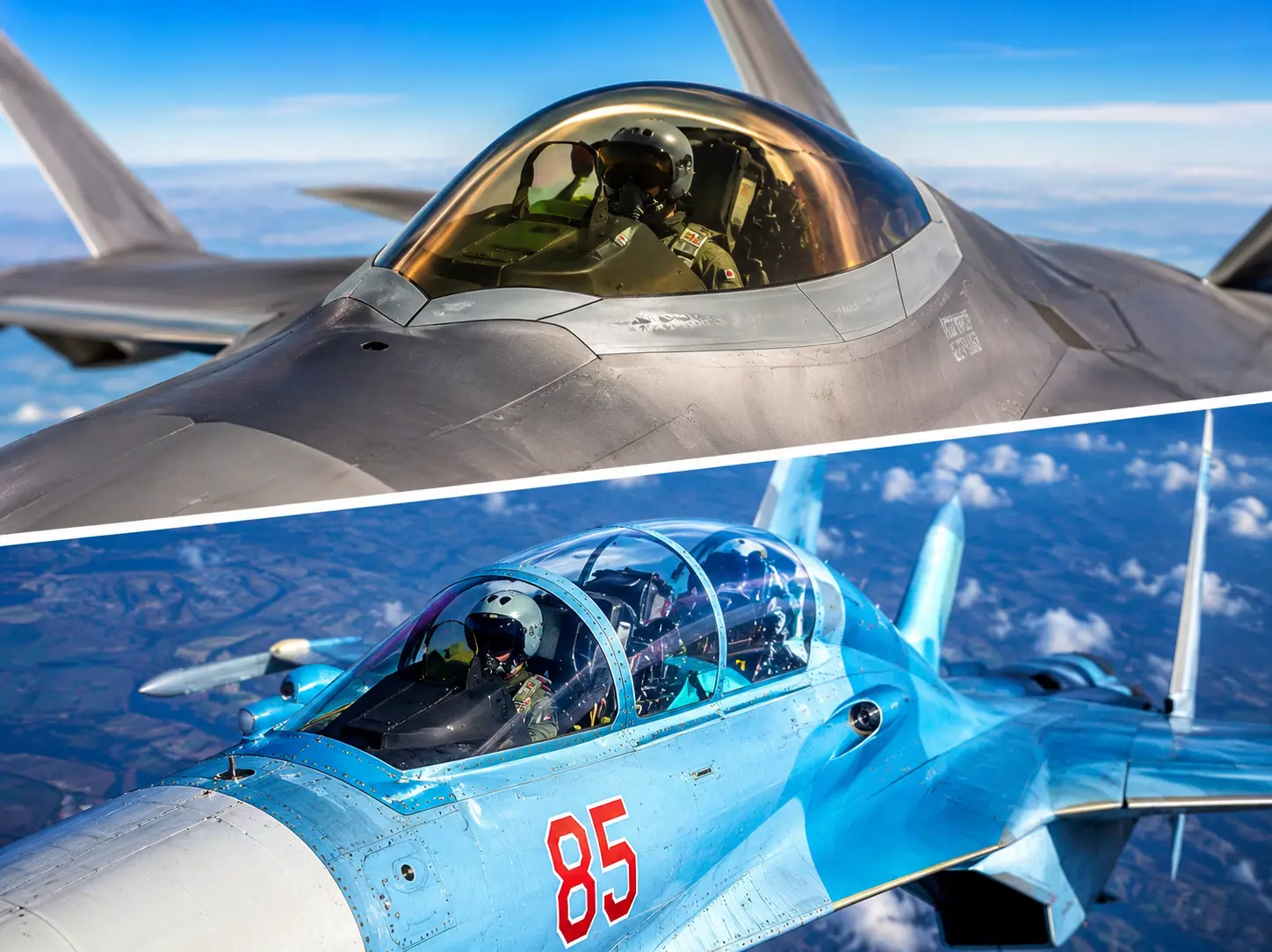
Why US fighter jets use seamless bubble canopies compared to Russian jets
&im=FitAndFill=(700,400))
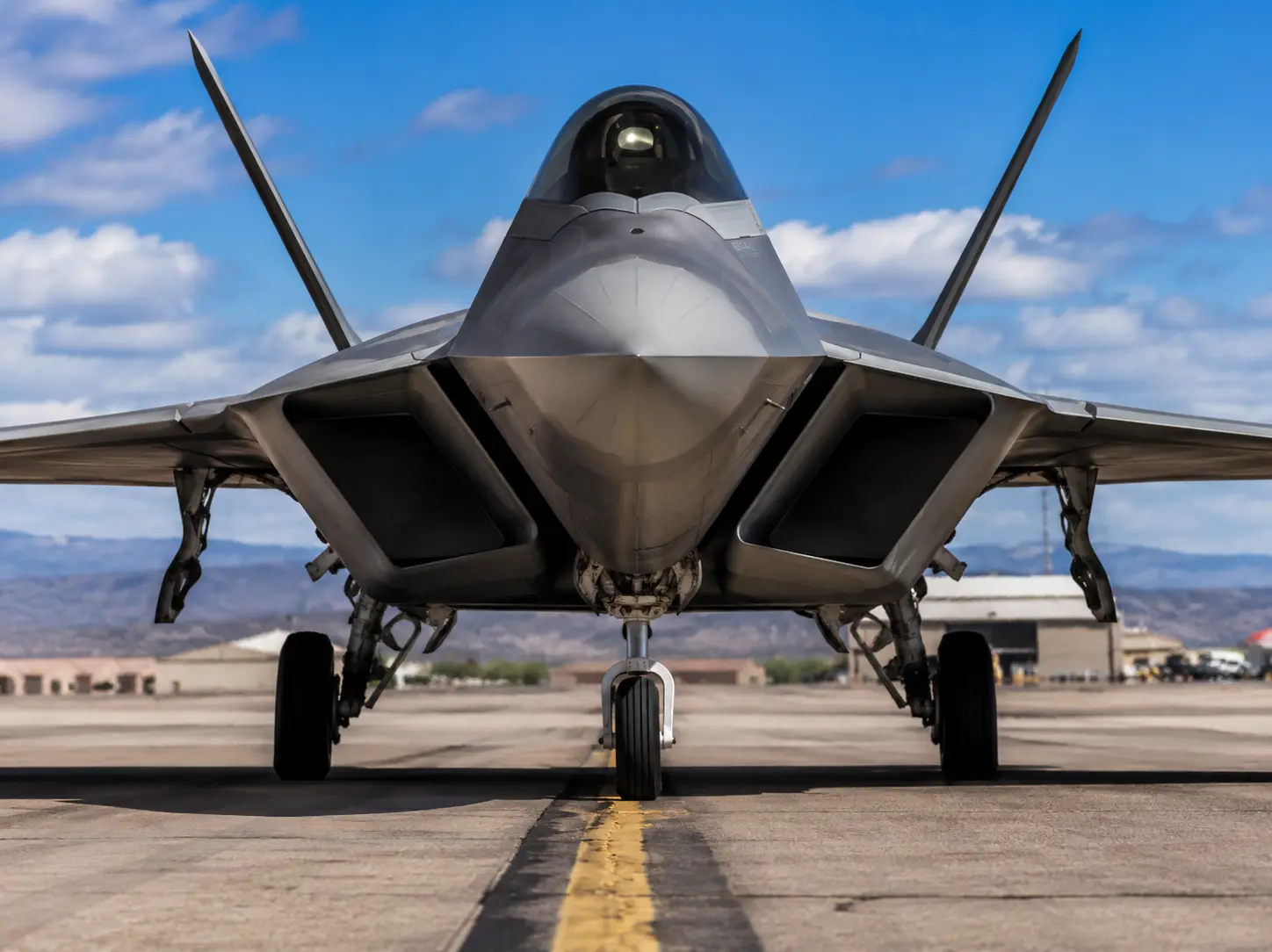
Why the F-22’s cockpit glass is thicker than a standard fighter jet
)
Student union leaders call off hunger strike at Jantar Mantar after civil society appeal, but protest continues
)
FIFA 2026: BTS lights up World Cup final halftime show with 'Dynamite' performance
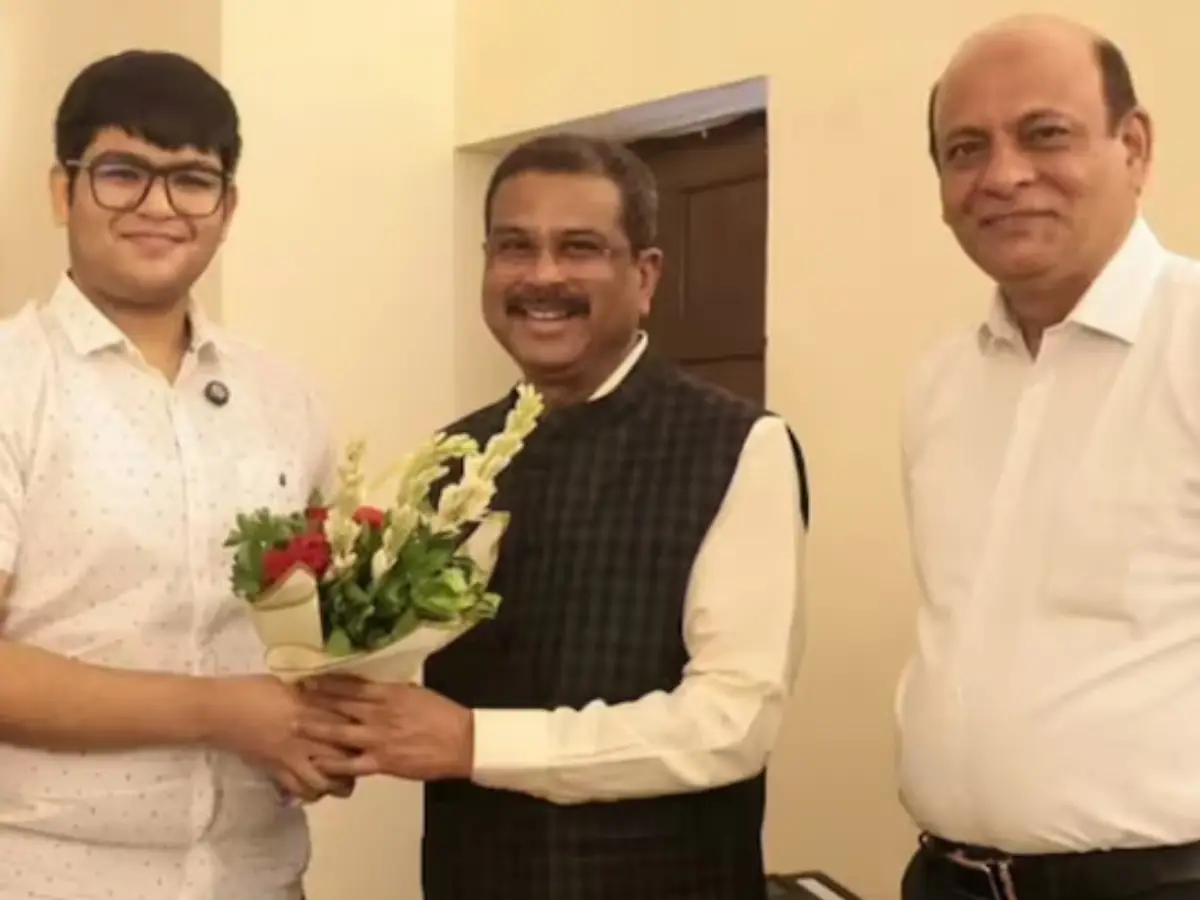)
'Chalo Sansad' march today: Section 163 in force, Delhi Police remove barricades; unfazed Dharmendra Pradhan meets NEET topper
&im=FitAndFill=(700,400))
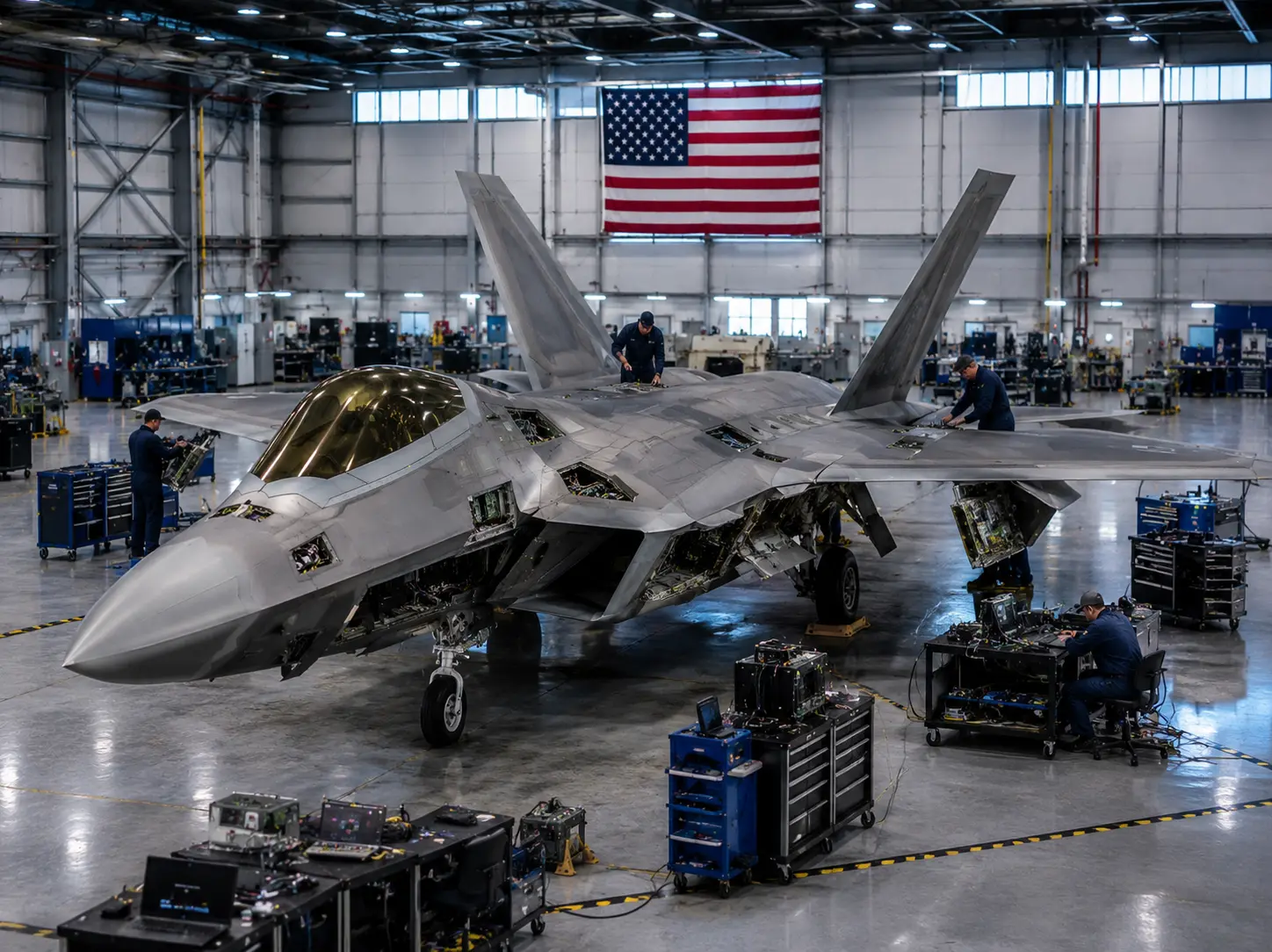
Why the F-22’s tail fins are canted to minimize its radar footprint
)
Imran Khan's sister links India-Pakistan 2025 conflict to Israel recognition plans
)
US strikes Iran, sirens heard in Kuwait, one American soldier killed in Iraq: What's happening in West Asia
)
Argentina's racism problem: How football chants reflect a deeper historical legacy
)
'What is wrong...': Anna Hazare breaks silence on Sonam Wangchuk's protest, makes an appeal to Centre
Xi Jinping, China’s President, hailed the “unbreakable” friendship of Beijing with Pakistan during their meeting in Beijing, seeking to deepen the “all-weather” partnership between the two countries, according to Reuters.
In April, Pakistan hosted the only face-to-face negotiations between American and Iranian officials since the conflict began. Asim Munir played a prominent role during the talks, welcoming both delegations and sharing a cordial interaction with JD Vance. The negotiations later collapsed after Iran accused the United States of placing “excessive demands” during the discussions.

