Scientists discover remains of smallest of its kind, extinct penguin species

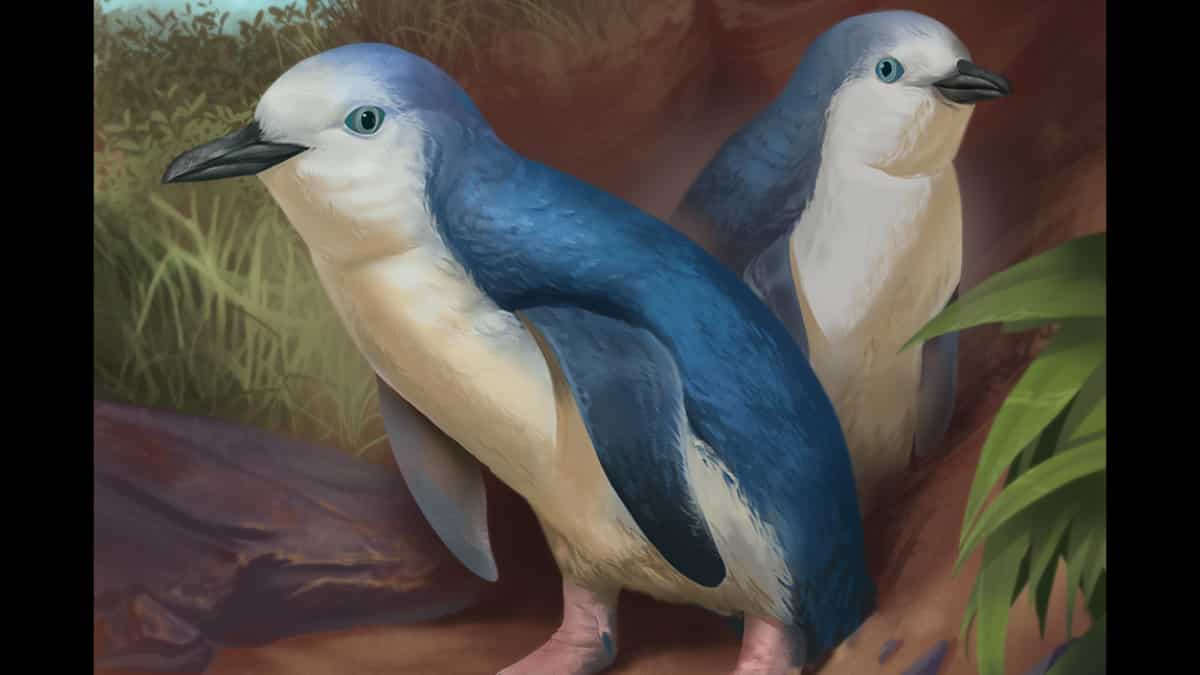
Little Penguin
Scientists uncovered the remains of the smallest extinct penguin species ever found which are said to have waddled their way around New Zealand around three million years ago. The study related to the findings was published, last month, in the Journal of Paleontology.
What did the scientists find?
The two fossils were discovered by Karl Raubenheimer in the three-million-year-old sediments in the southern Taranaki region of New Zealand’s North Island. According to the study, the fossilised skulls are said to belong to the newly discovered species, named Wilson’s little penguin (Eudyptula wilsonae).

The fossils were analysed by a team led by the Massey University of New Zealand and found that the nearly complete skulls belonged to an adult and a fledged juvenile who determined that they appear to be a part of the little penguin (Eudyptula minor) lineage.
The skulls are remarkably similar in both size and shape to little penguins which exist today and are the smallest living species of penguin. The researchers were unsure about how small the extinct penguins were since they did not find any other bones, however, the living penguins typically grow around 35 centimetres and weigh 0.9 kilograms.
What did the researchers say about the discovery?
In a statement, the researchers said that the findings help confirm the Zealandian origin of the little penguins as well as their presence during the Neogene period. Currently, little penguins and their four subspecies live across New Zealand, Australia and Tasmania but very little was known about their origins.
Scientists also wrote about how the recent findings have helped fill the gaps in this ecosystem’s history as well as provide insights into other extinct and living species from the country. “These newly discovered fossils show little penguins like kororā have been part of coastal ecosystems of Zealandia for at least three million years,” said Dr Daniel Thomas, a zoologist at Massey University in New Zealand, in a statement.
He added, “This is important when thinking about the origins of these penguins, the evolution of the seabird diversity of Aotearoa and the dynamic environment in which they live.” This comes as in June 2022, over 500 little penguins mysteriously washed up dead on beaches in New Zealand, reported Live Science.
While the researchers were unsure of what killed them, it was speculated that climate change may have played a role. It was also found that most of the dead seabirds were significantly underweight which had been attributed to the hotter ocean surface temperatures, caused by climate change, that might have driven the little penguins’ prey further away from their reach.
“The rising temperature means more species will find Aotearoa habitable, so it’s important to learn as much as we can about the species that lived here during the last warm-world phase,” said Dr Thomas.
WATCH WION LIVE HERE
You can now write for wionews.com and be a part of the community. Share your stories and opinions with us here.