Sally strengthens to hurricane, bears down on US Gulf Coast

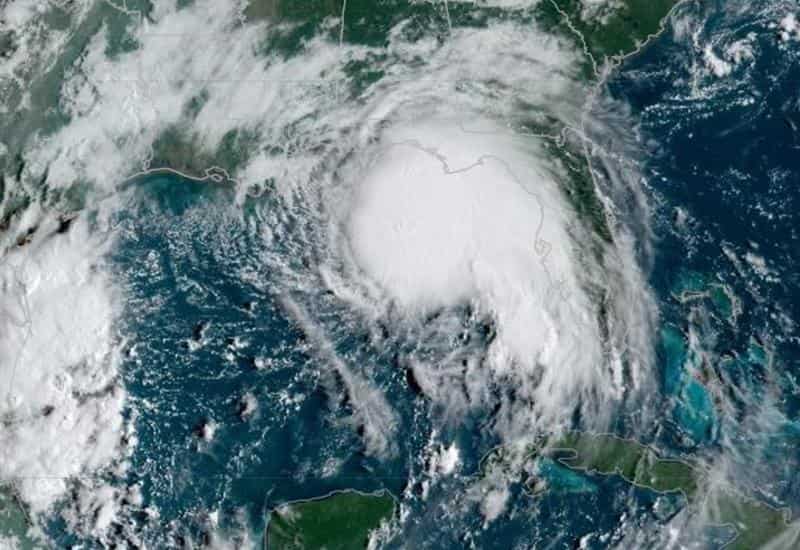
Sally turns into hurricane
Evacuation orders were issued for the residents of Louisiana and Mississippi on Monday as Hurricane Sally strengthened to a hurricane ahead of expected landfall on Tuesday.
Sally is the second storm in less than a month to threaten the region. Churning across the Gulf of Mexico, Sally was headed toward a slow-motion landfall on the US Gulf Coast.
Residents from Louisiana to Florida were told to expect heavy rain, storm surge and high winds.

Sally is the 18th named storm in the Atlantic this year and will be the eighth of tropical storm or hurricane strength to hit the United States.
Mississippi and Louisiana issued mandatory evacuation orders to residents of low-lying areas.
The US Coast Guard was limiting traffic from the Port of New Orleans, while energy companies slowed or cut refinery output and scrambled to pull workers from offshore oil and gas production platforms.
At 1 pm CDT (1800 GMT), Sally was 125 miles (210 km) east-southeast of the mouth of the Mississippi River, packing sustained winds of 90 miles (145 km) per hour, according to the NHC.
The storm will approach southeastern Louisiana on Monday night but not make landfall until sometime on Tuesday, the NHC said. Its slow movement is expected to dump 8 to 16 inches (20 to 40 cm) on the coast and cause widespread river flooding.
A expected turn to the north is "going to be critical for the New Orleans area," said Jim Foerster, chief meteorologist at DTN, an energy, agriculture and weather data provider. Mississippi appears more likely for landfall, but Sally's biggest threat is that it will be a "rainmaker" across a wide swath of the Gulf Coast and drop much as 3 to 4 inches (7.62 to 10.2 cm) in areas as far inland as Atlanta, Foerster said.
Residents of southwestern Louisiana are still clearing debris and tens of thousands of homes are without power after Hurricane Laura left a trail of destruction. Sally's path remains east of that hard-hit area.
Damage from Sally is expected to reach $2 billion to $3 billion, but could exceed that if the storm's heaviest rainfall happens over land instead of in the Gulf, said Chuck Watson of Enki Research, which models and tracks tropical storms.