Report: Second US monkeypox death as virus linked to brain inflammation

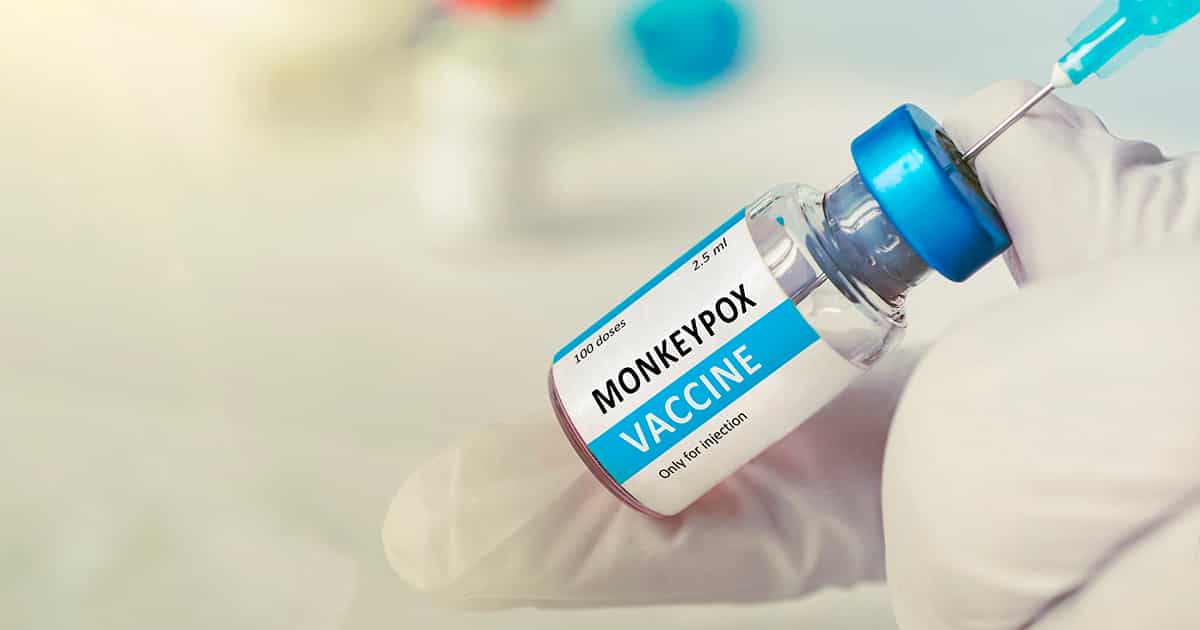
Monkeypox deaths
US health authorities published a studyon Tuesday outlining how two previously healthy young men developed inflammation of the brain and spinal cord as a result of monkeypox, which led to the discovery of a second US death that was associated with the virus.
Since authorities began distributing hundreds of thousands of vaccine doses in mid-August, the number of new cases have been declining. There have been roughly 22,000 US cases in the current global outbreak, which started in May.
Los Angeles County's local health department reported the most recent fatal case was a critically immunocompromised patient who had been hospitalised, but provided no other information.

"Persons severely immunocompromised who suspect they have monkeypox are encouraged to seek medical care and treatment early and remain under the care of a provider during their illness," the department said.
The first US death associated with the virus occurred in Texas on August 30, but officials stated they were still looking into the possible contribution of monkeypox due to the patient's severe immunocompromised state.
)
Three labourers killed as DU student loses control of his car, rams into them on Dwarka Expressway
)
Pentagon revives mandatory testosterone testing for male troops aged 30 and above
)
FACT CHECK: Why did PM Modi ask Xi ‘is it okay’ at BRICS Summit? New video reveals...
)
India seeks to build a full semiconductor supply chain
&im=FitAndFill=(700,400))
From Abhishek Sharma to Sahil Chauhan, 5 batters with fastest T20I hundreds
)
Indian activist-lawyer Prashant Bhushan's post brings focus on ‘conflict of interest’ appointments of ex-govt officials at Reliance, Adani groups
)
Pyongyang dismisses US, western pressure over nuclear programme
)
US And Denmark reach Greenland deal, Trump announces expanded military presence
)
Google’s Gemini AI hacks real systems by guessing passwords during security test
)
Former India player Diana Edulji wants Smriti Mandhana to replace Harman as skipper at the earliest
)
China may have gained access to US's classified F-35 jets; parts meant for repairs diverted to Hong Kong, sparking Pentagon inquiry
)
NASA research plane reaches 61,000 feet over Panama
)
Godfather of AI Geoffrey Hinton gives US lawmakers a one-year warning on AI
)
Shivakumar attends 79th Kalyana Karnataka Utsav in Kalaburagi
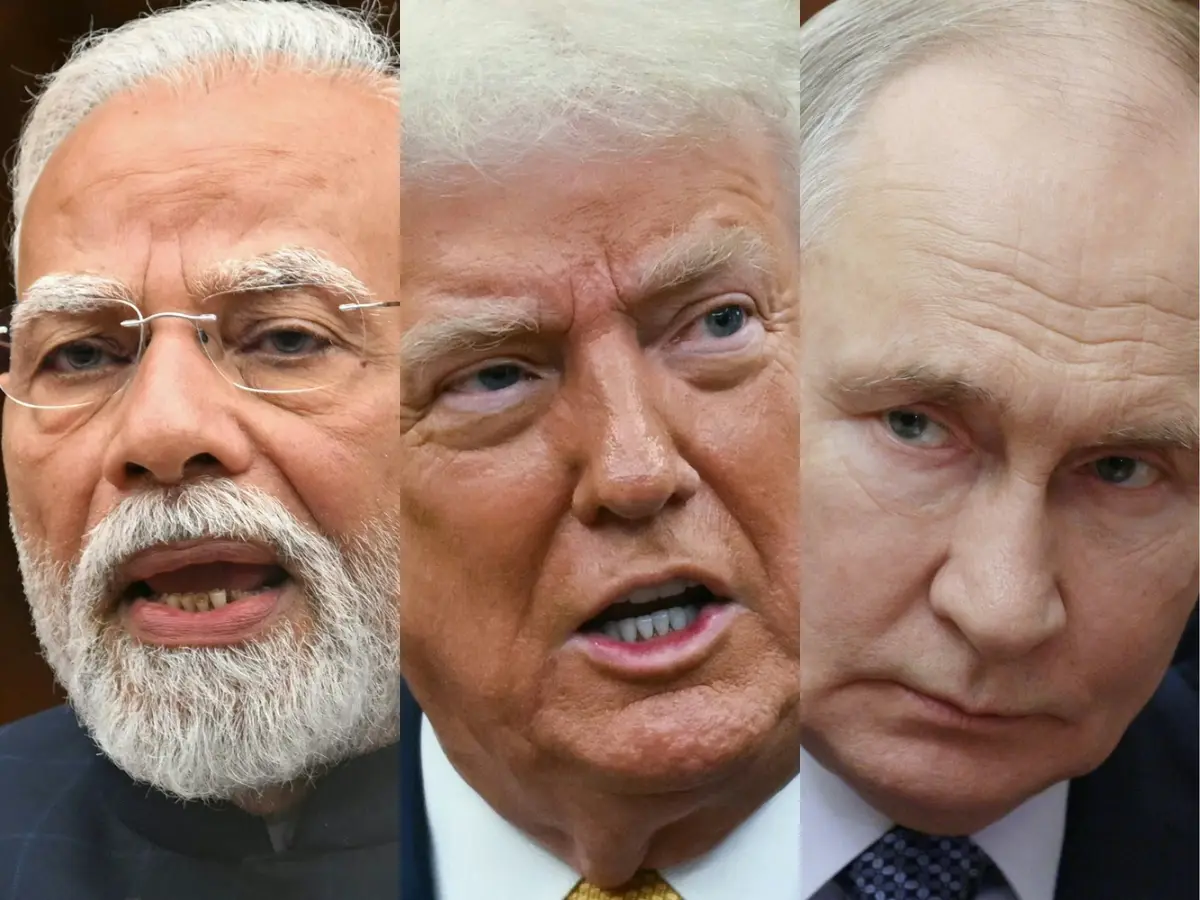)
Trump signs Russia sanctions law: India faces fresh 100% tariff threat over Russian oil
)
Why Ranveer Singh’s Dhurandhar missed India’s Oscar entry; FFI jury member reveals what happened
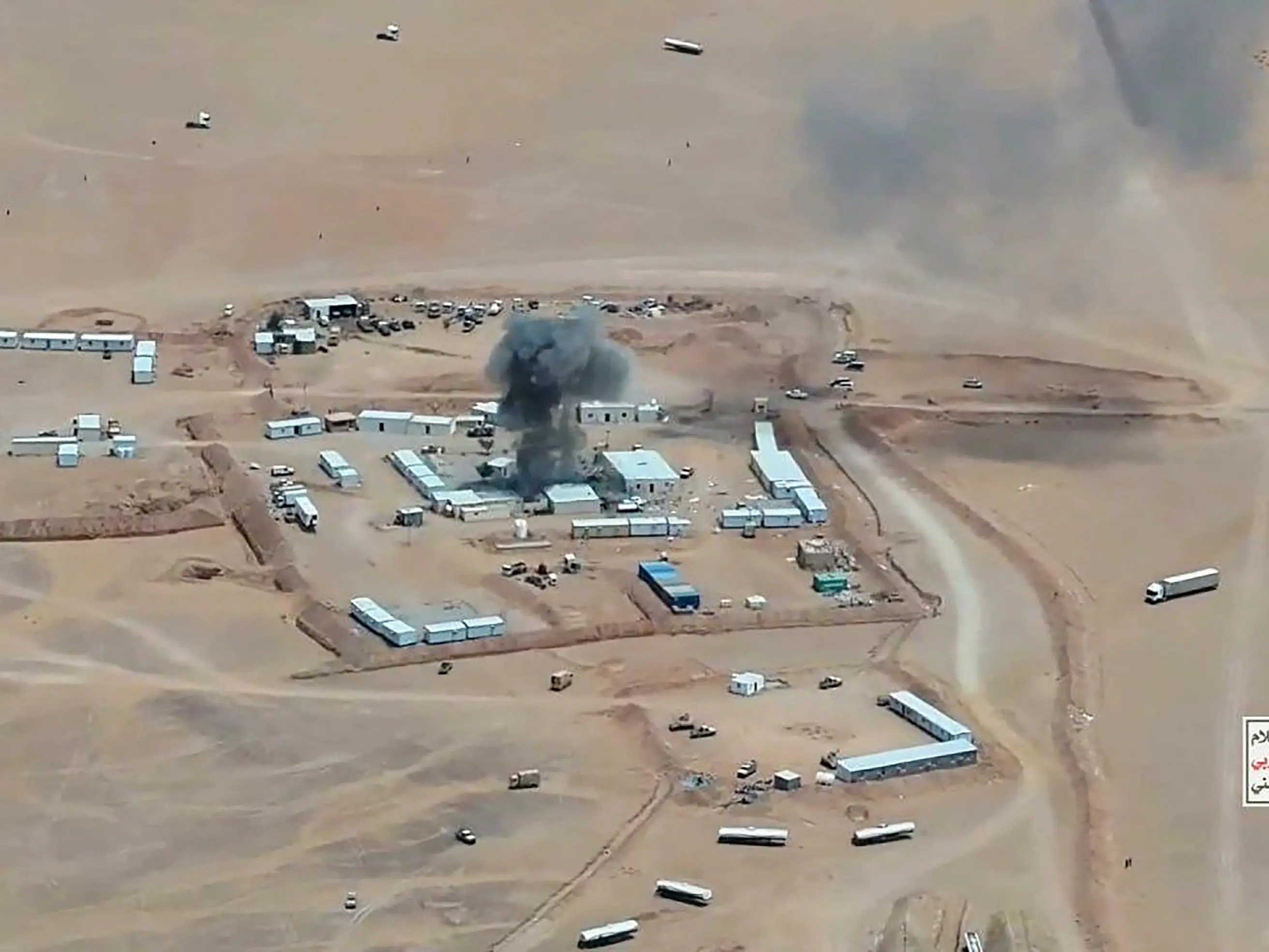)
‘Will go to any extent’: Pakistan vows to defend Saudi Arabia amid Houthi attacks
)
The Verdict | When precision fails: US commits war crime in Minab school strike, UN finds
)
Trump signs Russia sanctions bill into law, targets Moscow’s energy sector
&im=FitAndFill=(700,400))
New Friday OTT releases (September 18, 2026): Lust Stories 3, You+Me, Best of the Best- 8 new titles coming on Netflix, Prime Video and more
)
Fast bowler Brydon Carse faces no charges over Derby nightclub incident
)
Flying cars in UAE: Ras Al Khaimah signs deal with Chinese company to test new transport
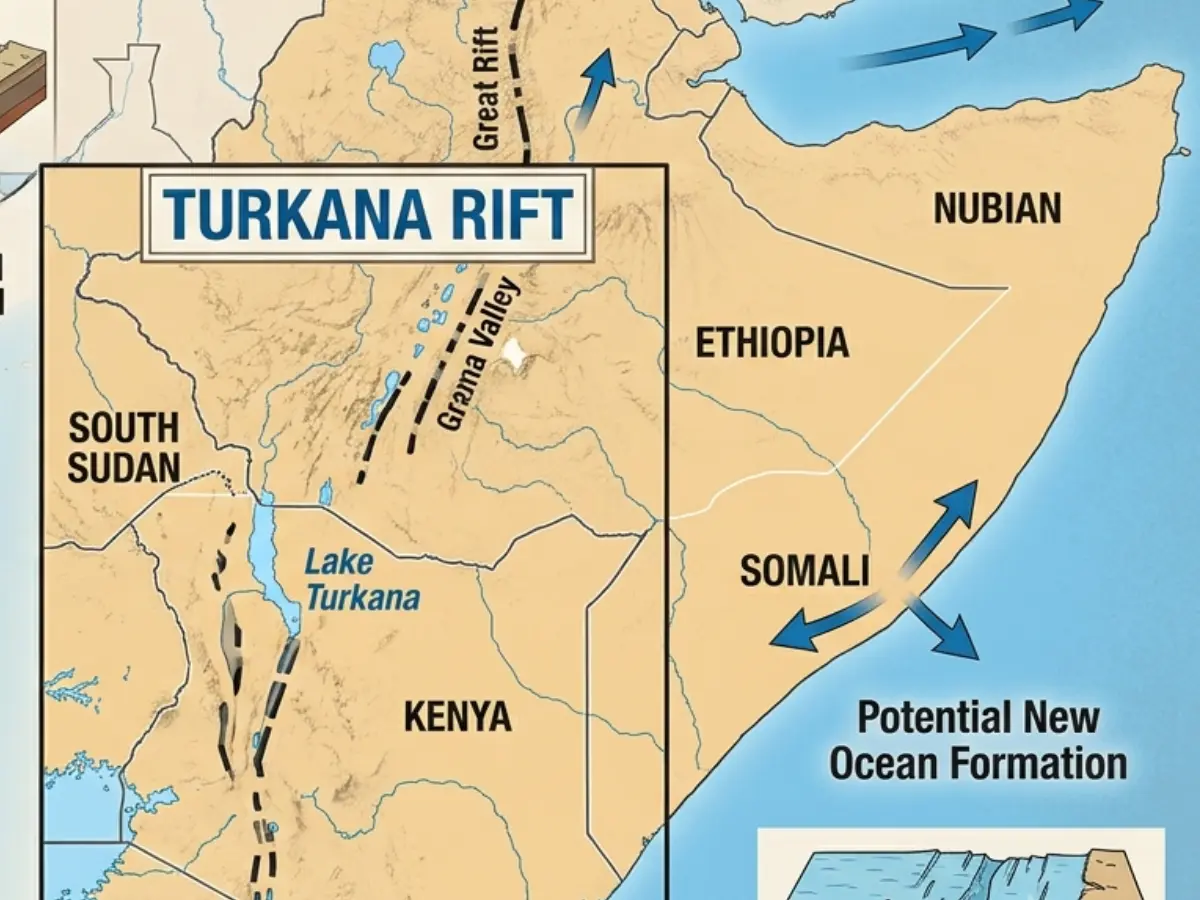)
Africa is splitting, and a lot sooner than estimated, giving way to a new ocean
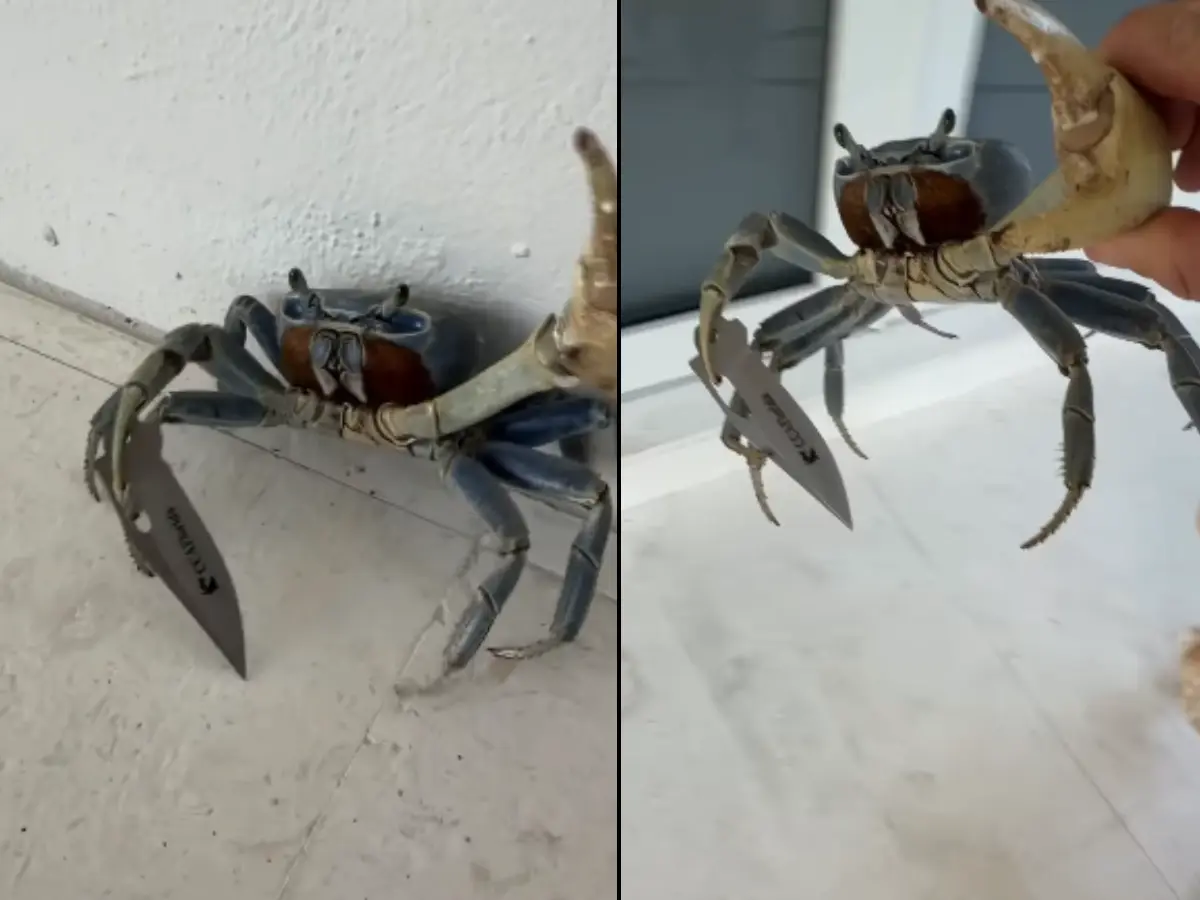)
'Gangsta' crab shoves knife blade at man and his dog in Florida - Watch
)
Trump bans CNN, MS NOW and Politico from White House over ‘FAKE NEWS’
)
Trump 2.0: Dark days ahead for America’s ‘imperial presidency’
)
Trump's Greenland dream comes true? POTUS announces 'Infinite Life' deal with Denmark, claims permanent US control
)
Laura Wolvaardt sets new world record for most WT20I runs in a year
)
Drone strikes cooling tower at Russia's Kursk Nuclear Plant, IAEA confirms
)
Who is Khalilur Rahman? All you need to know about 81st UN General Assembly President
)
IIT Bombay student dies by suicide, was caught seeking AI help during exams
&im=FitAndFill=(700,400))
Meet top 5 bowlers in latest ICC T20I rankings
)
Indian Cinema bets big on mythology, brings ancient stories to modern audiences
)
Ukraine plans record $109 bn defence spending, nearly two thirds of budget amid Russia war
)
Russia holds first parliamentary elections since the beginning of the Ukraine war
&im=FitAndFill=(700,400))
Meet top 5 Indian batters with fastest T20I centuries
Men who have intercourse with other men are particularly affected by the current global outbreak. Through direct contact with lesions, bodily fluids, and respiratory droplets in the past, as well as occasionally through indirect contamination of surfaces like shared beds, the virus has historically been disseminated.
However, there is tentative evidence that suggests sexual transmission may possibly be a factor in this outbreak.
Brain and spinal cord inflammation
Meanwhile, a report on two unvaccinated males in their 30s who developed inflammation in their brain and spinal cord after testing positive for the virus was released by the US Centers for Disease Control and Prevention.
The first, case A, was a gay guy in his 30s from Colorado who developed fever, chills, and malaise before developing rashes on his face, scrotum, and extremities. Swabs taken from the lesions revealed that the virus was present in the patient.
He also experienced a persistent and painful erection, lower extremities weakness and numbness, difficulty emptying his bladder, and was hospitalised.
He was treated with the oral monkeypox antiviral tecovirimat as well as other medications, and his condition started to get better at about three months after an MRI showed inflammation in his brain and spinal cord.
At the one-month follow-up, he was still in need of an assistive walking device due to left leg weakness despite being discharged.
Patient B, a second individual, was a gay male in his 30s from the nation's capital. His fever, skin rashes, and muscle soreness worsened over time, leading to bowel and urinary incontinence as well as gradual flaccid paralysis in both legs.
On an MRI, inflammation of the brain and spinal cord was established. He was then intubated in an intensive care unit and treated with intravenous tecovirimat, a medication to control inflammation, and ultimately a blood plasma exchange.
He's still in the hospital, but he can use a device to help him walk.
(With inputs from agencies)
WATCH WION live TVhere: