
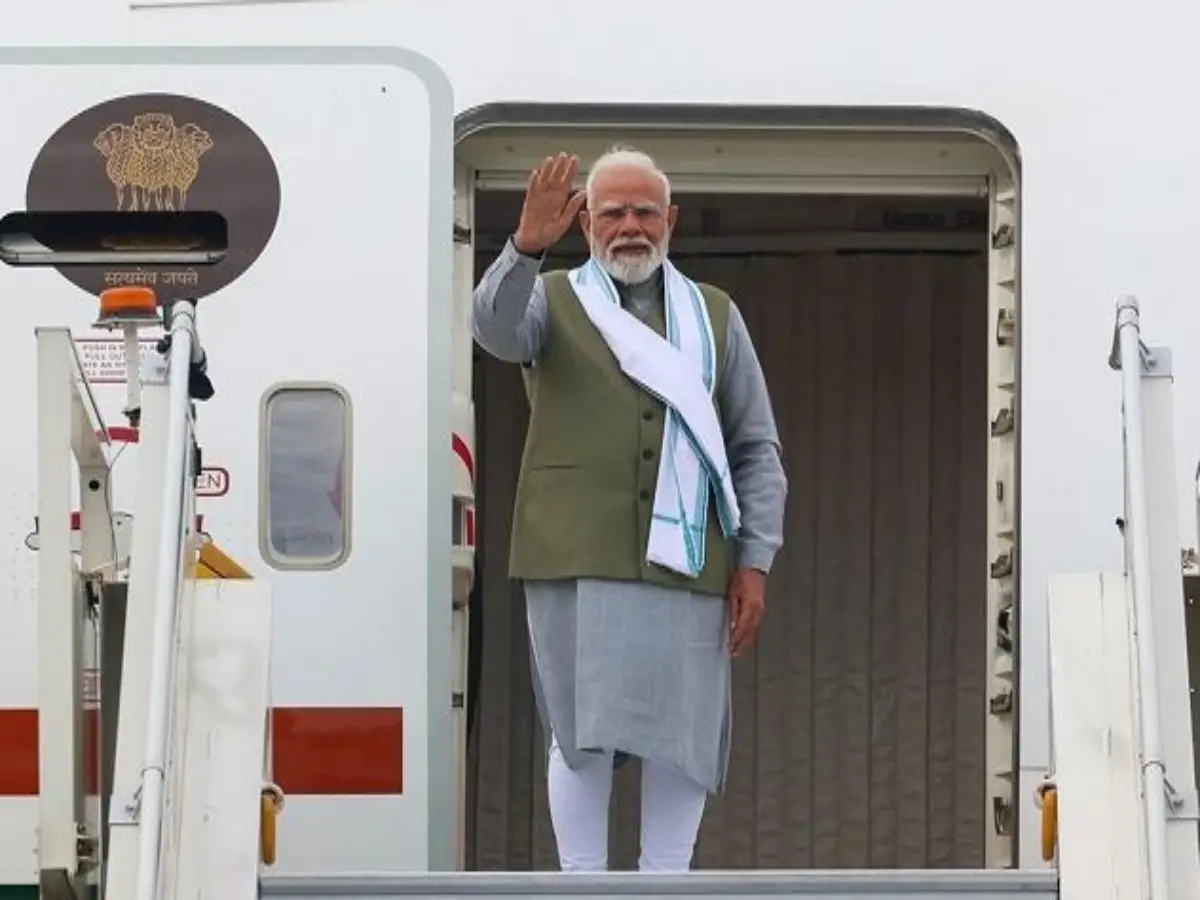
&imwidth=800&imheight=600&format=webp&quality=medium "PM Modi to make historic first visit to Slovakia; announcements on defence, mobility expected")
Prime Minister Narendra Modi is set to become the first Indian leader to visit Slovakia since the country's independence in 1993, in a trip expected to deepen ties between the two nations and signal India's growing engagement with Central Europe.
The visit comes amid steadily warming relations. Diplomatic links were established in 1993 following the dissolution of Czechoslovakia, with India opening its embassy in Bratislava in 1995. Slovakia maintains a resident mission in New Delhi and honorary consulates in Mumbai, Bengaluru and Kolkata.
Recent high-level contacts have accelerated momentum. Indian President Droupadi Murmu visited Slovakia in April 2025, only the second presidential trip after a 29-year gap , while Slovak President Peter Pellegrini attended an AI summit in India earlier this year and met both President Murmu and Prime Minister Modi. External Affairs Minister S Jaishankar made the first visit by an Indian foreign minister to Slovakia in 2022.

Bilateral trade has surged, reaching a record $1.8 billion in 2025, driven largely by Indian exports. Major Indian firms including Tata Motors' Jaguar Land Rover, Tata Consultancy Services and the Motherson Group have established manufacturing operations in Slovakia. Slovak companies are also active in India, particularly in engineering and freight wagons.
Defence cooperation, underpinned by a 1995 agreement, is another area of potential growth, with Indian firms exploring joint production in artillery and armoured systems. An MoU on nuclear regulatory cooperation was signed in 2023, while discussions continue on digital technologies and cyber security. Space ties date back to 2017, when Slovakia's first satellite was launched on an Indian rocket.
Cultural and people-to-people links are also expanding. An Indian cultural agreement runs until 2026, and the Indian community in Slovakia has grown to around 11,000. Slovakia supported India's evacuation of students from Ukraine in 2022 and has backed New Delhi's bid for a permanent UN Security Council seat.
Trending Stories
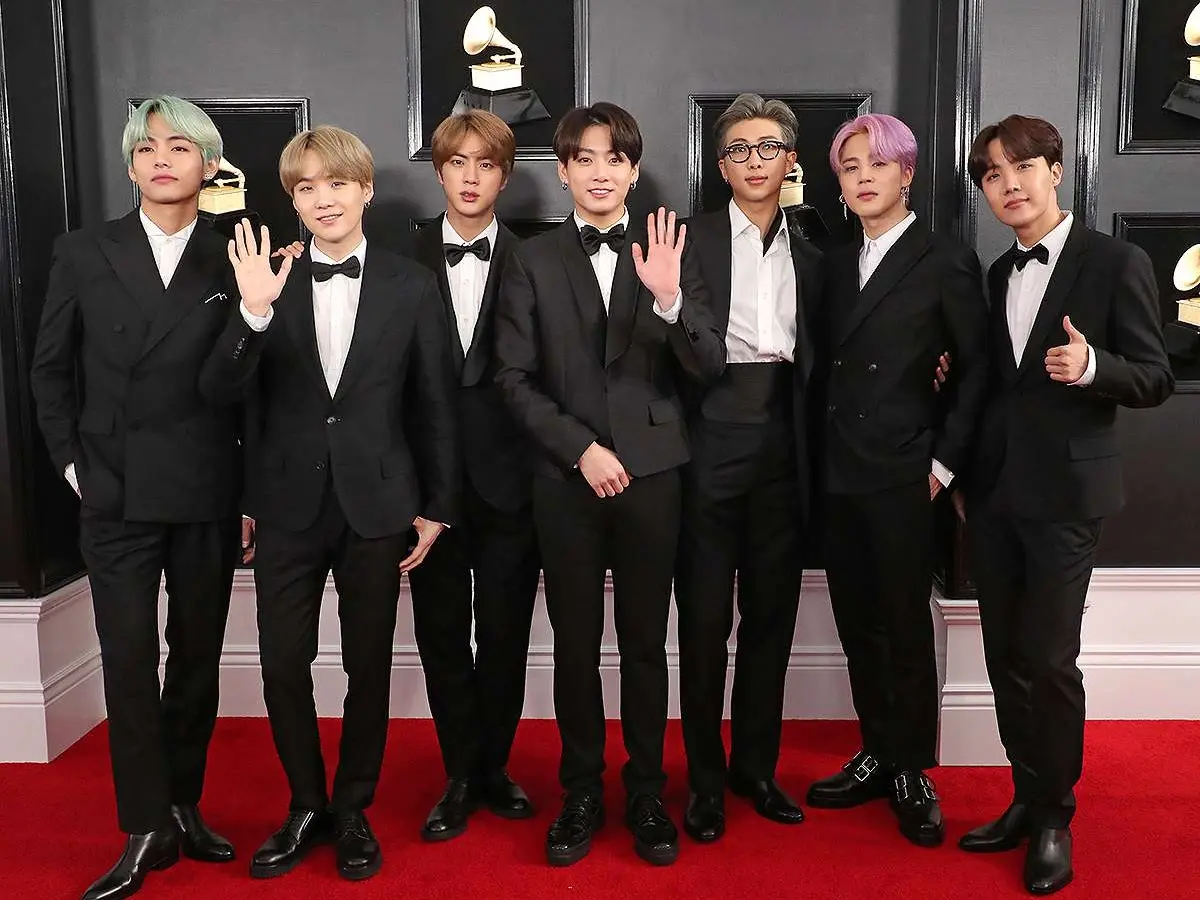)
After BTS' Grammys boycott, HYBE breaks silence: 'This is not a boycott at the company level'
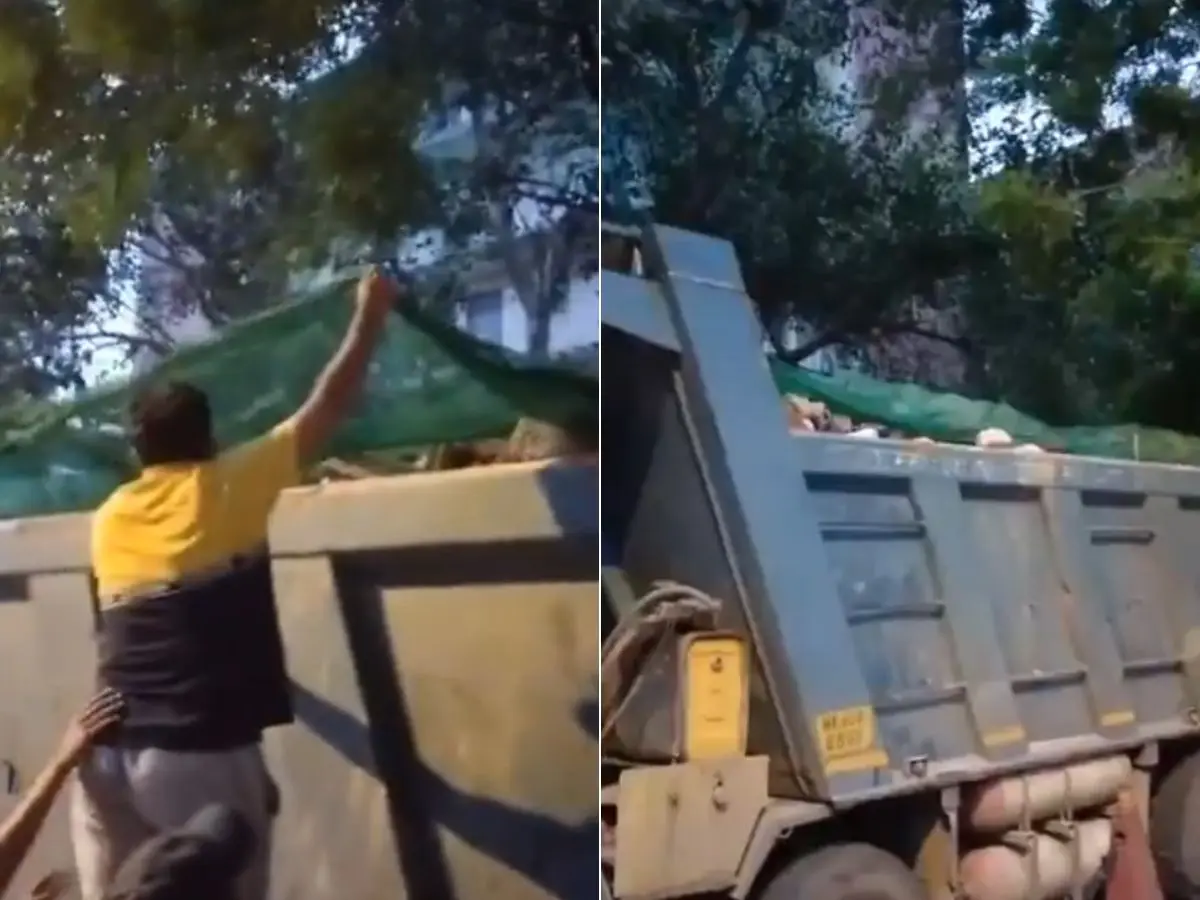)
Was stone-laden truck planted at Jantar Mantar before CJP march? Delhi Police reveals truth about ‘conspiracy’ claim
)
He predicted COVID-19 and 2008 economic crisis, was labeled fearmonger. Now he has another dire warning
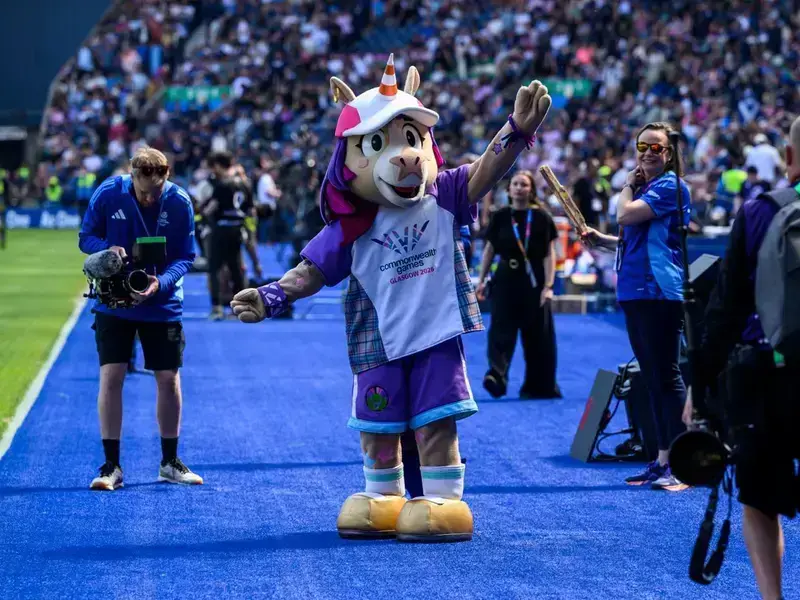)
Commonwealth Games 2026 Day 7: India's full schedule, medal events and match timings
&im=FitAndFill=(700,400))
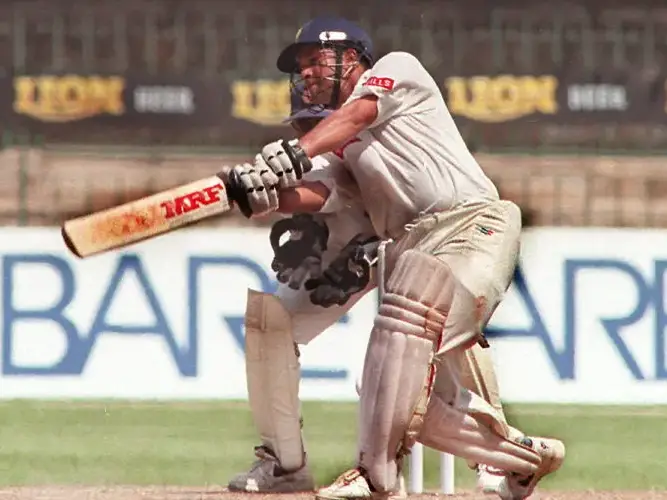
Meet top 5 batters with most Test runs in IND vs SL
)
Flesh Impact: Dakota Johnson transforms as Marilyn Monroe for Maggie Gyllenhaal's short film | See pics
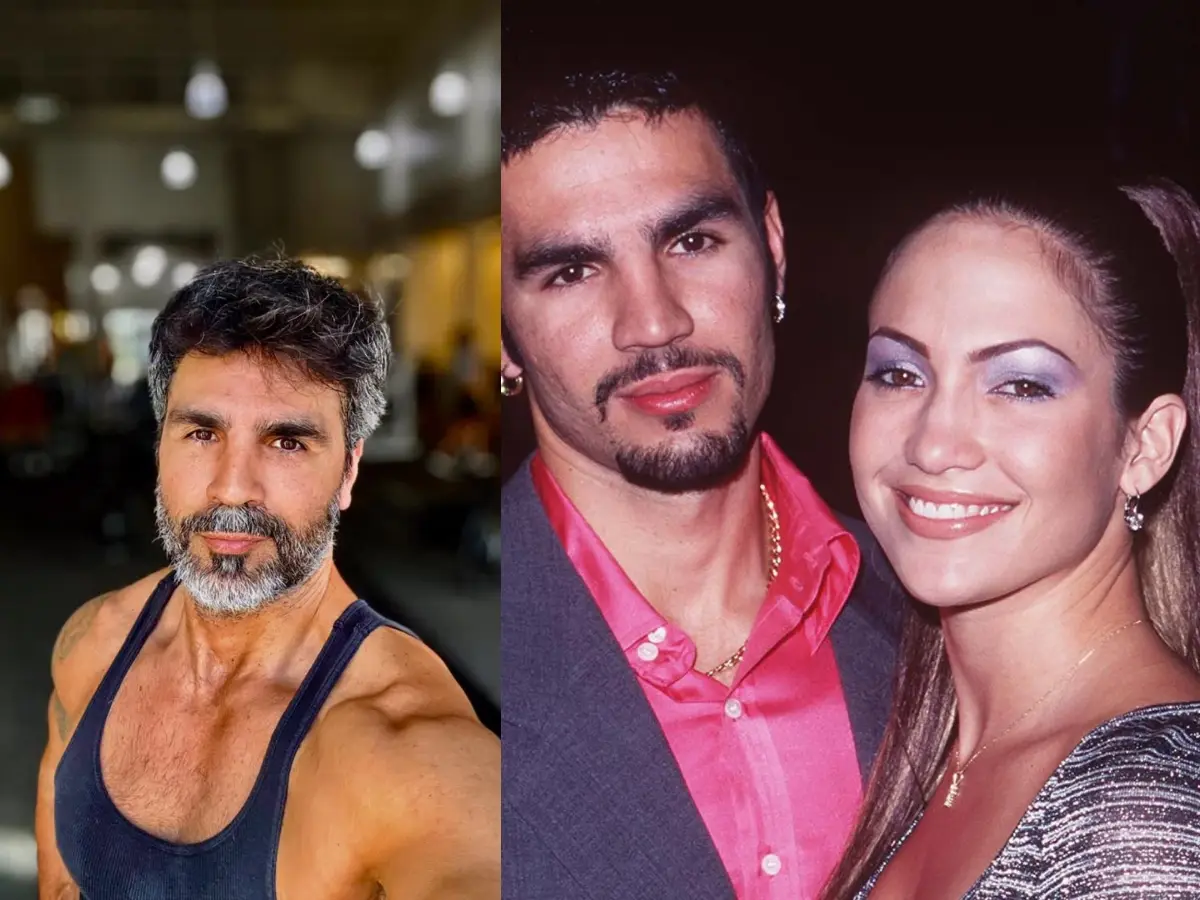)
Jennifer Lopez's ex-husband Ojani Noa claims he confronted Sean 'Diddy' Combs over alleged affair
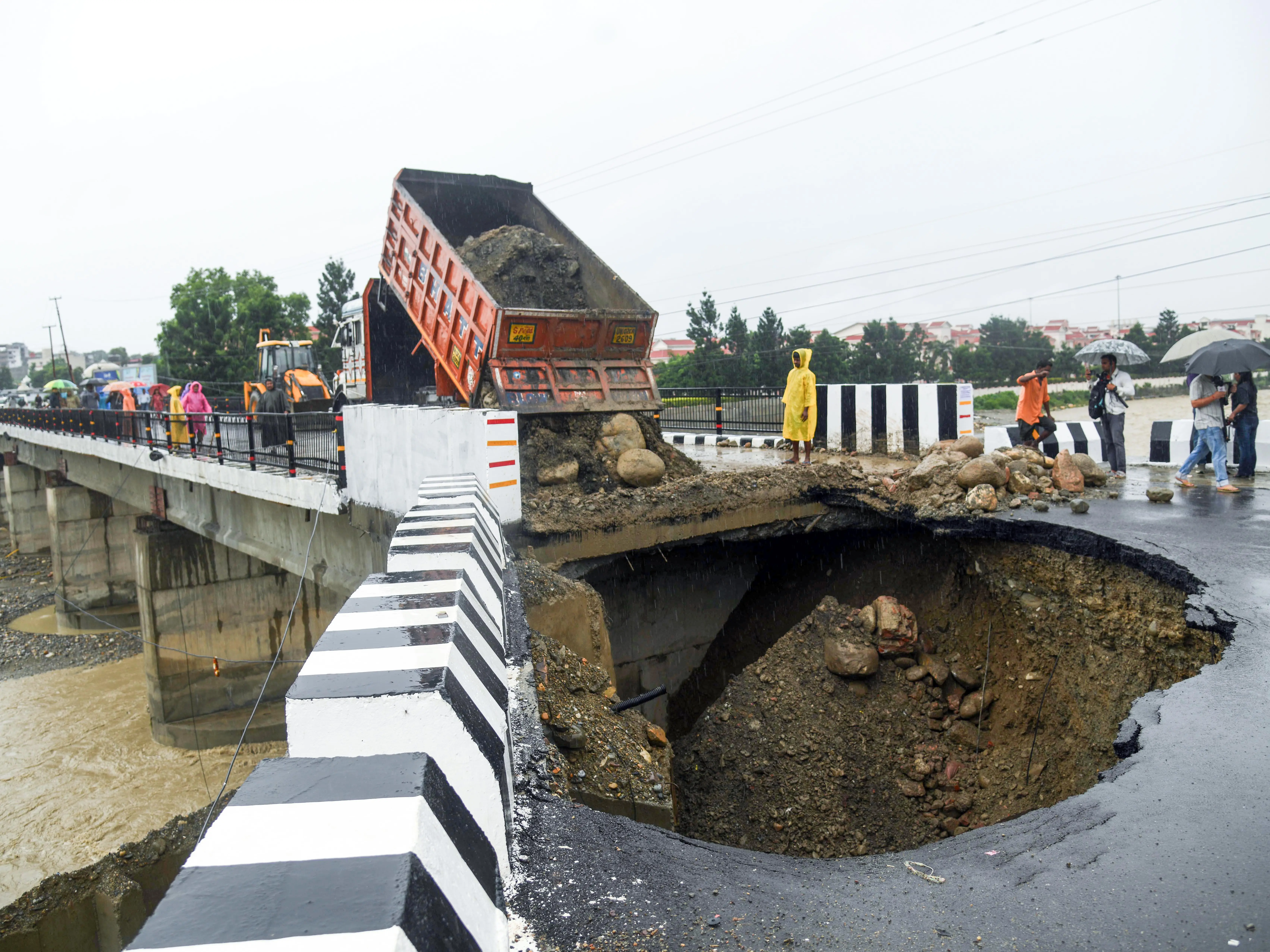)
₹16 crore Dehradun bridge approach road collapses just 17 days after inauguration, repaired within 12 hours
)
Kangana Ranaut clarifies her 'Generation Gutter' remark: 'Gen Z of our country are taking us to such heights' - watch
)
Student denied admission to IIT Kanpur's cybersecurity program hacks websites to prove a point
)
NEET Protests riddled with misinformation? Delhi Police blocks 480 Pakistan-based handles spreading 'fake news' since Operation Sindoor
)
India avoids higher US tariff, secures lower 10% rate. Here's how
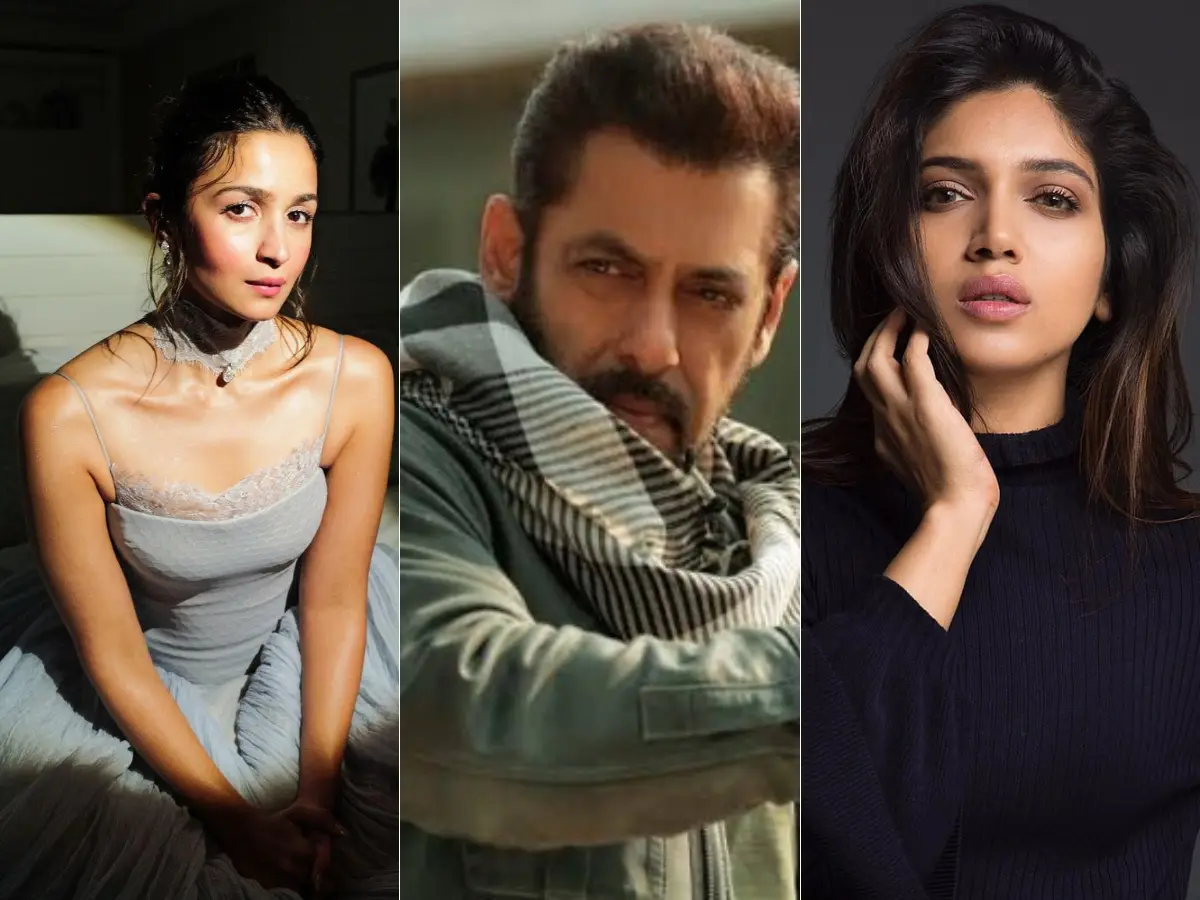)
Assam floods 2026: Salman Khan, Alia Bhatt and other Bollywood celebrities extend support to affected families
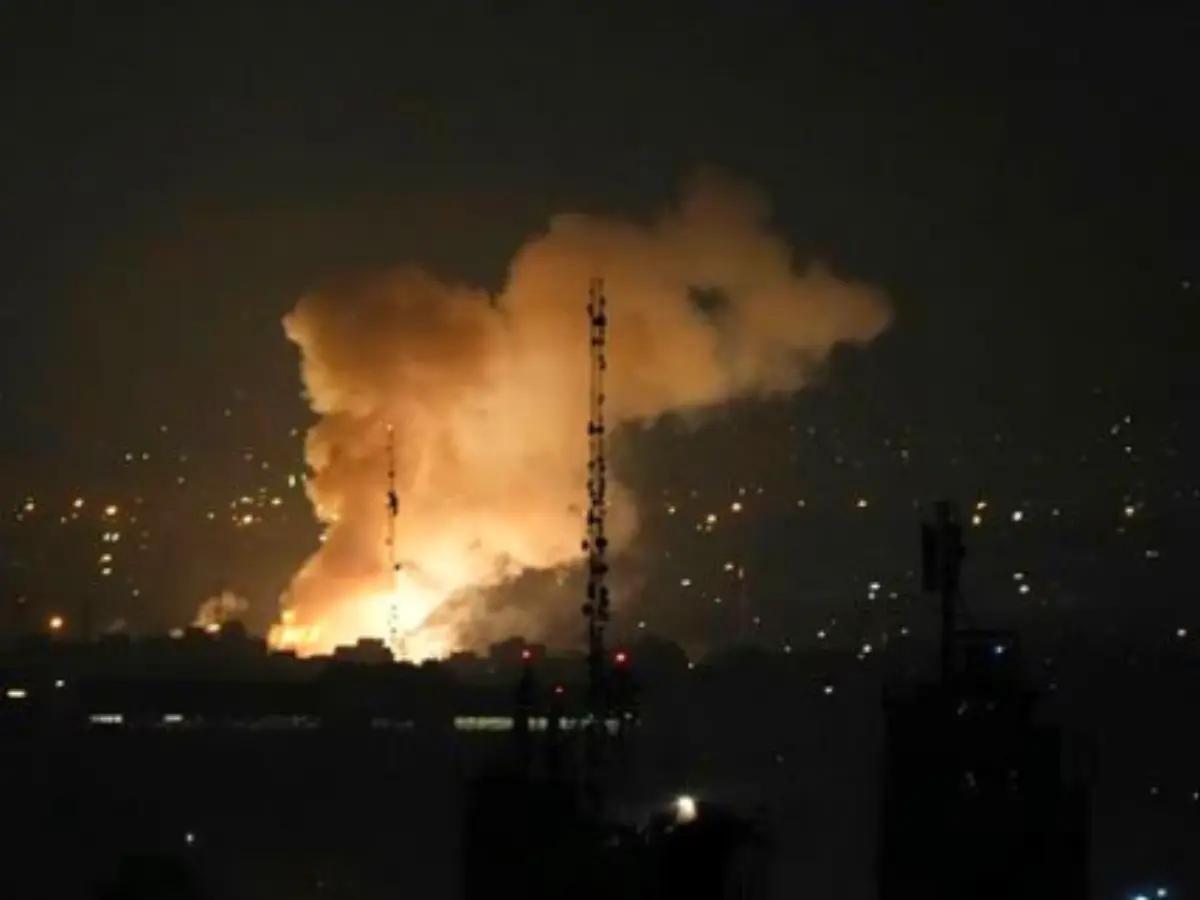)
Iran launches first attack on US forces since Trump halted strikes, missiles intercepted
)
'First dumb AI': Meta AI blocks Indian PM Modi's video in his own country, allows abuse ads and deletes livelihoods without explanation
)
Russia-Ukraine War: Putin's big warning amid Ukraine war escalation
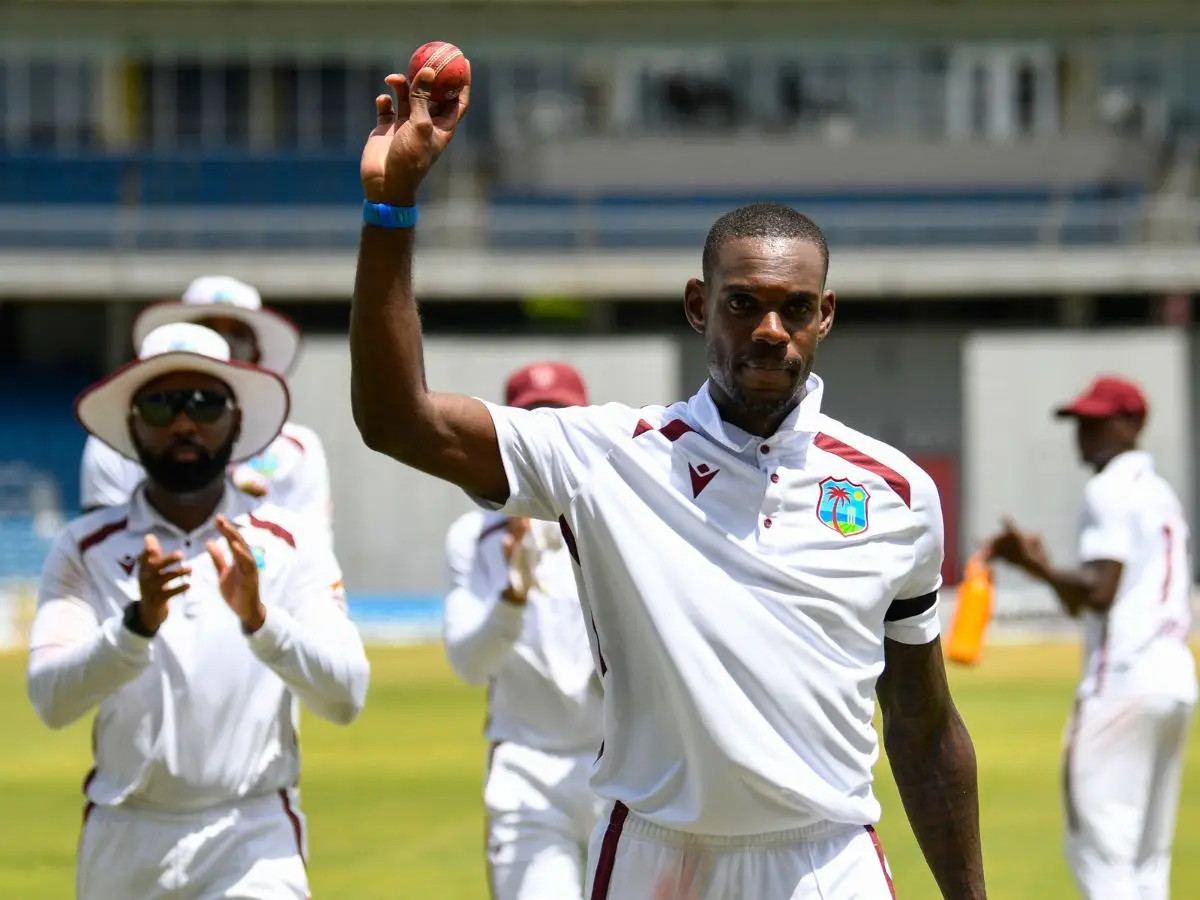)
5 Overs, 5 Wickets and ZERO Runs: Justin Greaves bowls world record spell against Pakistan| WATCH
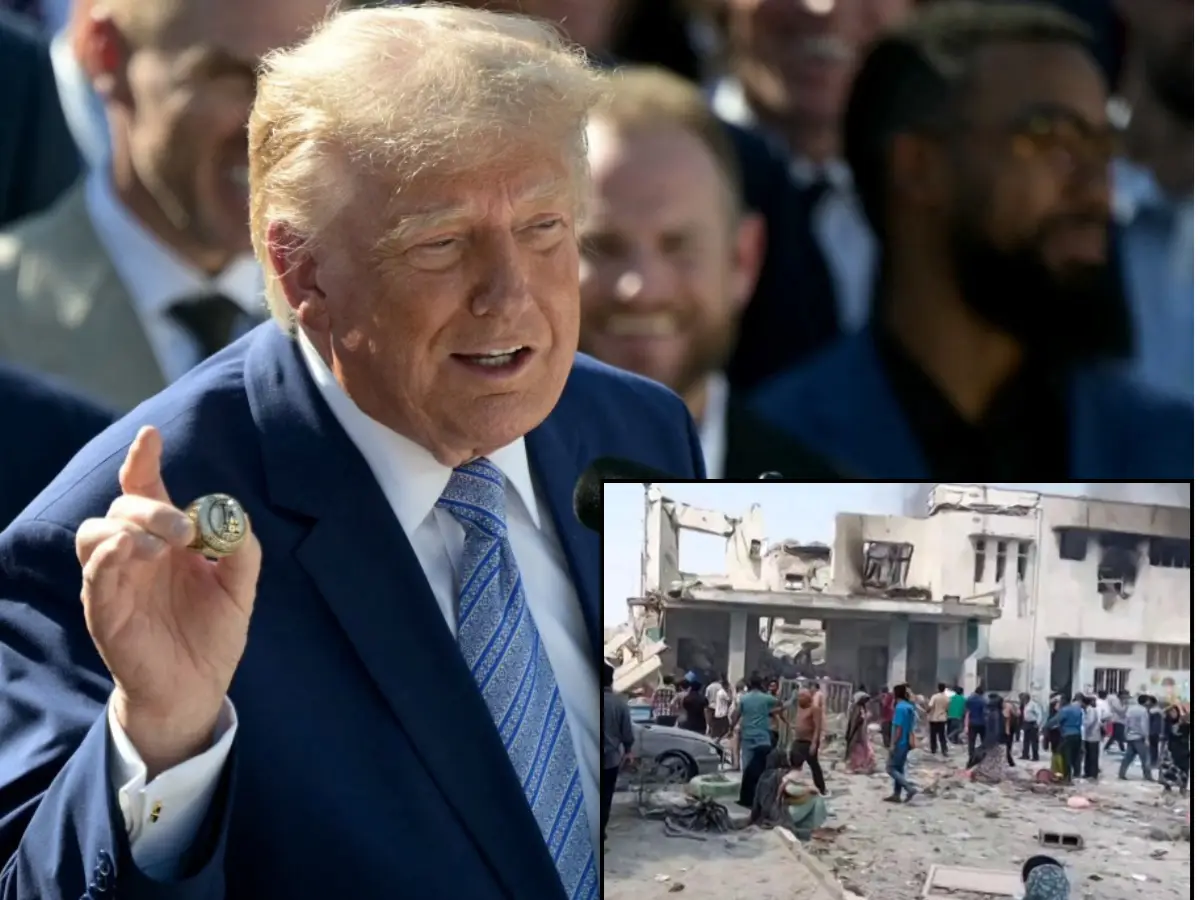)
Trump says Iranian school bombing photos could be AI-generated - 'I don’t think...'
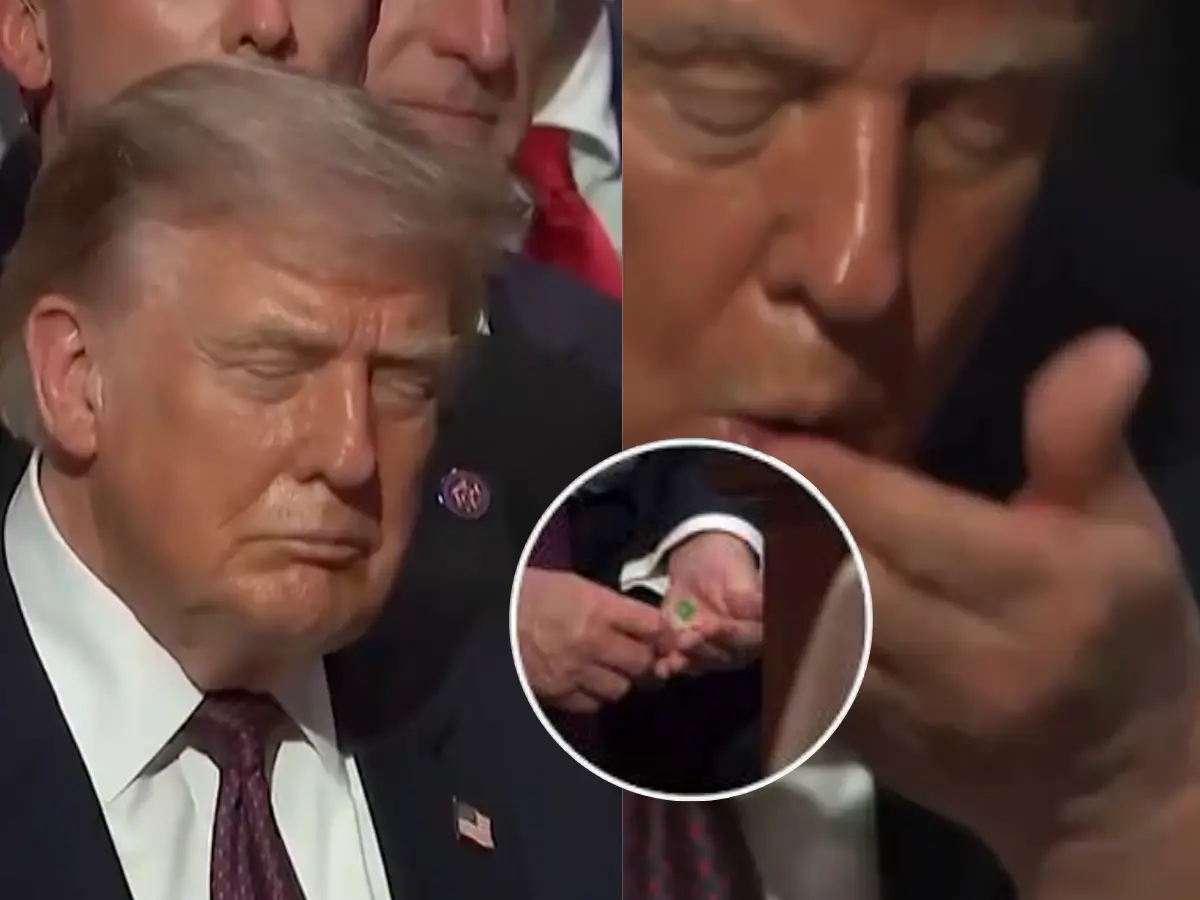)
Trump pops THIS, then appears to doze off at Lindsey Graham’s funeral: Watch
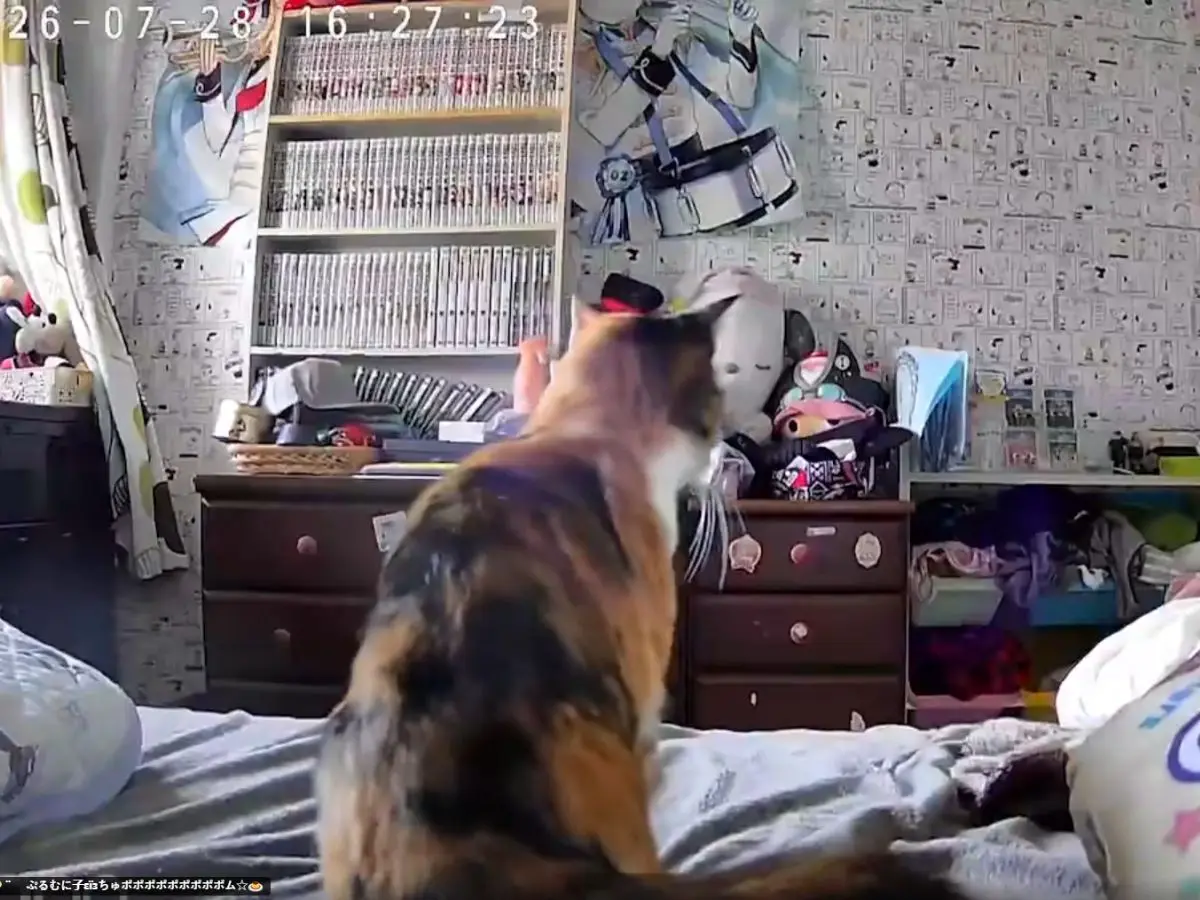)
Cat’s bizarre reaction before Japan earthquake goes viral: Did it detect the tremors?
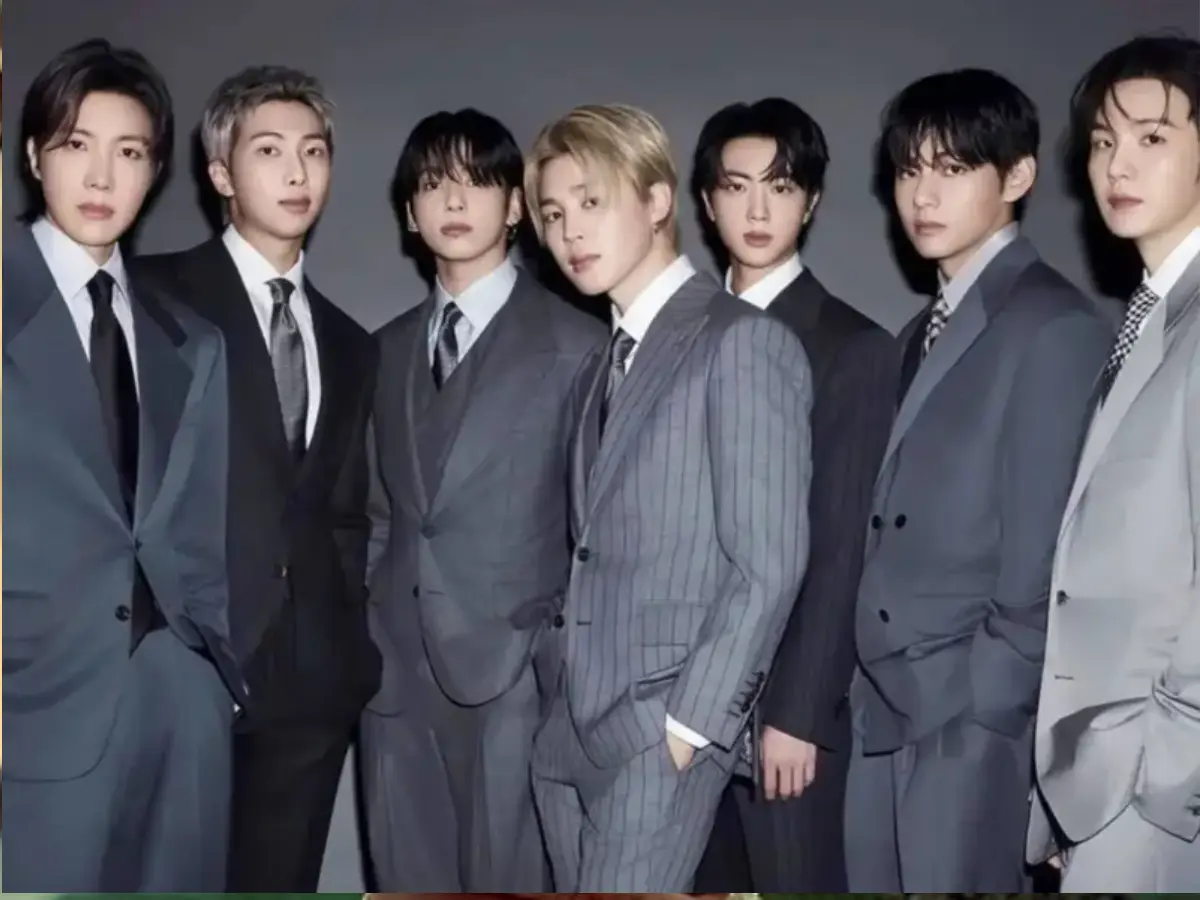)
69th Grammy Awards: BTS decline music submissions after Recording Academy introduces Asian Pop category
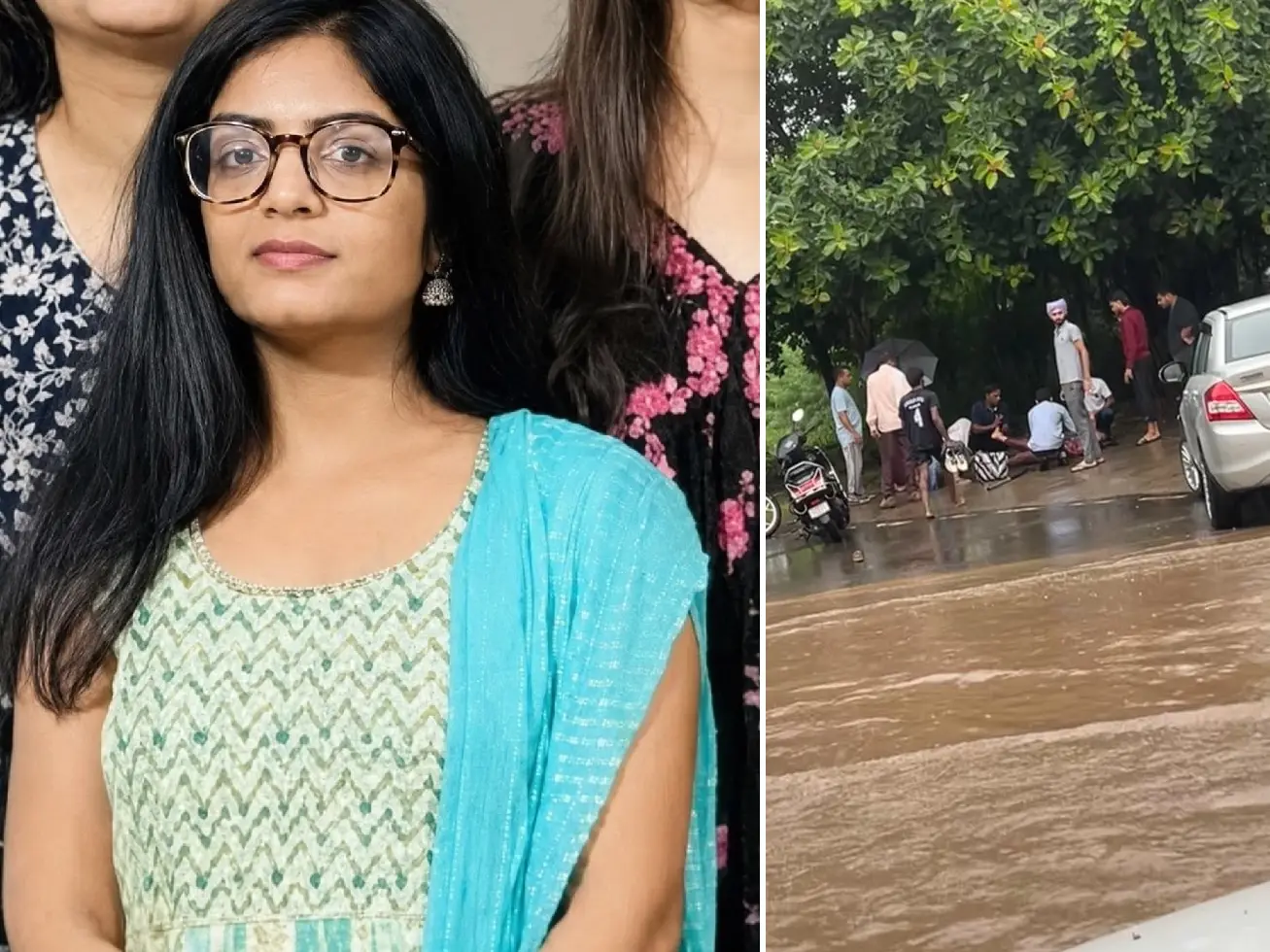)
28-year-old woman PhD scholar dies of electrocution on Panjab University campus
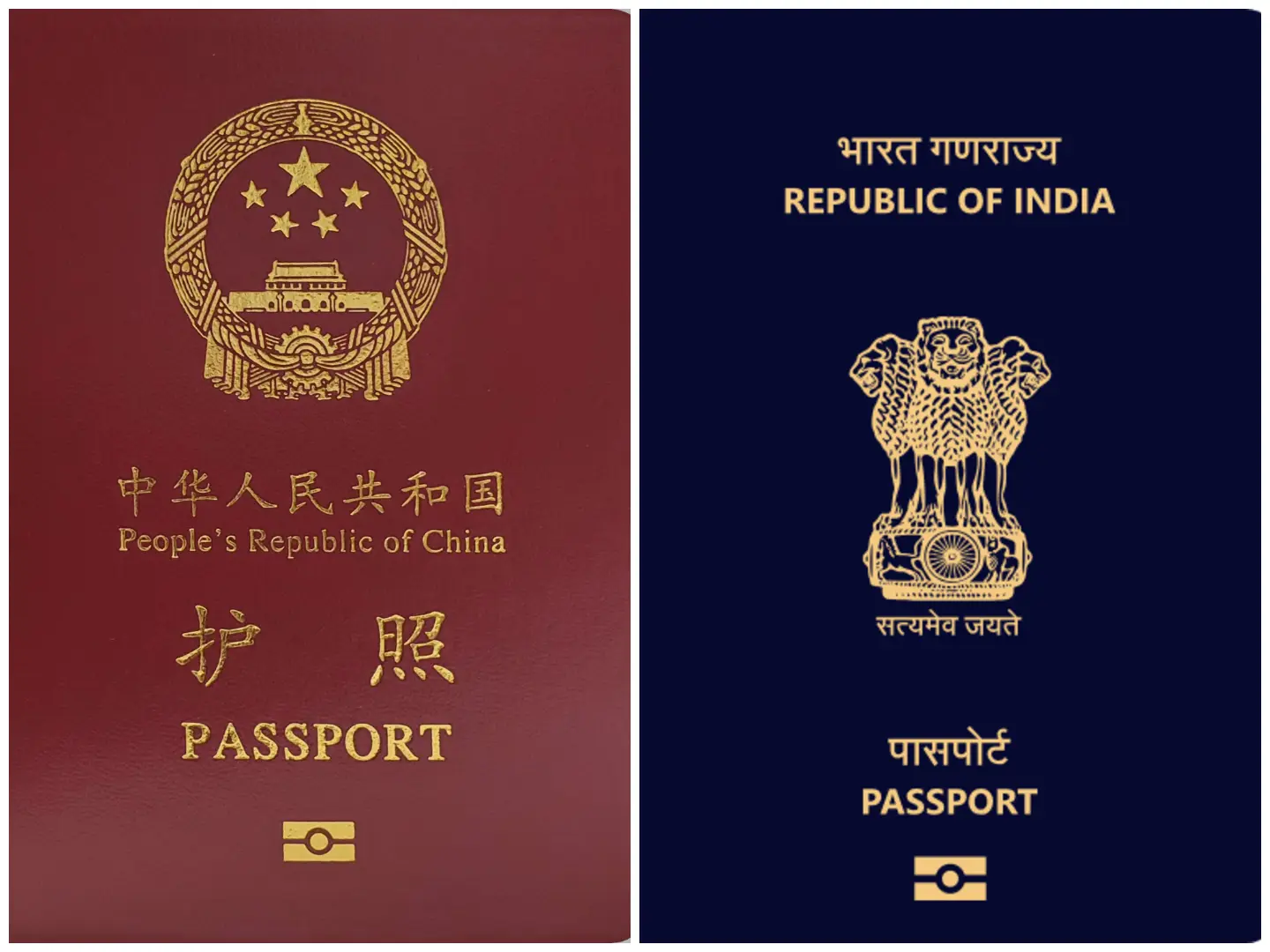)
You are a 'Naked Official' in China if you hold high posts and have children or spouse abroad. What about India?
)
Watch a SpaceX rocket crash into the moon at 8,750 km/hr on THIS day
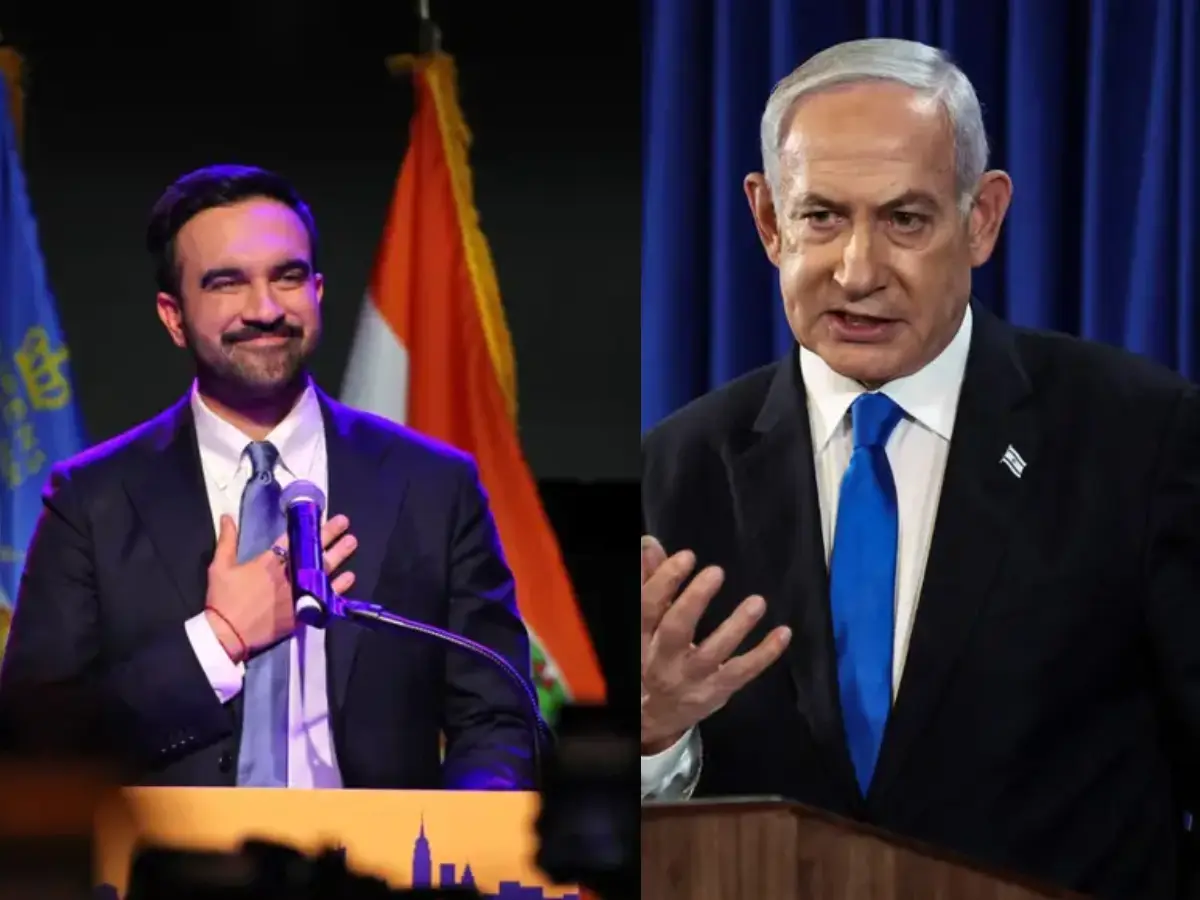)
'Why so much hate?' Netanyahu breaks silence on New York visit amid Mamdani's arrest threat
)
Pentagon Faces Backlash Over US Iran War Casualty Records | Trump Administration Under Fire
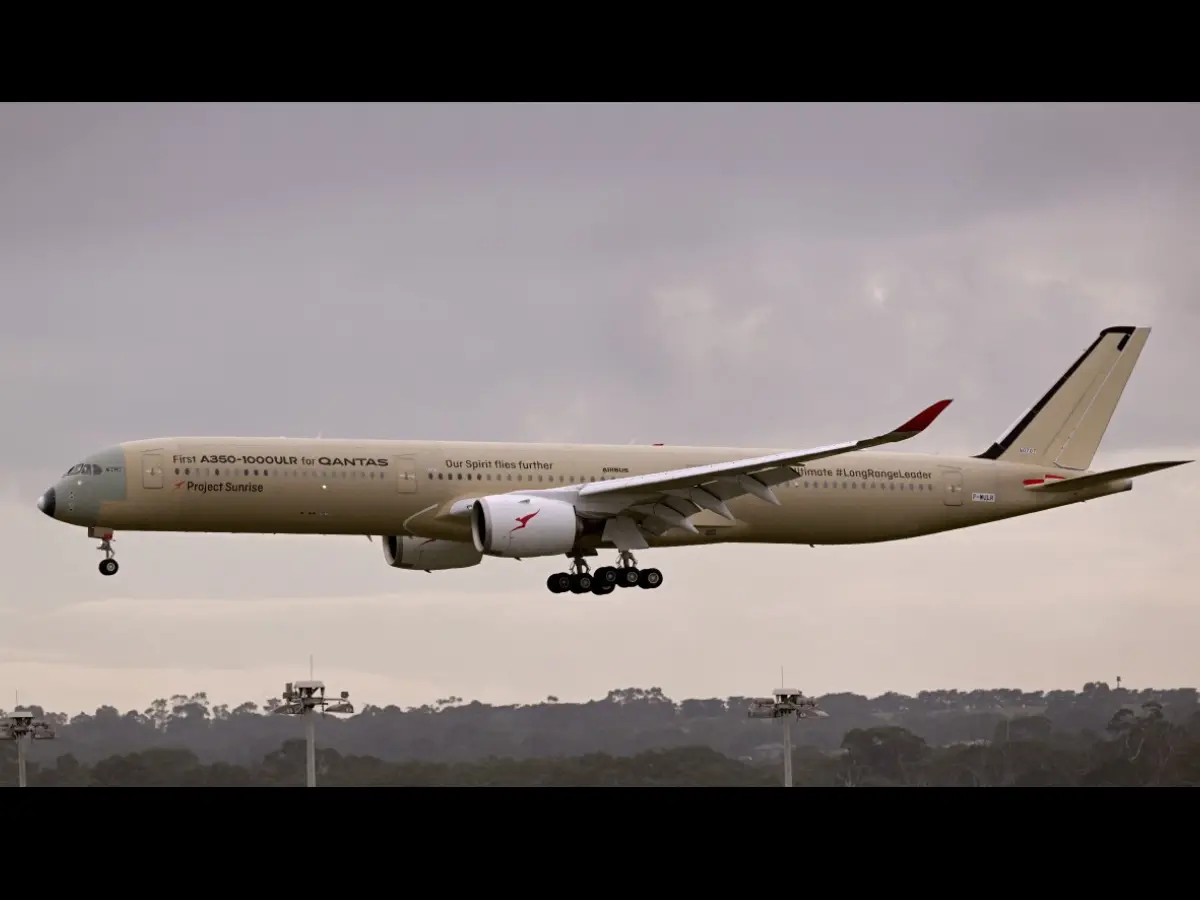)
3.6mn people track 24hr Qantas flight from Melbourne to Toulouse: Pilot shifts, fuel tank and other details
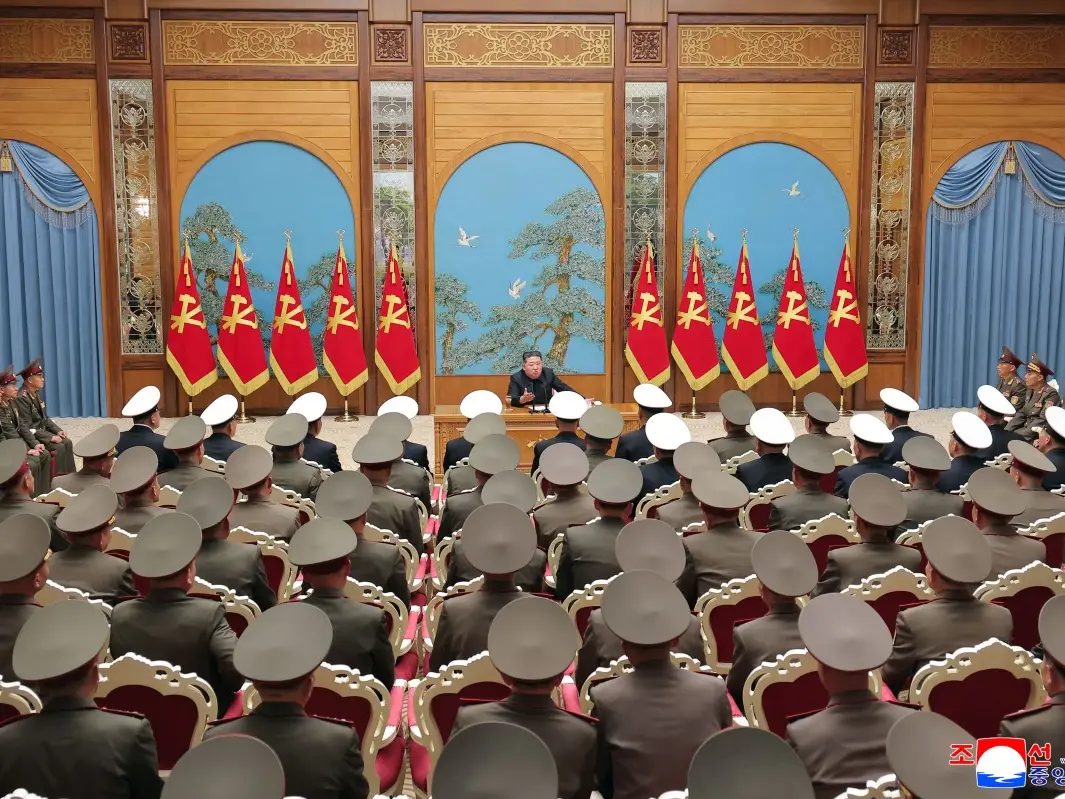)
North Korean colonel killed by firing squad for stealing grain as 'deeply shaken' officers watched
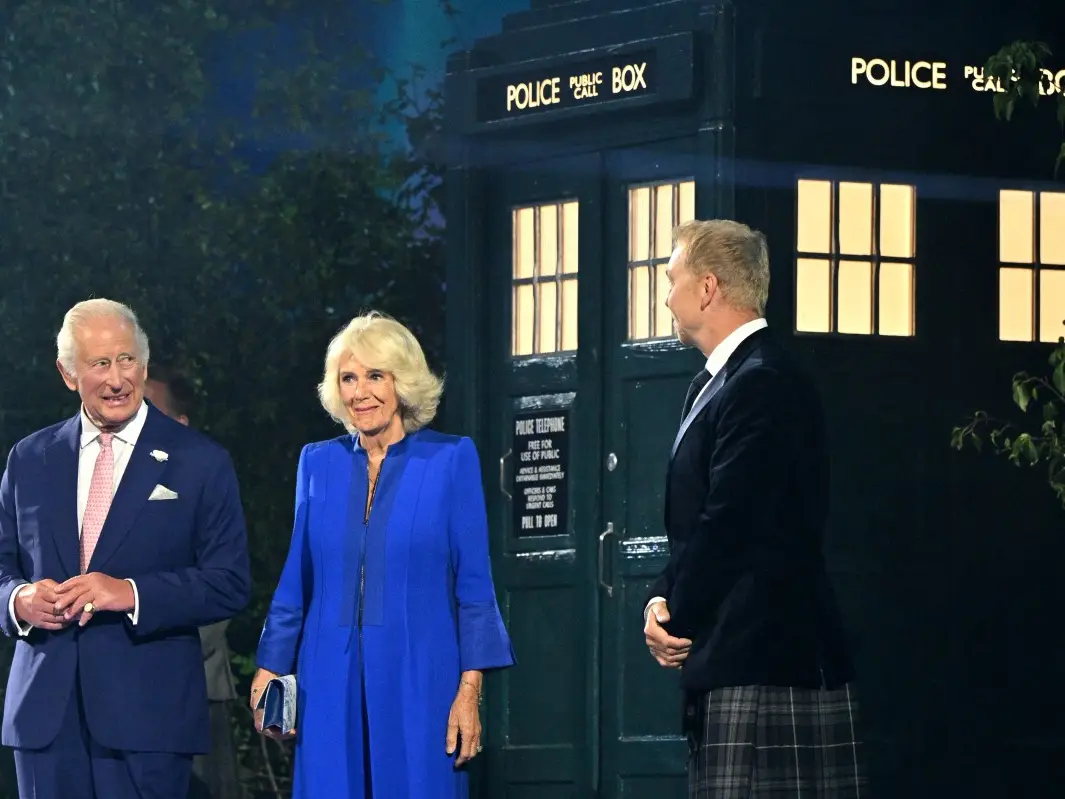)
The Royals enter the Doctor Who universe: King Charles and Queen Camilla beam into Commonwealth Games in TARDIS
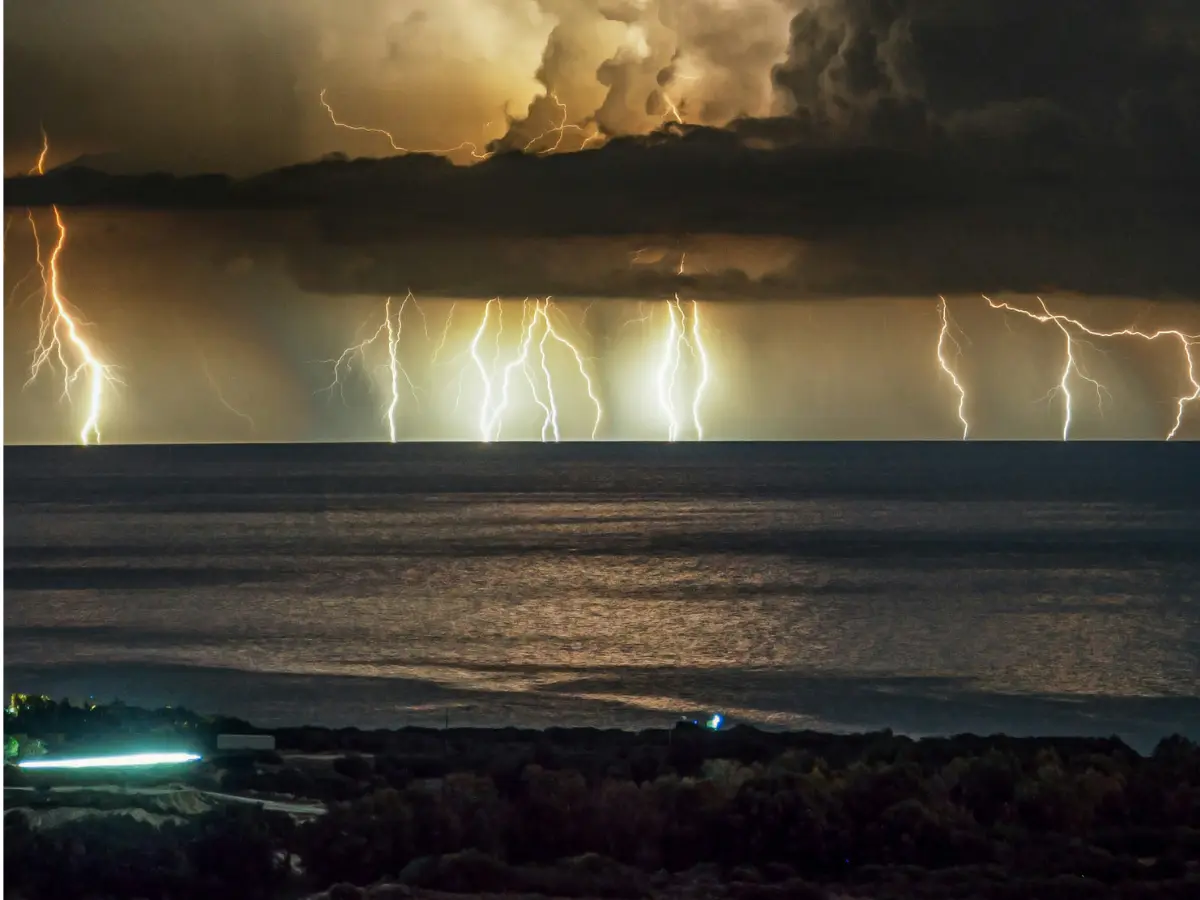)
Underwater lightning bolts in the Pacific Ring of Fire baffle scientists
Both sides welcomed the recent India-EU Free Trade Agreement. President Pellegrini responded to Mr Modi's comments on the deal by stressing its importance for economic resilience and diversified supply chains.
The visi, the first by an Indian prime minister, is symbolic & carries substance of a growing ties. Expected outcomes include new agreements on defence, digital cooperation and skilled mobility, helping position Slovakia as a bridge for Indian interests in the European Union.
For Slovakia, the trip offers an opportunity to strengthen economic links with one of the world's fastest-growing major economies. For India, it forms part of a broader strategy of engaging EU partners amid efforts to diversify partnerships beyond traditional Western European powers.
