Paper leaks, poor infrastructure, corruption — From France to India, why are students taking to the streets?

&imwidth=600&imheight=450&format=webp&quality=medium "Paper leaks, poor infrastructure, corruption — From France to India, why are students taking to the streets?")
From France to India, why are students taking to the streets? Photograph: (ANI, AFP)
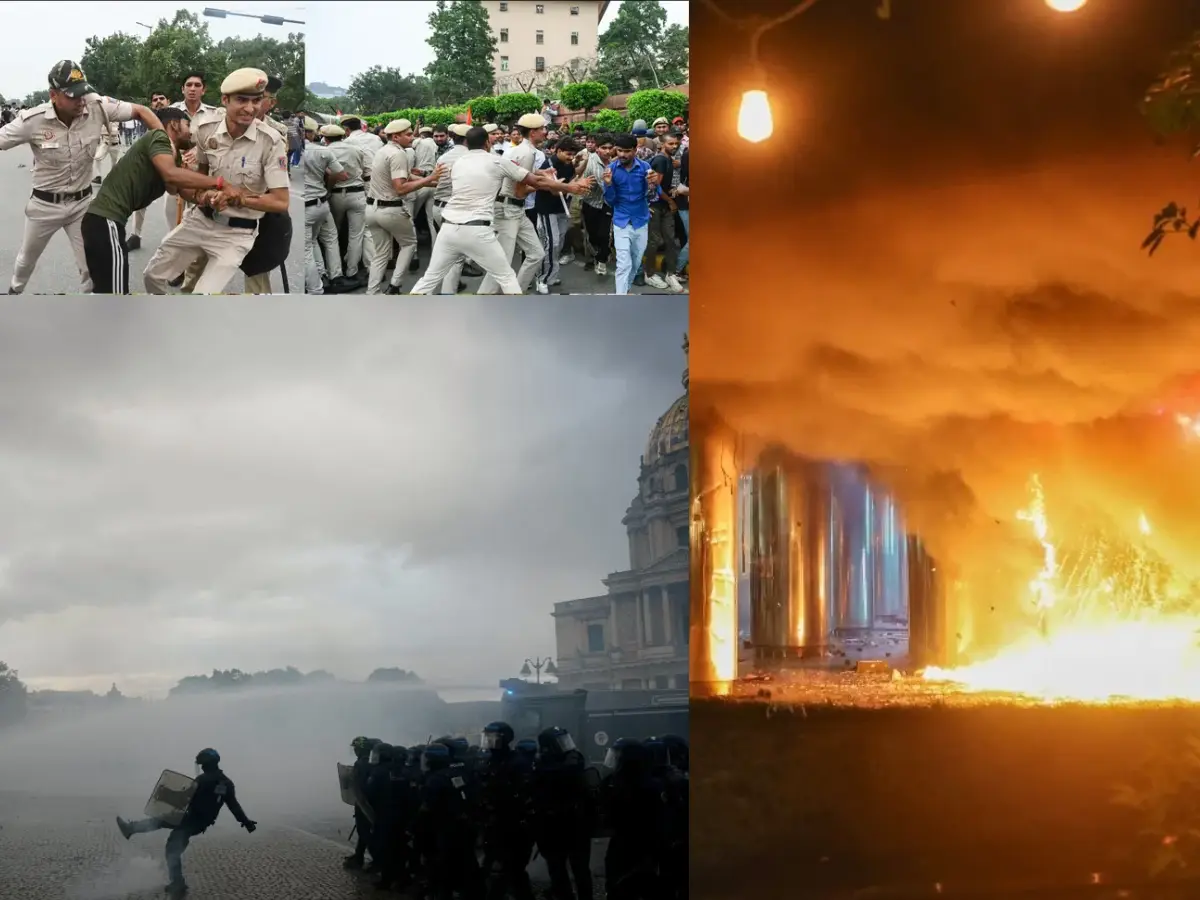
From India and France to Albania and Bangladesh, students are taking to the streets over education failures, corruption, rising costs and civil rights. On World Students’ Day, we examine the grievances driving student movements worldwide, government crackdowns and the political consequences
Students from across the world are taking to streets and demanding better education, better infrastructure and end of corruption, even as they face brutal crackdown by security forces backed by their respective governments. The protests in several countries have led to regime change, while several governments have been forced to seek resignations of the leaders responsible for irregularities. India has also been rocked by protests this year. It started as students opposed irregularities in country's medical entrance examination and has now expanded into a protest about civil rights and women's safety. On India's Student Day on Oct 15, we look at all the protests taking place around the world and what is compelling students to leave their universities, colleges and schools and come to streets.
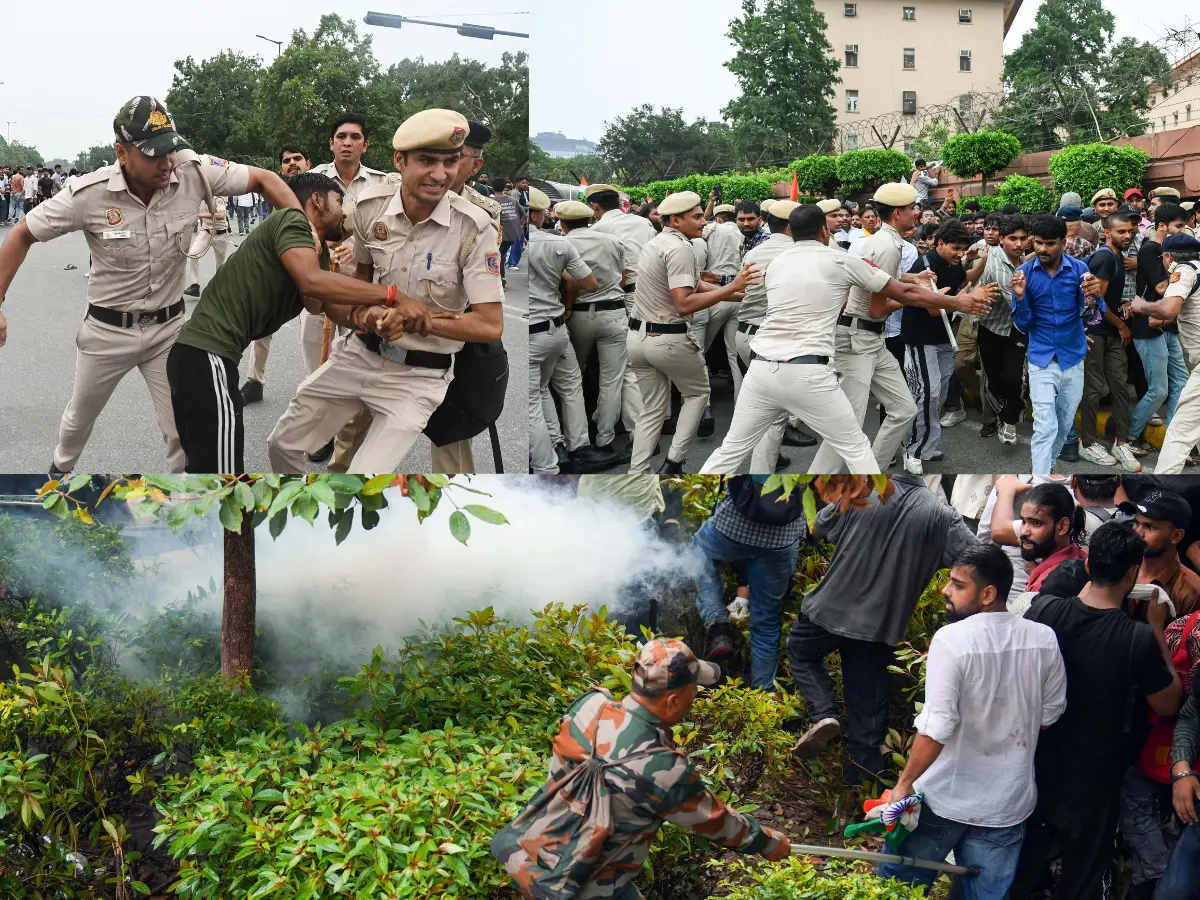
India: Student protest in India took the national capital to in July this year. It was triggered when National Eligibility cum Entrance Test (Undergraduate) or NEET examination papers were leaked and a re-examination was scheduled. Students alleged systematic failure and demanded then-Education Minister Dharmendra Pradhan's resignation. Sporadic protest took a larger shape when Chief Justice of India Surya Kant, while hearing a case, termed unemployed youth of the country as 'cockroaches.' A satirical page was formed on Instagram under the name of "Cockroach Janta Party" and became an overnight sensation, with large number of angry students supporting it. Its creator Abhijit Dipke then came into limelight and said he would protest for the students at India's capital New Delhi, along with the other creators of the page - Ashutosh Ranka and Abhijit Dipke. They mainly demanded resignation of the Education Minister and overhaul of the National Testing Agency (NTA) -- that conducts NEET examination. After approximately five weeks of protest, that saw hunger strike by activist Sonam Wangchuk, brutal crackdown by Delhi Police on July 20, internet and metro shutdown and several arrests, India's then Education Minister Pradhan resigned. This brought an end to July's student protest. Currently, students, activist and opposition leaders have again taken to streets to protest against irregularities in the Election Commission (EC).
&imwidth=800&imheight=600&format=webp&quality=medium)
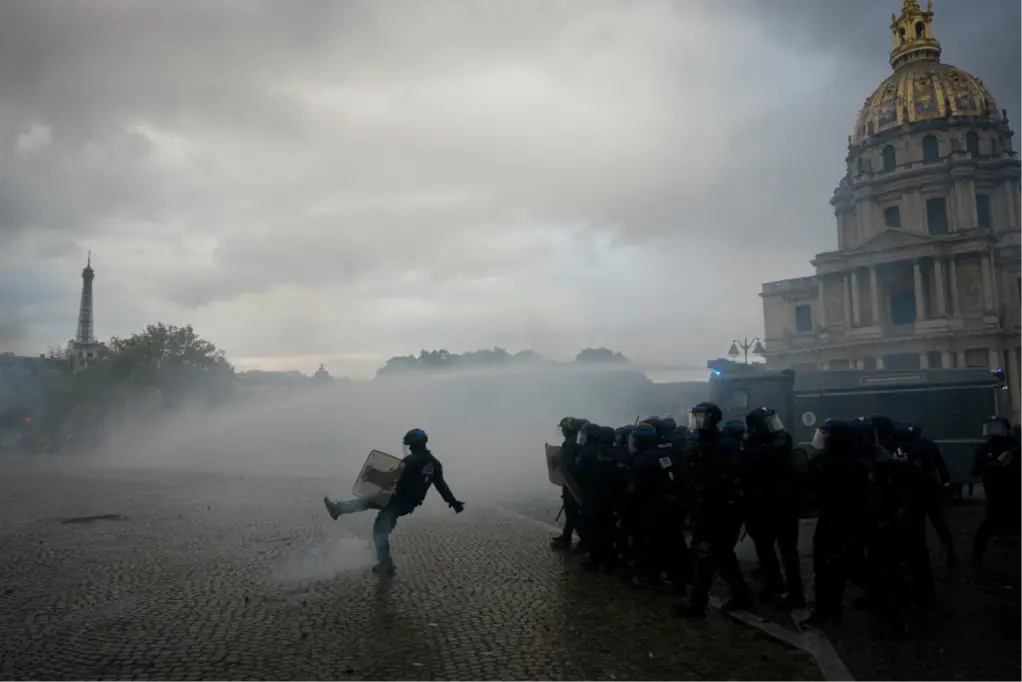
France: The country has been rocked by protests since late September as high school and university students launched massive nationwide movement. Approximately 160,000 protesters marched in several cities including Paris and Marseille and demanded better education facilities. According to BBC report, students ate protesting against teacher shortages, overcrowded classes, crippling school buildings and long school hours. Despite heavy crackdown, that includes riot police detaining thousands of protesters, using grenade and tear gas, students have refused to leave the streets. The massive protest began at a single high school, Lycée Saint-Exupéry, located in the Parisian suburb of Créteil. Students and teachers complained of severe structural neglect, including a complete lack of a school nurse or deputy head teacher, clogged toilets, plumbing leaks, and un-air-conditioned classrooms where summer temperatures routinely exceeded 100°F (38°C). The protest in that school resonated with students across the country and a massive movement began.
Trending Stories
&im=FitAndFill=(700,400)&imwidth=280&imheight=210&format=webp&quality=medium)
&imwidth=280&imheight=210&format=webp&quality=medium)
&imwidth=280&imheight=210&format=webp&quality=medium)
&imwidth=280&imheight=210&format=webp&quality=medium)
&imwidth=280&imheight=210&format=webp&quality=medium)
&imwidth=280&imheight=210&format=webp&quality=medium)
&imwidth=280&imheight=210&format=webp&quality=medium)
&imwidth=280&imheight=210&format=webp&quality=medium)
&imwidth=280&imheight=210&format=webp&quality=medium)
&imwidth=280&imheight=210&format=webp&quality=medium)
&imwidth=280&imheight=210&format=webp&quality=medium)
&imwidth=280&imheight=210&format=webp&quality=medium)
&imwidth=280&imheight=210&format=webp&quality=medium)
&imwidth=280&imheight=210&format=webp&quality=medium)
&imwidth=280&imheight=210&format=webp&quality=medium)
&imwidth=280&imheight=210&format=webp&quality=medium)
&imwidth=280&imheight=210&format=webp&quality=medium)
&imwidth=280&imheight=210&format=webp&quality=medium)
&imwidth=280&imheight=210&format=webp&quality=medium)
&imwidth=280&imheight=210&format=webp&quality=medium)
&imwidth=280&imheight=210&format=webp&quality=medium)
&imwidth=280&imheight=210&format=webp&quality=medium)
&imwidth=280&imheight=210&format=webp&quality=medium)
&imwidth=280&imheight=210&format=webp&quality=medium)
&imwidth=280&imheight=210&format=webp&quality=medium)
&im=FitAndFill=(700,400)&imwidth=280&imheight=210&format=webp&quality=medium)
&imwidth=280&imheight=210&format=webp&quality=medium)
&imwidth=280&imheight=210&format=webp&quality=medium)
&imwidth=280&imheight=210&format=webp&quality=medium)
&imwidth=280&imheight=210&format=webp&quality=medium)
&imwidth=280&imheight=210&format=webp&quality=medium)
&imwidth=280&imheight=210&format=webp&quality=medium)
&imwidth=280&imheight=210&format=webp&quality=medium)
&imwidth=280&imheight=210&format=webp&quality=medium)
&imwidth=280&imheight=210&format=webp&quality=medium)
&imwidth=280&imheight=210&format=webp&quality=medium)
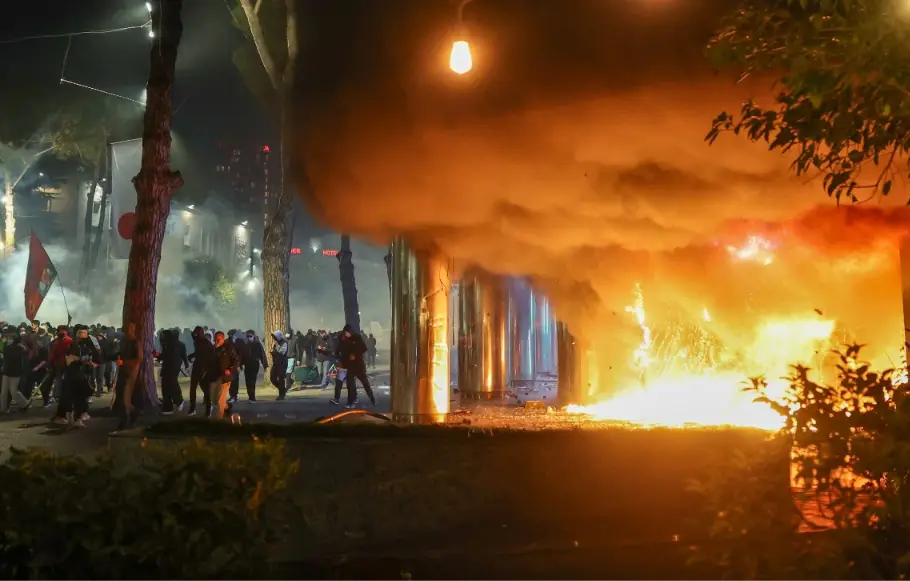
Albania: In the capital city of Tirana, students are on streets and have taken a violent turn in their quest to demand better university conditions, lower education costs, and stronger post-graduation job prospects. Though, anti-government protests have been taking place in Albania since four months, it has intensified in the past week. It was sparked by a luxury tourism project linked to US President Donald Trump's family. Protesters have opposed plans for a luxury hotel in a coastal nature reserve linked to Trump's daughter, Ivanka, and her husband, Jared Kushner. The project has fuelled anger over alleged corruption and a lack of transparency, with protesters demanding Prime Minister Edi Rama's resignation. Here too, students faced tear gas and water cannons and brutal crackdown, but have refused to back down.
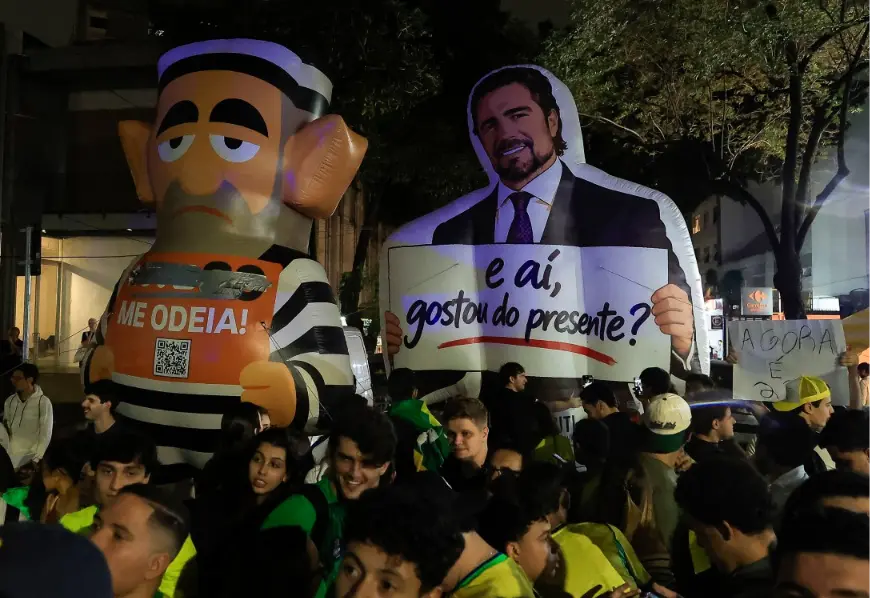
Brazil: Thousands of university students and educators took to the streets in Rio de Janeiro on October 7, 2026, marching through downtown to protest the prospect of far-right candidate Flávio Bolsonaro winning the presidency and voicing fierce opposition to potential sweeping public spending and education budget cuts. Protesters chanted "Never Again Bolsonaro," expressing fears over democratic backsliding, the erosion of human rights for minority and LGBTQ+ groups, and a foreign policy that would heavily align Brazil with the United States.
Greece and Belgium: In the capital city of Athens and major cities of the country, students have launched a massive tent encampments outside university campus grounds. They are primarily protesting unregulated short-term rental market, and complaining that they can no longer afford to rent accommodations near their universities. They are demanding immediate government intervention, state-subsidized university dormitories, and price caps on student housing to stop them from being priced out of higher education. In Belgium, students have launched protest over a series of proposed educational reforms and sharp hikes to college tuition fees. Over 100 student protesters in the city of Liège were arrested in a severe clampdown by security forces.
Also Read: From Jantar Mantar to Lafayette Square: Where the world protests, and how close it gets to power
Bangladesh: The country's student protest resulted in regime change as country's former Prime Minister Sheikh Hasina was forced to resign and flee the country. It all started as students in 2024 took to streets against a government job quota system. In June 2024, the High Court of Bangladesh reinstated a controversial civil service job quota system, setting off initial campus dissent. Students organised protests under the umbrella group Students Against Discrimination but faced brutal clampdown. Situation turned violent with the protest taking a shape of a widespread movement against Hasina's government, eventually leading to her fall.


