Pakistan seeks $10 billion US Treasury facility to bolster forex reserves

&imwidth=600&imheight=450&format=webp&quality=medium "Pakistan seeks $10 billion US Treasury facility to bolster forex reserves")
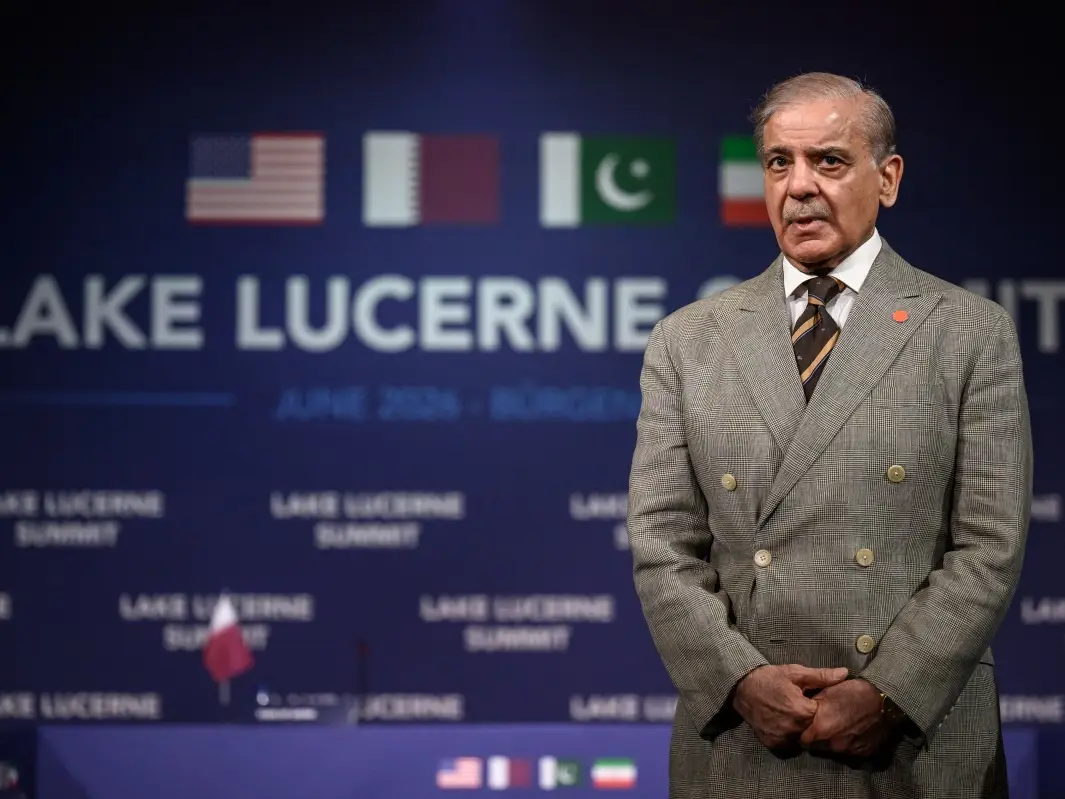
Pakistan's Prime Minister Muhammad Shehbaz Sharif Photograph: (AFP)
Pakistan has formally sought a $10 billion US Treasury exchange stabilisation facility to strengthen forex reserves and support rupee stability.
Pakistan has formally requested a $10 bn bilateral exchange stabilisation support facility from the US Treasury to strengthen its Foreign Exchange reserves, Finance Minister Muhammad Aurangzeb has said in an interview with the Business Recorder newspaper published on Thursday. The proposal seeks a structural backstop via the US Treasury's exchange stabilisation fund instead of a conventional commercial credit line.
"This is not about a credit line or a loan or whatever. This is a signal about our currency stability, a signal about our foreign exchange stability, and that in turn also allows us to go to the market,” said Aurangzeb.
The Finance Minister said that Pakistan's focus is on returning to market-based financing instead of short-term bilateral rollover. “Some will succeed, while with others there might be issues,” he added.
Reuters reported on the letter to the US Treasury, citing anonymous sources in late July, following Pakistan's role as a mediator in the US-Iran negotiations. In the letter, Islamabad asked for the creation of a Bilateral Exchange Stabilisation Support Facility between the US and the Pakistani government worth $10 billion with a maturity of up to five years. This will allow Pakistan to perform a currency swap with the US in case of a liquidity crisis, to stabilise the rupee and reduce its reliance on multilateral financing. It will boost Pakistan's credit rating and lower the future borrowing costs. The US Treasury is yet to confirm it; the formal bid has been submitted. Pakistan expects a response by September 2026.
“We want to move at least towards a B+ rating,” said Finance Minister Muhammad Aurangzeb.
Trending Stories
)
)
)
)
)
)
)
)
)
)
)
)
)
)
)
)
)
)
)
)
)
)
)
)
)
)
)
)
)
)
)
)
)
)
&im=FitAndFill=(700,400))
)
)
)
)
Pakistan remains under a roughly $7 billion IMF programme that requires tax reforms, fiscal consolidation and monetary policy measures as part of its economic stabilisation efforts.