Pakistan’s dual role, mediator and military ally, secret SMDA Pact with Saudi Arabia

&imwidth=600&imheight=450&format=webp&quality=medium "Pakistan’s dual role, mediator and military ally, secret SMDA Pact with Saudi Arabia")
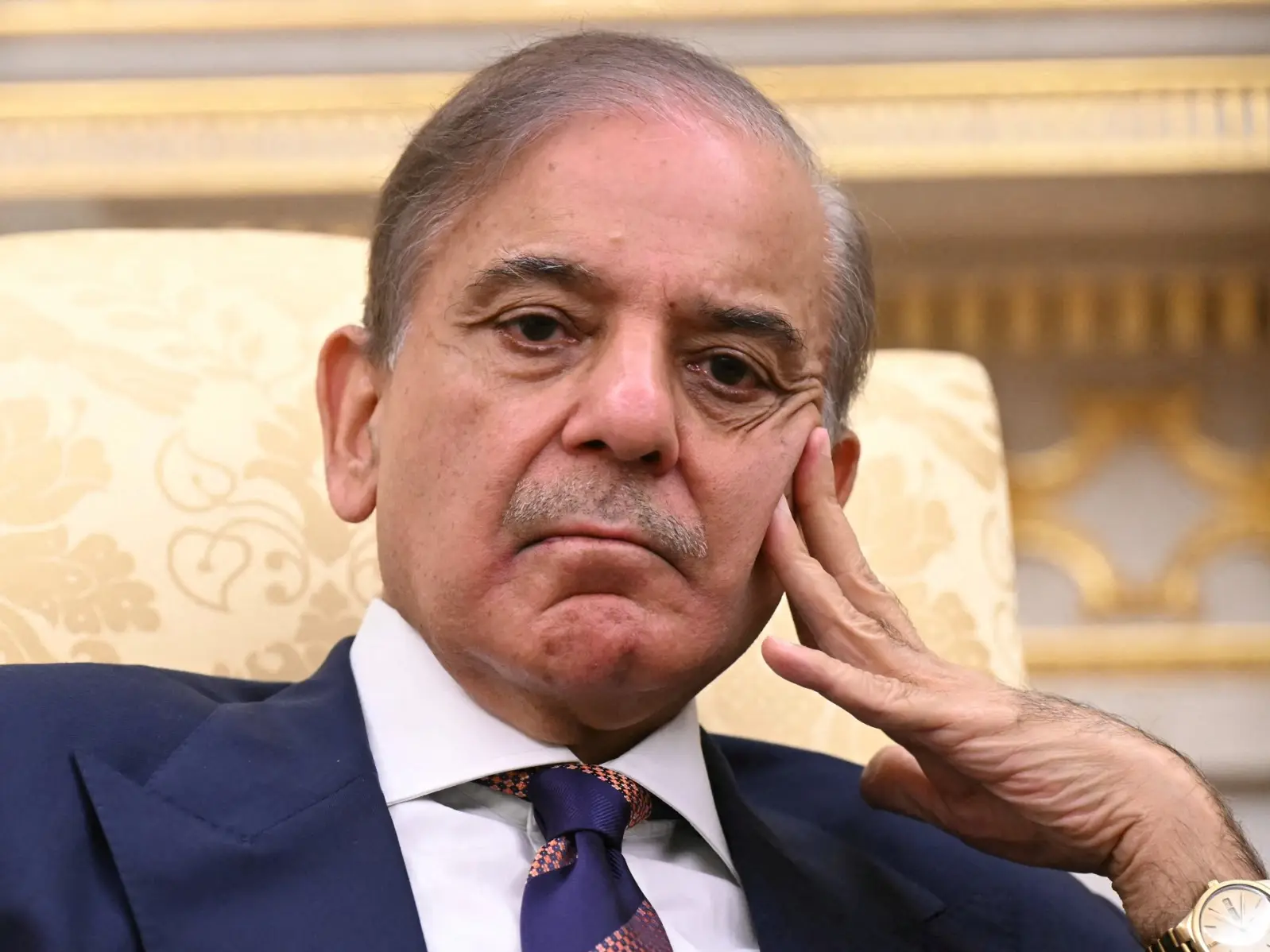
Pakistan's Prime Minister Shehbaz Sharif waits for US President Donald Trump to finish signing executive orders ahead of their meeting in the Oval Office of the White House in Washington, DC, on September 25, 2025 Photograph: (AFP)
A leaked SMDA pact reveals Pakistan’s defence obligations to Saudi Arabia, raising questions about its neutrality in mediating the US-Iran conflict.
Over the course of the US-Iran war, Pakistan has emerged as the unlikely mediator between the two parties. However, as the negotiations were progressing, a social media post from the Saudi Ministry of Defence emerged, which mired the purported neutrality of the host. Islamabad has to participate in the US-Iran war, which it is attempting to mediate.
The post on the social media platform X by the Saudi Ministry of Defence suggested “the arrival of a military force from the Islamic Republic of Pakistan at King Abdulaziz Air Base in the Eastern Sector.” It implied that the mutual defence pact between Pakistan and Saudi Arabia was activated as the region was at war. A leaked document obtained by the Drop Site News reveals specifics of the Strategic Mutual Defence Agreement (SMDA), a NATO-style “Article 5” arrangement between Islamabad and Riyadh that moves the Defence agreement far beyond a cooperation to a binding treaty.
What is the SMDA?
The SDMA signed in September 2025 had its foundation, shortly after Pakistan's establishment and the first India-Pakistan War over Jammu and Kashmir. During the first decade, it was a “Treaty of Friendship”. The parties agreed to prohibit the use of their respective territories for illegal activities against one another and referred to each other as “Most Favoured Nation”. The formal military ties were established in the 1960s, during the Egyptian intervention in Yemen and the Six-Day War between the Arab states and Israel.
Between 1970 and 1980, it was codified, specifically after Pakistan helped in the Mecca Grand Mosque seizure. In 1982, a landmark Bilateral Security Cooperation Agreement was established, formalising troop deployment, training, and advisory roles. During the Gulf War in 1991, Pakistan deployed around 19000 troops and advisors to protect Saudi territory. Saudi Arabia was the only nation which had previous information about Pakistan's nuclear tests; it also supported Pakistan with a free oil supply during the subsequent international sanctions.
Trending Stories
&im=FitAndFill=(700,400)&imwidth=280&imheight=210&format=webp&quality=medium)
&imwidth=280&imheight=210&format=webp&quality=medium)
&imwidth=280&imheight=210&format=webp&quality=medium)
&imwidth=280&imheight=210&format=webp&quality=medium)
&imwidth=280&imheight=210&format=webp&quality=medium)
&imwidth=280&imheight=210&format=webp&quality=medium)
&imwidth=280&imheight=210&format=webp&quality=medium)
&im=FitAndFill=(700,400)&imwidth=280&imheight=210&format=webp&quality=medium)
&imwidth=280&imheight=210&format=webp&quality=medium)
&imwidth=280&imheight=210&format=webp&quality=medium)
&imwidth=280&imheight=210&format=webp&quality=medium)
&imwidth=280&imheight=210&format=webp&quality=medium)
&imwidth=280&imheight=210&format=webp&quality=medium)
&imwidth=280&imheight=210&format=webp&quality=medium)
&imwidth=280&imheight=210&format=webp&quality=medium)
&imwidth=280&imheight=210&format=webp&quality=medium)
&imwidth=280&imheight=210&format=webp&quality=medium)
&imwidth=280&imheight=210&format=webp&quality=medium)
&imwidth=280&imheight=210&format=webp&quality=medium)
&imwidth=280&imheight=210&format=webp&quality=medium)
&imwidth=280&imheight=210&format=webp&quality=medium)
&imwidth=280&imheight=210&format=webp&quality=medium)
&imwidth=280&imheight=210&format=webp&quality=medium)
&imwidth=280&imheight=210&format=webp&quality=medium)
&imwidth=280&imheight=210&format=webp&quality=medium)
&im=FitAndFill=(700,400)&imwidth=280&imheight=210&format=webp&quality=medium)
&imwidth=280&imheight=210&format=webp&quality=medium)
&imwidth=280&imheight=210&format=webp&quality=medium)
&imwidth=280&imheight=210&format=webp&quality=medium)
&imwidth=280&imheight=210&format=webp&quality=medium)
&imwidth=280&imheight=210&format=webp&quality=medium)
&imwidth=280&imheight=210&format=webp&quality=medium)
&imwidth=280&imheight=210&format=webp&quality=medium)
&imwidth=280&imheight=210&format=webp&quality=medium)
&imwidth=280&imheight=210&format=webp&quality=medium)
On July 30, 2005, under the Pakistani Prime Minister Shaukat Aziz and the Saudi King Fahd, the agreement was expanded to a Military Cooperation Agreement (MCA) via cooperation in training and logistics. In 2015, there was a brief period of tension when Pakistan decided not to join the Saudi conflict in Yemen. Despite apprehension from Pakistan's then Prime Minister Imran Khan in 2021, the pact shifted towards defence obligations, specifically following the US withdrawal from Afghanistan, broadening the scope of the bilateral military relationship. On September 17, 2025, Saudi Crown Prince Mohammed bin Salman and Prime Minister Sharif formalised a new iteration of the pact following the Israeli strikes in Doha and Qatar and growing uncertainty of US security guarantees.
What are the key details revealed in the leak?
The specific details of the SMDA were never made public or reviewed by the Pakistani Parliament. The new details were revealed by an apparent leak by the Drop Site News. According to the anonymous sources who provided the Drop Site internal memo on the treaty and how it has been updated over time. The agreement states that any aggression against either country shall be considered an aggression against both, requiring military intervention from both. The leak also claims that this amendment was sitting on former Prime Minister Imran Khan's desk before his removal. The document also reveals a connection specific to Iran; the 2025 SMDA triggers a Pakistani Military response in case of any attack on Saudi forces or military infrastructure. Further explains the zeal of Pakistan to negotiate and maintain a ceasefire between the US and Iran. The document further mandates the creation of joint military committees, intelligence sharing and cooperation in joint training exercises. There is a degree of debate within Pakistan's military infrastructure to limit the obligation to conventional forces, but the Saudi side mentions that “by all means” encompasses nuclear sharing. Pakistan also tried to narrow the scope of obligation to Saudi territory, like the cases in Yemen, but the 2025 agreement contains provisions for action outside Saudi territory.
What does this mean for Pakistan?
Pakistan is already facing insurgencies from Tehreek-e-Taliban Pakistan (TTP) and intensified insurgencies in Balochistan and an active conflict with the Taliban in Kabul, with a brief negotiated ceasefire by Qatar, Saudi Arabia, and Türkiye. Pakistan has a good relationship with the US; it has the largest Shia population after Iran, and also enjoys a good relationship with the Islamic Republic. Following news that the United Arab Emirates had recalled a loan from Pakistan, Saudi Arabia stepped in with $5 billion to replenish Pakistan's foreign reserves. It has already deployed 13,000 troops and fighter jets to assist the Kingdom's defence. It finds itself in a precarious situation with conflict on the Western border. Insurgencies on the Western front, and at the same time, is also trying to mediate the fragile ceasefire between the US and Iran to desperately avoid going to a war for the kingdom, but has to keep its obligations for diplomatic and economic ties, further putting strain on Islamabad both politically and economically.