Pakistan's security crisis deepens as TTP drives terror resurgence

&imwidth=600&imheight=450&format=webp&quality=medium "Pakistan's security crisis deepens as TTP drives terror resurgence")
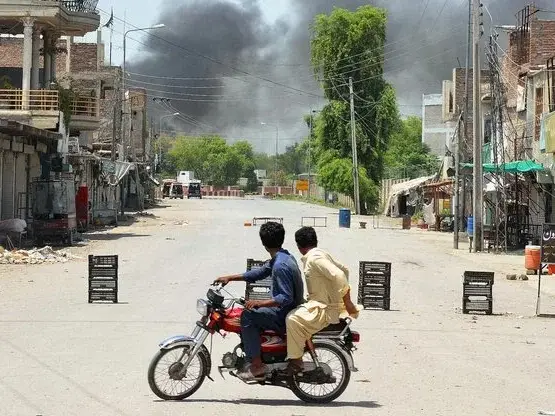
File photo from Pakistan's Bannu region Photograph: (Credit: AFP)
Pakistan is facing a sustained, multi-year surge in terrorist violence driven primarily by the Tehreek-e-Taliban Pakistan (TTP), reversing years of hard-won counterterrorism gains.
Pakistan is battling a renewed surge in violence, according to recent security data and independent analysis, reversing a decline in violence achieved through major counterterrorism operations in the late 2010s. Financial capitals and border regions alike are facing an escalating threat environment as terrorist groups on its soil expand operational reach. The country witnessed a continued increase in terrorist attacks during 2023. This escalation follows data from 2022, which also recorded a notable increase in terrorist incidents. Security analysts emphasise that the resurgence is not a temporary, one-year spike but rather part of a continuing upward trend that has been building over the past 24 months.
At the centre of this resurgence is the Tehreek-e-Taliban Pakistan (TTP). The group has been identified as the country’s most active terrorist organisation, driving much of the current instability and claiming responsibility for a vast majority of the attacks aimed at both security forces and civilians.
While Pakistani security forces have persistently continued counterterrorism operations across the country, attacks have remained frequent. The violence is particularly concentrated in the volatile border provinces, where terrorist organisations have successfully exploited cross-border movement and safe havens along the porous Afghanistan-Pakistan border. Pakistan has repeatedly blamed terrorist groups based across the Afghan border, particularly factions linked to the TTP, for orchestrating and executing many of these recent attacks.
However, the threat is no longer contained to remote frontier regions. A high-profile attack on the Sindh Rangers headquarters in Karachi demonstrates that militant groups are no longer confined to border regions and are increasingly capable of striking major urban centres. Analysts noted in news agency Reuters that while attacks in Pakistan’s large cities had become relatively rare in recent years, this recent wave of violence has raised pressing fears that urban terrorism is returning to the country's economic and political hubs.
Trending Stories
)
)
)
)
)
)
)
)
)
)
)
)
)
)
)
)
)
)
)
)
)
)
)
)
)
)
)
)
)
)
)
)
)
)
&im=FitAndFill=(700,400))
)
)
)
)
As the geographic scope of the violence widens, the target profile of these terrorist groups remains diverse and highly disruptive. According to recent reporting, terrorist factions have continued to target:
- Security personnel and police officers on the front lines.
- Highly fortified military installations and government officials.
- Vulnerable religious minorities.
- Chinese nationals and critical infrastructure projects, which threatens vital foreign investment.
With urban terrorism threatening to destabilise major cities and border provinces facing persistent raids, Pakistan's security apparatus faces a complex, dual-front challenge. Striking at the root of the TTP's cross-border network while hardening urban targets remains Islamabad's central priority as it navigates this volatile security landscape.

