Pakistan-China reach 'new broad consensus' under CPEC. Details here

&imwidth=600&imheight=450&format=webp&quality=medium "Pakistan-China reach 'new broad consensus' under CPEC. Details here")
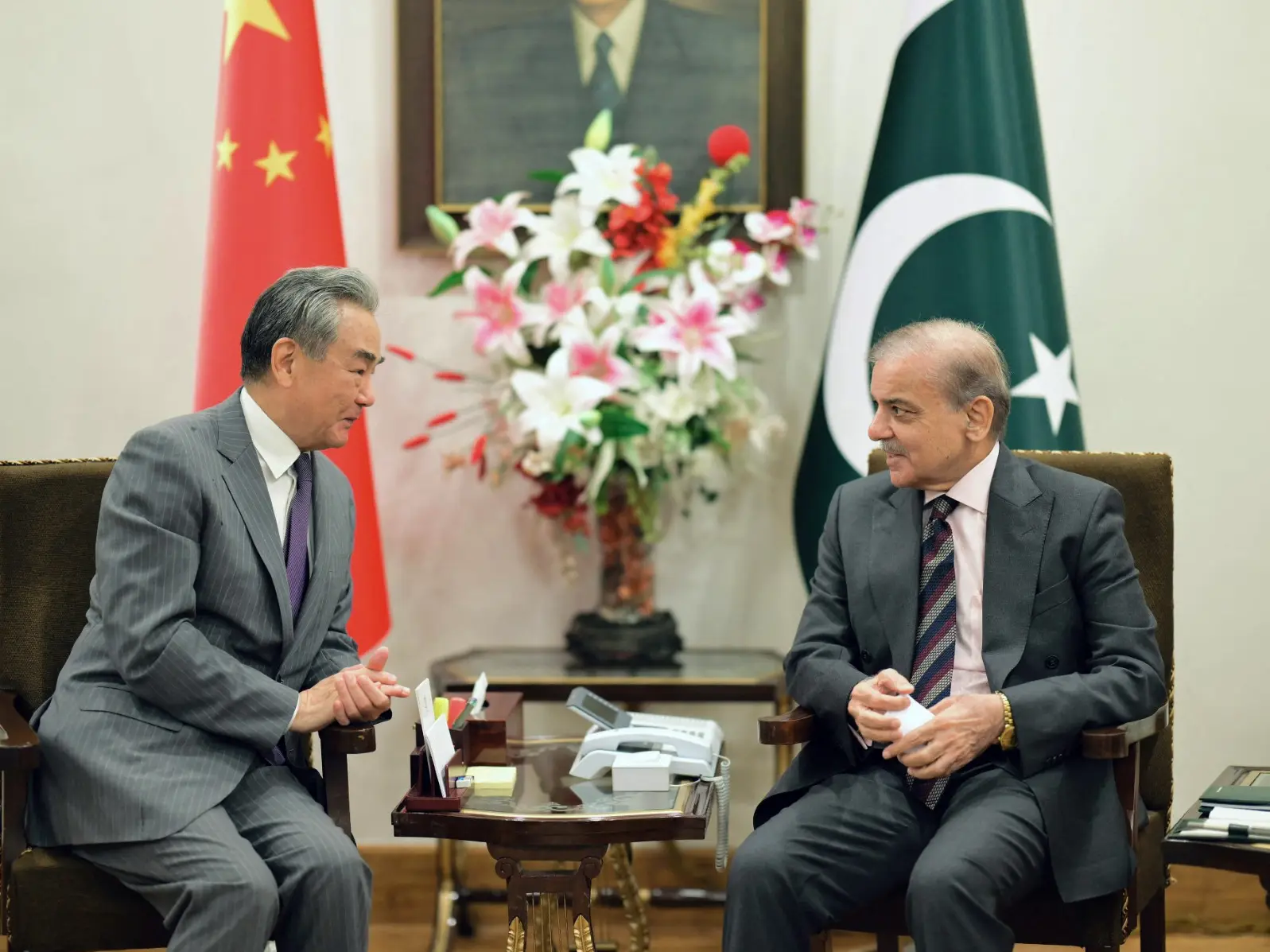
Pakistan's Prime Minister Shehbaz Sharif (R) speaks with Chinese Foreign Minister Wang Yi at the Prime Minister House in Islamabad. Photograph: (AFP)
China and Pakistan reached a new consensus to accelerate CPEC and Gwadar Port development, while pledging enhanced security for Chinese workers and aligning on Middle East and regional geopolitics.
China and Pakistan on Tuesday (May 26) said they had reached a “new broad consensus” to deepen strategic cooperation and accelerate development under the China-Pakistan Economic Corridor (CPEC), with a renewed focus on transforming Gwadar into a regional connectivity hub. The announcement came in a joint statement issued after Pakistani Prime Minister Shehbaz Sharif concluded his visit to Beijing, where he held talks with Chinese President Xi Jinping and Premier Li Qiang. The two sides said they had agreed to promote the “high-quality” development of CPEC, the flagship corridor under the Belt and Road Initiative, while strengthening transport and port connectivity between the neighbouring countries.
“Both sides welcomed third parties to participate in the development of the China-Pakistan Economic Corridor under the model agreed,” the statement said. The plans include further development of the port of Gwadar, expansion of road and port infrastructure, and upgrades to the Karakoram Highway and the Khunjerab Pass, the main overland trade route linking China and Pakistan. Pakistan also pledged enhanced security measures to safeguard Chinese workers and investments, a longstanding concern for Beijing after repeated militant attacks targeting Chinese nationals and projects in Pakistan.
The joint statement underscored the broader regional dimension of the partnership, with China expressing appreciation for Pakistan’s role in facilitating dialogue linked to the temporary US-Iran ceasefire and diplomatic engagement in Islamabad. Both countries reiterated support for the early adoption of a five-point initiative aimed at restoring peace in the Middle East, saying they were willing to make “positive contributions” towards regional stability.
In Taiwan, Pakistan reaffirmed its support for the “one-China principle”, describing Taiwan as an “inalienable” part of China and opposing any form of Taiwanese independence. Taiwan has consistently rejected Beijing’s sovereignty claims, maintaining that only the island’s people can determine its future. The two sides also discussed regional security, particularly developments involving Afghanistan. Pakistan welcomed China’s efforts to expand engagement with Kabul, while both countries opposed the use of territory by militant groups, including Tehreek-e-Taliban Pakistan and the Eastern Turkistan Islamic Movement, to threaten regional security or launch attacks.
Trending Stories
&imwidth=280&imheight=210&format=webp&quality=medium)
&im=FitAndFill=(700,400)&imwidth=280&imheight=210&format=webp&quality=medium)
&imwidth=280&imheight=210&format=webp&quality=medium)
&imwidth=280&imheight=210&format=webp&quality=medium)
&imwidth=280&imheight=210&format=webp&quality=medium)
&imwidth=280&imheight=210&format=webp&quality=medium)
&imwidth=280&imheight=210&format=webp&quality=medium)
&imwidth=280&imheight=210&format=webp&quality=medium)
&imwidth=280&imheight=210&format=webp&quality=medium)
&imwidth=280&imheight=210&format=webp&quality=medium)
&imwidth=280&imheight=210&format=webp&quality=medium)
&imwidth=280&imheight=210&format=webp&quality=medium)
&imwidth=280&imheight=210&format=webp&quality=medium)
&imwidth=280&imheight=210&format=webp&quality=medium)
&imwidth=280&imheight=210&format=webp&quality=medium)
&imwidth=280&imheight=210&format=webp&quality=medium)
&imwidth=280&imheight=210&format=webp&quality=medium)
&im=FitAndFill=(700,400)&imwidth=280&imheight=210&format=webp&quality=medium)
&im=FitAndFill=(700,400)&imwidth=280&imheight=210&format=webp&quality=medium)
&imwidth=280&imheight=210&format=webp&quality=medium)
&imwidth=280&imheight=210&format=webp&quality=medium)
&imwidth=280&imheight=210&format=webp&quality=medium)
&imwidth=280&imheight=210&format=webp&quality=medium)
&imwidth=280&imheight=210&format=webp&quality=medium)
&imwidth=280&imheight=210&format=webp&quality=medium)
&imwidth=280&imheight=210&format=webp&quality=medium)
&imwidth=280&imheight=210&format=webp&quality=medium)
&imwidth=280&imheight=210&format=webp&quality=medium)
&im=FitAndFill=(700,400)&imwidth=280&imheight=210&format=webp&quality=medium)
&imwidth=280&imheight=210&format=webp&quality=medium)
&imwidth=280&imheight=210&format=webp&quality=medium)
&imwidth=280&imheight=210&format=webp&quality=medium)
&imwidth=280&imheight=210&format=webp&quality=medium)
&imwidth=280&imheight=210&format=webp&quality=medium)
&imwidth=280&imheight=210&format=webp&quality=medium)

