Pakistan army chief Asim Munir arrives in Tehran as Iran examines fresh peace proposal to end war

&imwidth=600&imheight=450&format=webp&quality=medium "Pakistan army chief Asim Munir arrives in Tehran as Iran examines fresh peace proposal to end war")
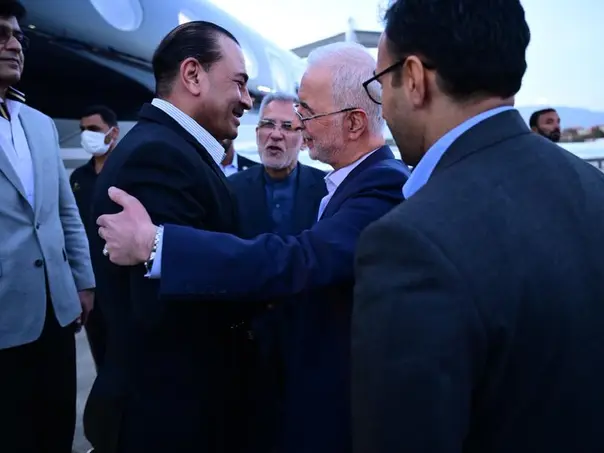
Pakistan army chief Field Marshal Asim Munir with Iran's Minister of Interior Eskandar Momeni Photograph: (X (@clashreport))
Pakistan Army Chief Asim Munir arrived in Tehran as Iran reviews a new US proposal aimed at ending the ongoing Middle East war
Asim Munir, Pakistan’s army chief, arrived in Tehran on Friday (May 22) as Islamabad intensified mediation efforts while Iran reviews a fresh US proposal aimed at ending the ongoing Middle East war. The visit comes amid growing diplomatic activity following weeks of fragile negotiations between Iran and the United States after the conflict erupted on February 28, when US and Israeli forces launched attacks on Iran. Although a ceasefire reached on April 8 temporarily halted fighting, efforts to secure a permanent agreement have repeatedly stalled despite direct talks hosted by Pakistan in Islamabad.
Iranian foreign ministry spokesman Esmaeil Baqaei warned against assuming a breakthrough had been achieved. “We have reached a turning point or a decisive situation,” he said, but that was not necessarily the case, according to Iran’s ISNA news agency. Baqaei added that the disagreements between Iran and the United States were 'deep and extensive'. Earlier, US Secretary of State Marco Rubio expressed hope that Pakistan’s mediation could help advance negotiations aimed at ending the war. Pakistan’s military confirmed Munir’s arrival in Tehran, saying he had ‘arrived in Tehran as part of ongoing mediation efforts’.
According to the statement, Munir was welcomed by Iran’s Interior Minister, Eskandar Momeni, and Pakistan’s Interior Minister Mohsin Naqvi. Naqvi had earlier visited Iran twice within a week, meeting Iranian President Masoud Pezeshkian and Foreign Minister Abbas Araghchi. Baqaei also revealed that a delegation from Qatar held discussions with Iran’s foreign minister on Friday. “In recent days, many countries, both regional and non-regional, have been trying to help bring the war to an end. However, Pakistan remains the official mediator.”
Pakistan hosted the first direct negotiations between US and Iranian officials since the war started, with Munir playing a central role during the Islamabad talks. He welcomed both delegations and was seen interacting closely with US Vice President JD Vance. However, those talks eventually collapsed after Iran accused Washington of making 'excessive demands'. Since then, both sides have exchanged several proposals while fears of renewed conflict continue to rise.
Also Read: Who is Aaron Lukas? Acting Director of National Intelligence chief after Tulsi Gabbard's resignation
The Strait of Hormuz remains a major sticking point
Trending Stories
&imwidth=280&imheight=210&format=webp&quality=medium)
&imwidth=280&imheight=210&format=webp&quality=medium)
&im=FitAndFill=(700,400)&imwidth=280&imheight=210&format=webp&quality=medium)
&imwidth=280&imheight=210&format=webp&quality=medium)
&imwidth=280&imheight=210&format=webp&quality=medium)
&imwidth=280&imheight=210&format=webp&quality=medium)
&imwidth=280&imheight=210&format=webp&quality=medium)
&imwidth=280&imheight=210&format=webp&quality=medium)
&imwidth=280&imheight=210&format=webp&quality=medium)
&imwidth=280&imheight=210&format=webp&quality=medium)
&im=FitAndFill=(700,400)&imwidth=280&imheight=210&format=webp&quality=medium)
&imwidth=280&imheight=210&format=webp&quality=medium)
&imwidth=280&imheight=210&format=webp&quality=medium)
&imwidth=280&imheight=210&format=webp&quality=medium)
&imwidth=280&imheight=210&format=webp&quality=medium)
&imwidth=280&imheight=210&format=webp&quality=medium)
&im=FitAndFill=(700,400)&imwidth=280&imheight=210&format=webp&quality=medium)
&imwidth=280&imheight=210&format=webp&quality=medium)
&imwidth=280&imheight=210&format=webp&quality=medium)
&imwidth=280&imheight=210&format=webp&quality=medium)
&imwidth=280&imheight=210&format=webp&quality=medium)
&imwidth=280&imheight=210&format=webp&quality=medium)
&imwidth=280&imheight=210&format=webp&quality=medium)
&imwidth=280&imheight=210&format=webp&quality=medium)
&imwidth=280&imheight=210&format=webp&quality=medium)
&imwidth=280&imheight=210&format=webp&quality=medium)
&imwidth=280&imheight=210&format=webp&quality=medium)
&imwidth=280&imheight=210&format=webp&quality=medium)
&imwidth=280&imheight=210&format=webp&quality=medium)
&imwidth=280&imheight=210&format=webp&quality=medium)
&imwidth=280&imheight=210&format=webp&quality=medium)
&imwidth=280&imheight=210&format=webp&quality=medium)
Iranian media reported that Munir’s visit would continue ‘talks and consultations’ with Iranian authorities over the war and regional tensions. Rubio later told reporters regarding Pakistan’s mediation efforts: “Hopefully that'll advance this further.” He also warned that President Donald Trump remained frustrated with America’s NATO allies for not providing stronger support during the Iran conflict. Rubio added that European nations may need a ‘Plan B’ if fighting resumes and Iran continues restricting movement through the Strait of Hormuz.
Iran effectively shut down the vital shipping corridor in retaliation for the February strikes, disrupting a major route used for global oil and gas shipments. The future of the strait has become one of the biggest obstacles in negotiations, with concerns mounting over potential damage to the global economy as oil reserves decline. Meanwhile, the European Union moved closer on Friday to imposing sanctions on Iranian officials accused of blocking the Strait. Baqaei said the Strait of Hormuz situation and the US blockade of Iranian ports were among the key issues under discussion. “The issue of ending the war on all fronts, including Lebanon, is very important,” he added.
Lebanon front remains active
Hezbollah entered the conflict by launching rocket attacks on Israel following the killing of Iran’s supreme leader during US-Israeli strikes. Although a truce started on April 17, clashes have continued in southern Lebanon. Israel has carried out repeated strikes, demolitions, and evacuation orders, claiming it is targeting Hezbollah fighters. Lebanon’s health ministry said Israeli attacks have killed at least 3,111 people in Lebanon since March 2. On Friday alone, Israeli strikes in southern Lebanon reportedly killed 10 people, including six rescuers and a child. The Israeli military separately announced another airstrike that killed two people in an area where fighting with Hezbollah continues. The United States also imposed sanctions on nine Hezbollah-linked individuals accused of ‘obstructing the peace process in Lebanon’, including two officers from Lebanon.
Disclaimer: WION takes utmost care to accurately and responsibly report ongoing conflicts in West Asia involving Israel, Iran, the US, Gulf nations, and non-state actors like Hezbollah, Hamas, Houthis, Islamic State, and others. Claims and counterclaims, disinformation and misinformation are being made online and offline. Given this context, WION cannot independently verify the authenticity of all statements, social media posts, photos, and videos.

