Once Asia’s richest man, Evergrande founder gets life sentence in China: Who is he?

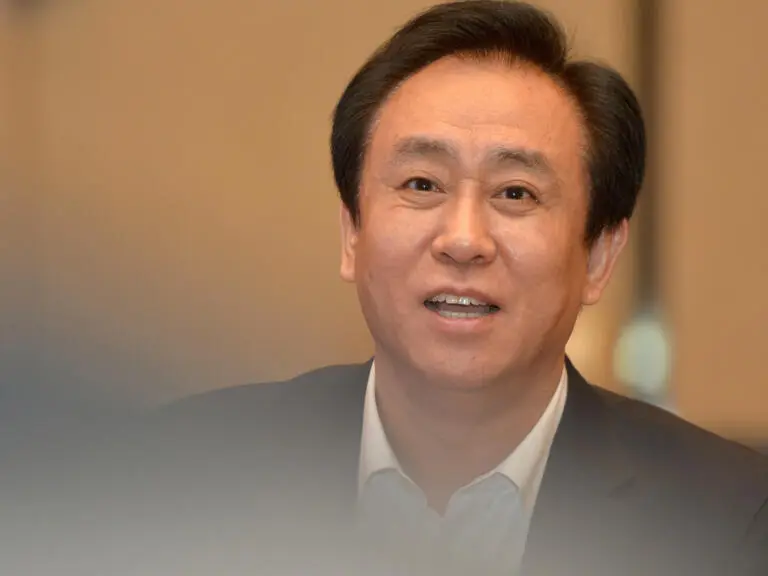&imwidth=600&imheight=450&format=webp&quality=medium "Once Asia’s richest man, Evergrande founder gets life sentence in China: Who is he?")
China jails founder, fines disgraced property giant Evergrande
Evergrande founder Xu Jiayin has been sentenced to life in prison after a Chinese court found him guilty of large-scale financial fraud, bribery and embezzlement. The property tycoon was also stripped of his personal assets, while Evergrande was fined 15.82 billion yuan.
The founder of Evergrande Group, the property giant at the centre of China's housing market slump, has been sentenced to life in prison and all of his personal property has been confiscated. Five other senior executives of Evergrande Group were also sentenced Thursday to prison terms ranging from six to 18 years for crimes including fraud. A total of 56 people were given jail sentences -- including Xu's two sons -- with the shortest term one year and 10 months, China's state news agency Xinhua reported.
Evergrande Group, was once the face of Chinese real estate but its access to credit dramatically narrowed when the government introduced curbs on excessive borrowing. The company defaulted in 2021 after struggling to repay creditors. On Thursday (Aug 20), a court in southern China fined the firm and its real estate arm a total of 15.82 billion yuan ($2.4 billion) and issued a life sentence against founder Xu Jiayin, also known as Hui Ka Yan in Cantonese, for crimes including "large-scale financial fraud", the Shenzhen Intermediate People's Court in Guangdong province said in a post on its WeChat account.
What the Court said?
The court said that between 2016 and 2021, Evergrande and Xu “violated national laws by engaging in continuous, large-scale financial fraud and other means to inflate assets and conceal liabilities.” It added that the parties "gained control of financial institutions" through bribery, without naming the institutions.
Trending Stories
)
)
)
)
)
)
)
)
)
)
)
)
)
)
)
)
)
)
)
)
)
)
)
)
)
)
)
)
)
)
)
)
)
)
&im=FitAndFill=(700,400))
)
)
)
)
Xu pleaded guilty in April to charges that also included embezzlement and bribery, the court said at the time. Xu was once China's richest billionaires and a member of the Communist Party's top political advisory body. Xu and Evergrande's actions "seriously disrupted the socialist market economic order... and undermined the integrity of official conduct by state personnel", the court said. "The circumstances were particularly egregious, causing particularly serious economic losses and causing particularly serious social harm," it added.

