

&imwidth=800&imheight=600&format=webp&quality=medium "Oil prices drop to pre-war level as Oman affirms no transit fees for crossing Hormuz")
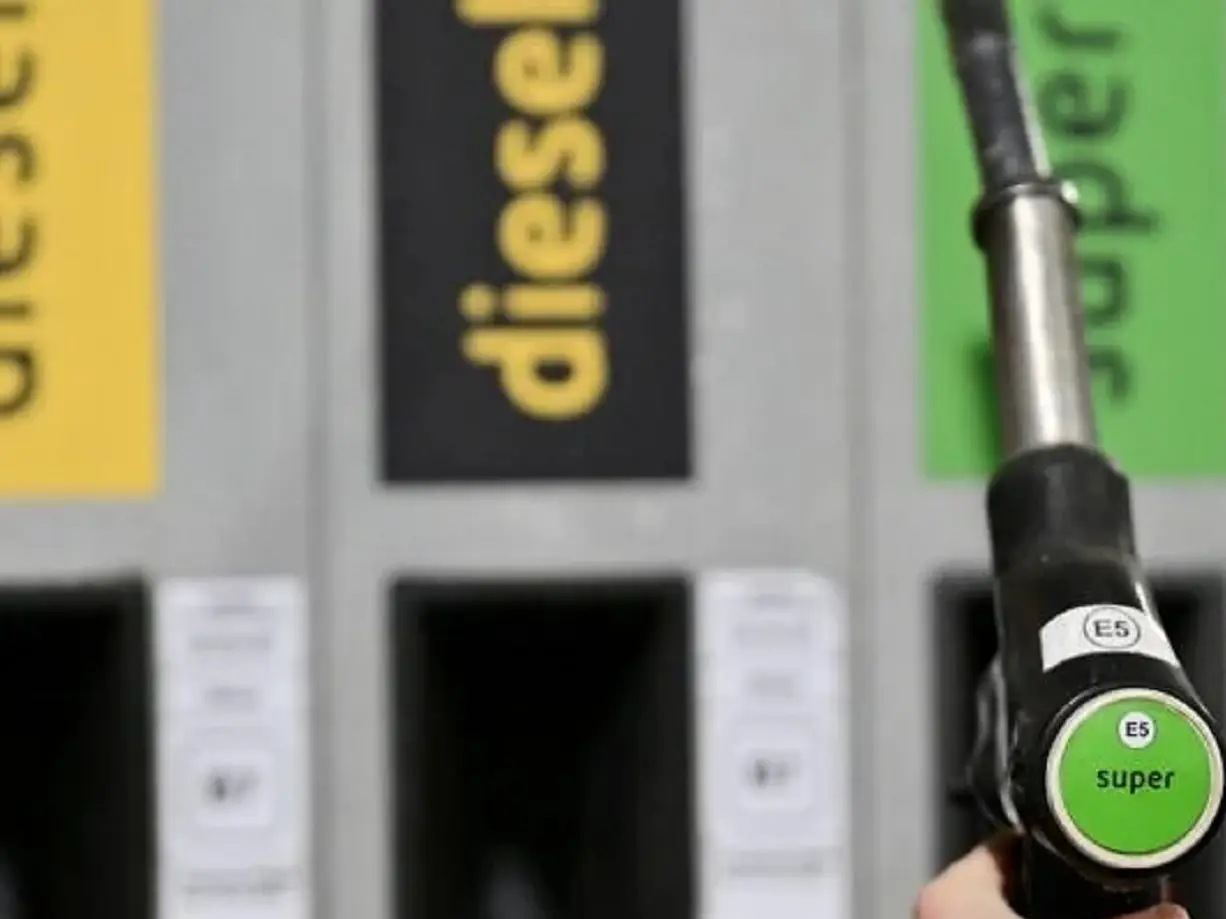
Oil prices are falling since the MoU signing between the US and Iran and have reached pre-war levels, in major relief to economies across the world. Brent crude, the international standard, fell 3.8% to $73.87 a barrel. Brent has been trading below $80 in recent days but is still above the roughly $70 per barrel it was trading at before the war began at the end of February.
US crude prices fell 3.9% to $70.34 a barrel. Early Thursday, Brent was down 1.3% at $72.90, while US benchmark crude lost 1.4% to $69.37.
The drop in prices comes as shipping across the Strait of Hormuz slowly resumed last week under the US-Iran memorandum of understanding.
Also Read: Amazon CEO meets PM Modi, says e-com giant to invest $48bn in India by 2030, expand AI, cloud infra
Hormuz management ‘will not involve imposing any transit fees’: Oman
Oman’s Foreign Minister Sayyid Badr bin Hamad Al Busaidi said on Thursday after meeting with fellow top diplomats from Persian Gulf nations and US Secretary of State Marco Rubio, that “future arrangements concerning the Strait of Hormuz will not involve imposing any transit fees.”
Trending Stories
&imwidth=180&imheight=135&format=webp&quality=medium)
Viral video shows cross falling on Colombia priest, no official confirmation | WATCH
&imwidth=180&imheight=135&format=webp&quality=medium)
Rafale Marine fighter begins flight trials in Goa ahead of Indian Navy induction
&imwidth=180&imheight=135&format=webp&quality=medium)
Ranbir Kapoor apologises for Dussehra speech slip, clarifies remark at Ramayana event
&imwidth=180&imheight=135&format=webp&quality=medium)
Meta slapped with $25 billion fine in New Mexico over Facebook data practices, company plans appeal
&imwidth=180&imheight=135&format=webp&quality=medium)
WATCH: Woman IPS officer fires several rounds of AK-47, ignites debate online
&imwidth=180&imheight=135&format=webp&quality=medium)
WATCH | Mysterious haze grips Ohio city as toxic chemical leak forces mass evacuation – What is happening?
&imwidth=180&imheight=135&format=webp&quality=medium)
EU probes Booking.com under Digital Services Act
&imwidth=180&imheight=135&format=webp&quality=medium)
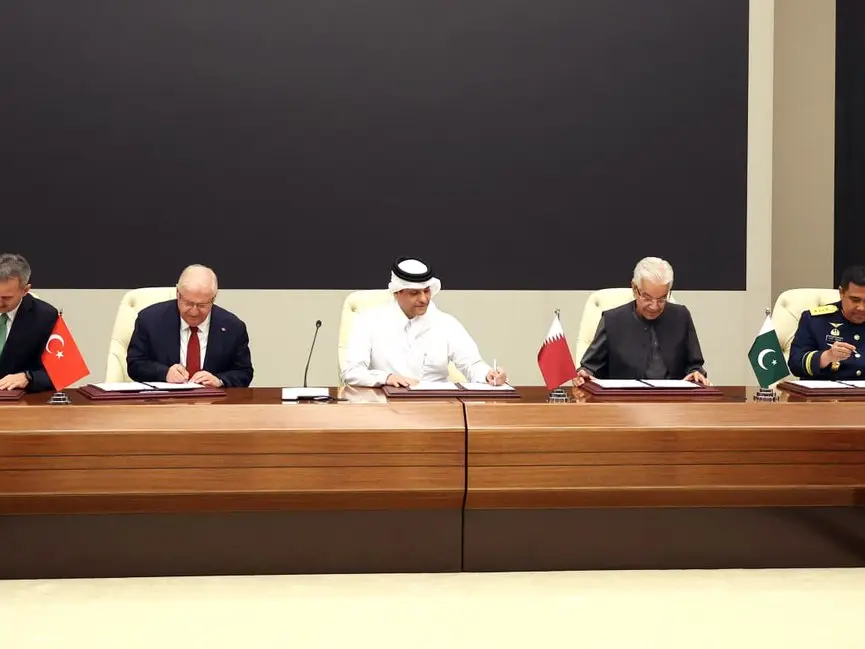
Pakistan signs another defence pact even as Makkah Alliance shows no teeth. This time, it's with Qatar, Indonesia, Turkey
&imwidth=180&imheight=135&format=webp&quality=medium)
Kim Jong Un death rumors explode | China accused of secretly sending troops to Pyongyang
&imwidth=180&imheight=135&format=webp&quality=medium)
Ilhan Omar breaks silence over alleged marriage to her brother; Trump thinks it's 'really good answer'
&imwidth=180&imheight=135&format=webp&quality=medium)
US-Iran war: Bibi, Trump gamble on new Iran war to save themselves in polls
&imwidth=180&imheight=135&format=webp&quality=medium)
From Agni-V to Project Kusha: How are India’s indigenous missile systems and defence shield reshaping modern warfare
&imwidth=180&imheight=135&format=webp&quality=medium)
Will Rohit and Kohli play ODI World Cup 2027? BCCI president Manhas says board 'not in a position to comment'
&imwidth=180&imheight=135&format=webp&quality=medium)
Why websites around the world are suddenly going offline? What you need to know about PHP
&imwidth=180&imheight=135&format=webp&quality=medium)
US midterms 2026: What polls and prediction markets indicate about Congress
&imwidth=180&imheight=135&format=webp&quality=medium)
'You are a dummy, you are a stupid person': Trump loses temper with CNN, ABC reporters after questions about Russia sanctions
&imwidth=180&imheight=135&format=webp&quality=medium)
China's dancing robot turns violent bodyguard, lifts cars and fights intruders - Watch
&imwidth=180&imheight=135&format=webp&quality=medium)
16-foot doomsday fish in Chile triggers fears that the next earthquake is coming
&imwidth=180&imheight=135&format=webp&quality=medium)
Are the US and Israel preparing for another major attack on Iran? Here's what report claims
&imwidth=180&imheight=135&format=webp&quality=medium)
Priyanka Chopra celebrates Dussehra 2026 with Nick Jonas and daughter Malti Marie | See pics
&im=FitAndFill=(700,400)&imwidth=180&imheight=135&format=webp&quality=medium)
New OTT releases this week (October 19-25, 2026): Gajab Raat to Chaar Yaar-8 titles to watch during Dussehra week on Netflix, Prime Video and more
&imwidth=180&imheight=135&format=webp&quality=medium)
‘I caution the president...’: Trump’s ex-press secretary warns after Zacharia’s exit
&imwidth=180&imheight=135&format=webp&quality=medium)
'Father of all bombs' vs 'mother of all bombs': Iran threatens US with new weapon as Trump hints at MOAB strike
&imwidth=180&imheight=135&format=webp&quality=medium)
Diljit Dosanjh's Oct 30 Delhi show hits roadblock, Delhi Police denies permission
&imwidth=180&imheight=135&format=webp&quality=medium)
Australia police arrest former national 100m champ Jake Doran for alleged child abuse
&imwidth=180&imheight=135&format=webp&quality=medium)
'Gyanu must go': CJP's Saurav Das, Ashutosh Ranka after release, despite Jantar Mantar protest undertaking
&imwidth=180&imheight=135&format=webp&quality=medium)
Hunger makes alcohol more appealing, study finds
&imwidth=180&imheight=135&format=webp&quality=medium)
Kolkata airport: CISF detects ₹1.13 crore in US dollars hidden in bags of 2 Bangkok-bound passengers
&imwidth=180&imheight=135&format=webp&quality=medium)
Feds obtain DNA evidence that could prove Ilhan Omar married her brother: Report
&imwidth=180&imheight=135&format=webp&quality=medium)
US midterms 2026: Trump's approval rating hits record low as Democrats gain ground
Al Busaidi reiterated Oman’s support for the memorandum of understanding signed between the United States and the Islamic Republic of Iran and stressed the importance of ensuring the success of its objectives in pursuit of the desired peace, the Omani Foreign Ministry said in a statement.
He also stressed the importance of restoring freedom of navigation through the Strait of Hormuz and ensuring its safe and uninterrupted flow. The minister noted that Oman, as a littoral state of the strait, bears a special responsibility in supporting international efforts to secure maritime navigation in accordance with its responsibilities and obligations under international law and the United Nations Convention on the Law of the Sea, the statement added.
Toll at one waterway would ‘spread like contagion’ to others: Rubio
“International waterways do not belong to any nation state,” said Rubio earlier in the day at the Gulf Cooperation Council meeting in Bahrain.
"If, in fact, we accepted that you can charge money to use an international waterway because it happens to be near your territorial space, well then this will spread throughout the world like a contagion,” the US Secretary of State said.
Iran and Oman have said that they are creating a new joint mechanism to regulate traffic through the Strait of Hormuz—a vital waterway for global energy supplies that was free and open before the US and Israel launched strikes on Iran around four months ago.
In a previous joint statement, Oman and Iran said the new system could have “costs associated”. Tehran has for long now maintained that it could impose ‘fees’ on commercial vessels transiting the strait, something the Trump administration has rejected.
‘Fall in pump prices going to take time’: Chevron CFO
Meanwhile, Chevron’s chief financial officer, Eimear Bonner, said on Thursday that “it’s going to take time” for the prices Americans pay at the pump to fall, even as global oil prices dropped sharply with tankers starting to move in greater numbers through the Strait of Hormuz.
“I mean, there is a lag between oil prices and reduction in oil prices and when that shows up at the pump,” Bonner said during a CNBC show.
President Donald Trump on Wednesday criticised big energy firms and accused them of “gouging” American drivers by not cutting their prices. Trump also told White House reporters that he had ordered an investigation into the matter, as “gasoline prices should be much lower at the pump” and singled out Chevron, ExxonMobil, Shell and BP by name.

