UK women are way ahead when it comes to binge drinking, study finds


Alcohol
It is popularly said that "anything a man can do, a woman can do it, even better".As per a new study, this also holds true for guzzling alcohol.
A study by the Organisation for Economic Co-operation and Development (OECD) has found that women in Britain top the list of the world's biggest female binge drinkers.
Alcohol consumption around the world

The OECD report compared alcohol consumption across 33 countries and found that among women binge drinkers, the UK's female population tops the chart. As per the report, around 26 per cent of women go out binge drinking at least once a month.
Men are ahead, with 45 per cent binge-drinking at least once a month. However, Romanian men topped the charts, with around 57 per cent doing so.
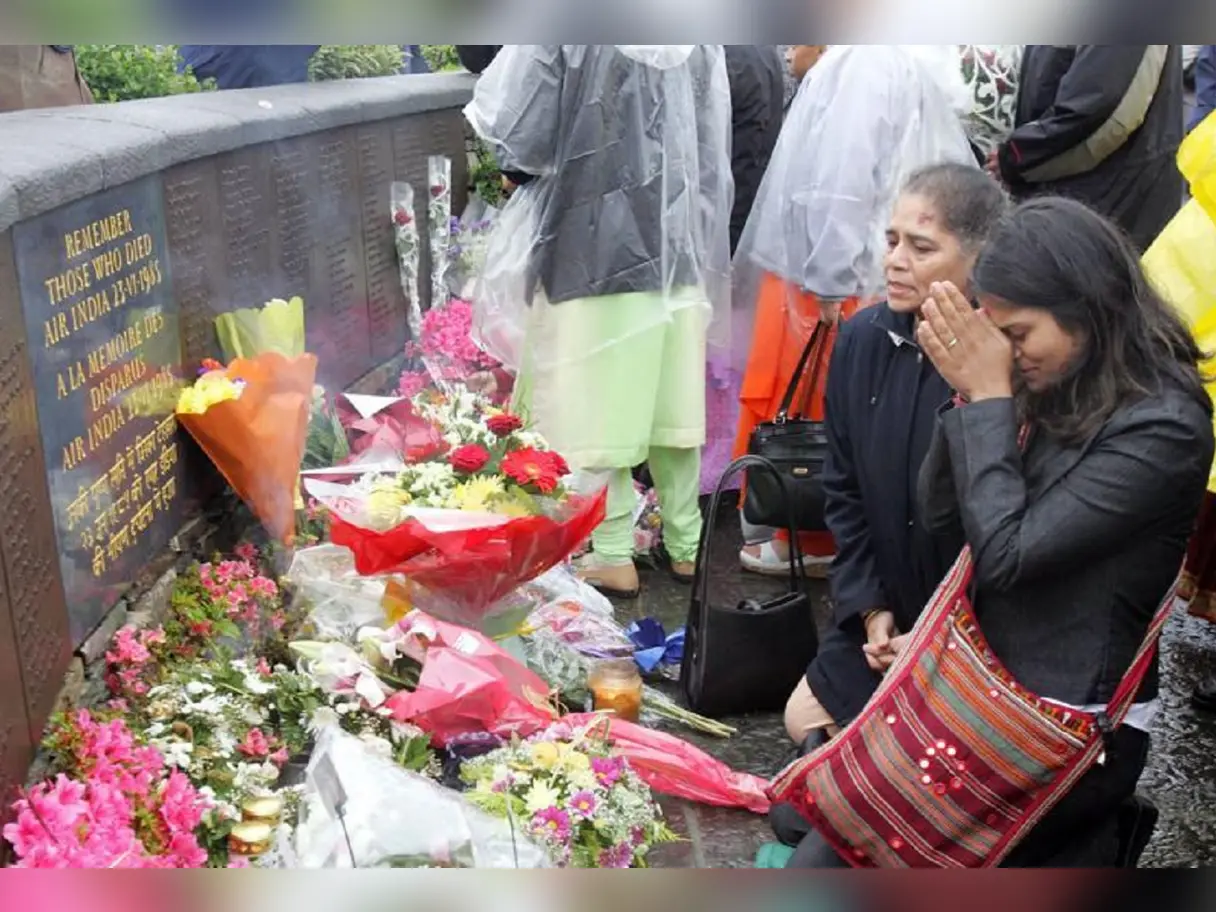)
Justice eludes Air India 1985 bombing victims as Canada probe goes 'inactive' | Gravitas
)
Mumbai: Gallops restaurant at Mahalaxmi Racecourse licence suspended over food safety violations
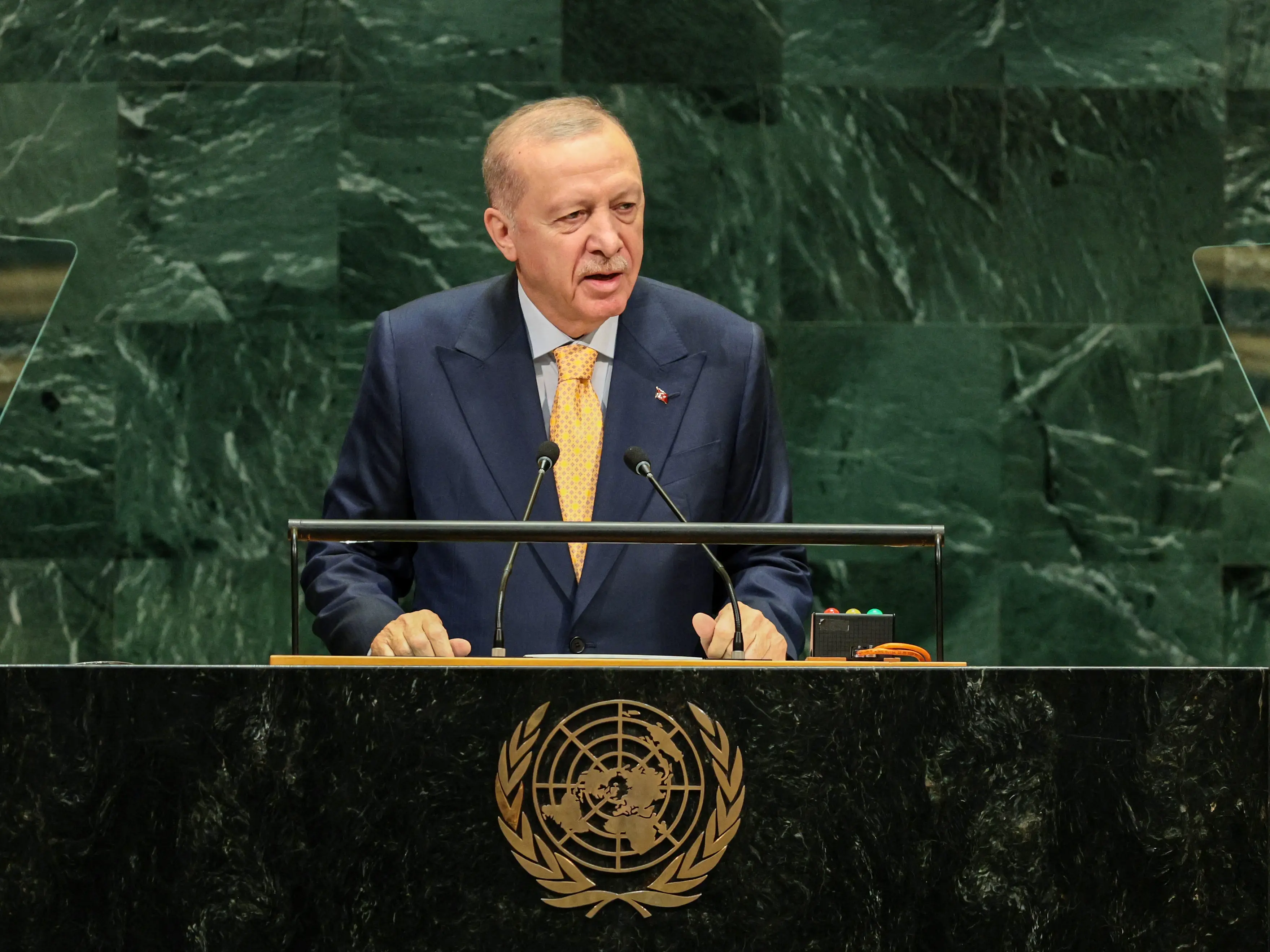)
Erdogan again raises Kashmir issue at UNGA, calls for dialogue under UN Charter
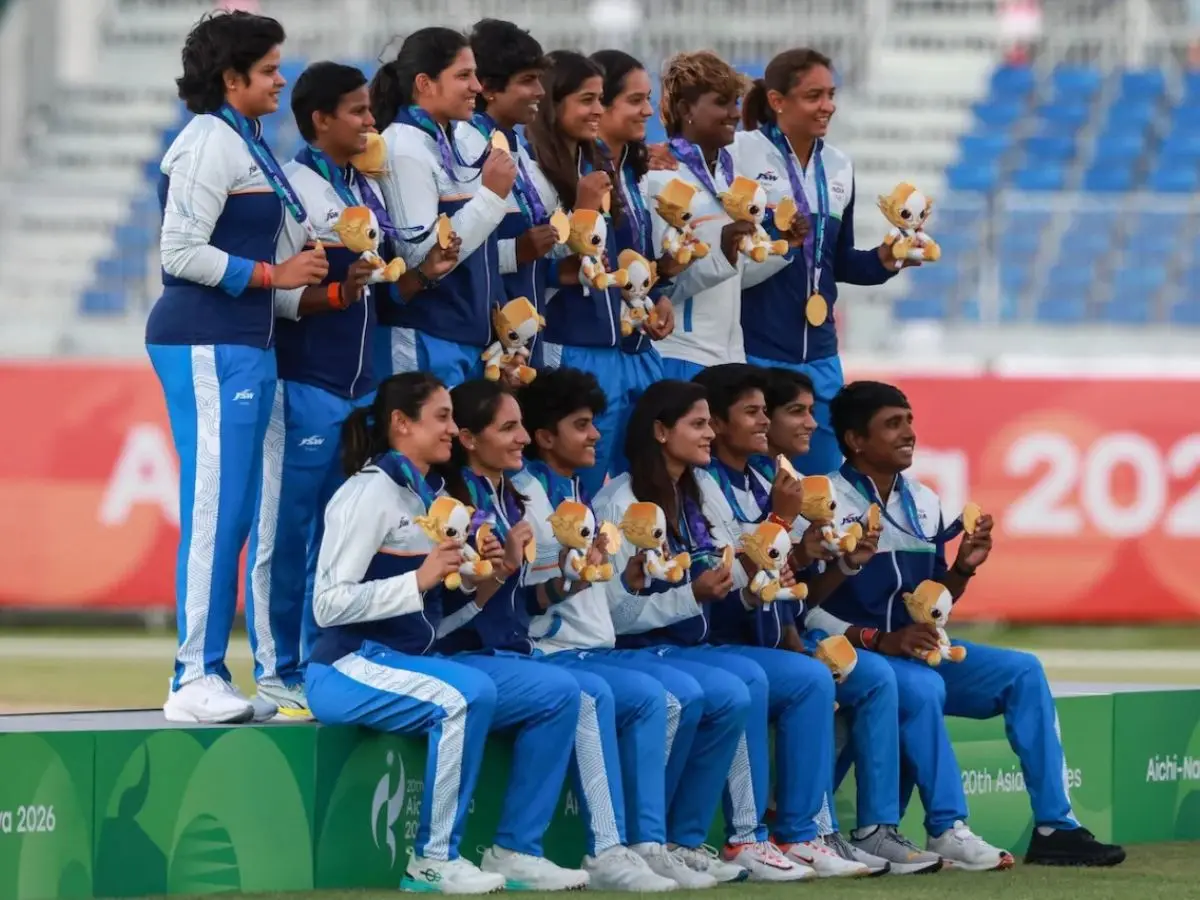)
'Our team opened the gate of gold medals': Harmanpreet Kaur on India’s Asian Games final win
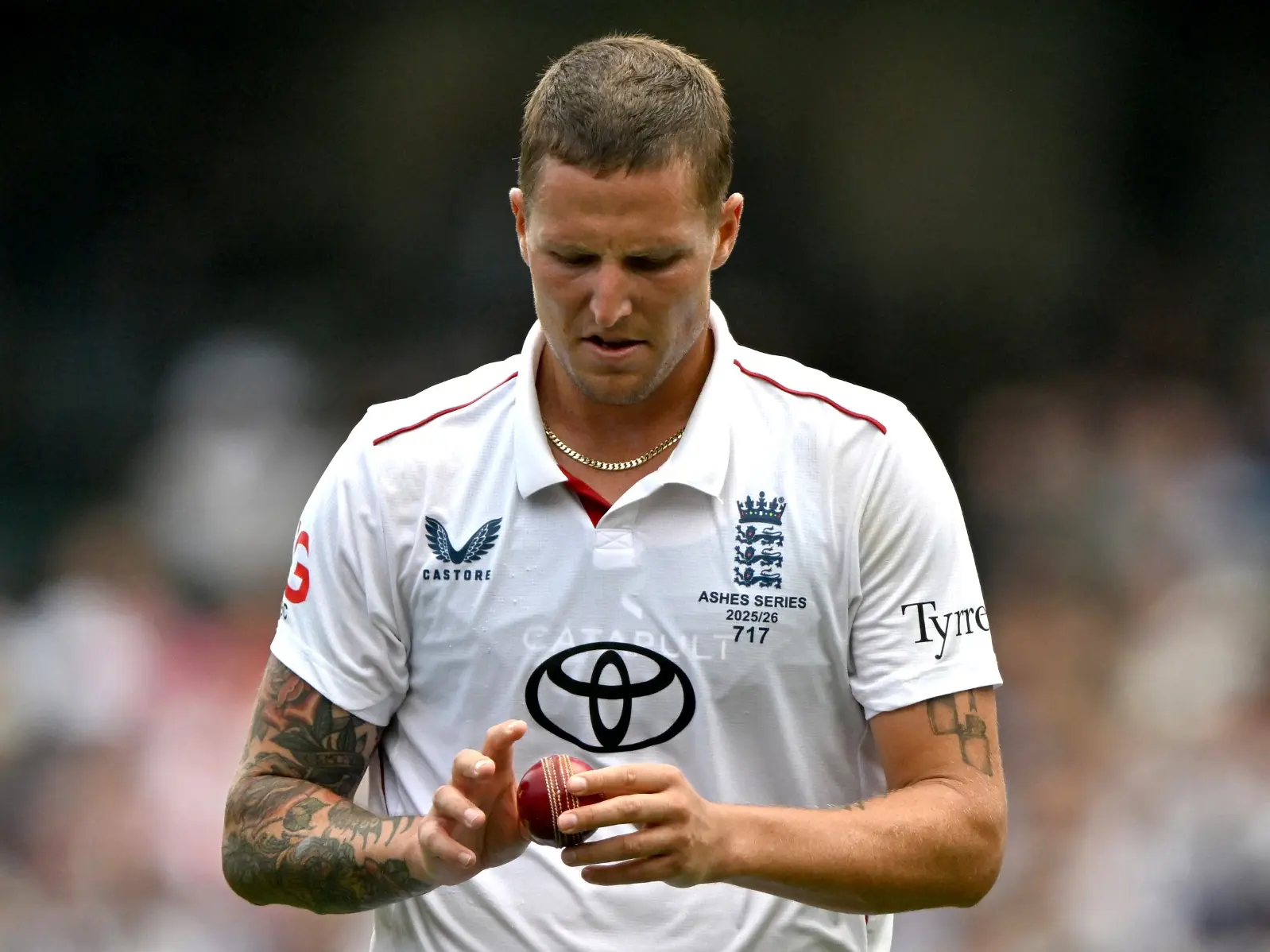)
'Needs time away from the international scene': England white-ball captain Brook on pacer Brydon Carse's future
)
Four decades after leaving Kolkata, the Birlas may be coming back for more
)
The Verdict | Moral policing isn’t culture or discipline, it’s crime
)
Cyclone Arnab: Landfall expected before midnight tomorrow as IMD issues orange alerts across six states
)
Glitch in the matrix caught on camera: Woman vanishes after talking to reporter
)
Rani Mukerji's mother Krishna Mukerji passes away; Karan Johar, Jaideep Ahlawat visit actress
)
Asian Games 2026: India women's cricket team beats Sri Lanka by 147 runs for first gold
)
ICC plans T20I expansion and fewer ODIs in 2027–2031 FTP cycle: Report
)
Key accused in Bihar's Jamui molestation case, arrested after police shoot him in leg
)
'Mumma’s boy from Gwalior who dared to dream': Kartik Aaryan pens long note after first National Award win
)
Gravitas | Boosting NHS productivity could save 20,600 lives in UK annually: Report
)
US and China vie for AI dominance as calls grow for regulation | Gravitas
)
Yemen clashes kill 154 people in two days as cornered Saudi battles Houthi offensive | Gravitas
72nd National Film Awards: Kartik Aaryan receives Best Actor honour for Chandu Champion in Gujarat
)
IND vs JPN, one-off T20I: Japan captain Kendel on pushing India to the brink - ‘It was special’
)
Raaka creates history! Allu Arjun’s film secures Guinness World Record ahead of release
)
Saudi Arabia exits China-led mBridge digital currency platform amid Saudi-Houthi conflict
)
WION Iconic Tourism Summit and Awards 2026: Key voices to discuss India’s tourism future
)
National Film Awards 2026: Yami Gautam wins Best Actress for Article 370
)
World leaders repeatedly call Gaza crisis ‘genocide’ as Israel’s war dominates opening sessions of UNGA
)
WION Iconic Tourism Summit and Iconic Awards 2026: India's travel economy leaders gather in Delhi
)
American manufacturing is reshoring faster than its factory floors can absorb
&im=FitAndFill=(700,400))
New OTT releases this week (September 21-27, 2026): Shaque: Trust No One, Hunkkaar, Don’t Be Shy- 5 new titles coming to Netflix, Prime Video and more
)
Trump calls on nations to quit ‘rogue’ and ‘out-of-control’ International Criminal Court, rips UN
)
Who is Clavicular? The 20-year-old controversial 'Looksmaxxing' influencer charged with rape allegations
)
'This is normally what toddlers do': Why a psychiatrist is raising fresh questions about Trump’s recent behaviour
&im=FitAndFill=(700,400))
National Film Awards 2026: Kartik Aaryan, Mammootty, Yami Gautam, Randeep Hooda and other key winners
)
‘Strike a deal or drive Iran into hell’: Trump issues fresh warning to Tehran at UNGA
)
Trump calls Cuba a ‘failed state’ at UN, Cuban delegation walks out
)
Over 4,200 books withdrawn from circulation in J&K colleges, 94% from Kashmir
)
Trump’s China visa crackdown puts US universities, Chinese students in focus ahead of Trump- Xi summit
)
Explainer: Why rare-earth export licences and Board of Trade are US priorities ahead of Trump-Xi summit
)
Oil slips to $98 as Saudi Arabia restarts East-West oil pipeline
)
‘Shame on you’: Netanyahu vows to ‘tell the truth’ about Mamdani at UN ahead of New York visit
Combined, the UK ranked third for binge drinking, behind Romania and Luxembourg.
Globally, across the OECD countries, on average 26 per cent of men reported heavy episodic drinking at least once a month compared to just 12 per cent of women.
Alcohol - an avoidable death
The OECD report states that alcohol use is the "leading cause of death and disability worldwide, particularly among those of working age."
Talking to the Guardian, Dr Richard Piper, chief executive of Alcohol Change UK, said: "Alcohol causes too much harm here in the UK. But this is totally avoidable."
As per the OECD, alcohol intake puts consumers at risk of heart diseases, strokes, liver cirrhosis, certain types of cancers and more. Additionally, it contributes to accidents like car crashes, violence, homicides, suicides and mental health disorders.
Also read |Forget 'glass ceiling,' new study finds women likely to be set up to fall off of 'glass cliff'
"There is an overwhelming need for the government to introduce measures that we know will reduce alcohol harm and save lives such as proper controls on alcohol marketing, introducing minimum unit pricing in England like we already have in Scotland and Wales, and clearer alcohol labelling," says Dr Piper.
Globally, in 2021, an average of 2.4 per cent of health expenditure was spent on dealing with the harm caused by alcohol consumption. However, in some countries, the figure reaches as high as 4 per cent.
(With inputs from agencies)

