No pause, Iran will restore its nuclear programme, says AEOI chief Eslami

&imwidth=600&imheight=450&format=webp&quality=medium "No pause, Iran will restore its nuclear programme, says AEOI chief Eslami")
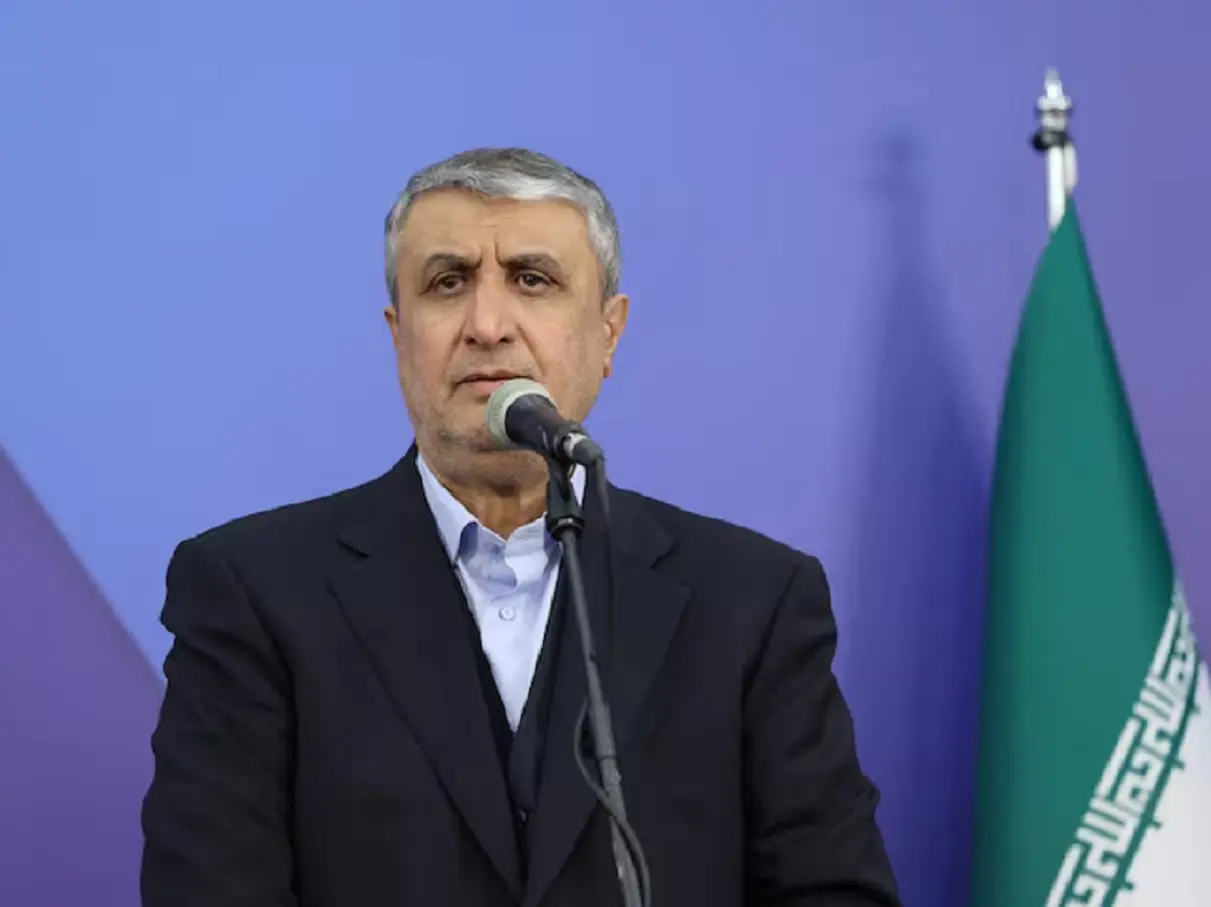
Head of the Atomic Energy Organisation of Iran (AEOI) Mohammad Eslami Photograph: (Reuters)
AEOI spokesperson Behrouz Kamalvandi told Islamic Republic of Iran Broadcasting (IRIB) on Tuesday that the nuclear industry is deeply embedded in Iran and it is impossible for the enemies to uproot this technology.
The head of the Atomic Energy Organisation of Iran (AEOI), Mohammad Eslami, said on Tuesday that Iran will not pause its nuclear programme and arrangements have been made to prevent any disruption to the country’s nuclear activities. Eslami also condemned the Israeli and American military attacks on Iran’s ‘peaceful’ nuclear facilities and said that the AEOI has taken all necessary measures and is assessing damages at the sites that have been attacked.
Iran had made a series of arrangements in advance to restore the nuclear activities, Eslami said while emphasising that plans have been devised to prevent any hiatus in the process of production and services in the nuclear industry.
In separate comments, AEOI spokesperson Behrouz Kamalvandi told Islamic Republic of Iran Broadcasting (IRIB) on Tuesday that the nuclear industry is deeply embedded in Iran and it is impossible for the enemies to uproot this technology.
Iran has capacities and capabilities that allow it to continue progress in the nuclear industry uninterrupted, he added.
Three major facilities, several minor nuclear sites hit
Israel and the US have destroyed or badly damaged Iran’s three major nuclear facilities and dozens of minor nuclear sites and killed around a dozen nuclear scientists.
Iran is assessing damage to its nuclear sites after a series of Israeli and US strikes targeted Tehran’s main nuclear facilities and is planning for their restoration, reported Mehr news, citing Iran’s nuclear chief, Eslami.
Trending Stories
&im=FitAndFill=(700,400)&imwidth=280&imheight=210&format=webp&quality=medium)
&imwidth=280&imheight=210&format=webp&quality=medium)
&imwidth=280&imheight=210&format=webp&quality=medium)
&imwidth=280&imheight=210&format=webp&quality=medium)
&imwidth=280&imheight=210&format=webp&quality=medium)
&imwidth=280&imheight=210&format=webp&quality=medium)
&im=FitAndFill=(700,400)&imwidth=280&imheight=210&format=webp&quality=medium)
&imwidth=280&imheight=210&format=webp&quality=medium)
&imwidth=280&imheight=210&format=webp&quality=medium)
&imwidth=280&imheight=210&format=webp&quality=medium)
&imwidth=280&imheight=210&format=webp&quality=medium)
&imwidth=280&imheight=210&format=webp&quality=medium)
&imwidth=280&imheight=210&format=webp&quality=medium)
&imwidth=280&imheight=210&format=webp&quality=medium)
&imwidth=280&imheight=210&format=webp&quality=medium)
&imwidth=280&imheight=210&format=webp&quality=medium)
&im=FitAndFill=(700,400)&imwidth=280&imheight=210&format=webp&quality=medium)
&imwidth=280&imheight=210&format=webp&quality=medium)
&imwidth=280&imheight=210&format=webp&quality=medium)
&imwidth=280&imheight=210&format=webp&quality=medium)
&imwidth=280&imheight=210&format=webp&quality=medium)
&imwidth=280&imheight=210&format=webp&quality=medium)
&imwidth=280&imheight=210&format=webp&quality=medium)
&im=FitAndFill=(700,400)&imwidth=280&imheight=210&format=webp&quality=medium)
&imwidth=280&imheight=210&format=webp&quality=medium)
&imwidth=280&imheight=210&format=webp&quality=medium)
&im=FitAndFill=(700,400)&imwidth=280&imheight=210&format=webp&quality=medium)
&imwidth=280&imheight=210&format=webp&quality=medium)
&imwidth=280&imheight=210&format=webp&quality=medium)
&im=FitAndFill=(700,400)&imwidth=280&imheight=210&format=webp&quality=medium)
&imwidth=280&imheight=210&format=webp&quality=medium)
&imwidth=280&imheight=210&format=webp&quality=medium)
&imwidth=280&imheight=210&format=webp&quality=medium)
&imwidth=280&imheight=210&format=webp&quality=medium)
&imwidth=280&imheight=210&format=webp&quality=medium)
&imwidth=280&imheight=210&format=webp&quality=medium)
&imwidth=280&imheight=210&format=webp&quality=medium)
At 7:00 a.m., a ceasefire between Israel and Iran came into effect after 12 days of war between the two countries.
Israel and the US have destroyed Iran’s three major nuclear sites, but it is not fully known whether the Fordow nuclear site struck by Washington was destroyed completely or partially.
The IDF also destroyed close to two-thirds of Iran’s ballistic missile launchers and its missile production ecosystem.
In the June 13 attack, the IDF killed nine out of 13 primary Iranian military and intelligence chiefs.
IAEA chief seeks meeting with Iran’s foreign minister
UN nuclear watchdog chief Rafael Grossi said on Tuesday that he had written to Iran’s Foreign Minister Abbas Araghchi to propose a meeting and urged cooperation after the ceasefire.
Grossi, the director general of the International Atomic Energy Agency, said in a post on X that Iran resuming cooperation with the agency could lead to a diplomatic solution to the long-standing controversy over Tehran’s nuclear programme.

