
&imwidth=800&imheight=600&format=webp&quality=medium "NASA strapped a rocket plane to a B-52's wing and it flew to the edge of space")
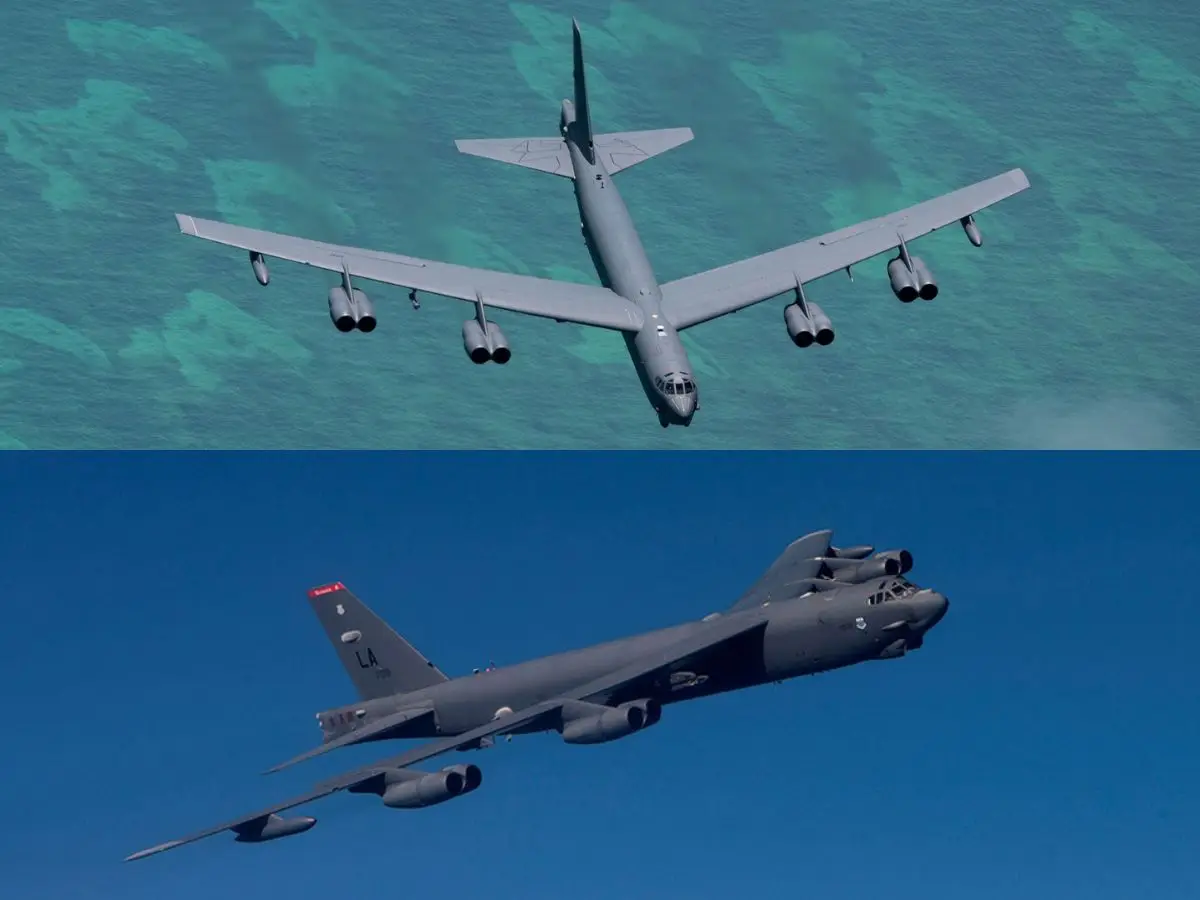
Before NASA could send astronauts into orbit, it needed to understand what happened to aircraft and pilots at the very edge of the atmosphere, at speeds and altitudes no conventional aircraft could reach. The vehicle it built to find out was the North American X-15, a rocket-powered research aircraft designed to fly faster and higher than anything before it. The aircraft it chose to carry the X-15 into the sky was the B-52 Stratofortress.
The Mothership
Two B-52s were modified for the X-15 programme: NB-52A ‘The High and Mighty One’ (serial 52-0003) and NB-52B ‘Balls 8’ (serial 52-0008). A pylon was mounted under the right wing of each bomber, designed to carry the X-15 in a semi-recessed position beneath the wing. The B-52 would take off with the X-15 attached, climb to approximately 45,000 feet, accelerate to around 500 miles per hour, and then release the rocket plane. Once dropped, the X-15's own rocket engine would ignite and the aircraft would accelerate and climb far beyond anything the B-52 could achieve.

Mach 6.7 And The Edge Of Space
Over nearly a decade of flight testing, from 1959 to 1968, the X-15 made 199 flights, all launched from a B-52 mothership. Balls 8 served as the launch aircraft for 140 of those 199 flights. The X-15 reached a maximum speed of 4,520 miles per hour, Mach 6.7, and a peak altitude of 354,200 feet, more than 67 miles above the Earth's surface. At that altitude, the sky is black, the curvature of the Earth is visible, and the aircraft is technically in space by most international definitions. Several X-15 pilots, including Neil Armstrong, who would later command Apollo 11, earned astronaut wings for flights that exceeded 50 miles in altitude.
The Data That Built The Space Programme
Trending Stories
)
Trump-Xi Summit: Trade, Taiwan and the red lines shaping US-China talks | Race To Power
)
US citizen injured in Illinois after ICE agents mistook him for fugitive, hospitalised
)
US judge questions Trump’s decision to ban CNN, MS NOW and Politico from White House
)
Afghan woman cyclist who disguised herself as a boy to escape Taliban, wins Asian Games medal
)
'There will be elections': Venezuela's interim leader Delcy Rodriguez makes big announcement at UN
)
IIT Bombay CCTV footage emerges: Sahil Wakode seen looking at phone in examination hall
)
Cyclone Arnab: Landfall expected before midnight tomorrow as IMD issues orange alerts across six states
)
9 killed, several injured as tourist bus catches fire on Yamuna Expressway
)
NBA player Steven Adams shares hilarious GTA VI theory
)
WION Iconic Tourism Summit 2026: Union Minister Shekhawat on 'experiential travel', peace diplomacy
)
ICC plans T20I expansion and fewer ODIs in 2027–2031 FTP cycle: Report
)
'AI got into my speech': Prince Harry jokes after teleprompter failure at event in New York
)
Scientists detect first radio signals directly from faraway planet
)
China to test supersonic jet that moves at Mach 2, double the speed of sound
)
WION Iconic Tourism Summit: 'Hanuman Ansh' Director on blockbuster success
)
Open AI, Anthropic CEO urges caution over rapid AI development at UN Security Council, call for 'extreme care'
)
Bomb scare in New York amid UNGA: Suspicious suitcase found near UN headquarters
)
Hours before Xi-Trump meeting, US announces visa curbs targeting birth tourism: What is it?
)
'Partners rather than rivals': Xi Jinping's first message after landing in US for Trump summit
)
WION Iconic Tourism Summit: Is India's travel boom outrunning its airports, airlines and hotels?
)
WION Iconic Tourism Summit and Awards 2026: Key voices to discuss India’s tourism future
&im=FitAndFill=(700,400))
New OTT releases this week (September 21-27, 2026): Shaque: Trust No One, Hunkkaar, Don’t Be Shy- 5 new titles coming to Netflix, Prime Video and more
)
WATCH | China President Xi Jinping lands in US as Trump greets him ahead of high-stakes summit
)
Australian PM Anthony Albanese calls OpenAI AI incident 'unacceptable' after restricted data access
)
'What kind of confession is this?': Pakistan PM Shehbaz Sharif’s 'terrorists would be roaming New York' remark goes viral, raises alarm online. Watch
)
WION Iconic Tourism Summit: How local tourism MSMEs must upskill for AI integration
)
Eight USS Abraham Lincoln sailors attempted suicide, Acting Navy Secretary says
)
Pilot recreates Mona Lisa in sky over Oklahoma and Arkansas in four-hour flight: VIDEO
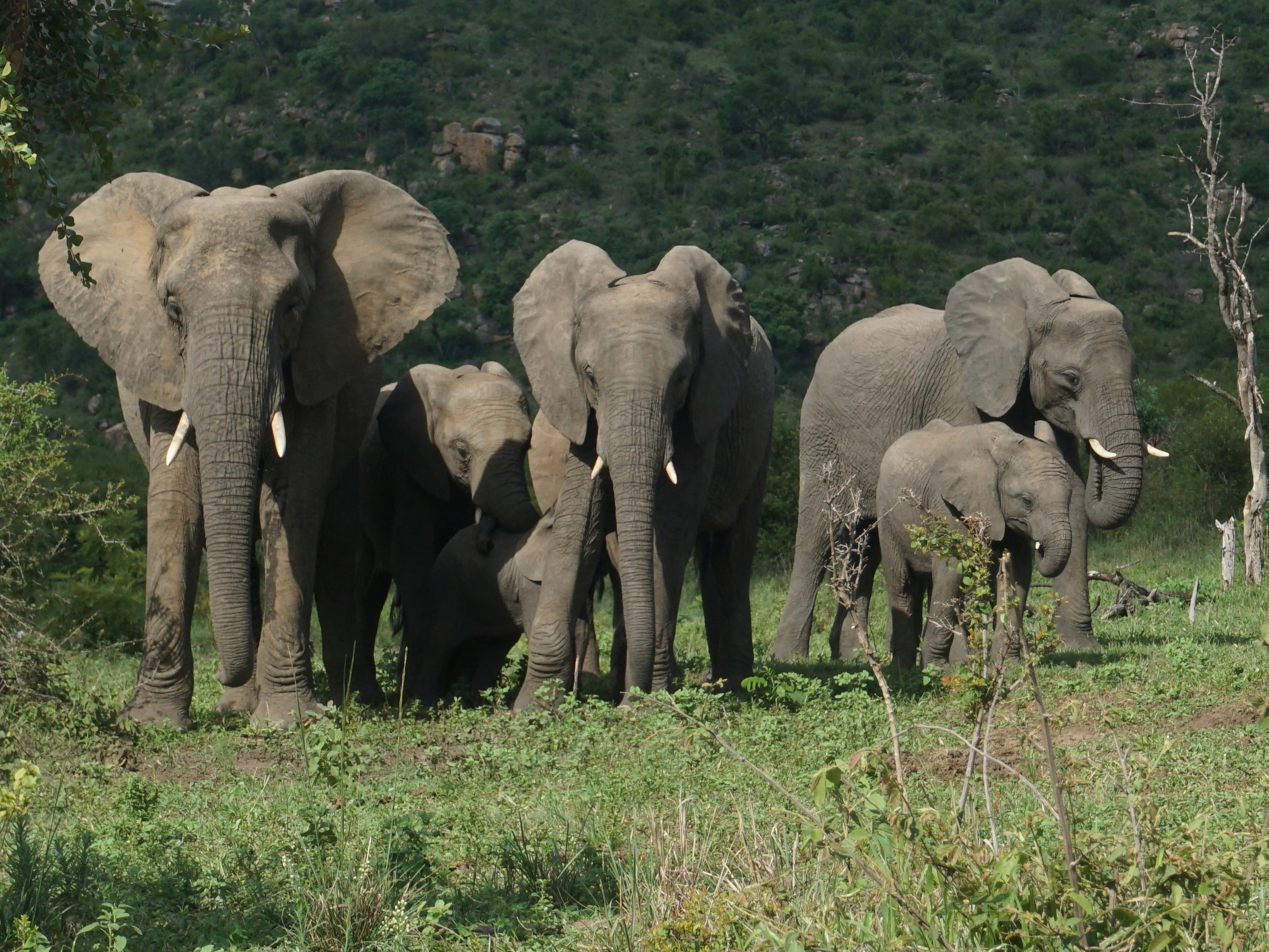)
Elephants hide behind trees, stage surprise attack on poachers targeting rhinos in South Africa
)
'Putin is patient zero': Zelensky slams Russian president at UNGA, accuses him of using fighters from 47 countries
&im=FitAndFill=(700,400))
National Film Awards 2026: Kartik Aaryan, Mammootty, Yami Gautam, Randeep Hooda and other key winners
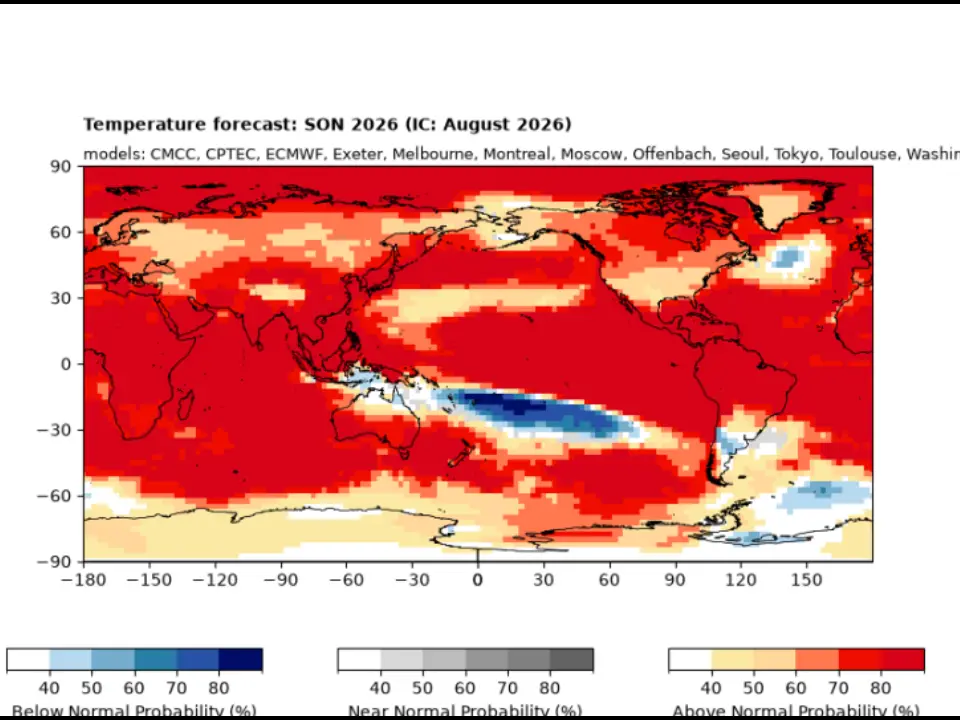)
El Niño 2026 heats up to become strongest in 1,000 years
)
Israeli envoy to US Yechiel Leiter’s son critically injured in West Bank ramming attack
&im=FitAndFill=(700,400))
Trump welcomes Xi Jinping in rare airport gesture: Photos from Chinese President's arrival in US
)
Xi-Trump meeting: China’s human rights red line and past protests explained
The X-15 programme was not just about setting records. Every flight generated aerodynamic, thermal, and physiological data that fed directly into NASA's human spaceflight programmes. The X-15 tested heat-resistant materials, reaction control systems for manoeuvring in near-vacuum conditions, and the effects of extreme speeds and altitudes on airframes and pilots. This data was used in the design and development of the Mercury, Gemini, and Apollo spacecraft, and later contributed to the development of the Space Shuttle's thermal protection system and re-entry profile.
A Bomber That Helped Reach The Moon
The B-52 was designed to carry nuclear bombs across oceans. Instead, one of its most significant contributions to history was carrying a small black rocket plane under its wing and dropping it into the upper atmosphere. Balls 8 flew its last X-15 mission in 1968 and continued serving NASA as a launch platform for other experimental vehicles for decades afterward, finally retiring in 2004 after 53 years of service. It is now on permanent display at the Edwards Air Force Base museum in California, a Cold War bomber that, in an unexpected turn of history, helped build the road to the Moon.
