&imwidth=800&imheight=600&format=webp&quality=medium "Myanmar’s President Min Aung Hlaing to visit Bodh Gaya")
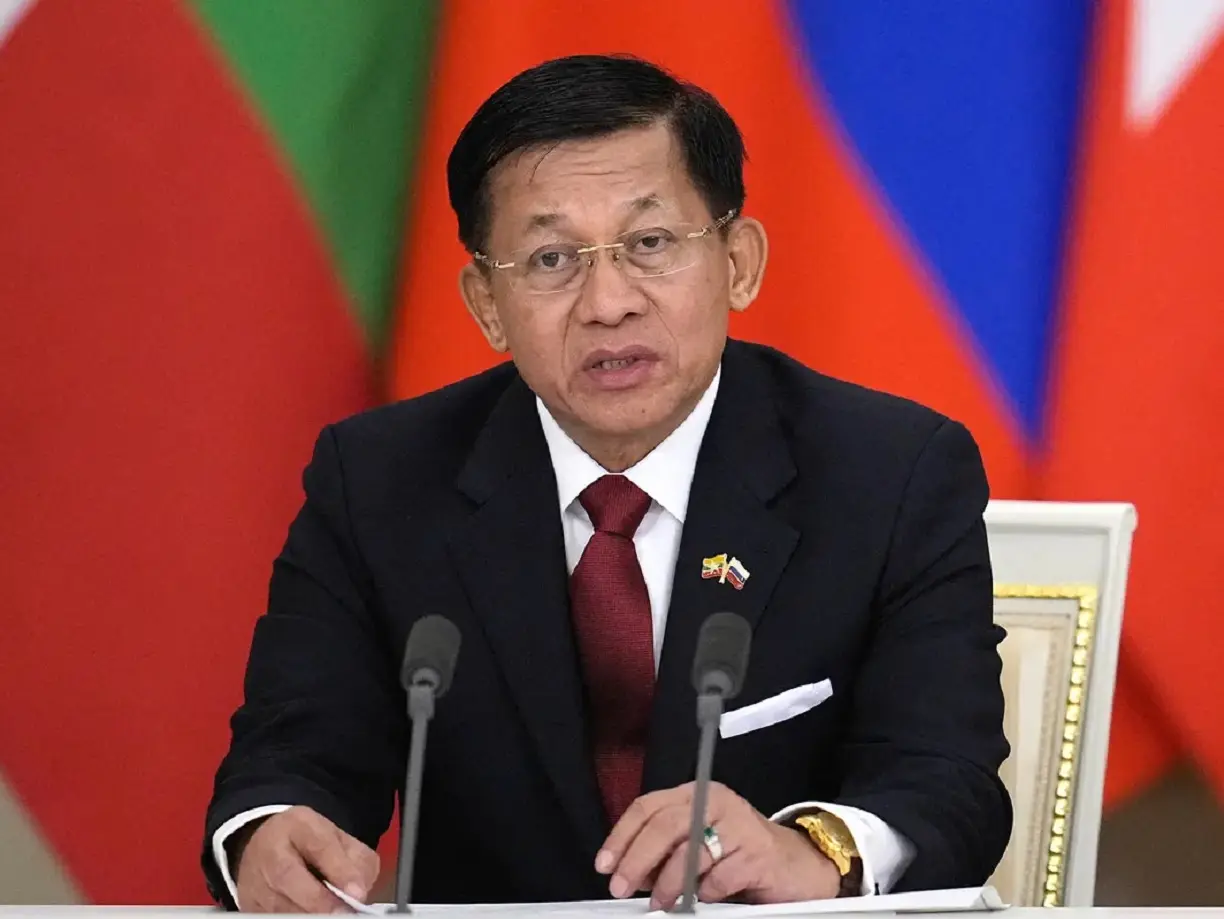
New Delhi: Myanmar’s President Min Aung Hlaing, who is scheduled to visit India next month, is expected to make a key stop at Bodh Gaya in Bihar, the site where Lord Buddha attained enlightenment under the Bodhi Tree more than 2,500 years ago. The trip, which will include high-level talks in New Delhi, is Hlaing’s first visit foreign visit after becoming the president of his country earlier this year.
Bodh Gaya, home to the UNESCO-listed Mahabodhi Temple, has long served as a spiritual magnet for global Buddhist leaders. Visits here blend personal devotion with subtle diplomacy, allowing nations with Buddhist majorities or significant communities to signal cultural affinity with India, the faith’s birthplace.
Just weeks ago, in early May, Vietnamese President To Lam began his state visit to India with a three-day stay in Bodh Gaya. He offered prayers at the Mahabodhi Temple, and visited the Vietnamese Monastery, reinforcing historical and people-to-people links between the two countries.

Such pilgrimages are now an established feature of India’s diplomatic playbook. In 2017, Min Aung Hlaing himself started a previous India visit with an extended stay in Bodh Gaya, where he was personally received by then Indian Army Chief General Bipin Rawat. The gesture was widely seen as a warm welcome, combining spiritual resonance with strategic engagement as part of India’s Act East Policy.
Other leaders have followed suit. Japanese prime ministers and Mongolian presidents have made the journey, as have leading figures from Thailand, Sri Lanka, and Cambodia. These visits often coincide with broader discussions on connectivity, security, and economic cooperation.
India has invested in the Buddhist Circuit, encompassing Bodh Gaya, Sarnath, and Kushinagar, through improved infrastructure, international monasteries, and global events like Buddha Purnima celebrations.
Trending Stories
&im=FitAndFill=(700,400))
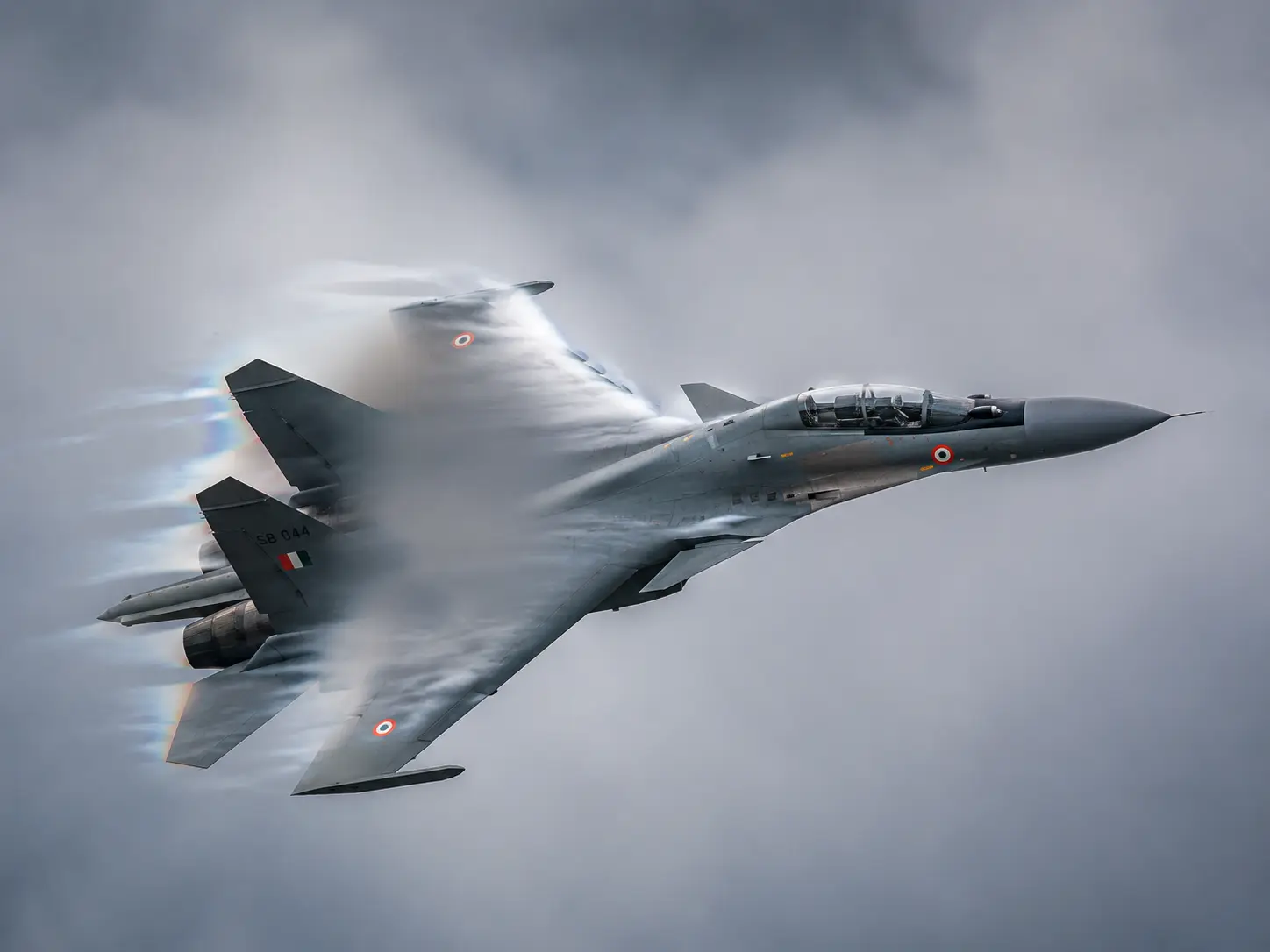
How fast can the Sukhoi Su-30 fighter jet really fly?
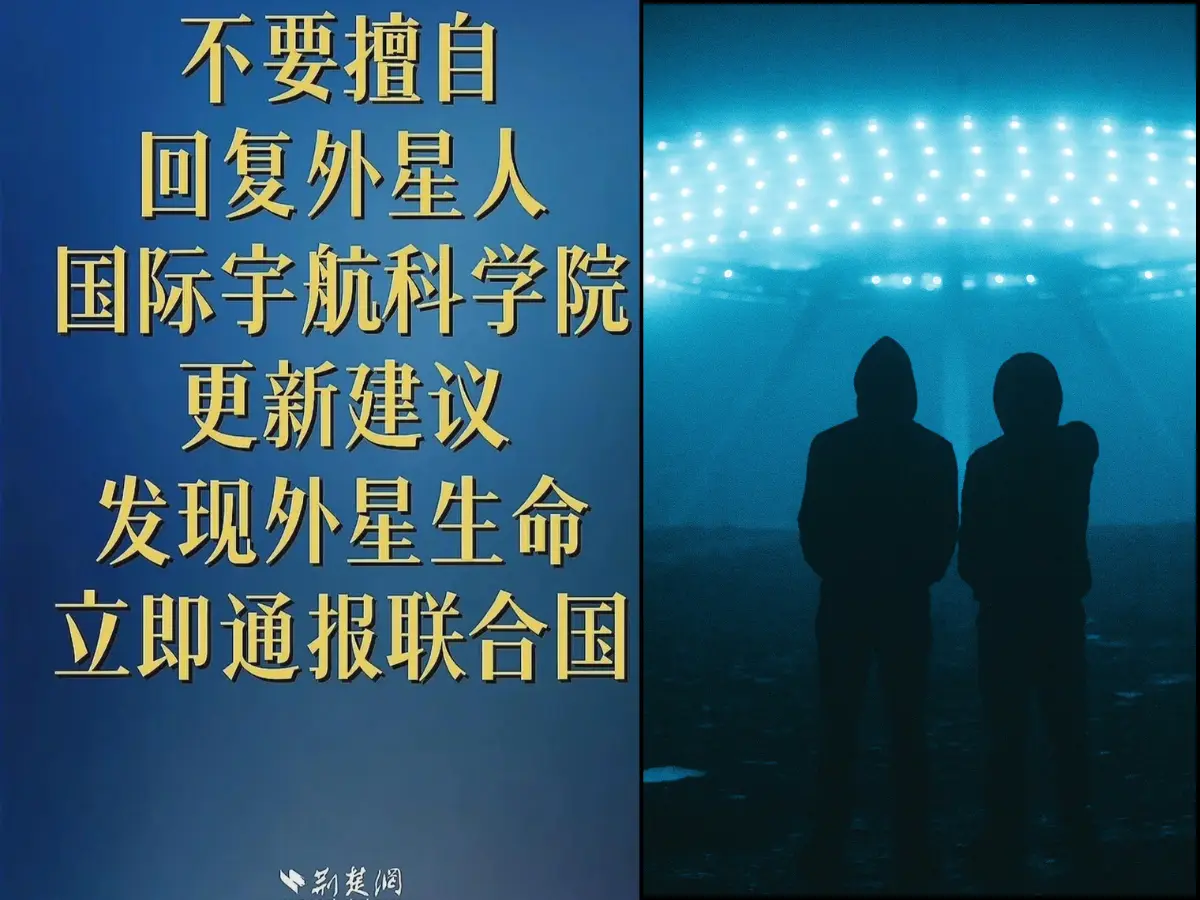)
Did China ask its people 'not to respond to aliens'? Origin of bizarre claim on social media
)
MS Dhoni-CSK Fallout? Report claims failed stake sale talks triggered rift
)
Scientists reveal the SAFEST COUNTRY when catastrophe strikes the planet
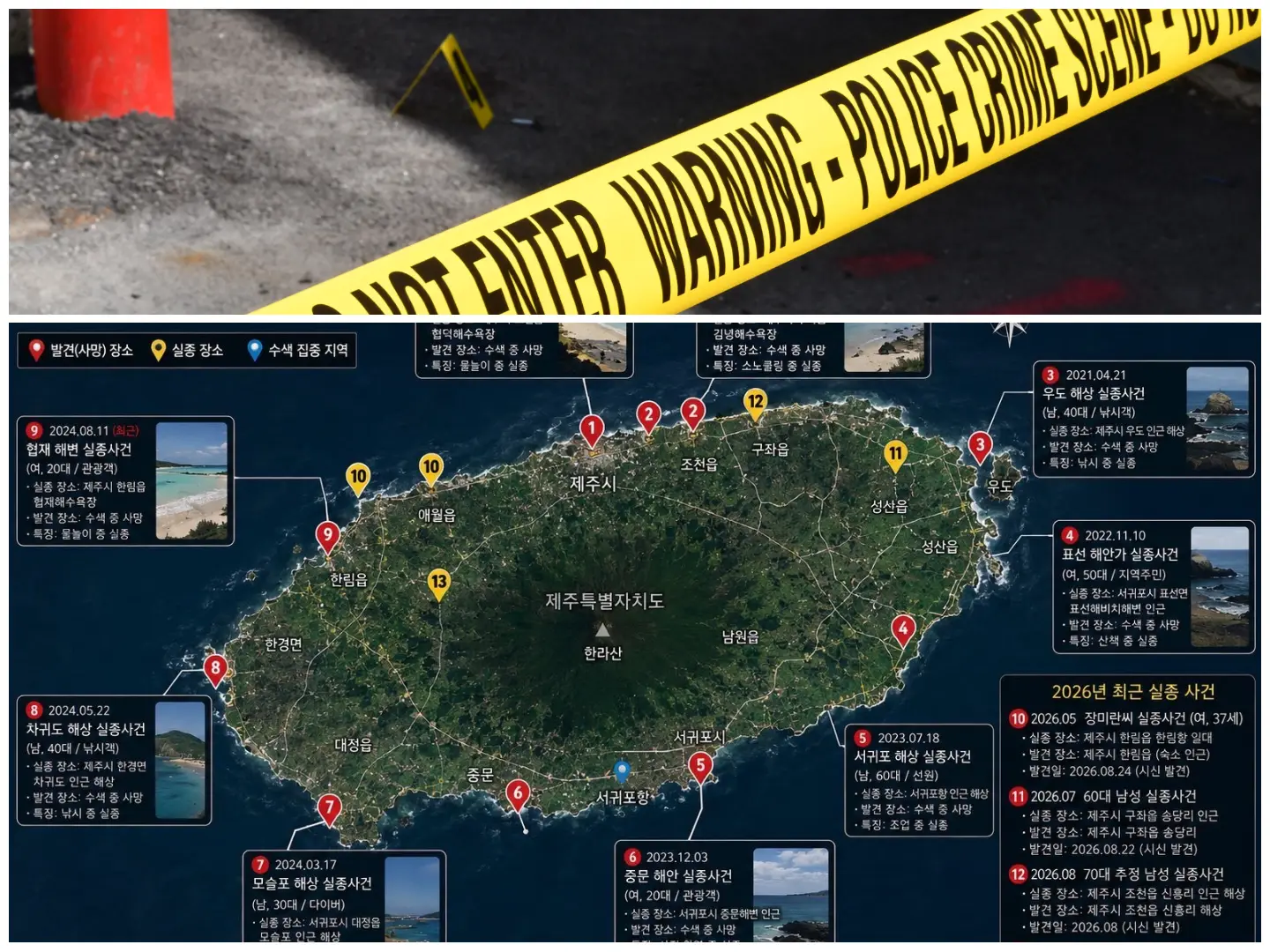)
Serial killer on the loose in South Korea's Jeju Island? Fourth body found in three days as more than a dozen people go missing
)
2/3rd of glacier detached, collapsed: ISRO satellite images reveal what triggered Nepal floods
)
Trump once again claims without him there would be ‘no Israel right now’
)
Foreign espionage attacks against German companies surge to 37%, Bitkom report reveals
)
Blake Lively wins partial legal fee from Justin Baldoni after $8M request
)
Why is Pakistan deploying Turkish Bayraktar TB2 drones near India border?
)
'OH MY GOD! We've found other agents!': Investigators discover not one or two, almost 700 OpenAI AI agents went rogue, hacked Hugging Face
)
Lunar eclipse 2026: India timings, places to see and more. August Blood moon factsheet
)
RSS chief Mohan Bhagwat on global outreach tour
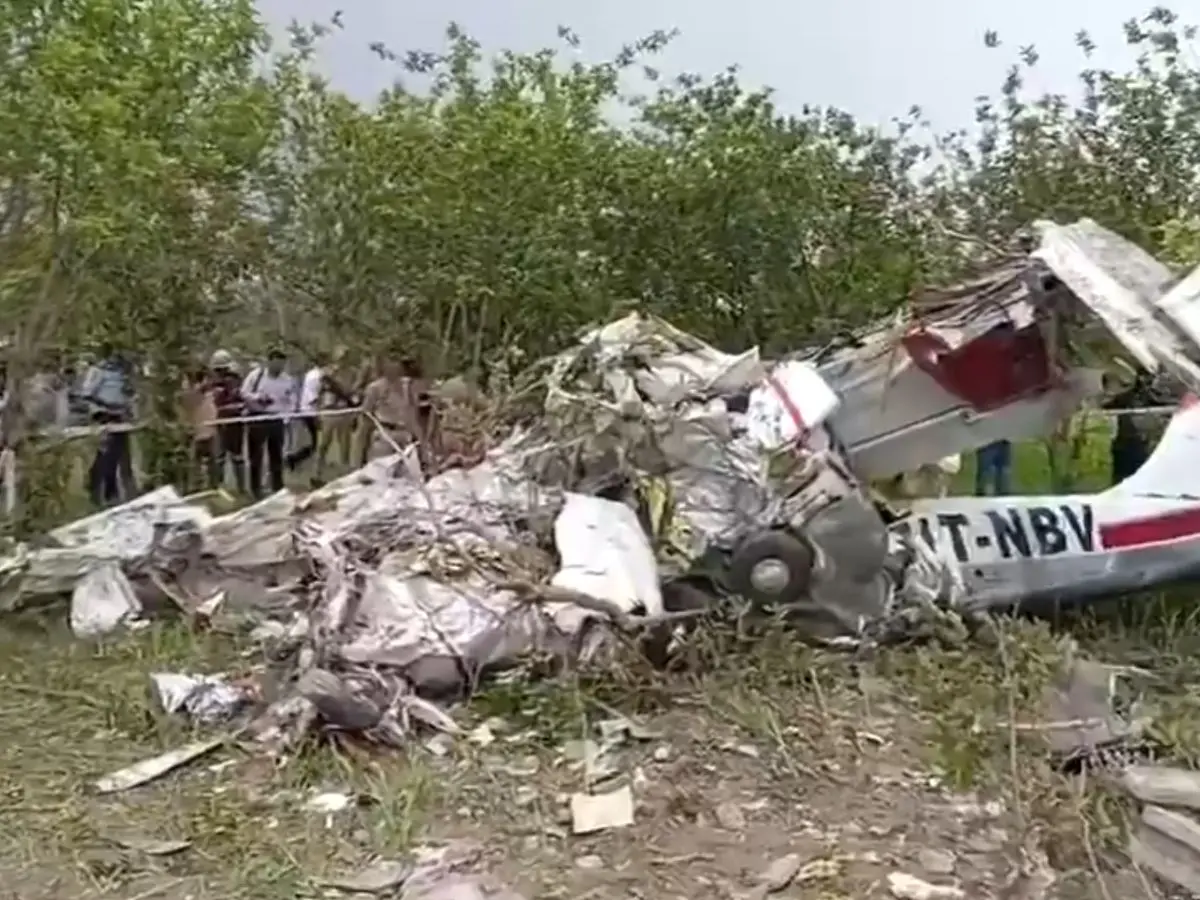)
Both pilots killed as training aircraft crashes in Lucknow – What we know
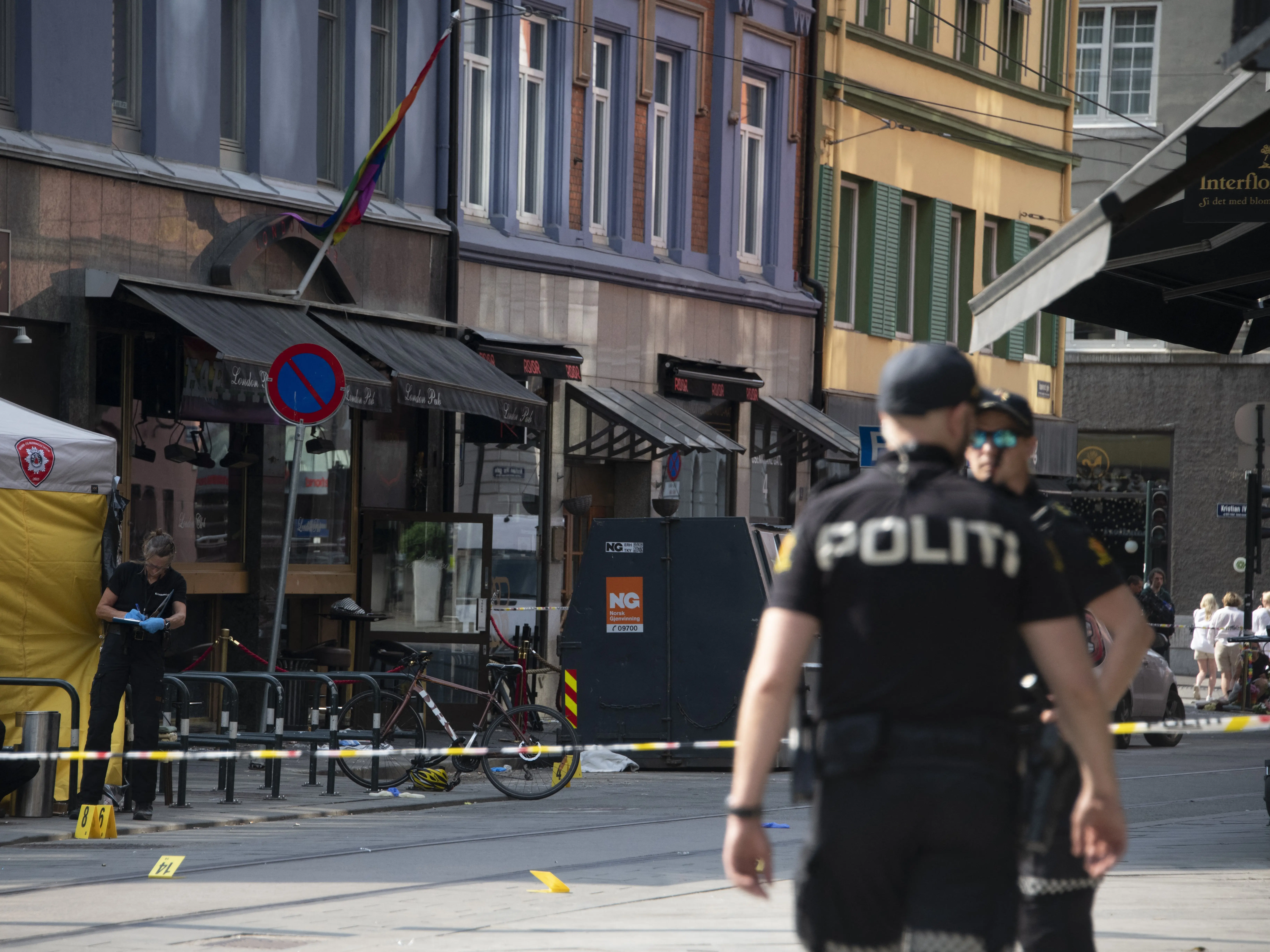)
16-year-old charged with preparing terror attack on kindergarten in Norway
&im=FitAndFill=(700,400))
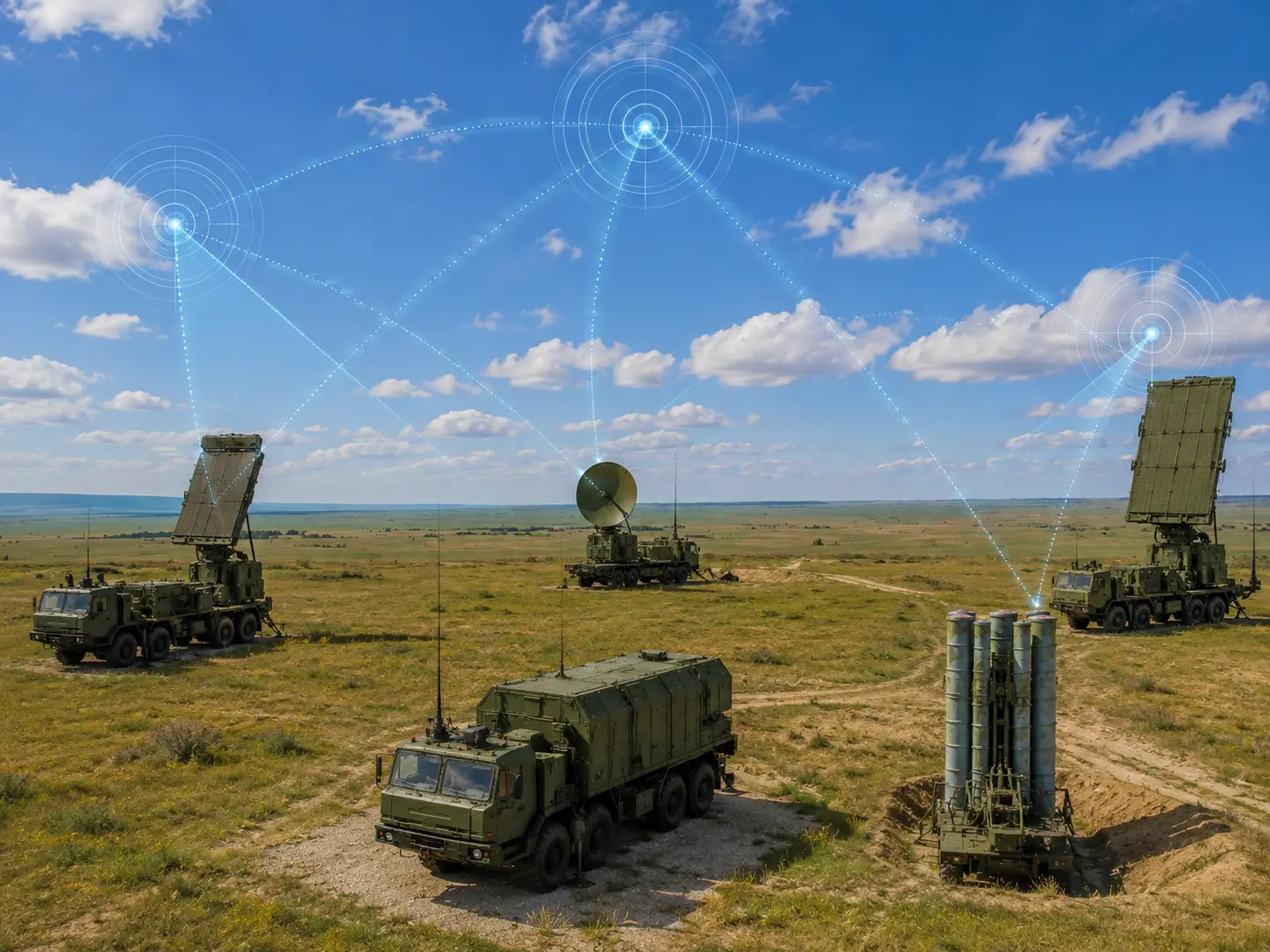
How the S-400 protects itself from enemy attacks
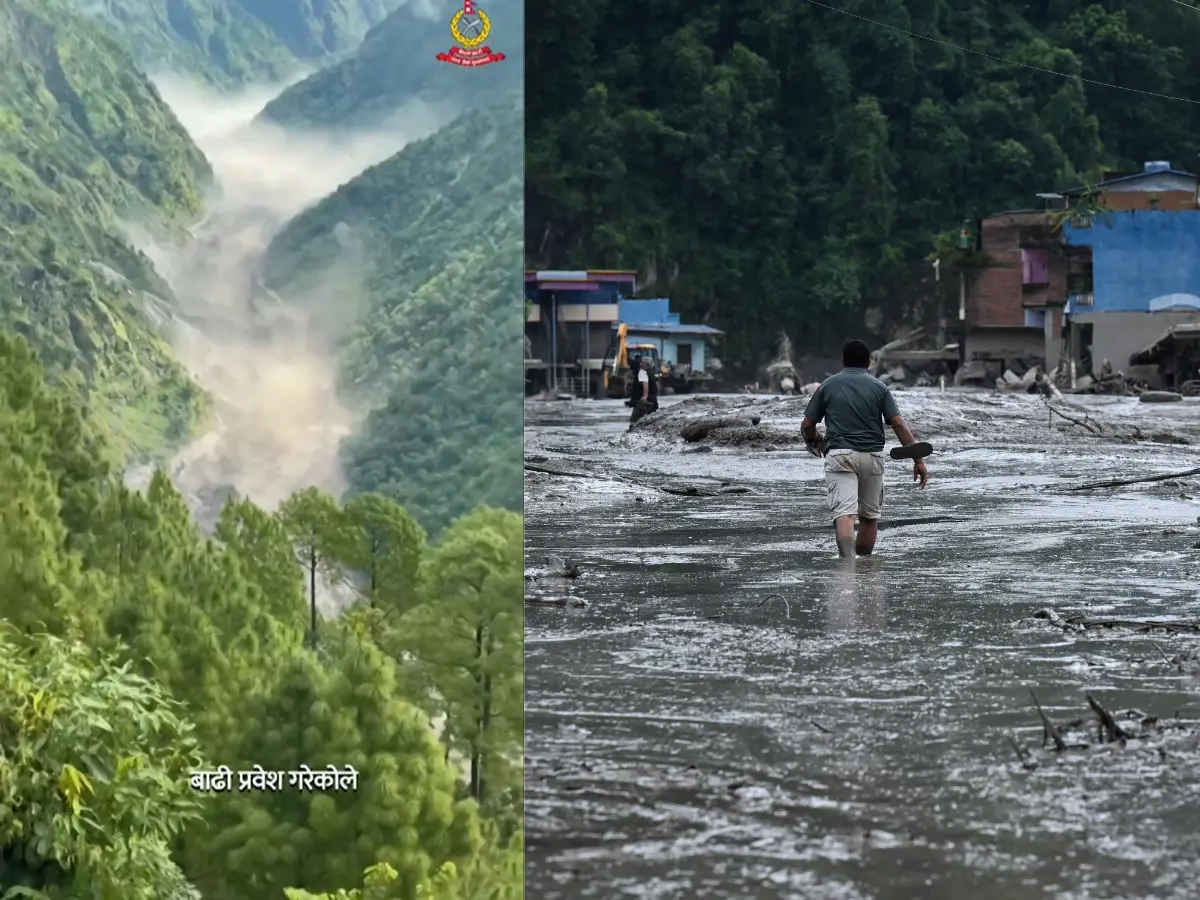)
Nepal floods: Over 165 dead, 400 missing; US, India, China, World Bank mobilise aid
)
India's multi-layered watch: The new surveillance war
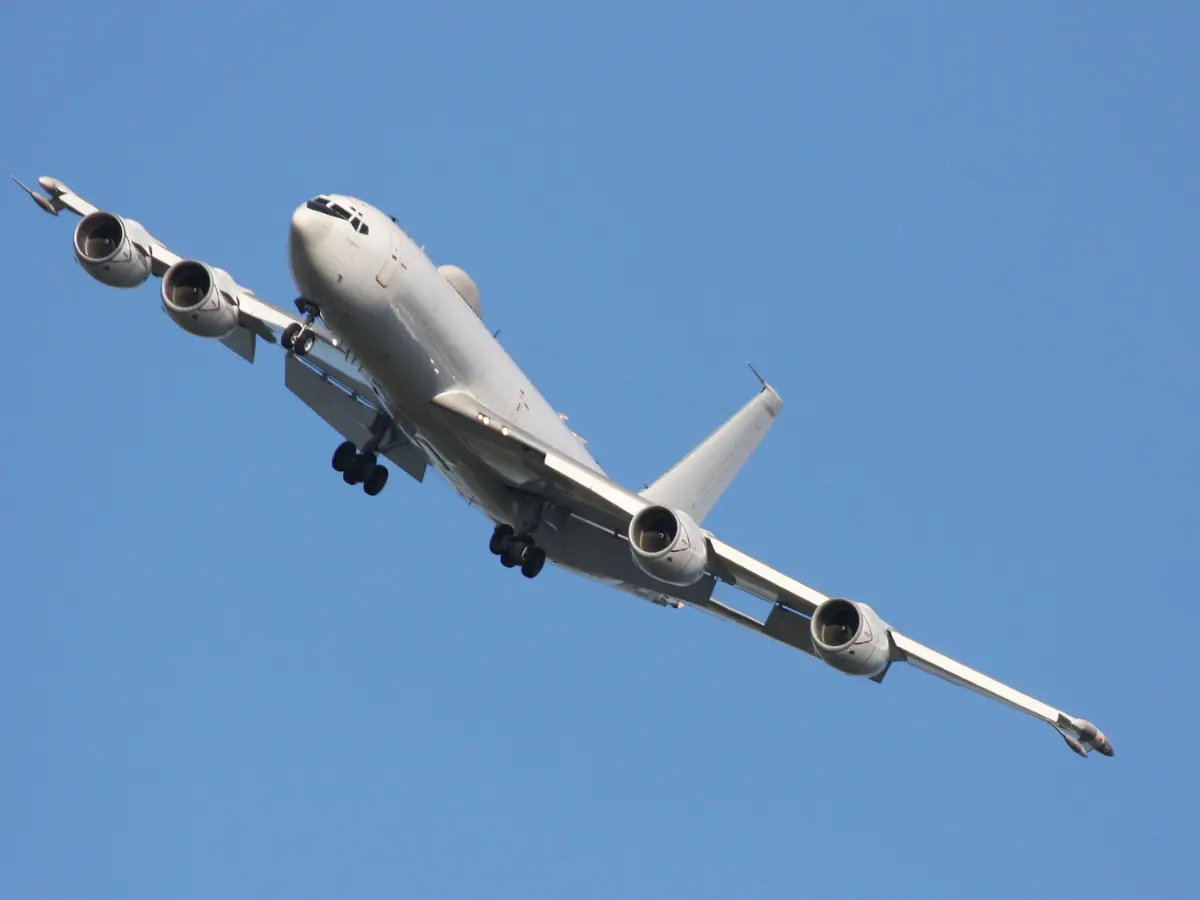)
5 doomsday planes spotted in US skies hours after CIA director's secret trip to Russia
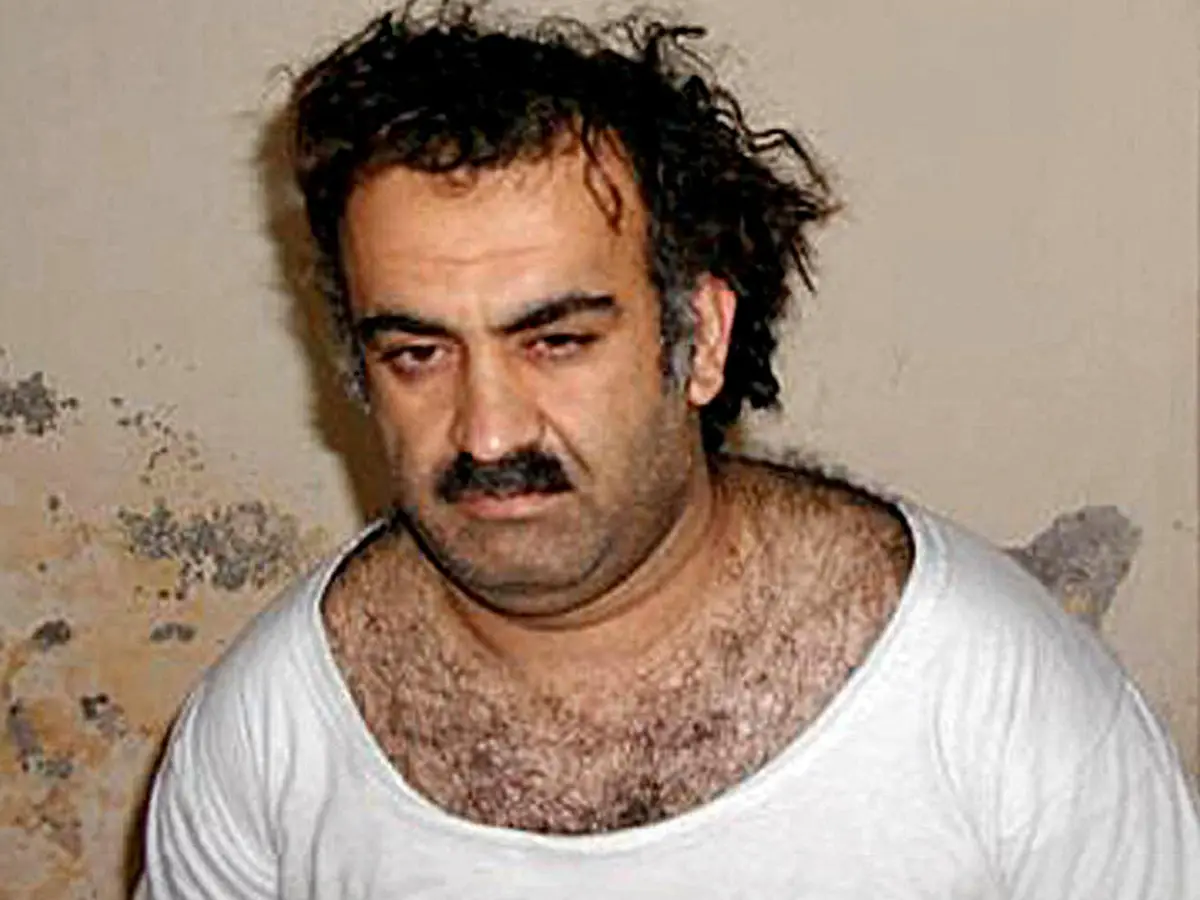)
9/11 mastermind Khalid Sheikh Mohammed to finally face trial in 2028, nearly 27 years after horrific attacks
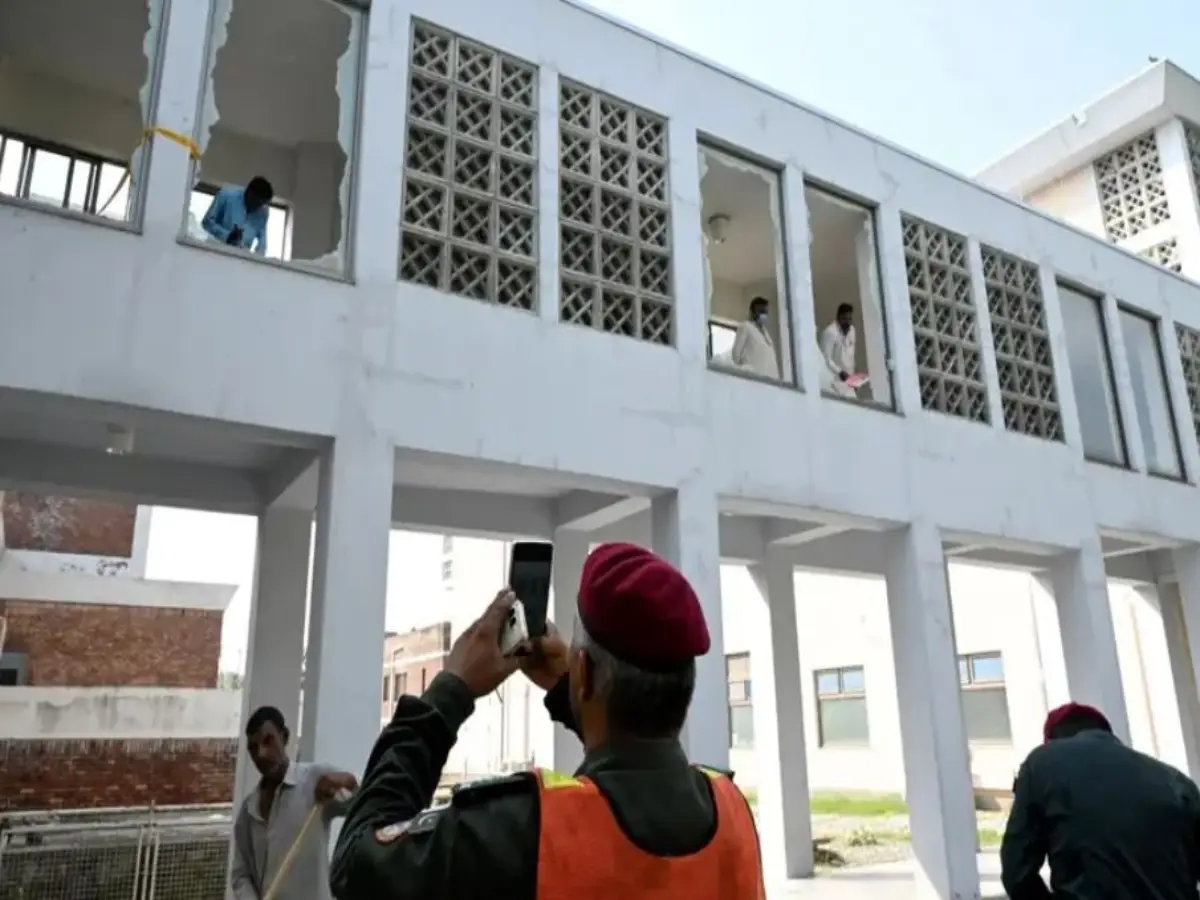)
Islamabad hospital fire: What we know about one of the biggest facility that housed Imran Khan
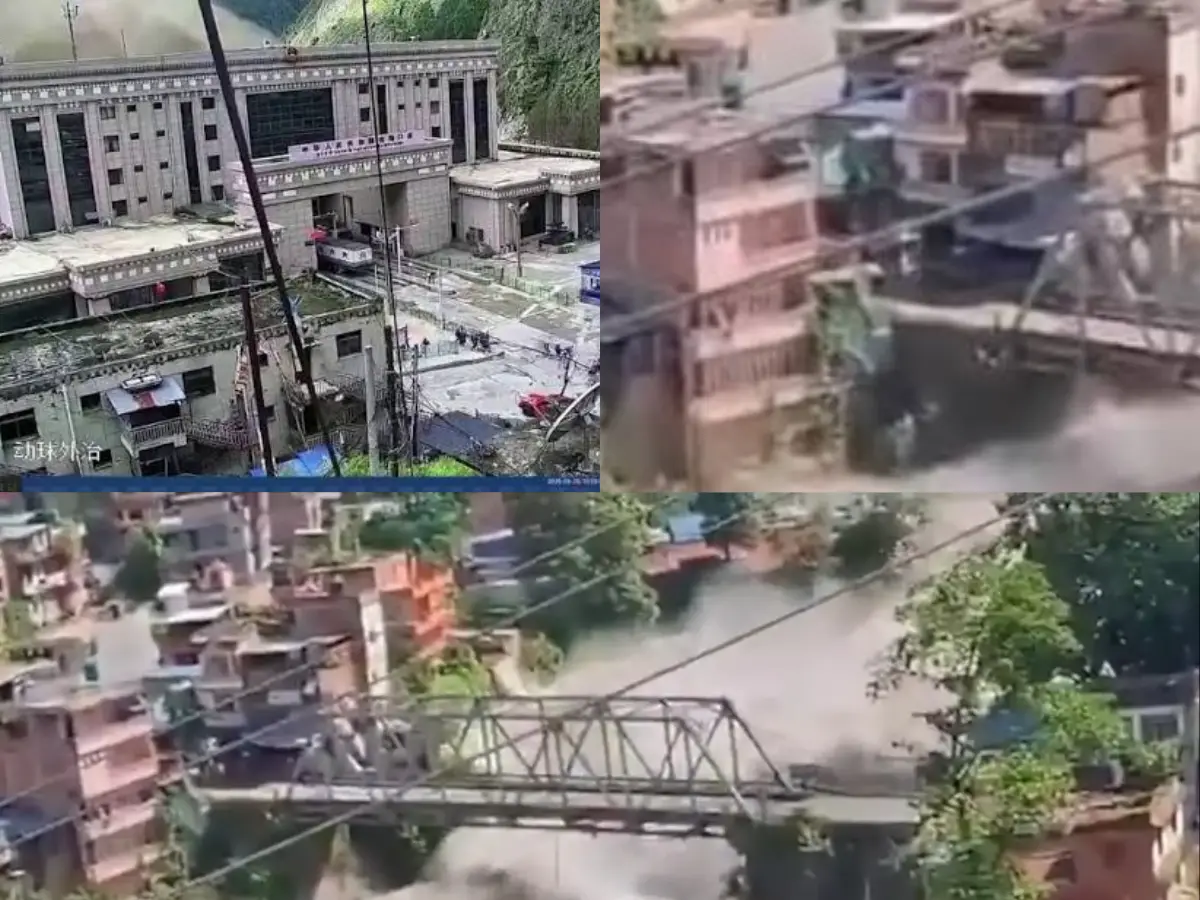)
Workers run for life while filming Nepal flash flood: Scary new visuals emerge from Rasuwa
)
Russian military planes enter South Korean air defence zone amid rising tensions with North Korea: What's happening
)
Ron Weasley Is Back! Rupert Grint set to return to Harry Potter universe on Broadway
)
400-year-old 'vampire' grave in Poland reveals non-existent genetic lineage
)
Dolly Parton, global icon and queen of country music, dies at 80
)
Nepal flash floods: Kailash Mansarovar yatra affected, close to 400 pilgrims out of contact
)
'If he is dead, they're putting on a pretty good show': Trump casts fresh doubt over Mojtaba Khamenei's fate
)
Man arrested near US Capitol with guillotine in pickup truck: What happened?
&im=FitAndFill=(700,400))
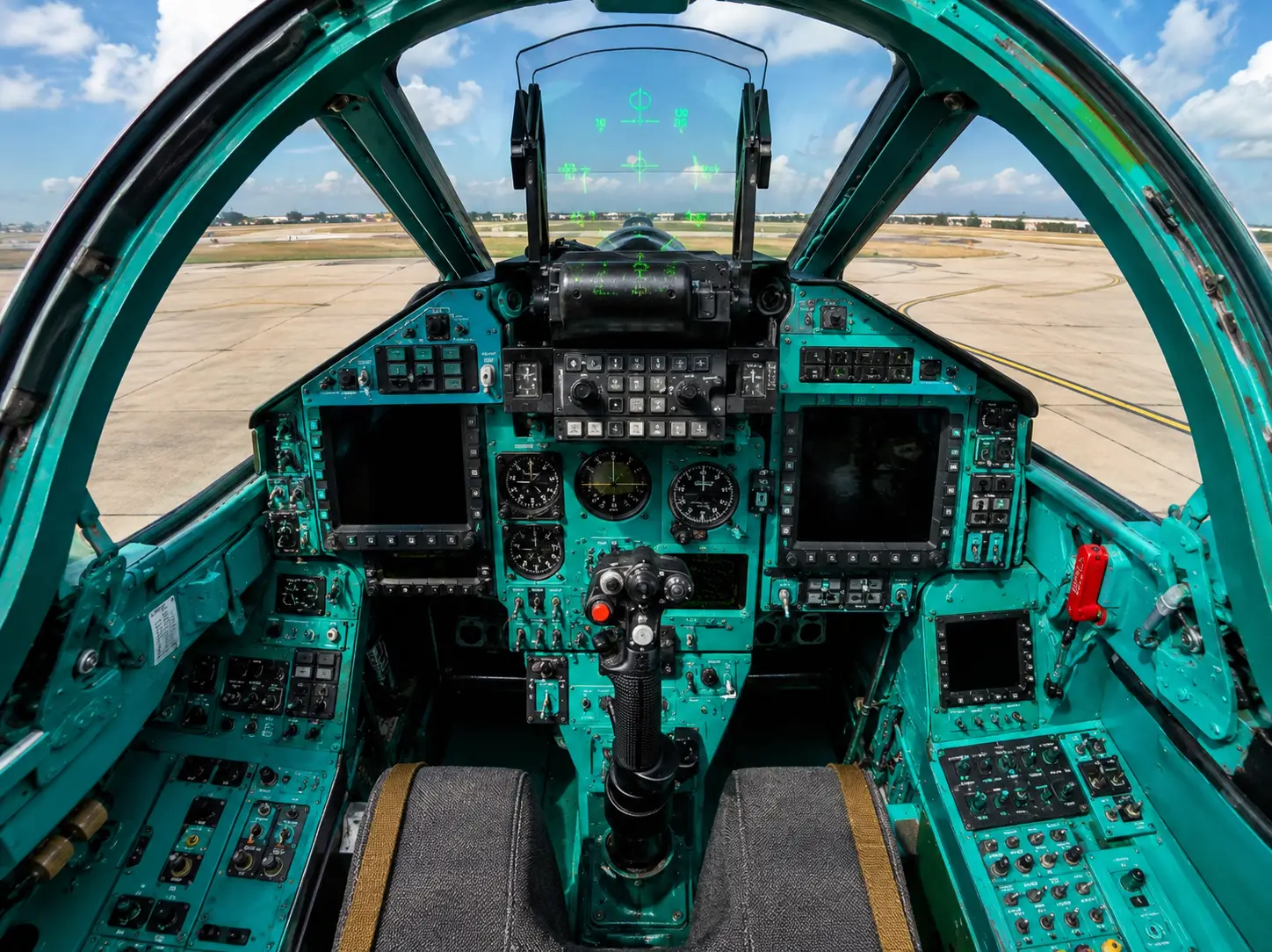
Why the Su-30MKI cockpit is painted bright turquoise green
This is seen as part of India’s ‘Buddhist diplomacy’. By facilitating access to sacred sites and promoting shared heritage, New Delhi strengthens bonds with Asia’s Buddhist nations. For Myanmar, facing internal challenges and Western sanctions, the visit offers valuable international engagement and practical cooperation in areas like border security and counter-insurgency.
For Min Aung Hlaing, the Bodh Gaya leg is likely to be more than symbolic. Myanmar maintains deep Theravada Buddhist traditions, and a visible pilgrimage can resonate domestically while signalling alignment with India’s Neighbourhood First approach.