Moqtada al-Sadr's party claims largest seats in initial Iraq poll results

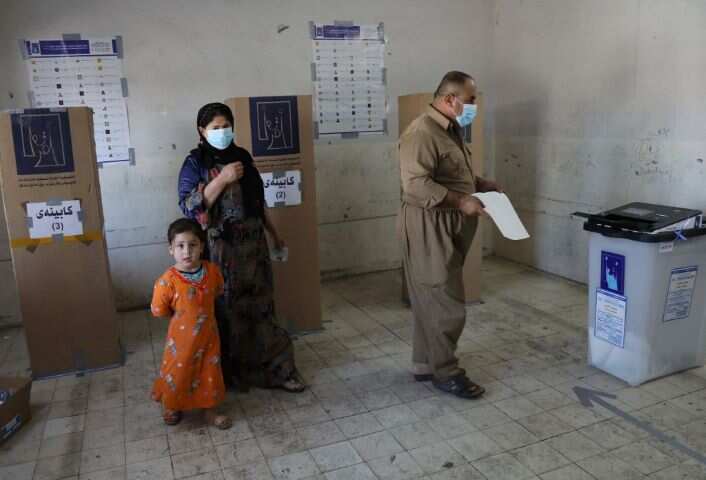
Record low voter turnout mars Iraqi parliamentary elections
Moqtada al-Sadr's party was the biggest winner in theIraqi electionsincreasing the number of seats in parliament, according to initial results.
Former prime minister Nouri al-Maliki looked set to have the next largest win among Shi'ite parties, the initial results showed.
Iraq's Shi'ite groups have dominated governments and government formation since the US-led invasion of 2003 that toppled Sunni dictator Saddam Hussein and catapulted the Shi'ite majority and the Kurds to power.

Also Read:Record low voter turnout mars Iraqi parliamentary elections
Sunday's election was held several months early, in response to mass protests in 2019 that toppled a government and showed widespread anger against political leaders whom manyIraqis say have enriched themselves at the expense of the country.
But a record low turnout suggested that an election billed as an opportunity to wrest control from the ruling elite would do little to dislodge sectarian religious parties in power since 2003.
)
Mushtaq Khan dies at 56: When Welcome actor opened up about his salary for iconic role Ballu
)
US Supreme Court backs Trump administration's use of SAVE database to check voter citizenship
)
Heart of the Beast review: Brad Pitt leads a gripping tale of survival and loyalty
)
Outrage erupts after 3-year-old is married to 60-year-old man in Pakistan, link to her sister's murder being probed
)
Pakistan deploys over 20,000 security personnel as PTI vows march for Imran Khan's release
)
Asian Games: Shooting spree continues as India win silver in women’s 50m rifle 3P team event
)
‘Not just a local tragedy’: Nepal PM Shah warns UN of growing climate threat, says Nepal floods were 'a warning to the world'
)
OpenAI AI Agents hacked 4 websites before Hugging Face, researchers reveal
)
Pentagon quietly adds 37 wounded troops to Iran war tally without explaining when or how
)
Asian Games 2026: India women’s kabaddi team edge Iran 37-34 to clinch 3rd gold medal
)
Saudi Arabia still harbours intent to develop nuclear weapons, reveals US intelligence: Report
&im=FitAndFill=(700,400))
New Friday OTT releases (September 25, 2026): Don’t Be Shy, Hunkkaar: The Roar, Mango Pachcha- 6 movies and TV shows on Netflix, Prime Video and more
)
Yemen's war escalates: Saudi-backed leader calls for general mobilisation against the Houthis
)
‘Attack on Mecca a red line for Pakistan’: Shehbaz Sharif warns Houthis at UN
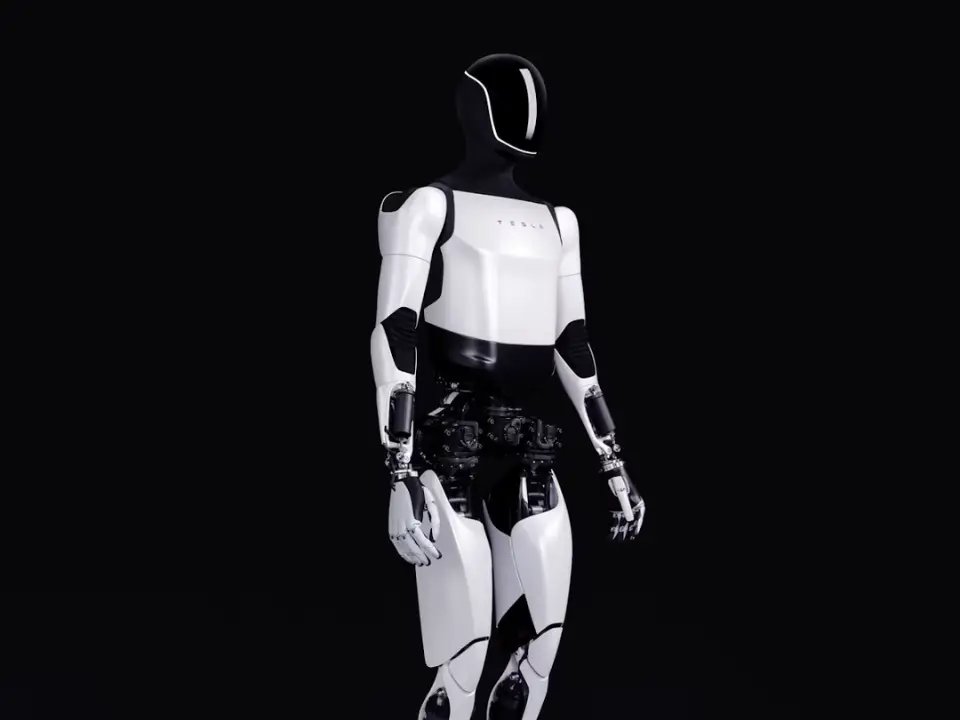)
Tesla is preparing something big for Optimus: new Gen 3 models surface in app
)
Bias or safety concerns? Bengaluru CEO says firm will not hire men from UP, Bihar, Rajasthan, MP. Here's why
)
Did Hitler kill his niece Geli Raubal? Newly found records reopen a 95-year-old mystery
)
Indian diplomat Petal Gahlot raises deteriorating situation in Pakistan-occupied Kashmir in right of reply at UN
)
Nigeria Navy moves to boost oil security, tackle crude theft and infrastructure threats
)
Scientists detect first radio signals directly from faraway planet
)
‘It is all possible’: Putin weighs next steps on Ukraine talks, rules out Europe conflict
)
10,000 gather in support of 87-year-old forcefully evicted from home of 71 years
)
Trump rejects Iran's 7-day ceasefire proposal as US weighs renewed bombing after midterms: Report
)
Red Sea crisis: Houthis promise not to target European ships; UNSC condemns Saudi attacks
)
Gaza's war turned environmental damage into second crisis
)
Saudi oil exports surge despite Iran war
)
Trump-Xi summit wrap: Big pageantry, Iran talks, few major developments and more meetings planned
)
'Making history': Xi Jinping praises Trump as US-China leaders dine at White House
)
India's UN Envoy slams Pakistan: 'They claim security by day, terrorism by night'
)
Jay-Z rape case: Accuser says allegations were false, never met rapper
)
Myanmar training camp case: US national, 6 Ukrainians allowed to meet their families abroad
)
'FIRST LOOK from inside Noah’s Ark': Researchers share video from inside mysterious mound in Turkey
)
Cindy Crawford’s son Presley Gerber cremated as death probe continues
)
India's insurance regulator overhauls policies
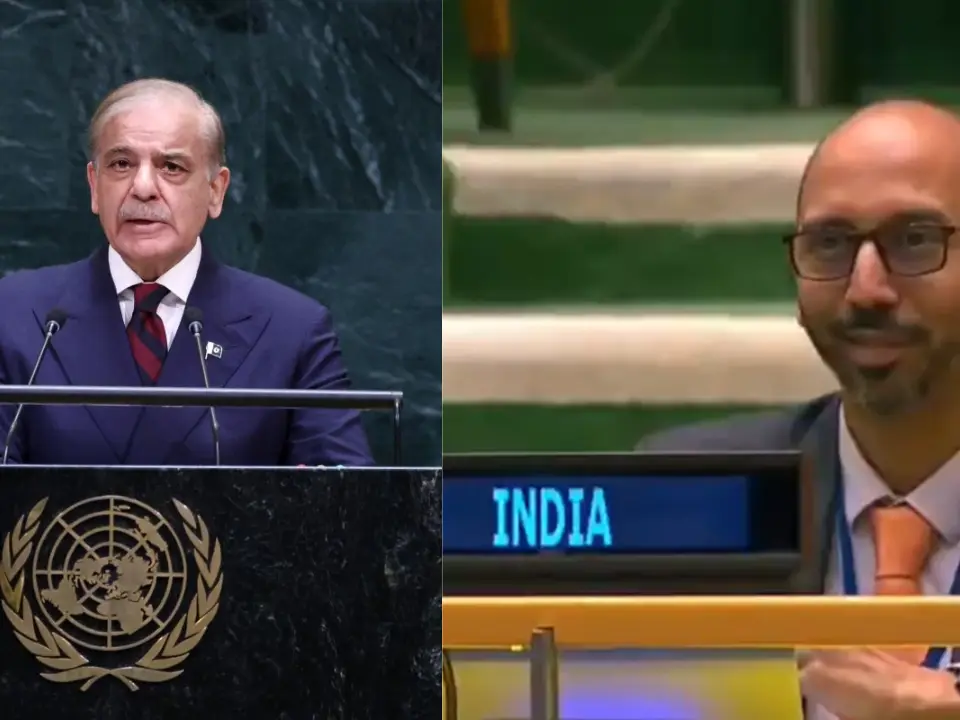)
WATCH | As Shehbaz Sharif claims Pakistan’s ‘victory’ during 2025 conflict, Indian diplomat R Srinivas laughs at UN
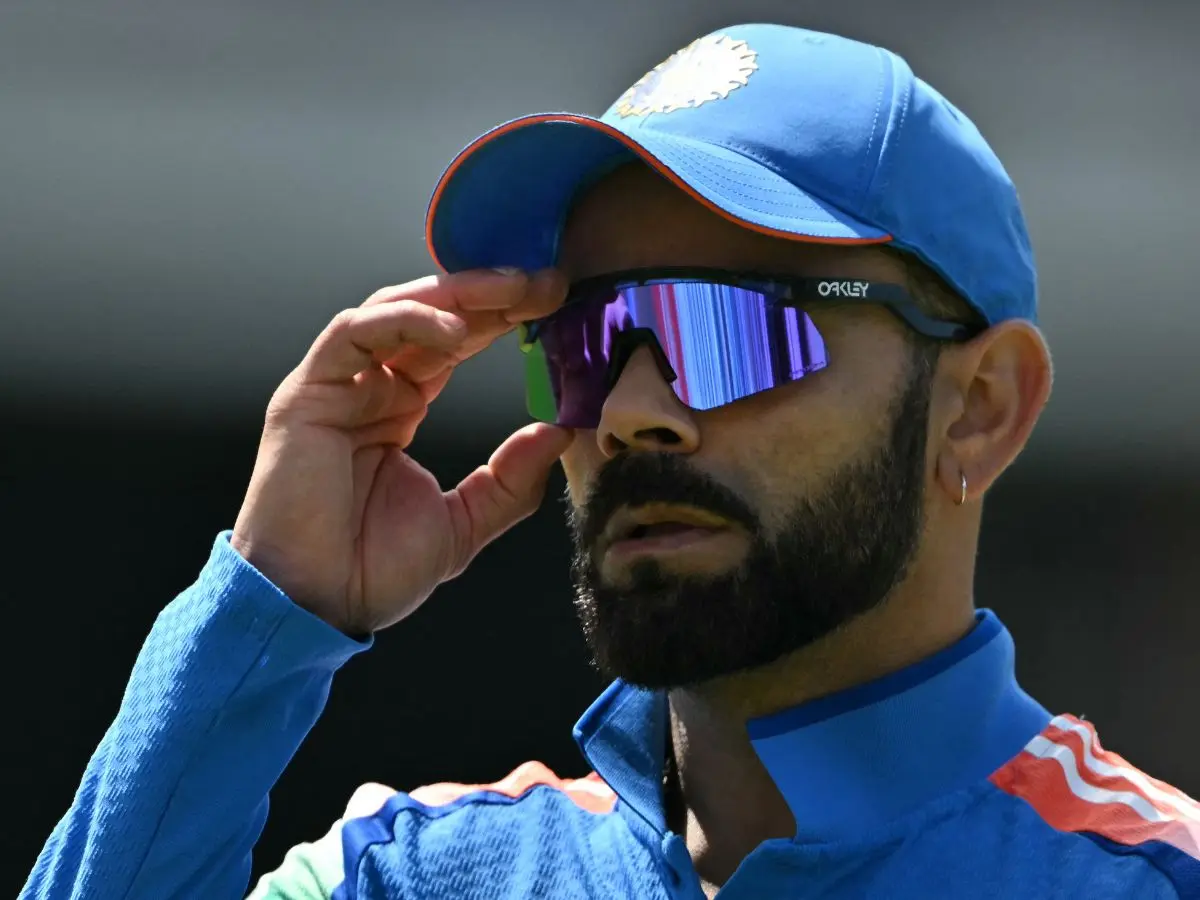)
‘Goal is to win it’: Virat Kohli confirms 2027 ODI World Cup will be his final tournament for India
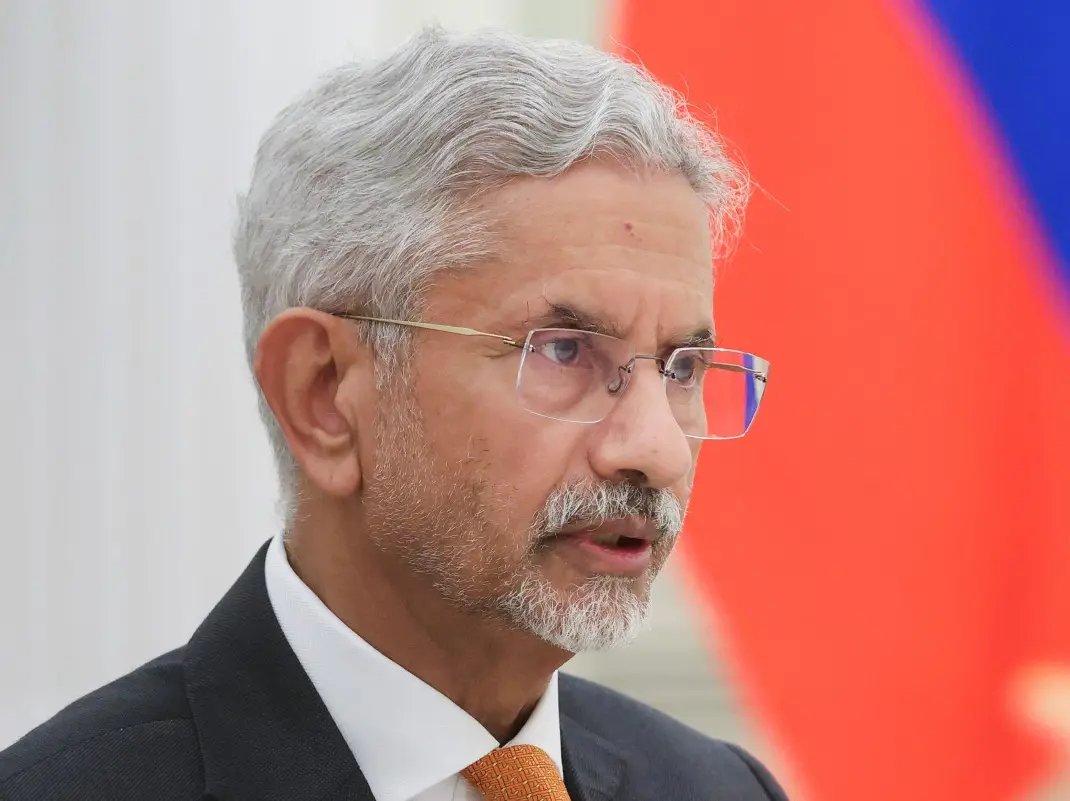)
'A terrorist country is asking me that question?': Jaishankar hits back at Pakistani journalist at UN; flags attacks on commercial shipping
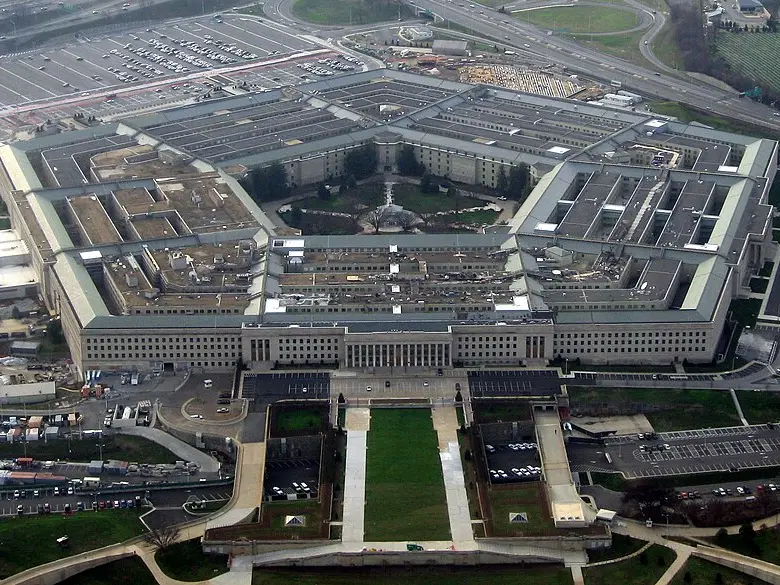)
US court backs Pentagon's decision to exclude Anthropic over Claude AI restrictions
A count based on initial results from severalIraqi provinces plus the capital Baghdad, verified by local government officials, suggested Sadr had won more than 70 seats, which if confirmed could give him considerable influence in forming a government.
Also Read:Iraqis to elect new parliament amid deep crisis, apathy
A spokesperson for Sadr's office said the number was 73 seats. Local news outlets published the same figure.
An official atIraq's electoral commission said Sadr had come first but did not immediately confirm how many seats his party had won.
The initial results also showed that pro-reform candidates who emerged from the 2019 protests had gained several seats in the 329-member parliament.
Iran-backed parties with links to militia groups accused of killing some of the nearly 600 people who died in the protests took a blow, winning less seats than in the last election in 2018, according to the initial results and local officials.
The unpredictable populist cleric has been a dominant figure and often kingmaker inIraqi politics since the USinvasion.He opposes all foreign interference inIraq, whether by the United States, against which he fought an insurgency after 2003or by neighbouring Iran, which he has criticised for its close involvement inIraqi politics.
Sadr, however, is regularly in Iran, according to officials close to him, and has called for the withdrawal of UStroops fromIraq, where Washington maintains a force of around 2,500 in a continuing fight against Islamic State.
Elections inIraqsince 2003 have been followed by protracted negotiations that can last months and serve to distribute government posts among the dominant parties.
The result on Monday is not expected to dramatically alter the balance of power inIraqor in the wider region.
Sunday's vote was held under a new law billed by Prime Minister Mustafa al-Kadhimi as a way to loosen the grip of established political parties and pave the way for independent, pro-reform candidates. Voting districts were made smaller, and the practice of awarding seats to lists of candidates sponsored by parties was abandoned.
But manyIraqis did not believe the system could be changed and chose not to vote.
The official turnout figure of just 41 per centsuggested the vote had failed to capture the imagination of the public, especially youngerIraqis who demonstrated in huge crowds two years ago.
"I did not vote. It's not worth it," Hussein Sabah, 20, told Reuters inIraq's southern port Basra. "There is nothing that would benefit me or others. I see youth that have degrees with no jobs. Before the elections, (politicians) all came to them. After the elections, who knows?"
Kadhimi's predecessor Adel Abdul Mahdi resigned after security forces and gunmen killed hundreds of protesters in 2019 in a crackdown on demonstrations. The new prime minister called the vote months early to show that the government was responding to demands for more accountability.
In practice, powerful parties proved best able to mobilise supporters and candidates effectively, even under the new rules.
Iraqhas held five parliamentary elections since the fall of Saddam. Rampant sectarian violence unleashed during the U.S. occupation has abated, and Islamic State fighters who seized a third of the country in 2014 were defeated in 2017.
But manyIraqis say their lives have yet to improve. Infrastructure lies in disrepair and healthcare, education and electricity are inadequate.