Mohammad Bagher Zolghadr replaces slain Ali Larijani as Iran’s top security chief; all you need to know

&imwidth=600&imheight=450&format=webp&quality=medium "Mohammad Bagher Zolghadr replaces slain Ali Larijani as Iran’s top security chief; all you need to know")
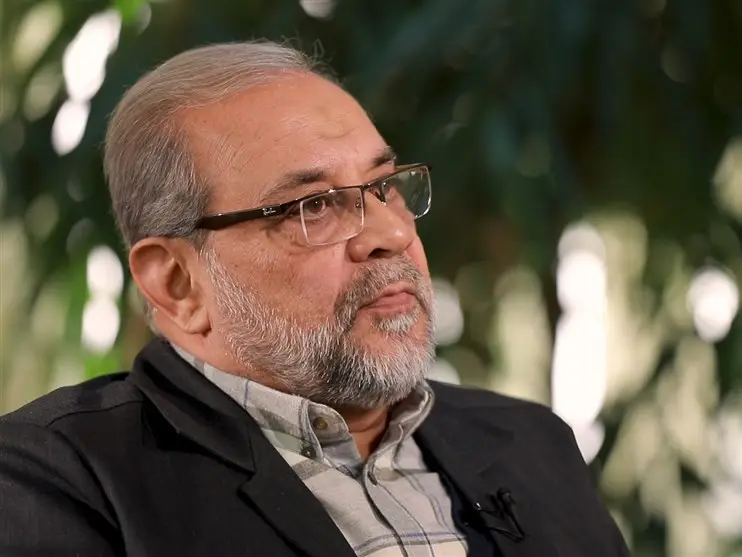
Brigadier General Mohammad Bagher Zolghadr Photograph: (x@iribnews_irib)
Zolghadr's appointment comes after a joint US-Israeli bombing campaign launched on February 28 and subsequent precision strikes throughout March, which resulted in the most significant decapitation of Iranian leadership in the history of the Islamic Republic.
Iran has appointed Brigadier General Mohammad Bagher Zolghadr, a former Revolutionary Guards commander, as the new Secretary of the Supreme National Security Council (SNSC) on Tuesday (March 24). The appointment, approved by Supreme Leader Mojtaba Khamenei and decreed by President Masoud Pezeshkian, follows the death of his predecessor, Ali Larijani, in a targeted airstrike last week.
Zolghadr's appointment comes after a joint US-Israeli bombing campaign launched on February 28 and subsequent precision strikes throughout March, which resulted in the most significant decapitation of Iranian leadership in the history of the Islamic Republic.
The most prominent casualty was Supreme Leader Ayatollah Ali Khamenei, who was killed in the opening salvo alongside his immediate family during a strike on his residence in Tehran. The offensive simultaneously eliminated the core of Iran’s military and security command, including the Commander-in-Chief of the IRGC, Major General Mohammad Pakpour; the Chief of the General Staff, Major General Abdolrahim Mousavi; and the Minister of Defence, Brigadier General Aziz Nasirzadeh.
As the campaign expanded into mid-March, further strikes targeted transitional and secondary leadership, leading to the deaths of Ali Larijani, the Secretary of the Supreme National Security Council, and Gholamreza Soleimani, the head of the paramilitary Basij forces. These losses have forced a rapid and radical restructuring of the Iranian state under the new Supreme Leader, Mojtaba Khamenei.
Meanwhile, confusion over a potential deal between Iran and the United States regarding the ongoing war persists. On Monday, Donald Trump announced in a social media post a five-day postponement of all planned military strikes against Iranian power plants and energy infrastructure. The pause is intended to provide a window for ongoing diplomatic talks aimed at reaching a “complete and total resolution” of hostilities in the region.
Trending Stories
&imwidth=280&imheight=210&format=webp&quality=medium)
&imwidth=280&imheight=210&format=webp&quality=medium)
&imwidth=280&imheight=210&format=webp&quality=medium)
&imwidth=280&imheight=210&format=webp&quality=medium)
&imwidth=280&imheight=210&format=webp&quality=medium)
&imwidth=280&imheight=210&format=webp&quality=medium)
&imwidth=280&imheight=210&format=webp&quality=medium)
&imwidth=280&imheight=210&format=webp&quality=medium)
&imwidth=280&imheight=210&format=webp&quality=medium)
&im=FitAndFill=(700,400)&imwidth=280&imheight=210&format=webp&quality=medium)
&imwidth=280&imheight=210&format=webp&quality=medium)
&imwidth=280&imheight=210&format=webp&quality=medium)
&imwidth=280&imheight=210&format=webp&quality=medium)
&imwidth=280&imheight=210&format=webp&quality=medium)
&imwidth=280&imheight=210&format=webp&quality=medium)
&imwidth=280&imheight=210&format=webp&quality=medium)
&imwidth=280&imheight=210&format=webp&quality=medium)
&imwidth=280&imheight=210&format=webp&quality=medium)
&imwidth=280&imheight=210&format=webp&quality=medium)
&imwidth=280&imheight=210&format=webp&quality=medium)
&im=FitAndFill=(700,400)&imwidth=280&imheight=210&format=webp&quality=medium)
&imwidth=280&imheight=210&format=webp&quality=medium)
&imwidth=280&imheight=210&format=webp&quality=medium)
&imwidth=280&imheight=210&format=webp&quality=medium)
&imwidth=280&imheight=210&format=webp&quality=medium)
&imwidth=280&imheight=210&format=webp&quality=medium)
&imwidth=280&imheight=210&format=webp&quality=medium)
&im=FitAndFill=(700,400)&imwidth=280&imheight=210&format=webp&quality=medium)
&imwidth=280&imheight=210&format=webp&quality=medium)
&imwidth=280&imheight=210&format=webp&quality=medium)
&imwidth=280&imheight=210&format=webp&quality=medium)
&imwidth=280&imheight=210&format=webp&quality=medium)
&imwidth=280&imheight=210&format=webp&quality=medium)
&imwidth=280&imheight=210&format=webp&quality=medium)
&imwidth=280&imheight=210&format=webp&quality=medium)
Notably, the US President underlined that the instruction to the Department of Defence is contingent upon the continued success of these detailed and constructive meetings, which are scheduled to continue throughout the week.
However, Iran officially dismissed Donald Trump’s assertion that the two countries are engaged in “very good and productive” conversations to resolve the war.
(Disclaimer: WION takes utmost care to accurately and responsibly report ongoing conflicts in West Asia involving Israel, Iran, the US, Gulf nations and non-state actors like Hezbollah, Hamas, Houthis, Islamic State, and others. Claims and counterclaims, disinformation and misinformation are being made online and offline. Given this context, WION cannot independently verify the authenticity of all statements, social media posts, photos and videos.)