From Devyani Khobragade to Gulf of Oman: Has India's response to Washington changed?

&imwidth=600&imheight=450&format=webp&quality=medium "From Devyani Khobragade to Gulf of Oman: Has India's response to Washington changed?")
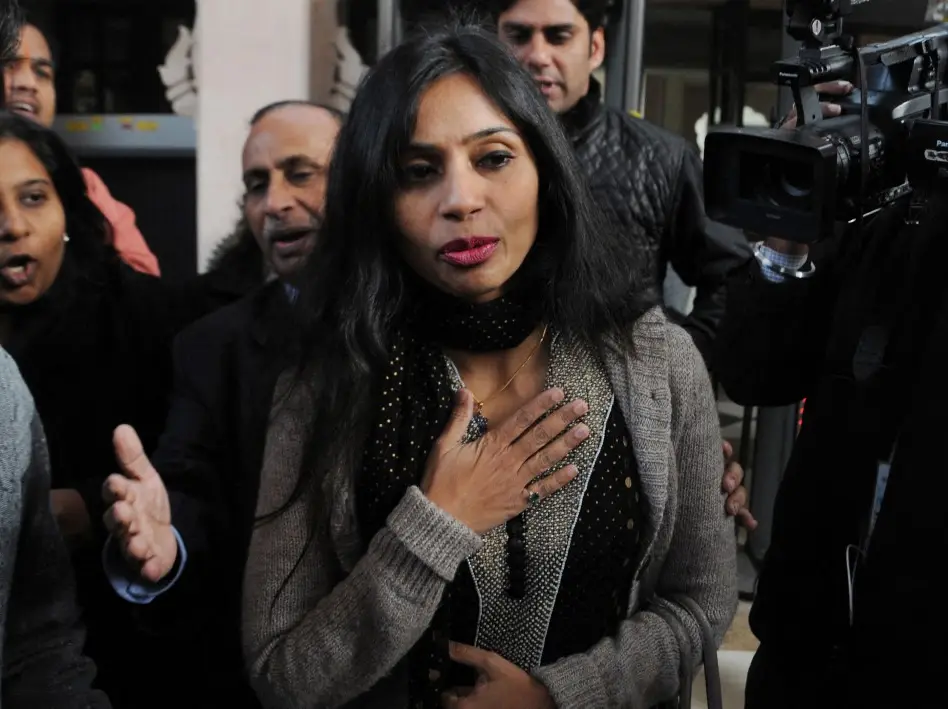
Indian diplomat Devyani Khobragade (C) leaves her guest house to meet with Indian Minister for External Affairs, Salman Khurshid in New Delhi on January 11, 2014. Photograph: (AFP)
The deaths of three Indian sailors in a US strike have revived comparisons with India's strong response during the 2013 Devyani Khobragade diplomatic row, putting Prime Minister Narendra Modi's handling of the crisis under scrutiny.
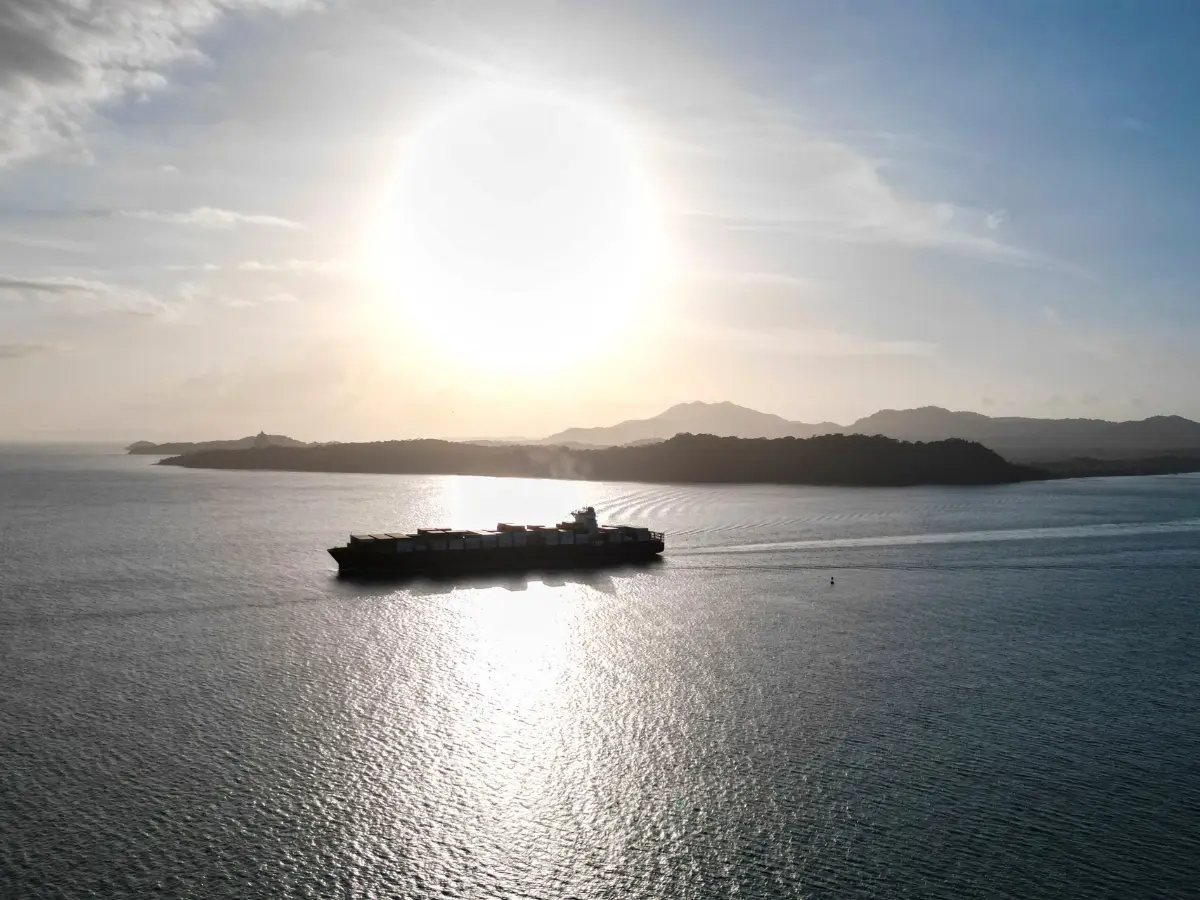
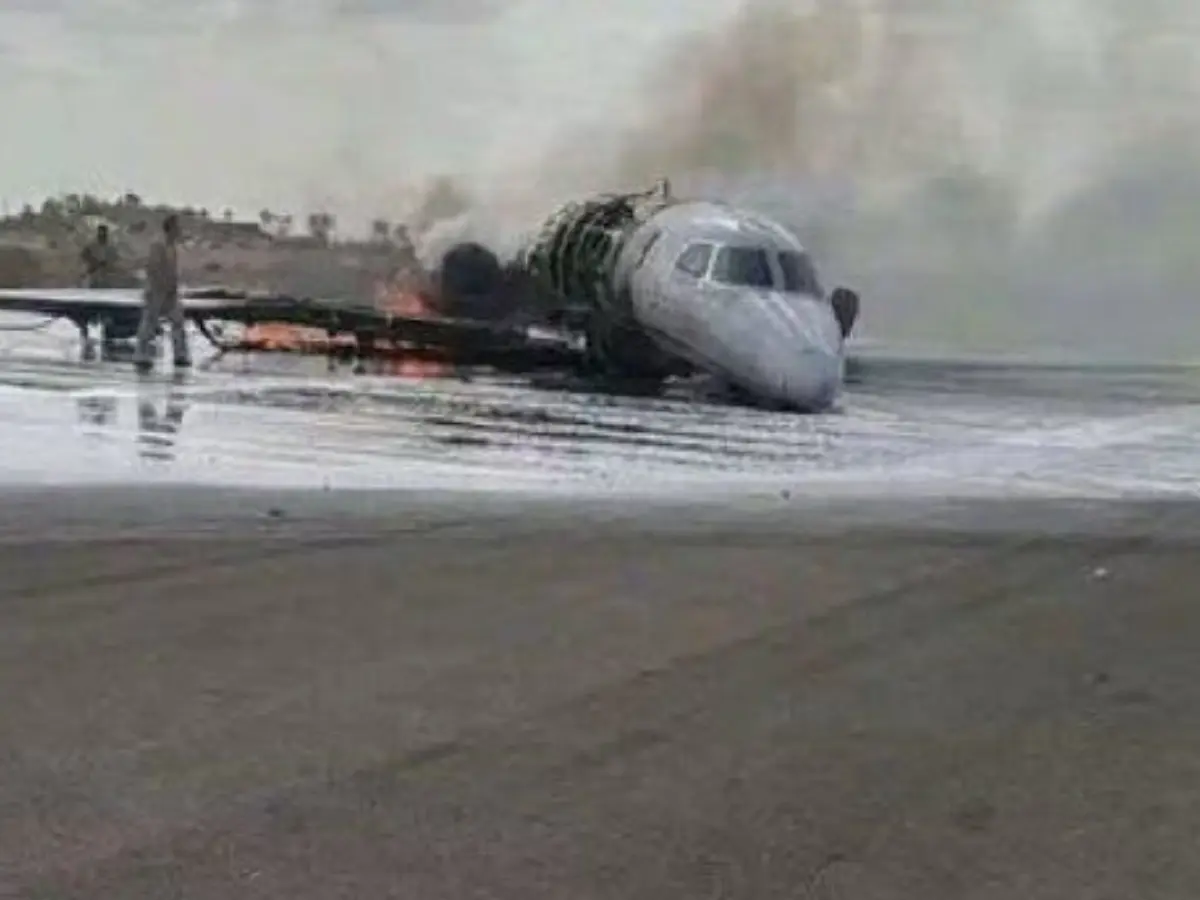
The US attack on Indian commercial vessels in the Gulf of Oman and the resulting death of three Indian sailors have sparked a strong reaction from the Indian political and diplomatic community. While the Indian Ministry of External Affairs summoned the US chargé d’affaires twice within three days to protest the deaths and demand accountability, the response was considered by many as muted. Subrahmanyam Jaishankar raised the issue directly with US Secretary of State Marco Rubio in a phone call on June 14, 2026, following which Rubio issued a statement on the movement of the vessel, saying blockade violations “will not be tolerated”, it lacked “remorse” and accountability for the Indian deaths.
The Khobragade Incident 2013
In 2013, when Indian Diplomat Devyani Khobragade was arrested and strip-searched in New York, the Manmohan Singh Government responded assertively. India blocked perks such as cheap alcohol and food imports at the US embassy. Deputy Counsel General Devyani Khobragade was accused of submitting false documents to obtain a work visa for her Manhattan housekeeper, an Indian national whom she allegedly paid less than $3 an hour. The arrest of the 39-year-old sparked a diplomatic storm. Lawmakers called her treatment “despicable” and "barbaric", despite having diplomatic immunity.
Indian police in New Delhi removed security barriers around the US embassy in New Delhi, which were put in place to prevent vehicles from approaching the barrier at high speed and to prevent threats from suicide bombers. Indian Foreign Minister Salman Khurshid told Parliament it was not about one individual, but about the sense of the self as a nation. US diplomats were stripped of ID passes allowing VIP treatment at airports. India asked the US Embassy to "withdraw" an unnamed senior diplomat who was believed to be closely involved in facilitating the evacuation of the maid's family to the US. It was only the second time India had expelled a US diplomat, the first being George Griffin in 1981.
Also Read: Trillion-dollar trap: Hidden risks behind SpaceX's blockbuster IPO that nobody wants to discuss
Modi himself snubbed US diplomats
Trending Stories
)
)
)
)
)
)
&im=FitAndFill=(700,400))
)
)
)
&im=FitAndFill=(700,400))
)
)
)
)
)
)
)
&im=FitAndFill=(700,400))
)
)
)
)
)
)
)
)
)
)
)
)
)
)
)
)
The whole Indian political class united on the aggression, even the BJP's Narendra Modi, then Chief Minister of Gujarat and the prime ministerial candidate at the time, and Congress's Rahul Gandhi refused to meet a visiting US congressional delegation in protest. It was a deliberate and symbolic move, but then Narendra Modi had nothing to lose politically. The contrast is stark and widely noted. India has somewhat lost its strategic autonomy under Modi's leadership. On one hand, it portrays itself as a guarantor of security in the Indian Ocean region; on the other hand, it failed to condemn the attack on an unarmed Iranian frigate, IRIS Dena, by the US. Now, as a PM, Narendra Modi maintains silence over the deaths of its own citizens. He is yet to offer any condemnation or comment, leaving the response to a routine diplomatic protest. Modi's social media timeline in the week was dominated by world leaders congratulating him on becoming the longest-serving Prime Minister of India. He is off to Slovakia and then France for the G7 Summit, where he will have a bilateral meeting with Trump.