Mobile phones do not cause brain cancer, biggest study conducted by WHO finds


No link between mobile phones and brain cancer, WHO study says
Mobile phones are not linked to brain and neck cancers, one of the biggest and most comprehensive studies conducted by the World Health Organization (WHO), in association with the New Zealand Ministry of Health, has shown.
For years, the common notion was that mobile phones emittingradio waves, a type of non-ionising radiation, could cause brain cancer or other forms of tumours.
However, the review, which included 64 observational studies documenting the use of phones and its effect on the human body, published between 1994 and 2022 with participants from 22 countries, has stated clearly that there is no link between any type of cancer caused by mobile usage.

“We concluded the evidence does not show a link between mobile phones and brain cancer or other head and neck cancers.”
The review looked at cancers of the brain in adults and children, as well as cancer of the pituitary gland, salivary glands and leukaemias, and risks linked to mobile phone use, base stations, or transmitters, as well as occupational exposure.
Additionally, the study clarified that there was no association with cancer even if a person used a mobile phone for 10 or more years (prolonged use). Importantly, the study shows despite the rise in the use of wireless technologies in recent years, there has been no rise in the incidence of brain cancers.
“None of the major questions studied showed increased risks," said Mark Elwood, co-author of the study and professor of cancer epidemiology at the University of Auckland, New Zealand.
Watch |Smartphone trends redefining mobile technology
66 years of the Indus Waters Treaty: How India and Pakistan settled a bitter river dispute
)
Trump 2.0: Dark days ahead for America’s ‘imperial presidency’
)
Operation Sindoor’s hidden naval dimension | MoD reveals Indian Navy Special Forces joined May 7 strikes
&im=FitAndFill=(700,400))
Ananya Panday to Sharvari: 5 actresses serving major princess vibes
)
Tirupati Laddu ghee adulterated with chemicals, says ED, supplier arrested
)
FACT CHECK: Why did PM Modi ask Xi ‘is it okay’ at BRICS Summit? New video reveals...
)
Mark Carney mimics Trump in hilarious moment over C$70 billion clean-energy investment; room erupts in laughter
)
Trump signs Russia sanctions bill into law, targets Moscow’s energy sector
&im=FitAndFill=(700,400))
Meet top 5 Indian batters with fastest T20I centuries
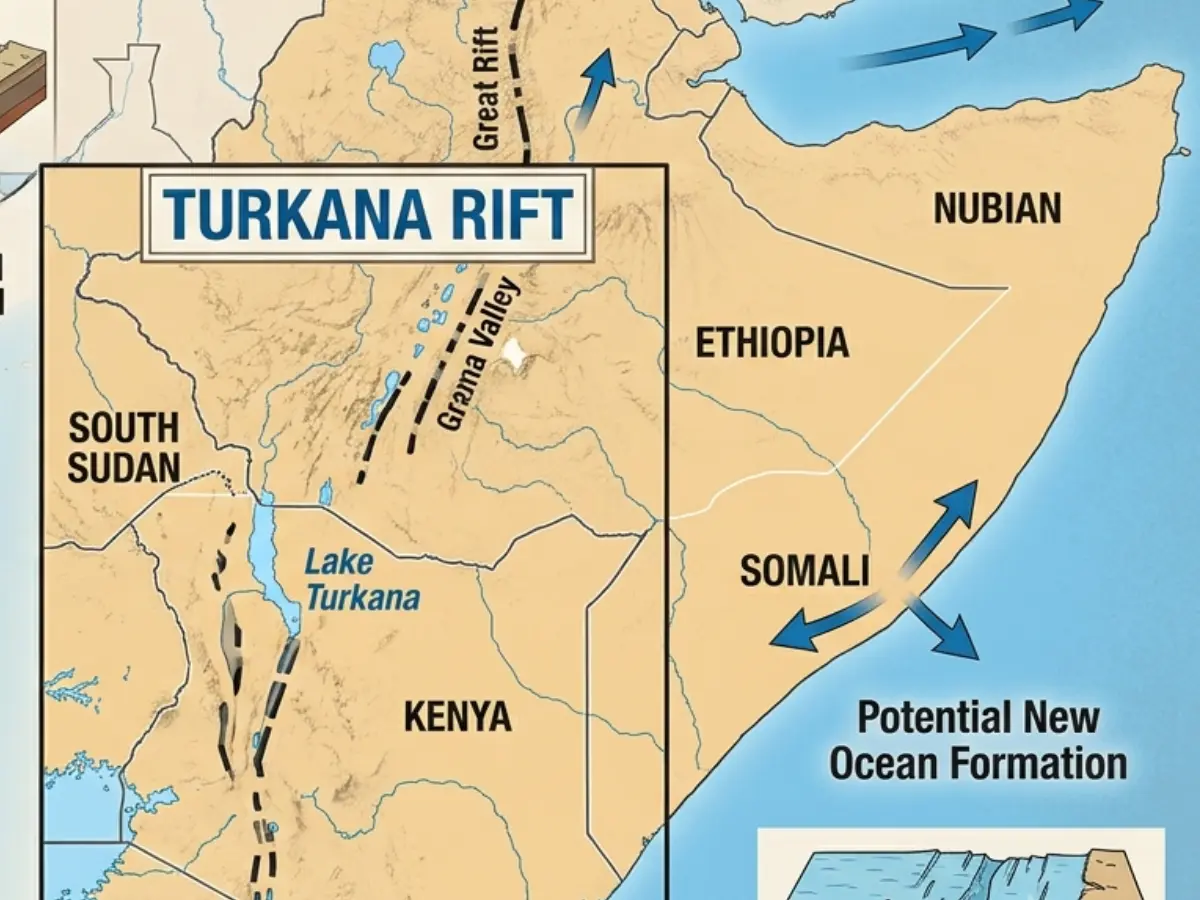)
Africa is splitting, and a lot sooner than estimated, giving way to a new ocean
)
Iran sets 7 conditions to end war with US: What are Tehran’s demands?
)
Pak: A series of counter terrorism operations in Khyber Pakhtunkhwa
)
Why Ranveer Singh’s Dhurandhar missed India’s Oscar entry; FFI jury member reveals what happened
)
Trump bans CNN, MS NOW and Politico from White House over ‘FAKE NEWS’
)
Pentagon revives mandatory testosterone testing for male troops aged 30 and above
)
Flying cars in UAE: Ras Al Khaimah signs deal with Chinese company to test new transport
&im=FitAndFill=(700,400))
How many F-35s does Britain, Japan and Israel have?
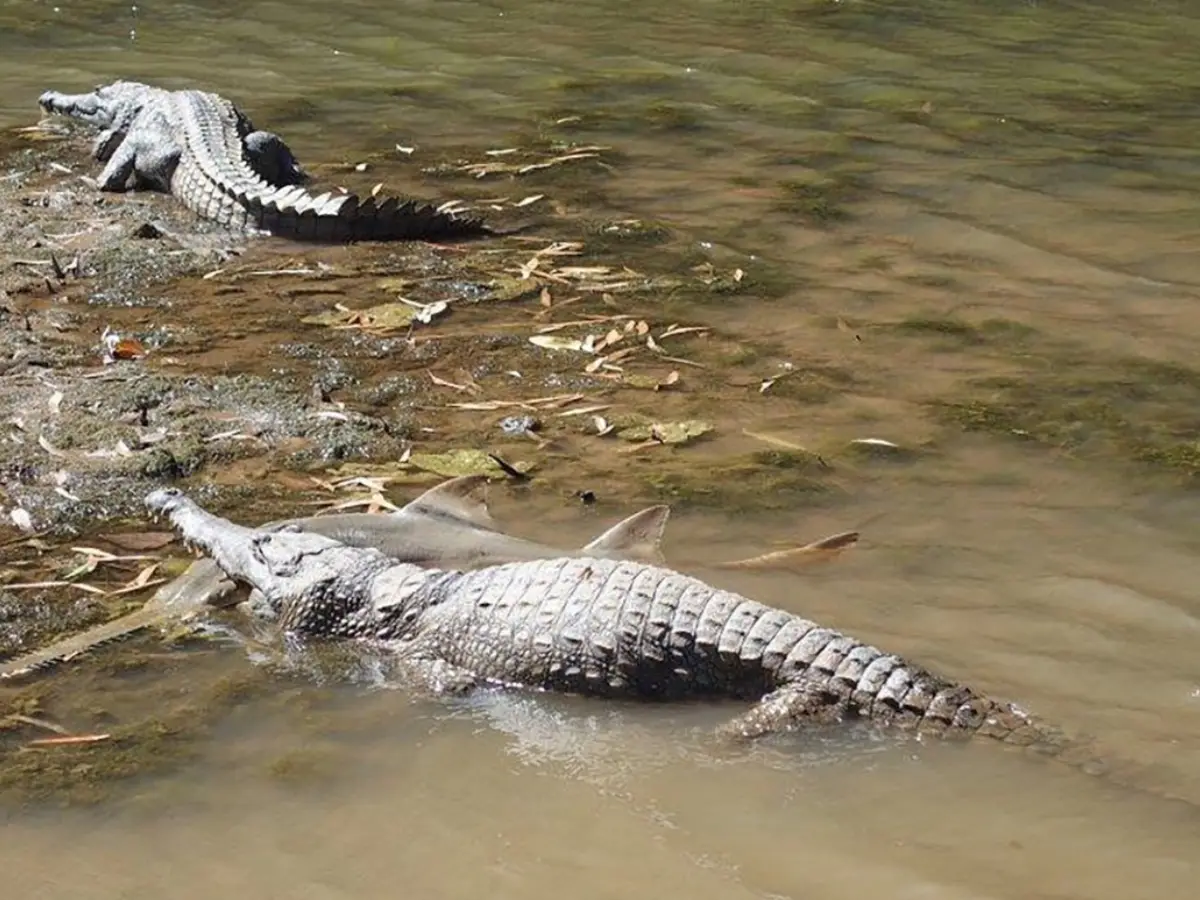)
How did an Australian river with 500 crocodiles pass the Olympic test? Here's how
)
Iran rebuilding nuclear facilities? New satellite images show Tehran may be rapidly restoring bombed Parchin base
)
Putin: European leaders using war rhetoric to save falling ratings
)
Ajit Agarkar’s future as chief selector to be decided at right time, says BCCI secretary
)
Reacher star Alan Ritchson opens up about alleged blackmail, suicide attempt during difficult period
)
The Verdict | When precision fails: US commits war crime in Minab school strike, UN finds
)
Cochin shipyard starts building Indian Navy's next-gen missile vessels
)
‘System run by six individuals’: Rahul Gandhi targets PM Modi, Amit Shah, NSA Doval
)
‘Will go to any extent’: Pakistan vows to defend Saudi Arabia amid Houthi attacks
)
Russia holds first parliamentary elections since the beginning of the Ukraine war
)
Brigitte Bardot’s private collection set for Paris auction; key items and prices revealed
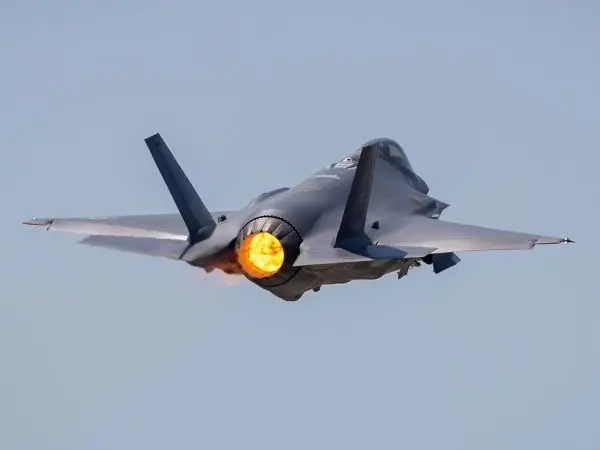)
China may have gained access to US's classified F-35 jets; parts meant for repairs diverted to Hong Kong, sparking Pentagon inquiry
)
Russia extends ban on Western food imports for two more years in extended sanctions countermeasure
)
Oxford United's new clothing line featured 'United 93' phase
)
Arvind Kejriwal, family members, Delhi CM Rekha Gupta get SIR notices
)
Trump announces ‘AI Force’ as debate grows over AI risks and regulation
&im=FitAndFill=(700,400))
Why so many countries want the F-35 fighter jet
&im=FitAndFill=(700,400))
‘Not the US or China’: These are the countries leading the world in arable land
)
What was the previous consensus?
Notably, it was the International Agency for Research on Cancer (IARC), a part of the WHO that classified radio wave exposure as a possible carcinogen to humans, way back in 2011.
The classification was largely based on limited evidence from human observational studies wherepeople with brain cancer reported they used a mobile phone more than they actually did.
Observational studies are used by researchers to investigate long-term health effects in humans but the results can often be biased.
After the new study results, the researchers have called forclassification to be re-evaluated as soon as possible given the new data since its last assessment in 2011.
Mobile phones, especially the modern ones, emit low-level radio waves, much below the safety limits. The study results are reassuring and should help in reducingthe myths associated with their long-term usage, the experts added.
(With inputs from agencies)