
&imwidth=800&imheight=600&format=webp&quality=medium "Marco Rubio's 'market share' speech in Munich triggers colonialism debate")
For centuries, European empires expanded across Asia and Africa under the banner of trade and commerce. Infrastructure such as railways and ports was developed, but largely to extract resources for European industries, not to strengthen local economies. The social and economic scars of that era remain visible across much of what is now called the Global South.
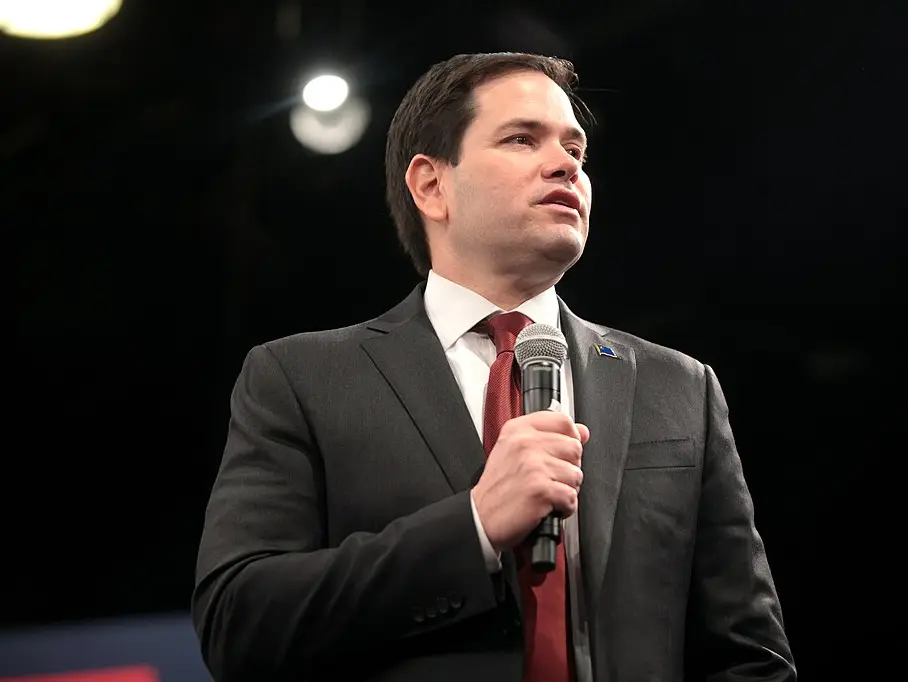
In a speech at the Munich Security Conference, US Secretary of State Marco Rubio urged Western countries to compete more aggressively for ‘market share’ in the economies of developing countries. He framed this effort as part of constructing a ‘new Western century’, stressing industrial revival, supply chain security, and strategic competition.
The Munich Forum, attended by world leaders, ministers, and policy experts, has long been a platform for shaping global security debates. Rubio’s remarks, however, stood out for their assertive tone. He described the West as a unified civilisation whose influence had receded after World War II, accelerated, according to him, by communist revolutions and anti-colonial movements. He characterised decolonisation as a period of Western contraction.

His comments have unsettled observers in many developing countries. Critics argue that portraying the Global South primarily as a terrain for economic rivalry risks reviving the mindset that once justified colonial expansion. While Rubio did not advocate territorial conquest, his focus on supply chains, critical minerals, and industrial leverage struck some as reminiscent of earlier patterns where trade paved the way for domination.
Historical parallels have been drawn to the English East India Company, which began as a commercial venture before evolving into a political and military force that reshaped entire regions. Today’s context is different; modern states are sovereign, globally connected, and capable of negotiating their own interests. Yet concerns persist that aggressive economic competition, especially when tied to sanctions or political pressure, may reproduce unequal power dynamics.
Trending Stories
)
Did India risk its US trade deal despite softer stance at BRICS?
)
Pakistan puts Pak Rs 70 lakh bounty on UN terrorist Masood Azhar; move draws skepticism in Delhi
)
First naval drone battle? Ukraine says Sargan 3000 sank Russian unmanned boat
)
Practical Magic 2 breaks Spidey spell over North American box office
)
'Huge destructive power': North Korea calls its latest missile launches 'live-fire drill' even as US dismisses 'immediate threat'
)
‘Let’s go’: Newly declassified videos show dramatic rescue of US Air Force officers downed in Iran
)
Delhi’s balancing act: BRICS serves as a stage for West Asia diplomacy
&im=FitAndFill=(700,400))
Why European Meteor missiles use ramjet engines compared to standard US solid rockets
)
‘India did extremely well’: South African President Cyril Ramaphosa praises BRICS leadership
)
Iran, India agree to deepen humanitarian and political ties, President Pezeshkian says
)
‘Want to reset ties with India, have engagement based on mutual interests,’ says Bangladesh minister
)
Trump says Canada eager to reach a deal, it could come ‘fairly soon’ if Ottawa treats US farmers better
)
Turkish Airlines plane flies through a storm three times, triggering severe turbulence
&im=FitAndFill=(700,400))
Why Chinese PL-15 air-to-air missiles use dual-pulse motors compared to European interceptors
)
China thinned Himalayan troop presence in 2025, India defence report says; terms border situation 'stable'
)
800 million years old - Scientists discover 'fingerprints' of supercontinent Gondwana in ancient rocks
)
Russia proposes to build 360 kmph Ivolga FG trains in India: What happened on sidelines of BRICS
)
Israeli minister calls to strip Gaza film directors of citizenship
)
China discovers vast gold and silver 'mine' in the Pacific with unheard-of deposits
)
Russian drone hits Warsaw-bound train near Polish border, Zelensky accuses Moscow of ‘deliberate’ targeting
)
War is making Russia stronger? How Ukraine is shaping Moscow’s next generation of weapons
)
Plane carrying prominent figure crashes at Libya’s Misrata airport: Report
)
NEET-UG to move to computer-based test soon, NTA DG says ‘CBT is the future’
)
Woman removes all her clothes on American Airlines flight, performs 'indecent acts'; arrested
)
Liam Neeson sparks romance rumours after holding hands with Stella Stocker at TIFF 2026
&im=FitAndFill=(700,400))
New OTT releases this week (September 14-20, 2026): Lust Stories 3, Waiting Hai, Irumudi- 5 new titles coming on Netflix, Prime Video and more
)
Indian importers urge Bangladesh to lift export ban on 'Hilsa' fish ahead of Durga Puja
)
Video of Pakistani lawmaker struggling to read English tribute to Jinnah goes viral - WATCH
)
Did China give Iran intel before US base strike that killed 3 troops? Trump says, 'You’re right...'
)
Meghan Markle shares first glimpse of family life with Prince Harry and children in UK
)
Crude oil prices jump more than $107 per barrel following Houthi attacks on Saudi
)
PM Modi and China's Xi offered to help resolve Russia-Ukraine war: Kremlin
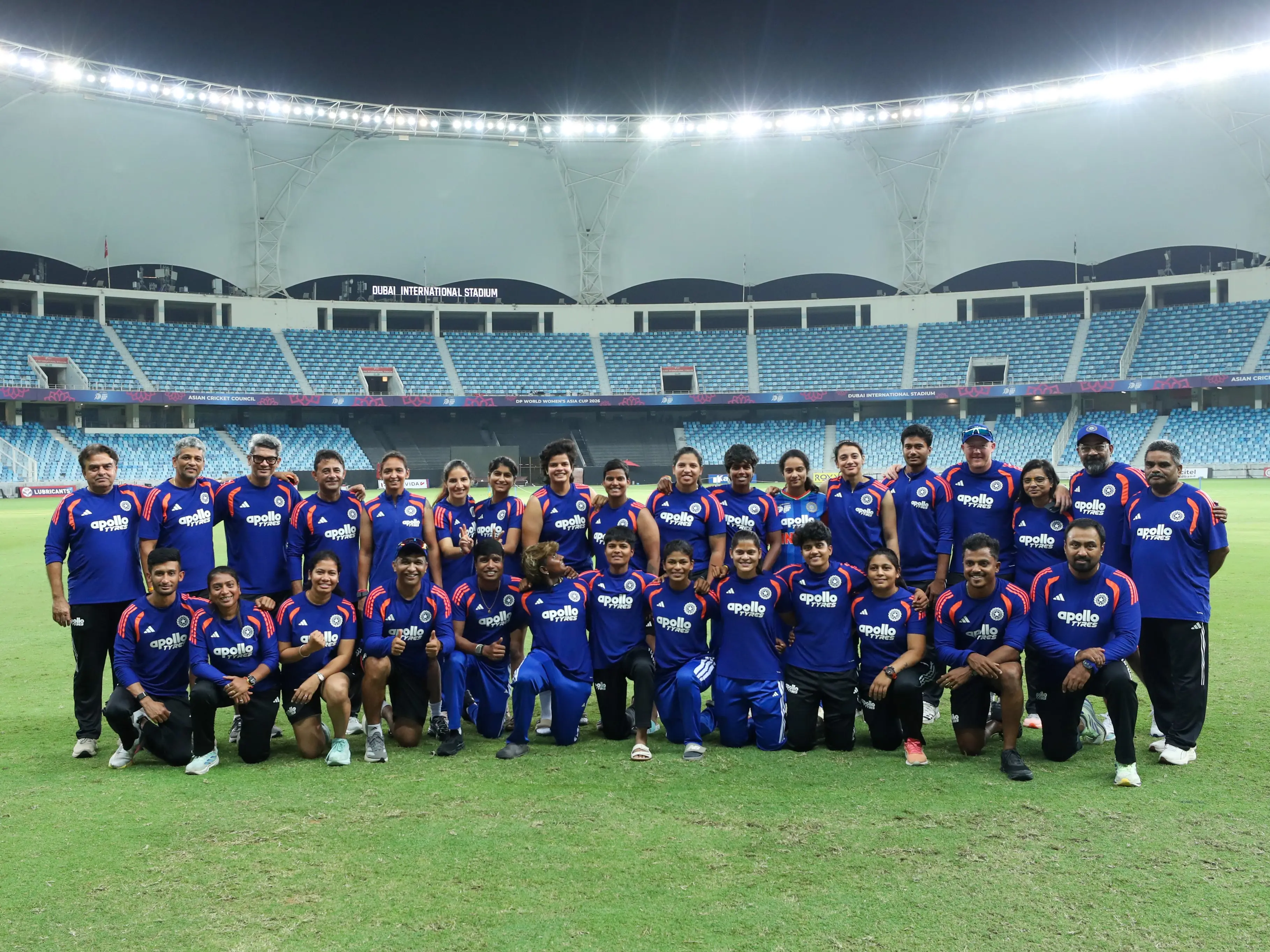)
Women's Asia Cup 2026: India denied trophy once again despite winning the title
)
Humans may lose control of AI: Anthropic CEO calls for slowdown, Altman, Musk back him
Recent US foreign policy moves have also fueled skepticism. The Trump administration’s centralised decision-making style and its assertive approach to trade and sanctions have led some analysts to see Rubio’s speech as an extension of a broader strategy aimed at restoring Western primacy. Geopolitical commentators such as Brahma Chellaney and Arnaud Bertrand criticized the address as revisionist and imperial in tone. Others, including Debabrata Bhaduri and Sanjaya Baru, urged countries like India, long seen as champions of anti-colonial solidarity, to push back strongly against what they perceive as an outdated worldview.
Supporters might argue that Rubio’s call simply reflects normal strategic competition in a multipolar world. Unlike in the colonial era, today’s Global South countries actively diversify partnerships and safeguard strategic autonomy. Economic engagement now operates through contracts, trade frameworks, and investment agreements rather than imperial charters. Even so, the rhetoric of ‘taking back control’ and reclaiming influence in developing regions inevitably evokes historical memories.
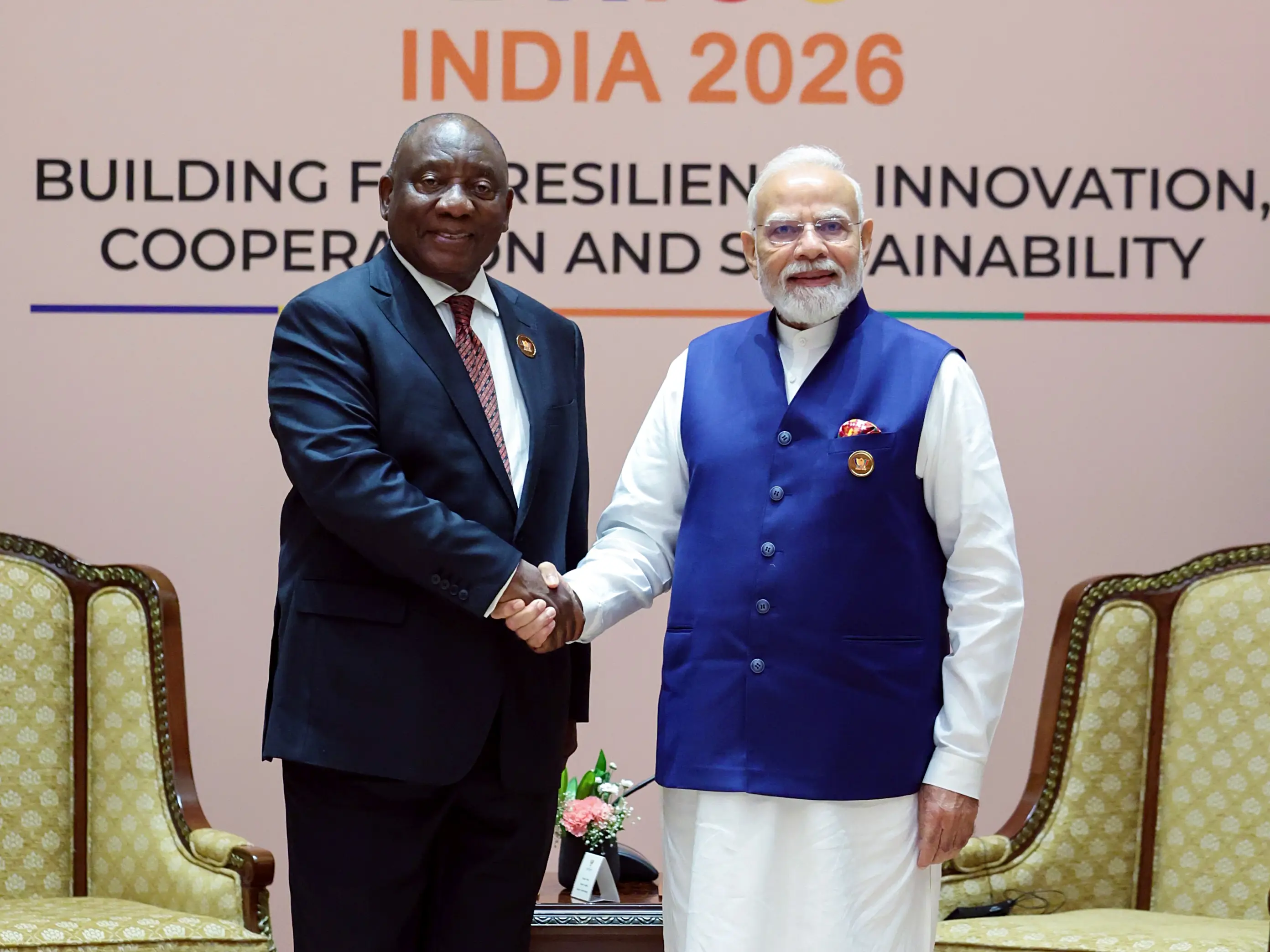
Ramaphosa: ‘Africa must avoid a new colonialism’
South African President Cyril Ramaphosa has urged African countries to stand united to avoid being exploited for their natural resources, following a statement by Marco Rubio praising imperialism. Speaking on the sidelines of the African Union leaders’ summit, which ended on Sunday, Ramaphosa stressed that Africa must respond to shifting global geopolitics with a single, coordinated voice. “We must guard against a new form of colonialism, where powerful economies once again set their sights on our minerals,” he was quoted as saying to The Africa Report.

