Legal protection granted for South Korean nurses to conduct certain medical procedures


South Korea doctors' strike
The South Korean health ministry announced on Tuesday (Feb 27) that nurses are now granted legal protection to perform certain medical procedures typically handled by doctors.
This decision aims to alleviate the strain on hospital staff caused by a recent walkout of trainee doctors.

Following the trainee doctors' protest last week against the government's plan to increase medical school admissions to address a shortage of doctors, nurses expressed concerns about the legal risks and increased workload they now face.
With more than two-thirds of the country's resident and intern doctors resigning from their posts, major hospitals experienced disruptions, including turned-away patients in emergency rooms and cancelled or postponed surgeries and procedures.
)
Mushtaq Khan dies at 56: When Welcome actor opened up about his salary for iconic role Ballu
)
Hawaii braces for Hurricane Nolo: NOAA warns of flash flooding and mudslides
)
Bangkok declares flood disaster as heavy rain submerges roads and homes
)
US Supreme Court backs Trump administration's use of SAVE database to check voter citizenship
)
Outrage erupts after 3-year-old is married to 60-year-old man in Pakistan, link to her sister's murder being probed
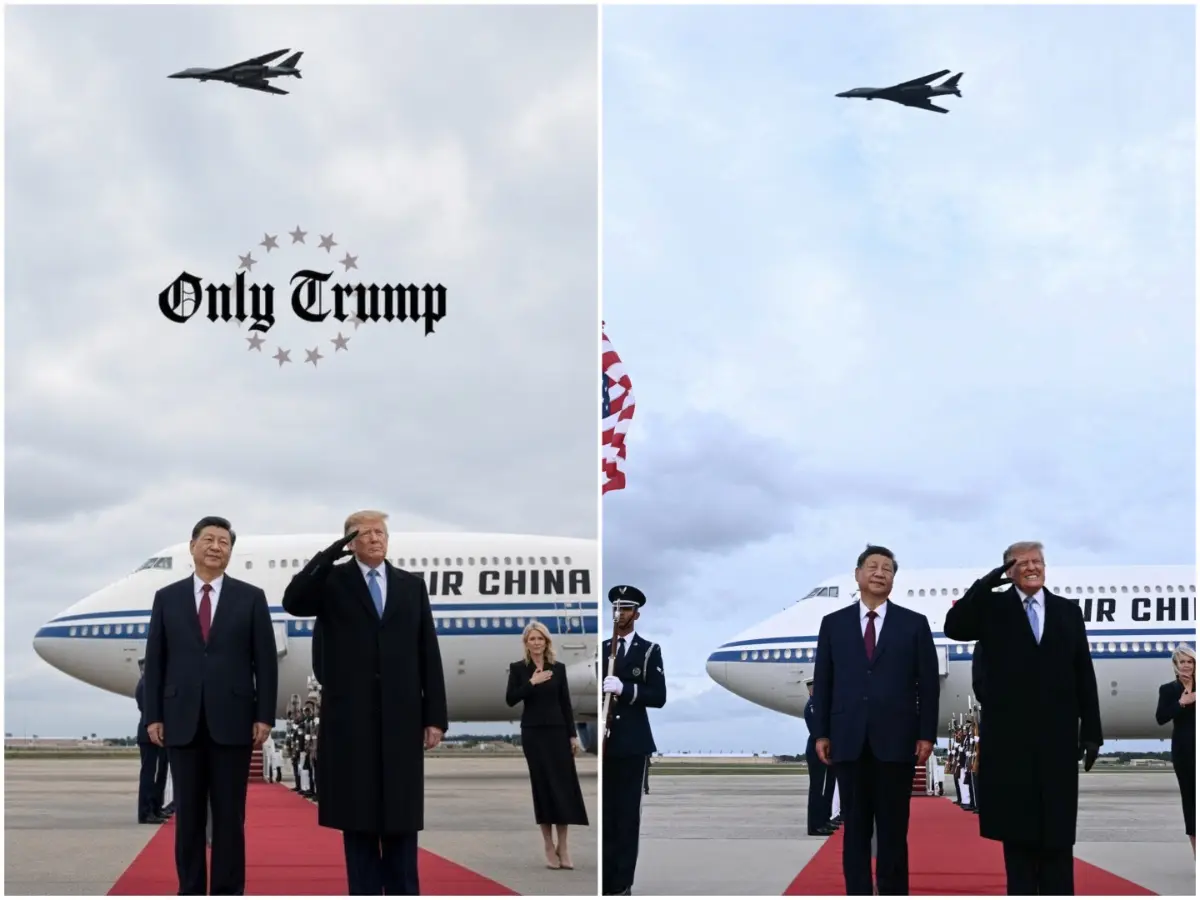)
Donald Trump shares image of Xi's arrival in Washington, carries signs of AI
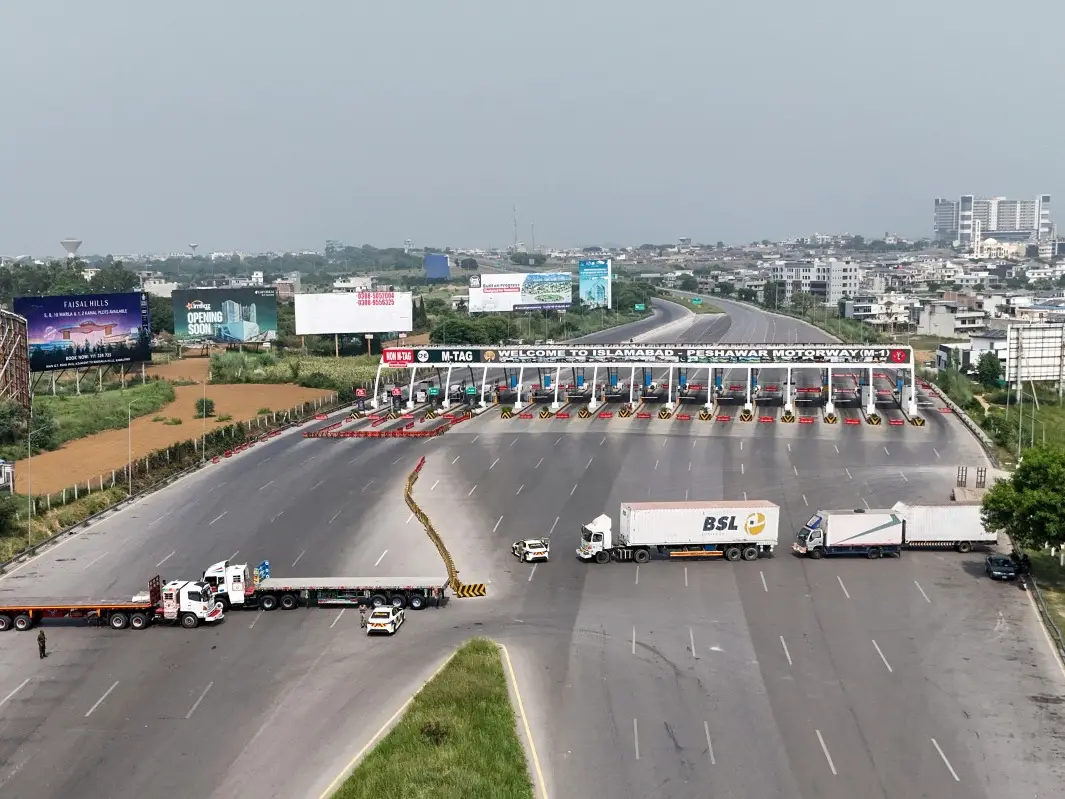)
Pakistan deploys over 20,000 security personnel as PTI vows march for Imran Khan's release
)
Anthropic says Claude found a new gene-editing enzyme but science isn't confirmed
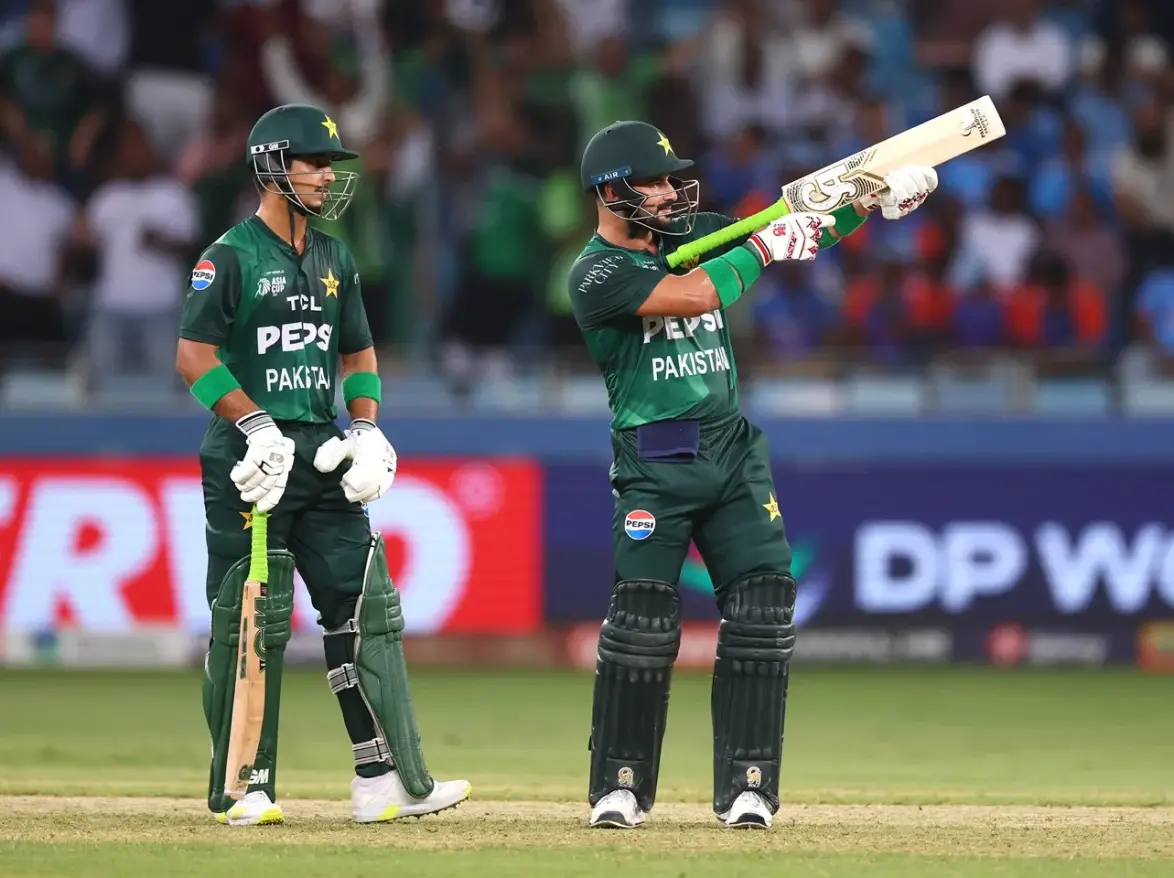)
Farhan, who went viral for AK47 celebration vs India in Asia Cup, hopes to lead Pakistan beyond Asian Games
)
Prince Harry offers rare glimpse into Archie and Lilibet’s life after UK move
)
OpenAI AI Agents hacked 4 websites before Hugging Face, researchers reveal
&im=FitAndFill=(700,400))
New Friday OTT releases (September 25, 2026): Don’t Be Shy, Hunkkaar: The Roar, Mango Pachcha- 6 movies and TV shows on Netflix, Prime Video and more
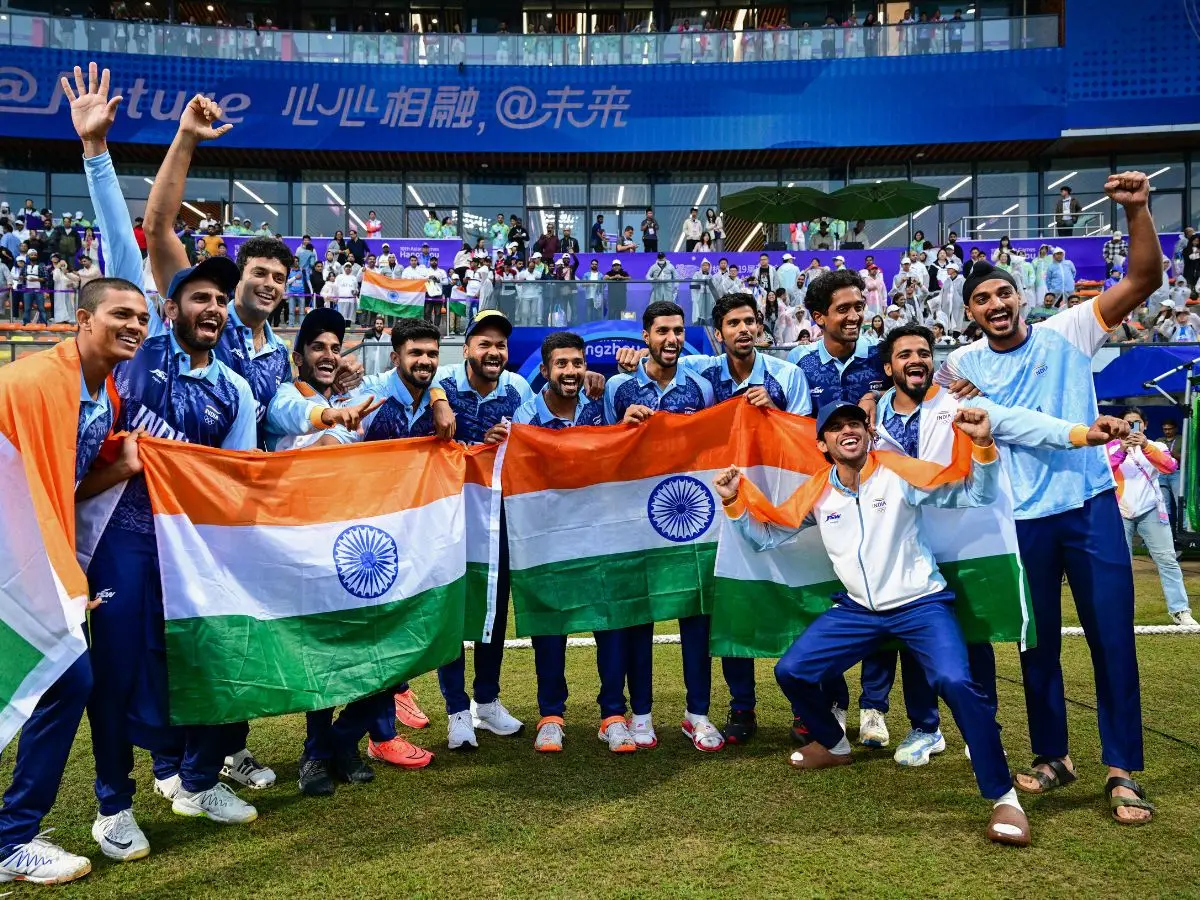)
Asian Games 2026: India face Afghanistan in quarterfinal on Sep 28; Pakistan clash with Hong Kong
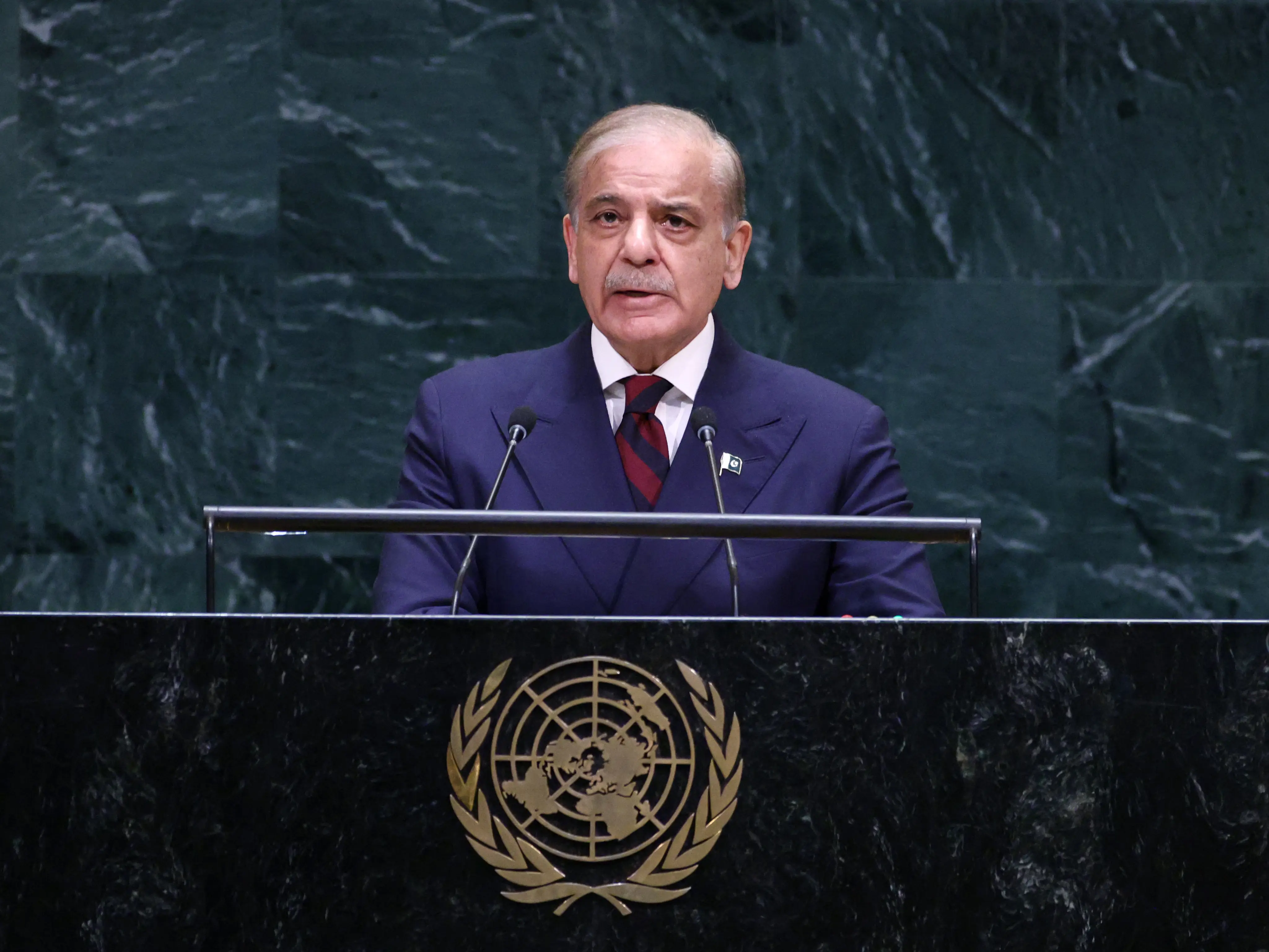)
‘Attack on Mecca a red line for Pakistan’: Shehbaz Sharif warns Houthis at UN
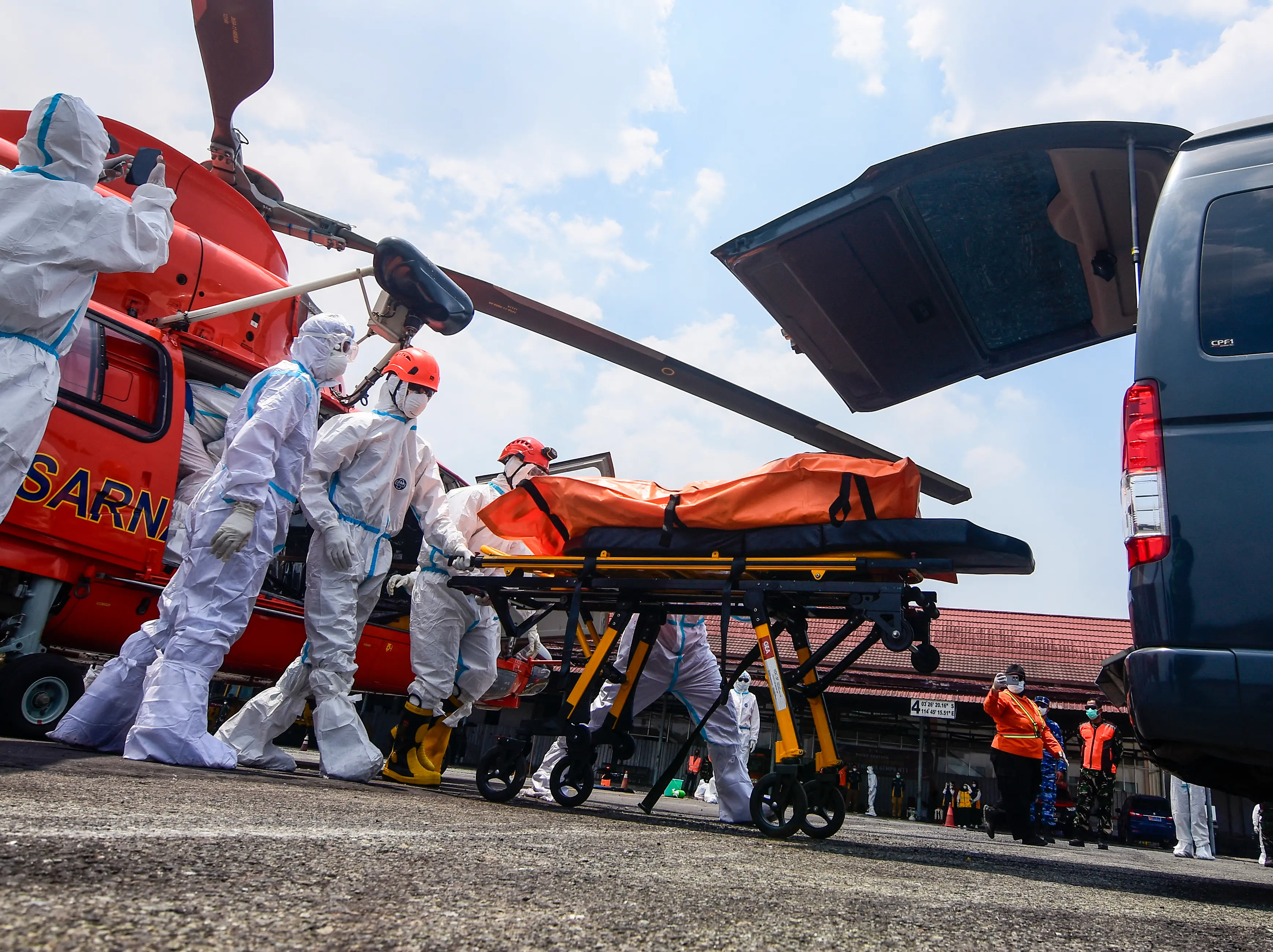)
Death toll rises to 64 in Indonesia's Java Sea ferry incident; 71 still missing
)
Did Hitler kill his niece Geli Raubal? Newly found records reopen a 95-year-old mystery
)
Nigeria Navy moves to boost oil security, tackle crude theft and infrastructure threats
)
Indian diplomat Petal Gahlot raises deteriorating situation in Pakistan-occupied Kashmir in right of reply at UN
)
'Countries far from conflict are penalised': Jaishankar calls for Gulf peace, seafarer safety at UN
)
Scientists detect first radio signals directly from faraway planet
)
What Gisele Bündchen allegedly told Tom Brady before their divorce
)
‘It is all possible’: Putin weighs next steps on Ukraine talks, rules out Europe conflict
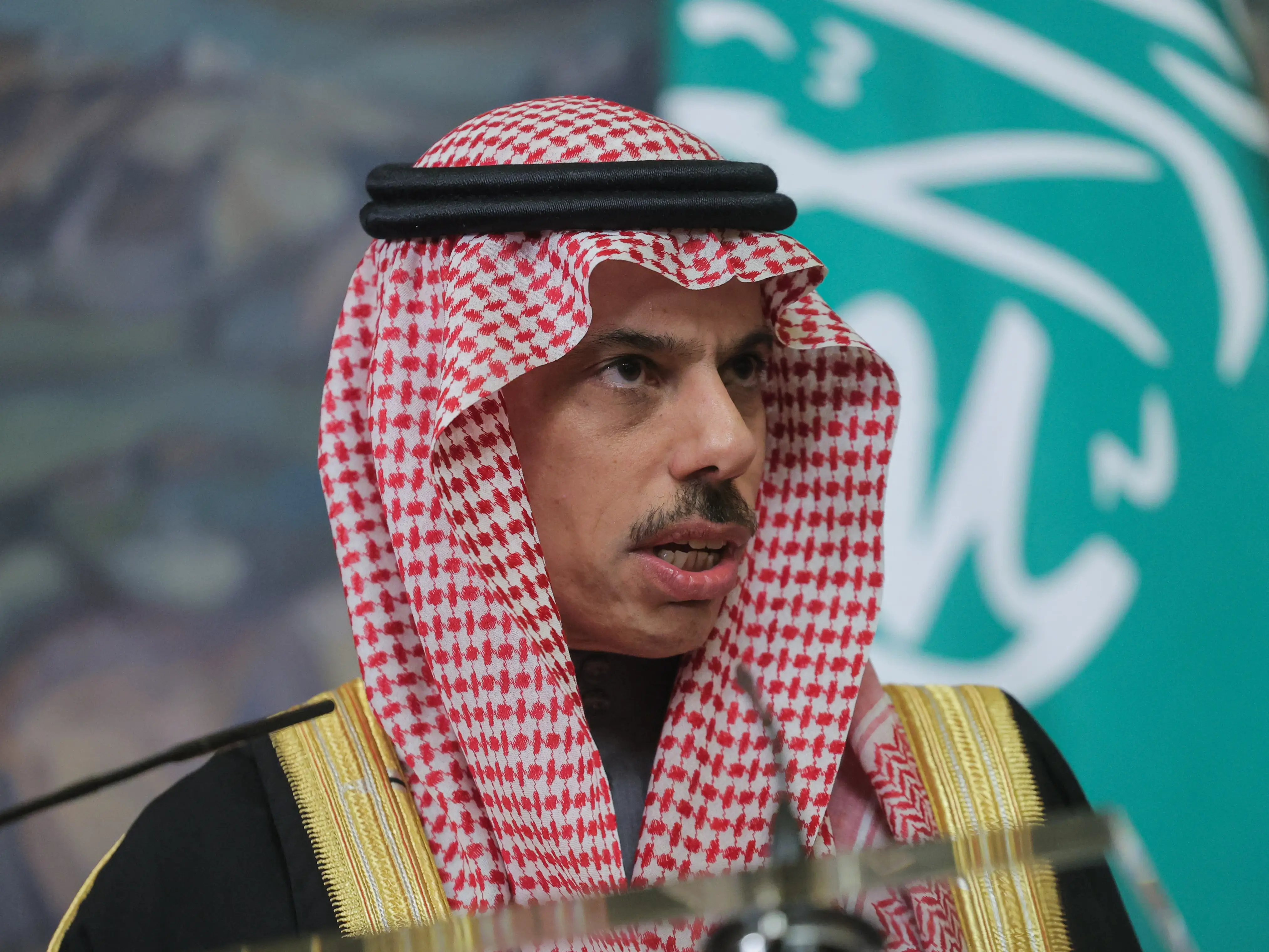)
Global community 'absent' in Gulf crisis: Saudi at UN calls for freedom of navigation, pre war status for Hormuz
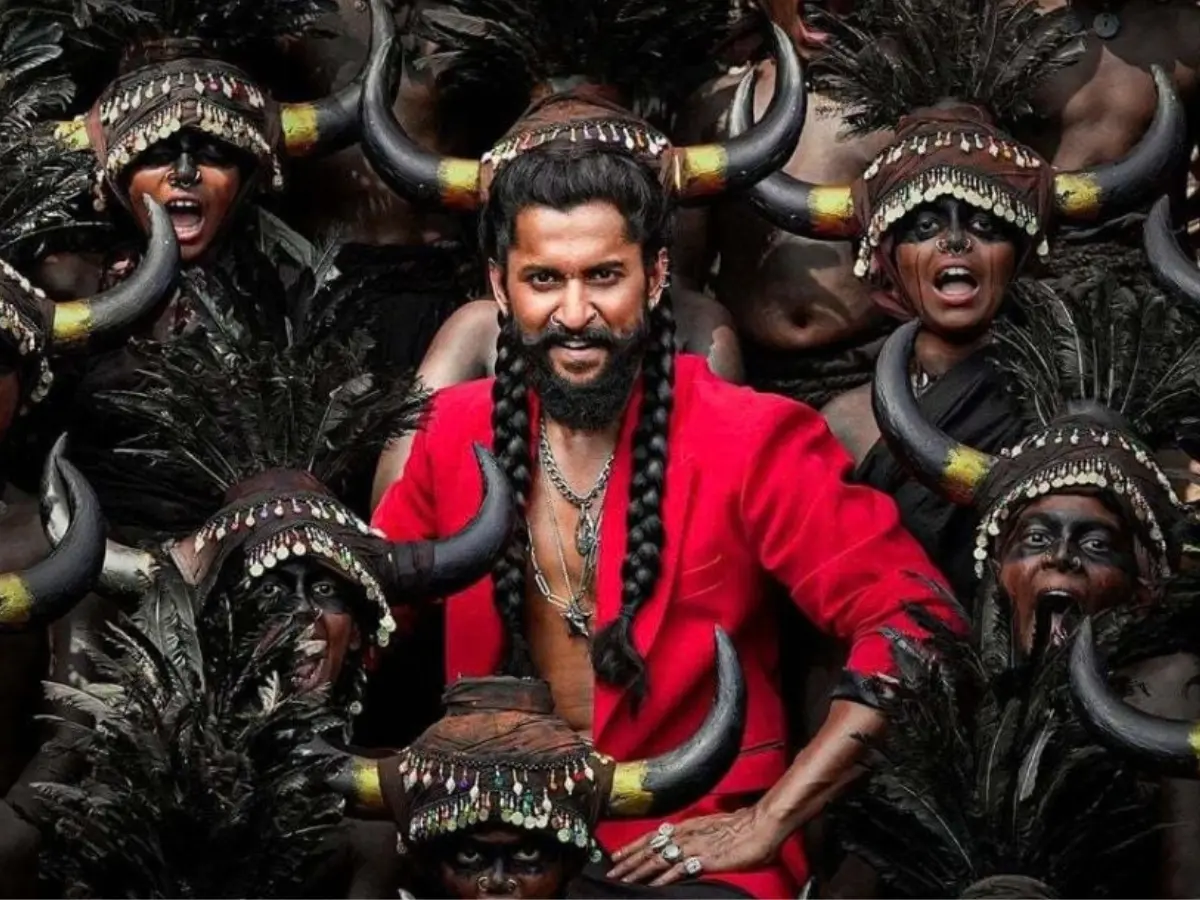)
The Paradise: Nani reacts to mixed reviews from critics and audience; ‘I have also learnt from the flaws’
)
Trump rejects Iran's 7-day ceasefire proposal as US weighs renewed bombing after midterms: Report
)
Gaza's war turned environmental damage into second crisis
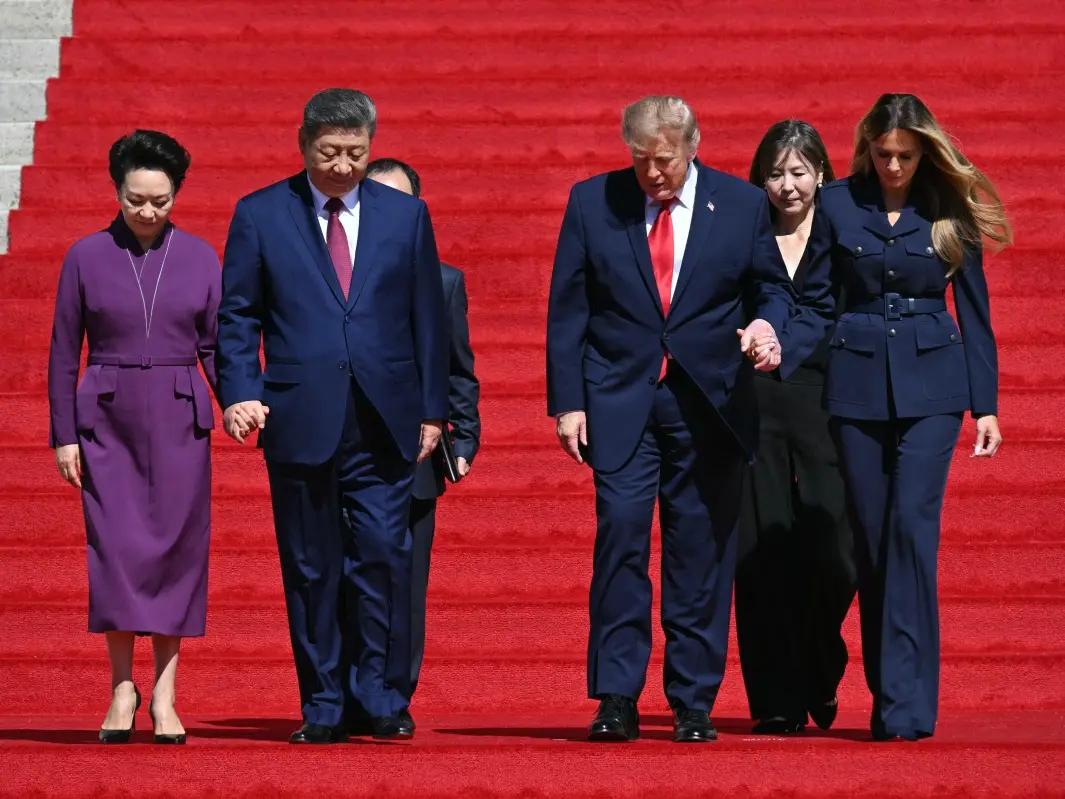)
Trump-Xi summit wrap: Big pageantry, Iran talks, few major developments and more meetings planned
)
'What kind of confession is this?': Pakistan PM Shehbaz Sharif’s 'terrorists would be roaming New York' remark goes viral, raises alarm online. Watch
)
Manchester City found guilty: Premier League delivers its verdict on the FFP charges
)
'FIRST LOOK from inside Noah’s Ark': Researchers share video from inside mysterious mound in Turkey
)
Cindy Crawford’s son Presley Gerber cremated as death probe continues
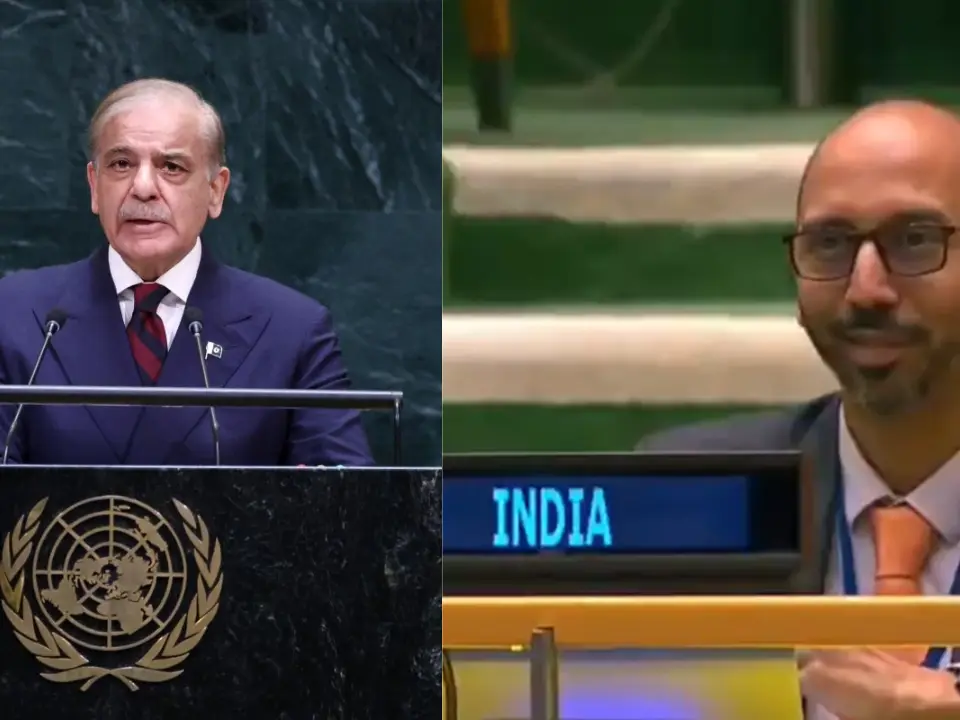)
WATCH | As Shehbaz Sharif claims Pakistan’s ‘victory’ during 2025 conflict, Indian diplomat R Srinivas laughs at UN
)
'A terrorist country is asking me that question?': Jaishankar hits back at Pakistani journalist at UN; flags attacks on commercial shipping
)
Russia will achieve Ukraine war aims; Europe doing everything to block peace talks: Lavrov at UN
)
‘Serial practitioner of terrorism’: Jaishankar calls out Pakistan’s ‘state-sponsored’ terror at UNGA
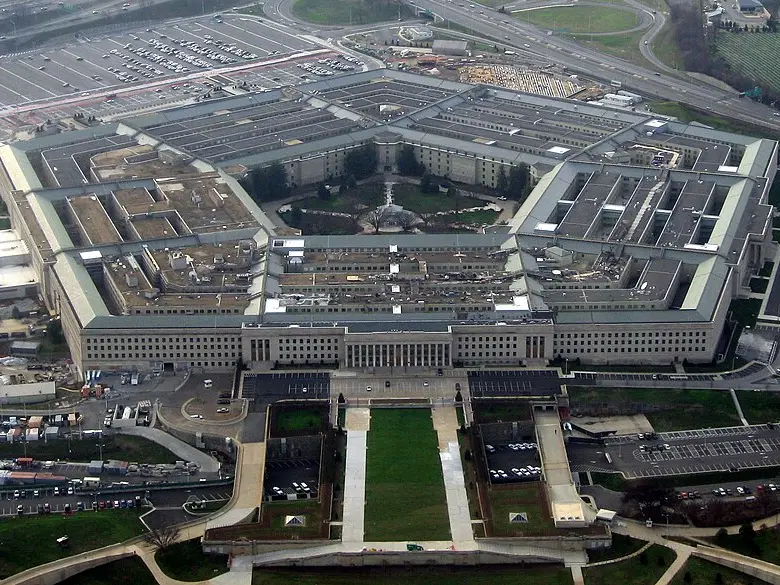)
US court backs Pentagon's decision to exclude Anthropic over Claude AI restrictions
In response to the situation, the government is expediting efforts to legislate legal protection for doctors, allowing patients to promptly receive compensation for injuries during medical procedures. This measure aims to enable doctors to focus on their work amid the ongoing healthcare crisis.
South Korea raised its public health alert to the highest level on February 23, declaring a health services crisis attributed to the mass resignation of thousands of doctors protesting proposed medical reforms.
The doctors argue that the government should address existing issues before increasing the number of physicians.
WATCH |Why are South Korean trainee doctors on strike?
Park Min-soo, Seoul's Second Vice Health Minister, earlier revealed that 78.5 per cent of the trainee workforce, comprising over 8,890 junior doctors, has resigned in opposition to the government's plans to significantly boost medical school admissions.
Despite doctors being legally prohibited from striking as essential workers, the government deems the mass resignation illegal, asserting that illegal collective actions that threaten public health cannot be justified for any reason.
Also Read |South Korean trainee doctors stop work to protest medical reforms
This collective action has resulted in the cancellation or postponement of surgeries for cancer patients and C-sections for pregnant women, leading to urgent appeals from patients with severe illnesses for the doctors to resume their duties.
(With inputs from agencies)