Lebanon army deploys at pumps as bank chief firm on lifting fuel subsidies

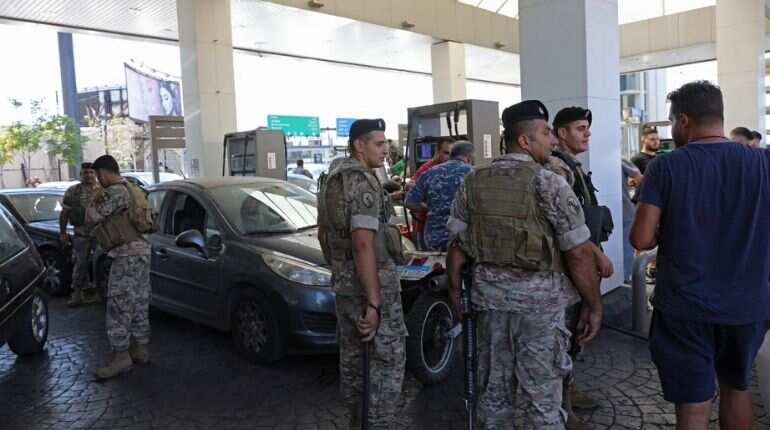
Lebanese soldiers are pictured at a petrol station in the capital Beirut on August 14, 2021, after soldiers were deployed to force several stations to reopen their doors.
Lebanon'sarmySaturday raided gas stations and seizedpetrolto curb hoarding as the centralbankchiefstoodfirmonhis decision to haltfuelsubsidies.
Lebanonis gripped by one of the world's worst economic crises since the 1850s, according to theWorld Bank, and is struggling withfuel, bread and medicine shortages.
OnWednesday centralbankchiefRiad Salameh said he would halt statesubsidiesonfuelimports to ease pressureonthebank's dwindling foreign reserves, sparking panic across the country.

Saturday Salameh insisted he would not back down from his decision without a parliamentary vote, saying foreign reserves had fallen to $14 billion.
"I will not review the removal ofsubsidiesonfuelunless the use of compulsory reserves is legalised" by a parliamentary vote, he told local radio.
)
AI kill switch explained: Why shutting down a dangerous AI may not be as simple as pressing a button
)
US ships in Indian Ocean ‘will be attacked’ if war resumes, warns Iran
)
SNL UK takes aim at Ed Sheeran with AI Princess Diana sketch
)
Trump says he'll build an 'AI Force' and appoint a czar, for 'high IQ' people only
)
‘0% chance’: Nvidia CEO Jensen Huang dismisses AI extinction fears by 2030
&im=FitAndFill=(700,400))
What TSMC's 2nm technology means for Apple
)
'Were you here to sell chickpeas?': Wasim Akram criticises Babar Azam's captaincy
)
Mark Carney mimics Trump in hilarious moment over C$70 billion clean-energy investment; room erupts in laughter
&im=FitAndFill=(700,400))
Top 10 countries in mathematics: See the world’s best performers in 2026
)
Apple reportedly building AI server with M8 Ultra chips, may use Nvidia technology
)
TIFF 2026: Theja Rio’s Angh wins Platform Prize, puts Nagaland story on global stage
)
BTS' fans question iHeartRadio’s treatment of group after brief festival set
)
Samsung raises Galaxy S26 prices by Rs 20,000: Here’s what each model now costs
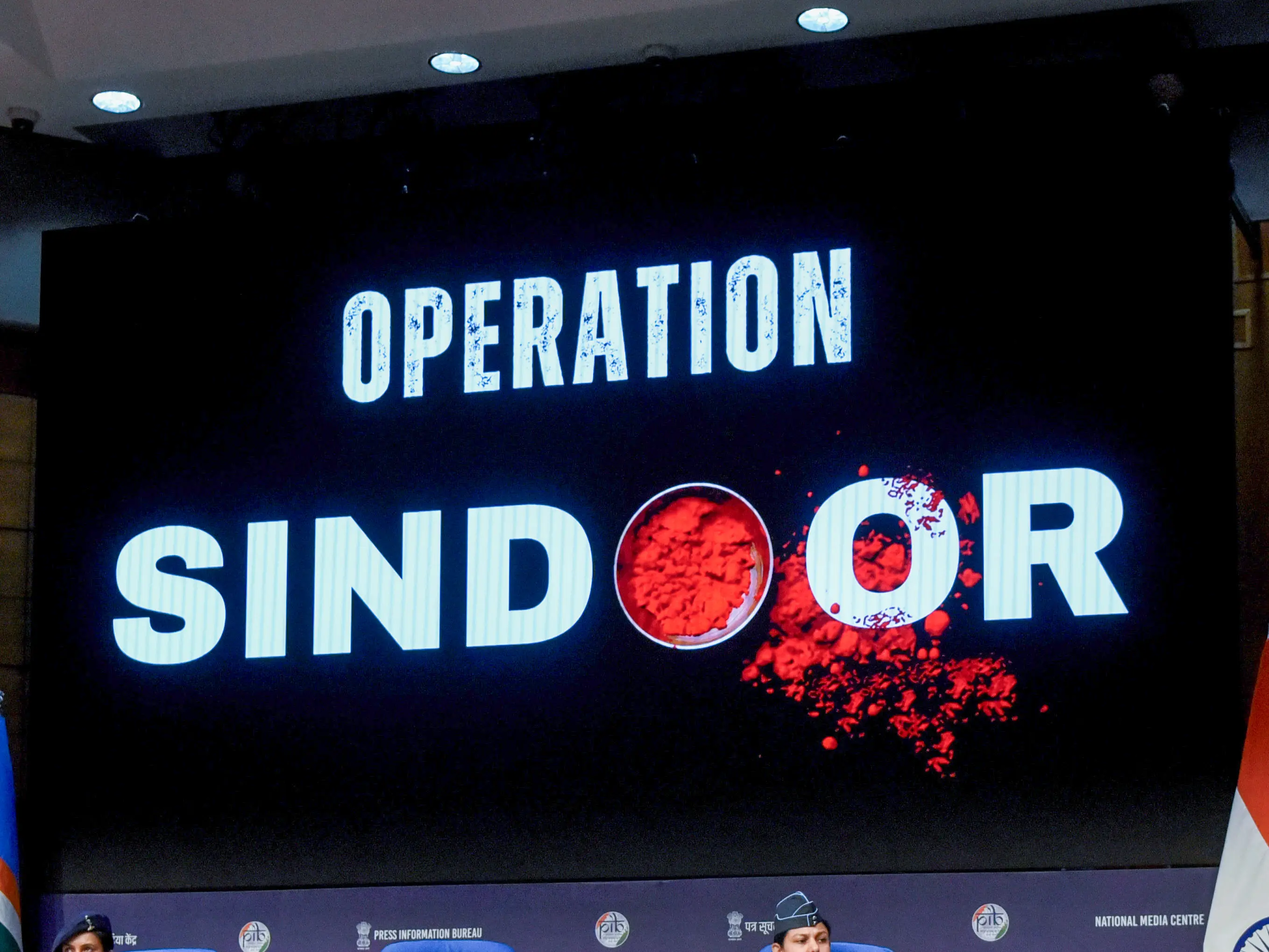)
Operation Sindoor’s hidden naval dimension | MoD reveals Indian Navy Special Forces joined May 7 strikes
)
Trump-Xi summit: US Treasury Secretary holds meeting with Chinese Vice Premier
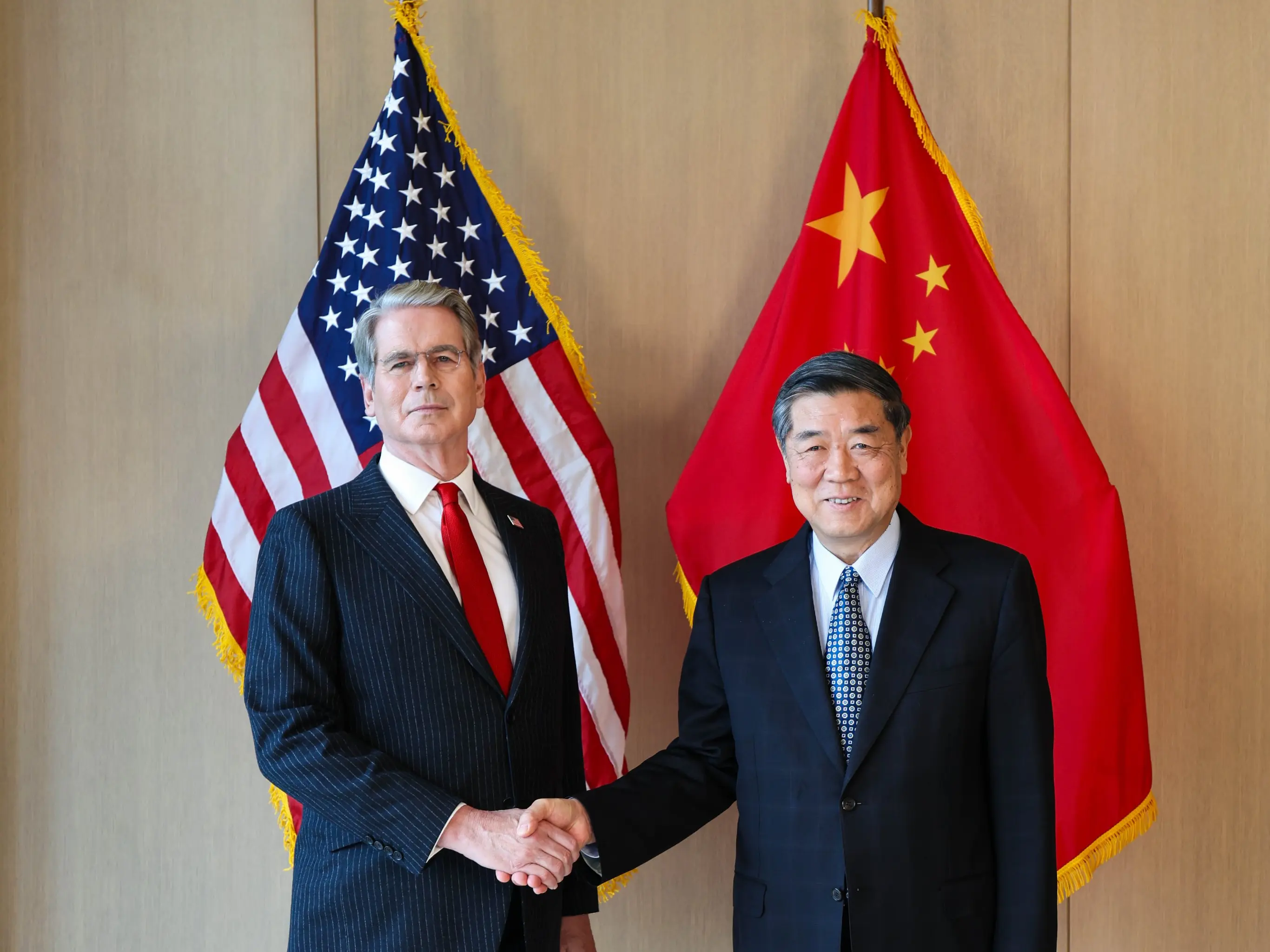)
Bessent meets China’s He Lifeng to prepare for Trump-Xi summit
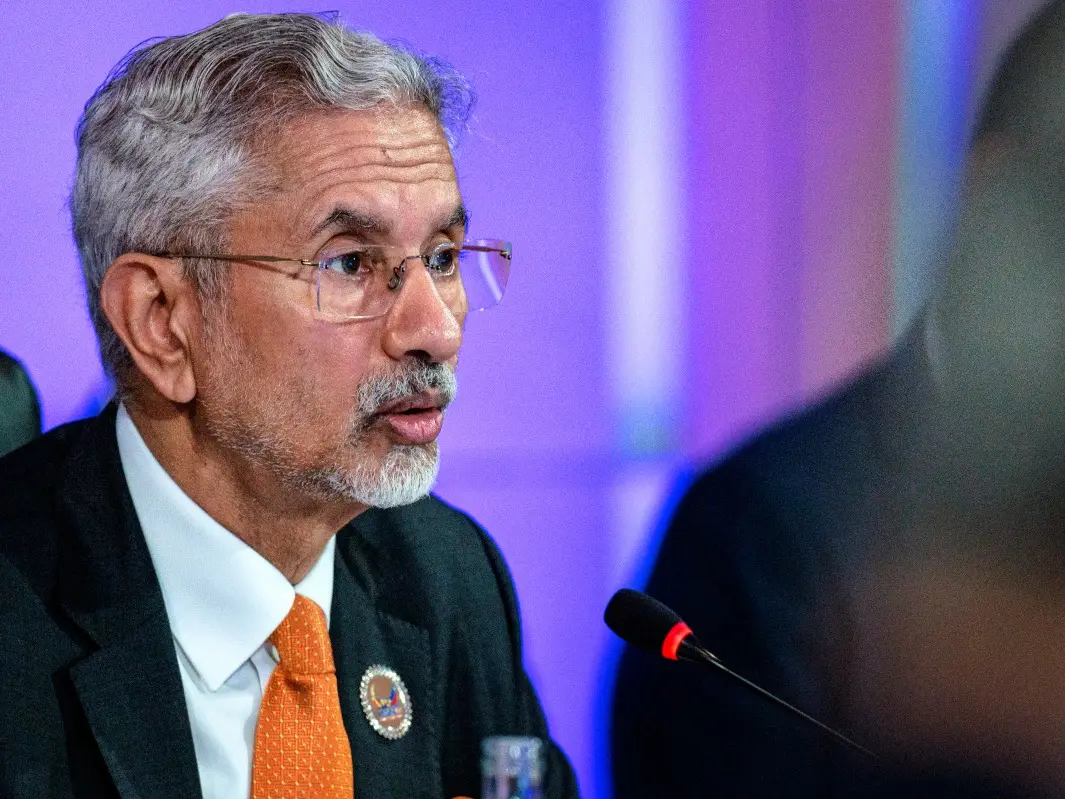)
S Jaishankar, former Army chief among high-profile names issued Delhi SIR notices
)
CDU suffers historic defeat in eastern Germany as AfD surges, Merz vows to stay on
)
Iran sets 7 conditions to end war with US: What are Tehran’s demands?
)
Arvind Kejriwal, family members, Delhi CM Rekha Gupta get SIR notices
)
AI actress Tilly Norwood glitches mid-interview, switches from English to Chinese | Watch
)
Saudi vs Houthis: Houthis claim missiles & drones used in attack on key Saudi sites
)
Ed Sheeran addresses Macklemore's removal, Gaza conflict during Philadelphia concert: 'I cannot hide how I feel'
)
Punjab man consumes poison outside DC office; Congress, BJP target AAP government
)
Saudi Arabia exits China-led mBridge digital currency platform amid Saudi-Houthi conflict
)
ICE shooting in Texas leaves man seriously injured; officials demand independent investigation and transparency
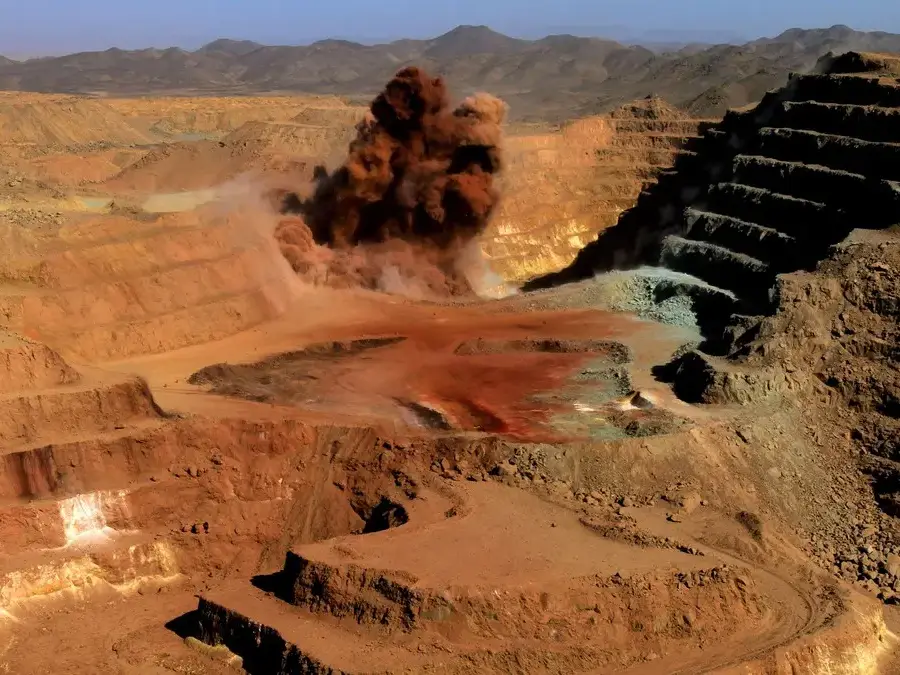)
Sudan gold mine collapse kills 11, injures 30; search under way for trapped miners
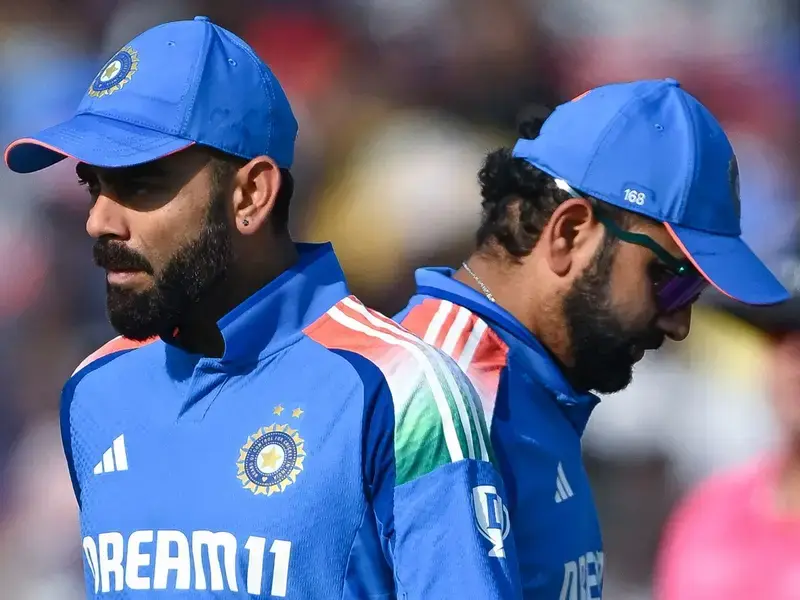)
'Lot of things to learn from experienced players': Jayasuriya backs Rohit, Virat for 2027 ODI World Cup
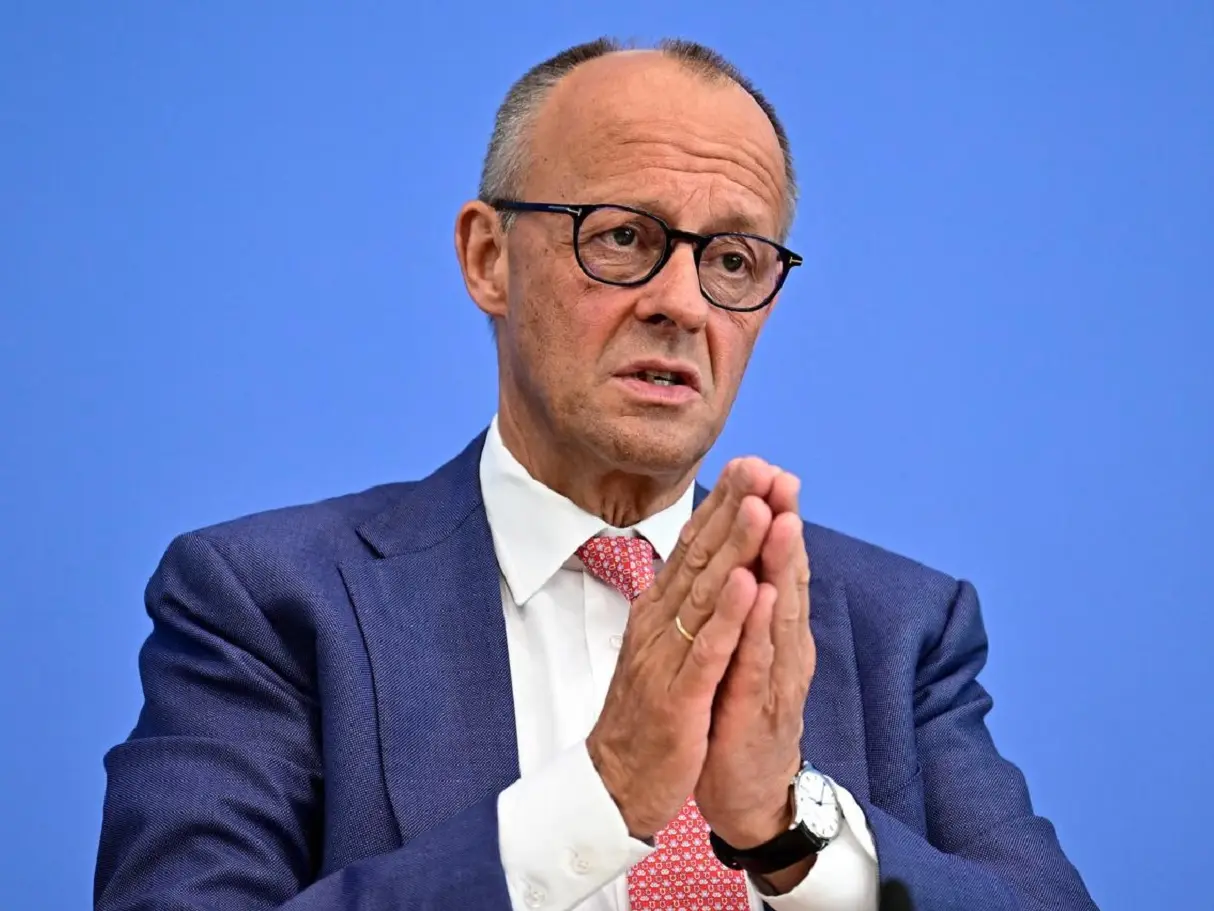)
Chancellor Friedrich Merz vows to stay on as exit polls signal major poll setback
)
North Korea's nuclear tests triggered 1,399 earthquakes: Earth is still shaking | Gravitas
)
Several petrol pumps, other businesses to refuse UPI payments above Rs 2,000 from Oct 16: Is it legal?
&im=FitAndFill=(700,400))
New OTT releases this week (September 21-27, 2026): Shaque: Trust No One, Hunkkaar, Don’t Be Shy- 5 new titles coming to Netflix, Prime Video and more
&im=FitAndFill=(700,400))
Gulshan Grover turns 70: Ram Lakhan, Gangster, Hera Pheri- Must-watch movies of the actor on OTT platforms
)
Noel Tata challenges Chandrasekaran’s reappointment as Tata Sons chairman. What happened at the board meeting
&im=FitAndFill=(700,400))
Kareena Kapoor birthday special: Inside her net worth, best movies, luxurious lifestyle and love story with Saif Ali Khan
)
China now makes advanced memory chips without the machines it was banned from buying
)
Trump in ‘deciding mode’ on Iran, says ‘very big things’ going to happen soon
)
Jailer 2: Vidya Balan joins Rajinikanth's upcoming film as Kantha | Watch
)
Microsoft executive called AI training the ‘largest theft of labour in human history’
)
Italy moves to ban face veils in schools as Meloni pushes new integration measures
The Lebanese pound has lost more than 90 per cent of its valueonthe black market, and 78 per cent of the population lives below the poverty line.
Crippling shortages offueland power cuts lasting more than 22 hours per day have left many businesses and homes without thedieselneeded to power private generators, plunging the country into darkness.
They have also caused giant queues atpetrolstations that are rationing gasoline supply, allegedly because of low stock.
Fuelimporters blame the crisisona delay by the centralbankin opening credit lines to fund imports.
Salameh denied those chargesonSaturday, accusing importers and distributors of holding backfuelto sell it at higher prices in the black market, or across the border in Syria.
"The importers are to blame," Salameh said, accusing them of squandering $820 million the lender had fronted for three months of imports.
Armydeploys
To stem hoarding, thearmyonSaturday said it was raiding closed gas stations to seize gasoline and distribute it "free of charge" to the people.
It shared pictures and video footageonits social media pages, showing soldiers workingpumpsat gas stations and filling up car tanks.
An AFP correspondent saw soldiers deployed at several gas stations north of Beirut, where hundreds of vehicles had been queueing for long hours to fill uponpetrol.
Video footage posted online showed motorists cheering as thearmyraided gas stations.
But some Lebanese remained bitter.
"Thearmy's decision is too late," said one motorist who had been waiting for hours in the simmering heat.
After thearmy's deployment, manypetrolstations across the country reopened after closing for several days.
The police also announced Saturday they would dispatch patrols to gas stations believed to be hoardingfueland confiscate it.
Political crisis
The centralbank's funding offueland other basic commodity imports has contributed to foreign reserves falling by more than 50 per cent from their pre-crisis level of more than $30 billion.
Salameh blamedLebanon's ruling class for the crisis.
"Everybody was aware... they were aware in government, parliament and the president's office" that reserves were critically low, Salameh said, accusing them of inaction.
Salameh has headed the centralbanksince 1993 and is suspected by many Lebanese of helping facilitate large transfers of money abroad by the political elite during mass protests that began in October 2019.
He is under judicial investigation inLebanon, Switzerland and France over several cases, including the diversion of public funds and illicit enrichment.
At home, many blame him for capital controls in place since 2019 that have trapped dollar savings and denied even the poorest segment of the population free access to their deposits.
But Salameh has pinned the blameonpoliticians who have failed to agreeona new government more than one year since caretaker premier Hassan Diab resigned in the wake of a monster explosion at the Beirut port.
International donors who have pledged millions in humanitarian aid toLebanonhaveconditioned assistanceonthe formation of a new government that can spearhead reforms and resume negotiations with the International Monetary Fund.