
&imwidth=800&imheight=600&format=webp&quality=medium "Several Indian states ban analogue paneer: Experts explain what it is and the health risks | WION Decodes")
Several Indian states have banned the production, storage, transportation, distribution, and sale of analogue paneer to protect public health and curb consumer deception. Chhattisgarh became the first state to take the necessary step, followed by Maharashtra and Gujarat. Following a high-level meeting led by Chhattisgarh Health Minister Shyam Bihari Jaiswal, the health department on Aug 1 ordered an immediate ban on the manufacture, sale, and use of analogue paneer, cream, and butter across all markets, hotels, and dhabas. The ban is set for one year or until final FSSAI guidelines are rolled out. On Aug 5, Maharashtra announced a strict one-year prohibition on the manufacturing, processing, storage, distribution, and retail sale of analogue paneer. On Aug 5, Gujarat Health Minister Praful Pansheriya also announced a comprehensive statewide ban covering analogue paneer, analogue cheese, and analogue butter.
Also Read: India's food safety crisis: How contaminated and ultra-processed foods threaten public health
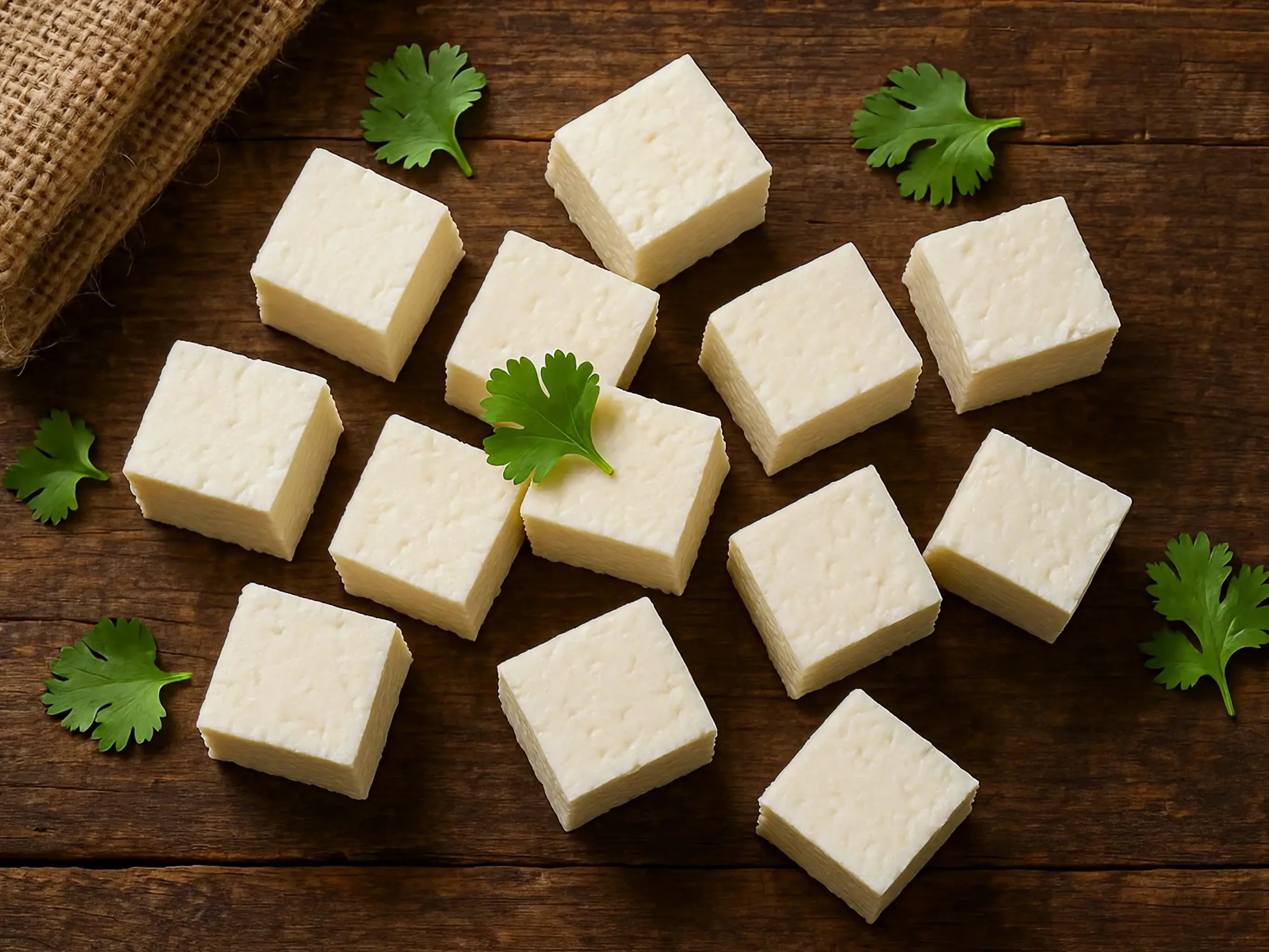
What is ‘analogue’ paneer?

Analogue paneer is a synthetic, non-dairy substitute engineered to look, feel, and taste exactly like real milk paneer. Instead of using pure milk fat and milk solids, manufacturers create it by blending cheap vegetable fats (such as palm oil or hydrogenated oil) with skimmed milk powder, starch, emulsifiers, and stabilizing chemicals.
Dietician Namrata Shergill Sahni, who works as a consultant with children's hospitals in Madhya Pradesh's Bhopal, said that this is a cost effective alternative as real paneer requires about 5 to 6 litres of milk to produce just one kilogram. Analogue paneer can be manufactured at a fraction of that cost. "Fresh paneer is made by curdling milk with lemon juice or vinegar. Analogue paneer is prepared by combining ingredients like palm oil or cheap vegetable fats and food additives. The texture, look and taste may feel the same but it is an unhealthy and cheaper substitute with zero nutritional value."
Also Read: 7 dishes named after Pakistani terror targets on Indian Air Forces' 93rd anniversary celebrations
Trending Stories
)
Trump says Russia has ‘lost control’ of its diesel industry, calls for end to ‘ridiculous, never-ending’ war
)
Putin's United Russia party wins 355 seats in Duma election; 4 other parties cross threshold to enter parliament
)
Delhi Air pollution: Strict crackdown on waste burning
)
‘0% chance’: Nvidia CEO Jensen Huang dismisses AI extinction fears by 2030
)
Samay Raina-Mukesh Chhabra controversy explained: What happened over girlfriend joke on India's Got Latent?
)
Trump's helipad event overshadowed by audio failure as major TV networks suspend pool coverage
)
Russia-Ukraine war: Russian strikes knock out three of Ukraine's largest steel plants
)
Four decades after leaving Kolkata, the Birlas may be coming back for more
)
Glitch in the matrix caught on camera: Woman vanishes after talking to reporter
)
IIT Bombay tensions ease after three-hour open house; director’s assurances pacify students
)
Samsung raises Galaxy S26 prices by Rs 20,000: Here’s what each model now costs
)
J&K Assembly Session begins amid chaos: BJP, ruling alliance clash as statehood demand dominates
)
Bessent meets China’s He Lifeng to prepare for Trump-Xi summit
)
8,000 bees worth over $20,000 stolen from hives in Queensland
)
US and China vie for AI dominance as calls grow for regulation | Gravitas
)
FIFA chief Infantino wants to reform governing body with consultation from federations
)
The Verdict | The Mecca Agreement is under scrutiny as Houthis attack Saudis
)
Saudi Arabia exits China-led mBridge digital currency platform amid Saudi-Houthi conflict
)
'Lot of things to learn from experienced players': Jayasuriya backs Rohit, Virat for 2027 ODI World Cup
)
Taylor Swift has a 'proud wife' moment as Travis Kelce scores first touchdown of season: 'That’s my husband!'
)
North Korea's nuclear tests triggered 1,399 earthquakes: Earth is still shaking | Gravitas
)
Mahabharat actor Saurav Gurjar arrested in Hyderabad, sent to 14-day judicial custody in sexual exploitation case
&im=FitAndFill=(700,400))
New OTT releases this week (September 21-27, 2026): Shaque: Trust No One, Hunkkaar, Don’t Be Shy- 5 new titles coming to Netflix, Prime Video and more
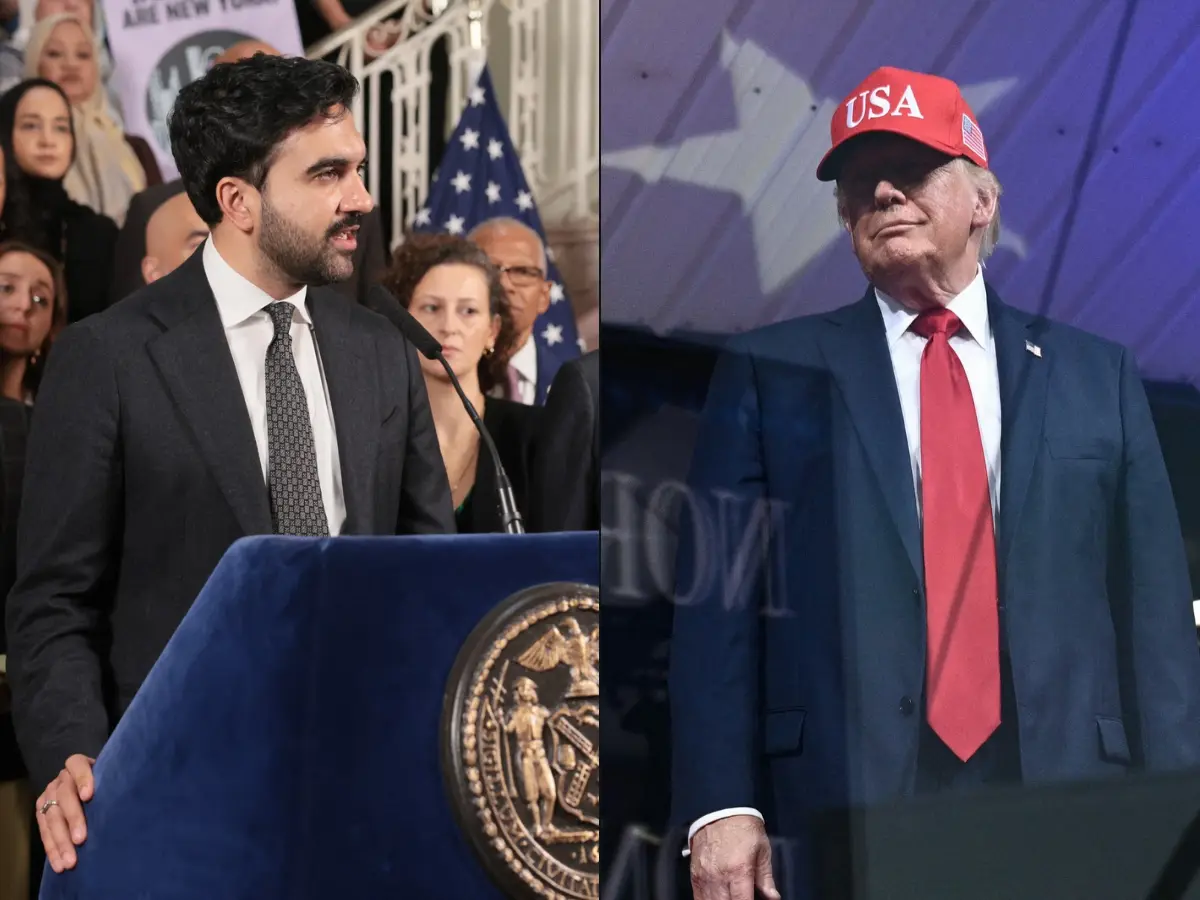)
From ‘communist’ to ‘great mayor’: Trump praises Mamdani after New York meeting, discusses immigration and housing
)
WATCH | Mysterious lights over Tehran caught on video. Drone, aircraft or something else?
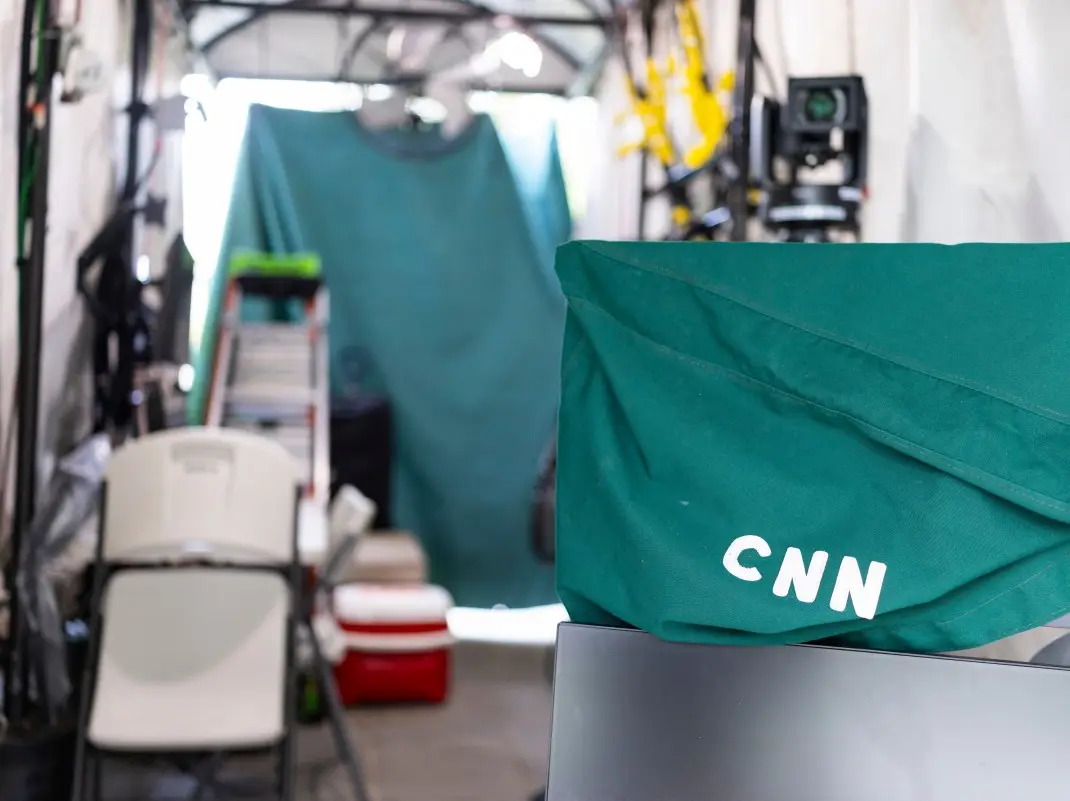)
White House TV pool halts Trump coverage after CNN barred from UNGA events
)
Iranian airlines to shut worldwide on Sept 23, Bessent warns of US banking ban
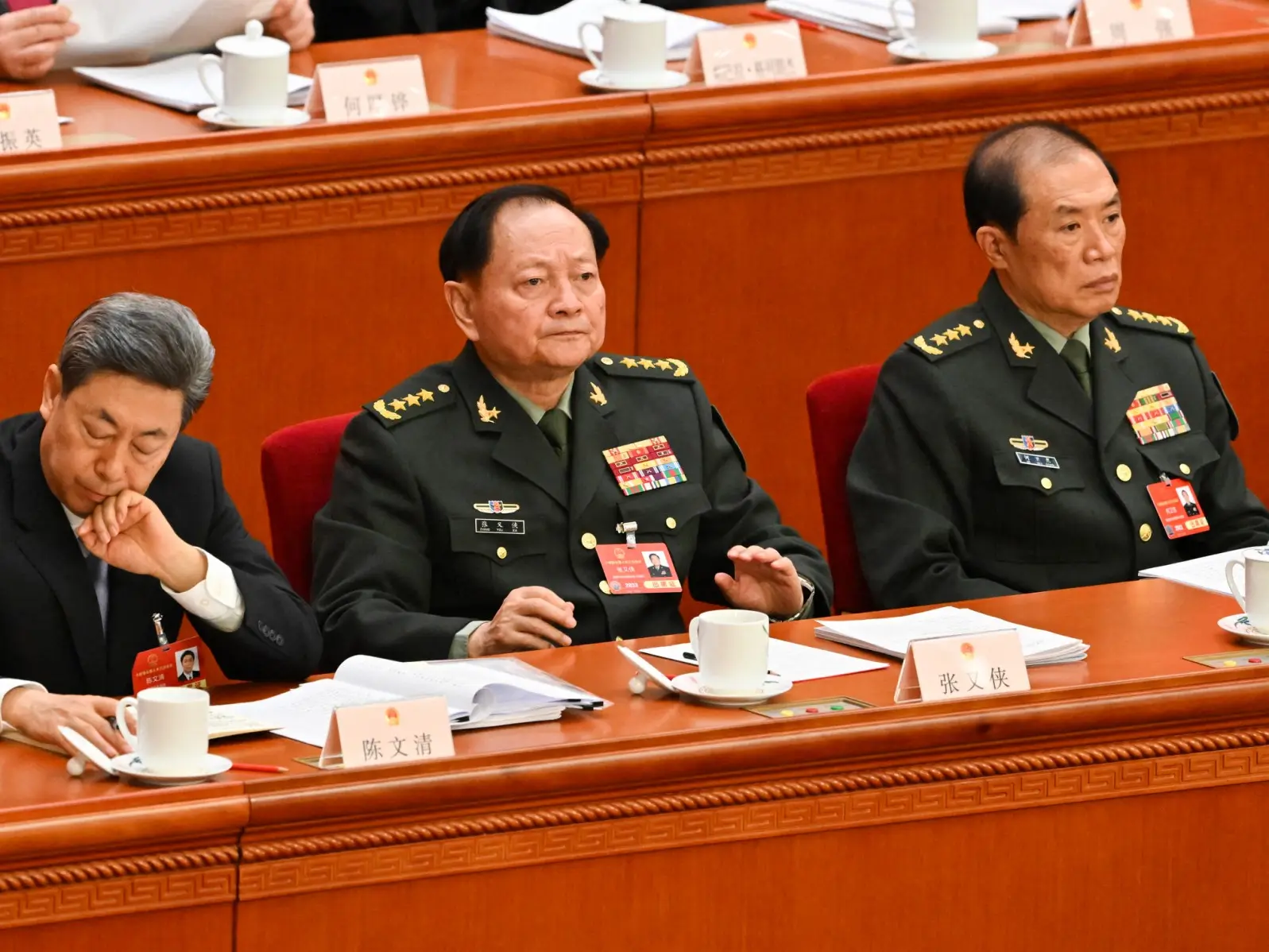)
China expels top generals Zhang Youxia, Liu Zhenli over ‘disloyalty’, corruption
)
Pilot recreates Mona Lisa in sky over Oklahoma and Arkansas in four-hour flight: VIDEO
)
UK PM Burnham agrees to 'defensive' military support for Saudi Arabia against Houthis
)
Jailer 2: Vidya Balan joins Rajinikanth's upcoming film as Kantha | Watch
)
Microsoft executive called AI training the ‘largest theft of labour in human history’
)
40-foot waves crash into cruise ship in dangerous stretch near Antarctica. Watch
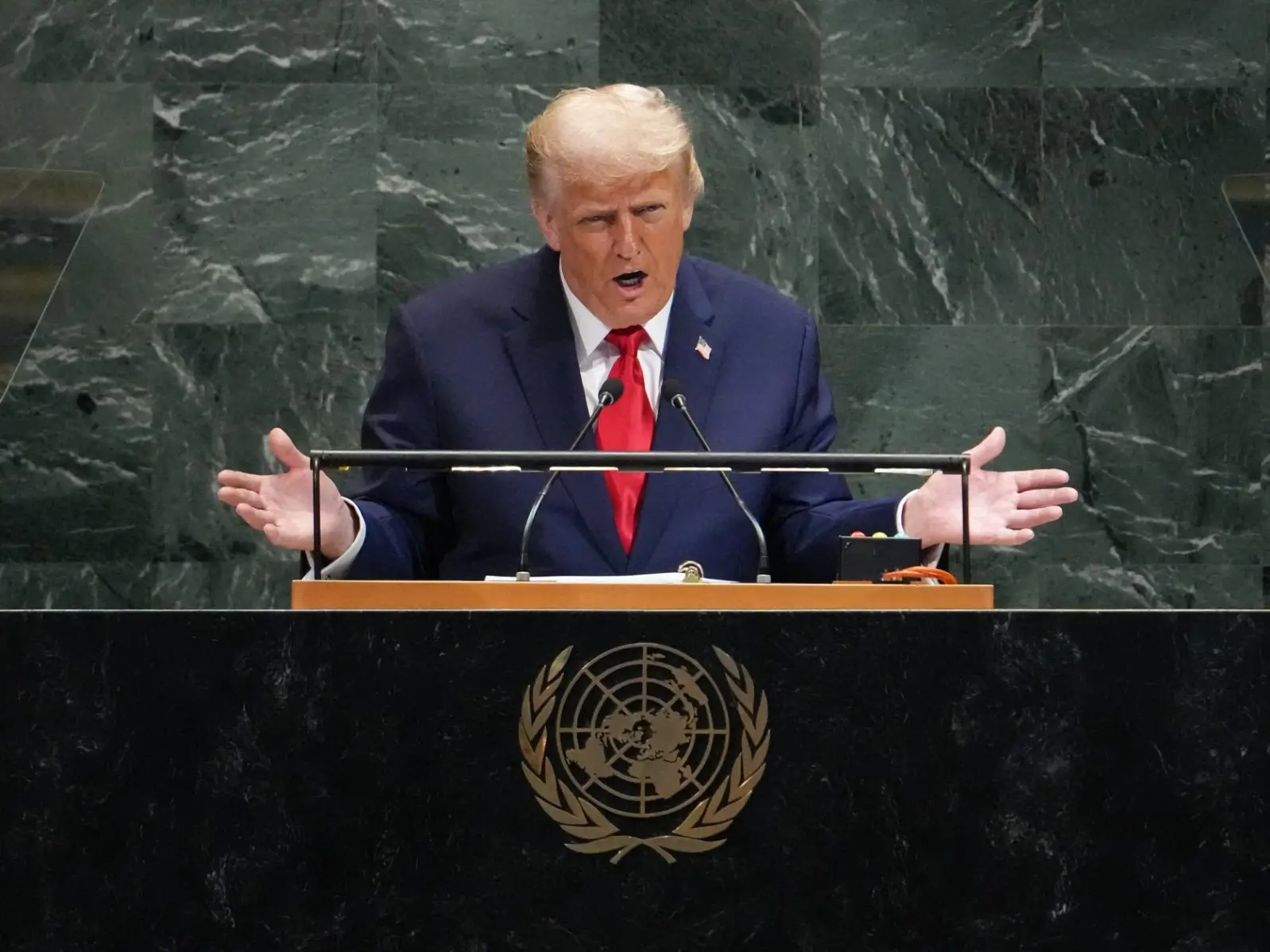)
US-Iran war, peace deals and more: What to expect from Trump's UNGA 2026 speech
)
Explainer: Why rare-earth export licences and Board of Trade are US priorities ahead of Trump-Xi summit
)
BTS fans mock iHeartRadio’s day 2 turnout after short set controversy
)
The Scandal: Why so scandalous? Ji Chang Wook leaves you gasping for air
According to Zamurrud Patel, chief dietitian at Gleneagles Hospital in Parel (south-central Mumbai), “Many aren't aware that analogue paneer is made by using vegetable oils, starch, emulsifiers and additives.” Patel cautions using analogue/fake paneer for your subzi or a salad “as it is not made out of pure milk.” He said that it can lead to a higher intake of unhealthy fats, sodium and processed ingredients, which can negatively impact your well-being.

