
&imwidth=800&imheight=600&format=webp&quality=medium "Key conference on Climate Change Resilient Infrastructure opens in Nice, France")
A key international conference on climate change-resilient infrastructure opened on Friday in Nice, drawing leaders, policymakers, and climate experts to confront the escalating threat of disasters fuelled by a warming planet.
International Conference on Disaster Resilient Infrastructure (ICDRI) as it is known, will see video messages by PM Modi, leaders of Antigua & Barbuda, Nauru & Guyana and will focus on coastal resilience and the needs of Small Island Developing States (SIDS). Remember, 37% of the global population lives near coasts, 90% of goods are transported by sea, and coastal communities contribute $3 trillion to global GDP by 2030.
Director General, Coalition for Disaster Resilient Infrastructure (CDRI), Amit Prothi, speaking to WION said, "India has been the leader in this coalition, we have 54 members, the African Union has joined us yesterday. It is important to me to make a difference in the world, & how our infrastructure can be more resilient".

The conference, which takes place at Nautilus Auditorium, La Baleine, Palais Des Expos De Nice, aims to strengthen global dialogue and collaboration on disaster and climate-resilient infrastructure. The gathering brings together governments, organisations, infrastructure stakeholders, and experts to discuss challenges, share best practices, and foster partnerships for resilient infrastructure as climate change events become increasingly common.
It is being organised by the Coalition for Disaster Resilient Infrastructure (CDRI), a global, multi-stakeholder partnership launched by Indian Prime Minister Narendra Modi at the UN Climate Action Summit on September 23, 2019, in New York. Headquartered in New Delhi, India, CDRI aims to promote the resilience of new and existing infrastructure systems against climate and disaster risks.
The idea of the coalition came to PM Modi after the 2001 Bhuj earthquake, when he was the chief minister of his home state Gujarat. The overall objective of the international platform aligns with the Sustainable Development Goals (SDGs), the Paris Climate Agreement, and the Sendai Framework for Disaster Risk Reduction.
It is the second major global initiative led by India, following the International Solar Alliance. The organisation has 46 members, which include 39 member countries and 6 6 multilateral organisations, including the Asian Development Bank, World Bank, UNDP.
Trending Stories
)
Trump administration refunds $100 billion in tariffs after Supreme Court ruling
)
The Royals enter the Doctor Who universe: King Charles and Queen Camilla beam into Commonwealth Games in TARDIS
)
'I was almost trafficked in Paris,' says Australian woman, shares terrifying ordeal - 'I am on the black market'
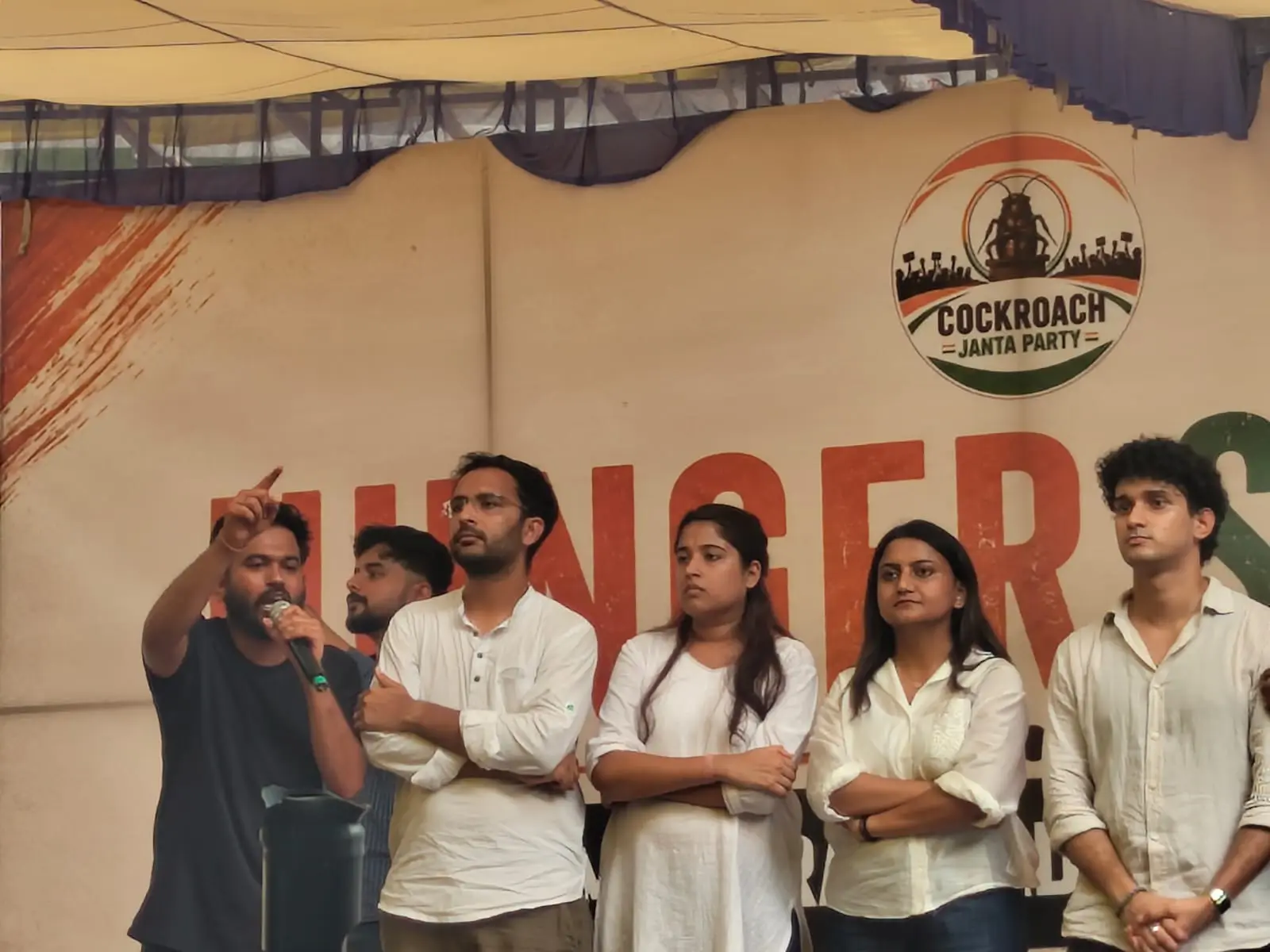)
After NEET protests, CJP holds crucial strategy meet in Maharashtra to chart national expansion
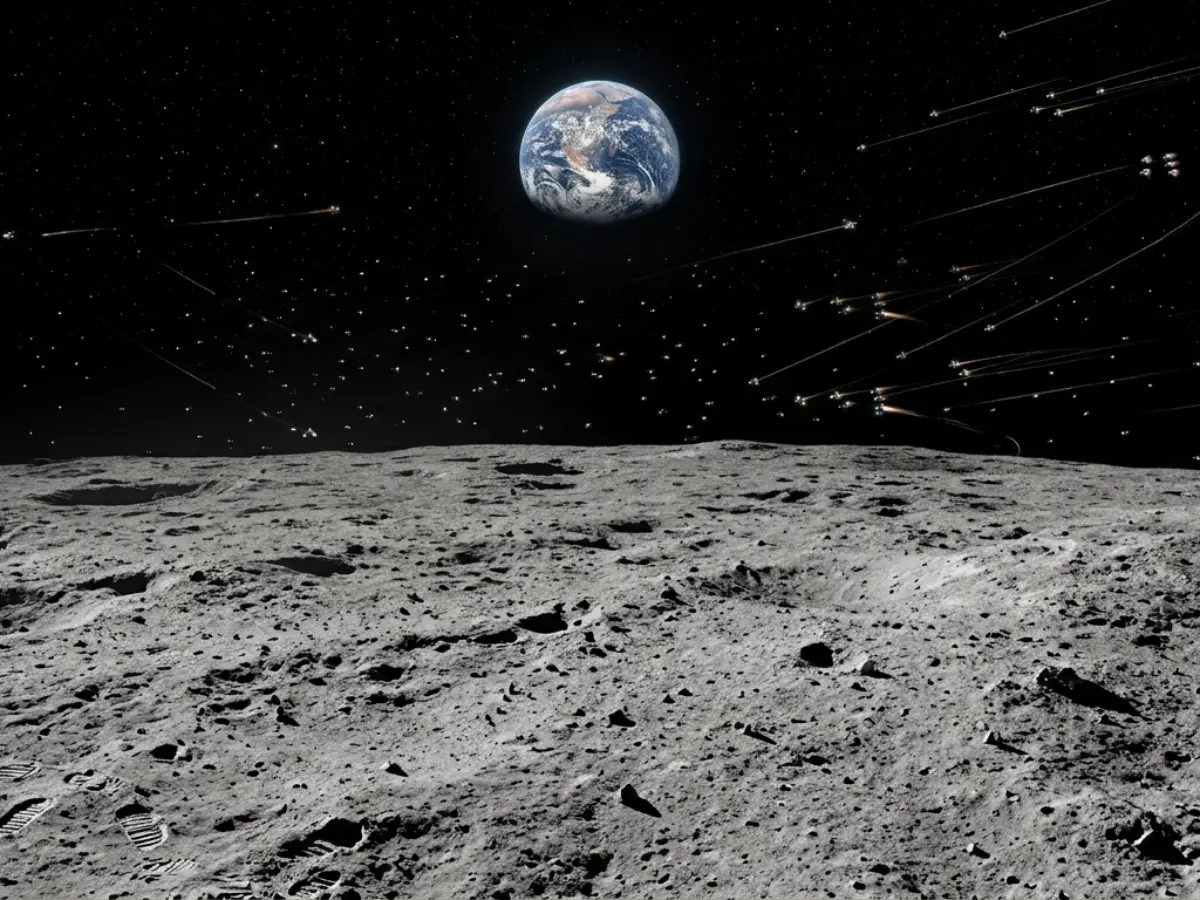)
Ukrainian astronomers see gargantuan objects dashing at 39,600 kmph on the Moon - 'They can reach Earth in 20 minutes'
)
India avoids higher US tariff, secures lower 10% rate. Here's how
)
'Affront to our sovereignty': Bangladesh slams India over Sheikh Hasina's Delhi press conference
)
Lightning bolt strikes football field in Thailand, killing a player during a match
)
Mark Zuckerberg apologises to Indian government over harmful content, platform errors amid PM video row
)
Sajeeb Wazed raises Indian security concerns, calls Bangladesh a 'failed state'
&im=FitAndFill=(700,400))
New OTT releases this week (August 3-9, 2026): Main Vaapas Aaunga, Uyir, Operation Safed Sagar- 6 titles coming on Netflix, Prime Video and more
&im=FitAndFill=(700,400))
Who is Shreya Kalra? Meet the social media star who lifted the Lock Upp 2 trophy
)
Planning to study or work in the US? One missing document could now cost Indians their US visa or green card
)
The genetic roots of Tamils: 75,000 DNA markers decoded in latest study of Sangam-era settlement
)
Squadron Leader Bhawana Kanth scripts history as Indian Air Force gets its first woman ‘Top Gun’ pilot
)
UP gangster Atiq Ahmed's son, on way to meet jailed brother, killed in road accident in Jhansi
)
'I would like to support...': Sonam Wangchuk reveals if he will join Jharkhand student protesters in Ranchi
)
Several Indian states ban analogue paneer: Experts explain what it is and the health risks | WION Decodes
)
Trump says Iranian school bombing photos could be AI-generated - 'I don’t think...'
)
'Dhoni Made Fleming Great': Panesar says ECB made the wrong choice for England Test coach
)
Ex top Pakistan official blames economic woes on China: Here's how CPEC became a failure
)
‘Pakistan called for ceasefire, we kept them waiting’: Ex-CDS Anil Chauhan recalls Operation Sindoor
)
Munir-protege Mohsin Naqvi’s claim of unearthing huge scam triggers tremors in Pakistan’s power corridors
)
What’s happening in Nepal? How did a local clash turn into communal violence? WION Decodes
&im=FitAndFill=(700,400))
From Jos Buttler to Kieron Pollard, 5 highest run-scorers in T20 cricket
)
Strait of Hormuz deal with Oman being ‘finalised’: Iran’s foreign ministry
)
CJP's Saurav Das alleges YouTubers broke into his house, seeks Delhi Police action
&im=FitAndFill=(700,400))
Why Russian tanks are much lighter compared to US tanks
)
India deploys joint outbreak response team as Chandipura virus spreads in Gujarat, Rajasthan
Key initiatives of the coalition include Infrastructure for Resilient Island States (IRIS) lunched at COP26 (2021) by India, Australia, Fiji, Jamaica, Mauritius, and the UK, Urban Infrastructure Resilience Programme (UIRP), Infrastructure Resilience Accelerator Fund (IRAF), Global Infrastructure Risk Model and Resilience Index among others.

