Judge throws out 9/11 attack mastermind Khalid Sheikh Mohammed's FBI confession over torture concerns

&imwidth=600&imheight=450&format=webp&quality=medium "Judge throws out 9/11 attack mastermind Khalid Sheikh Mohammed's FBI confession over torture concerns")
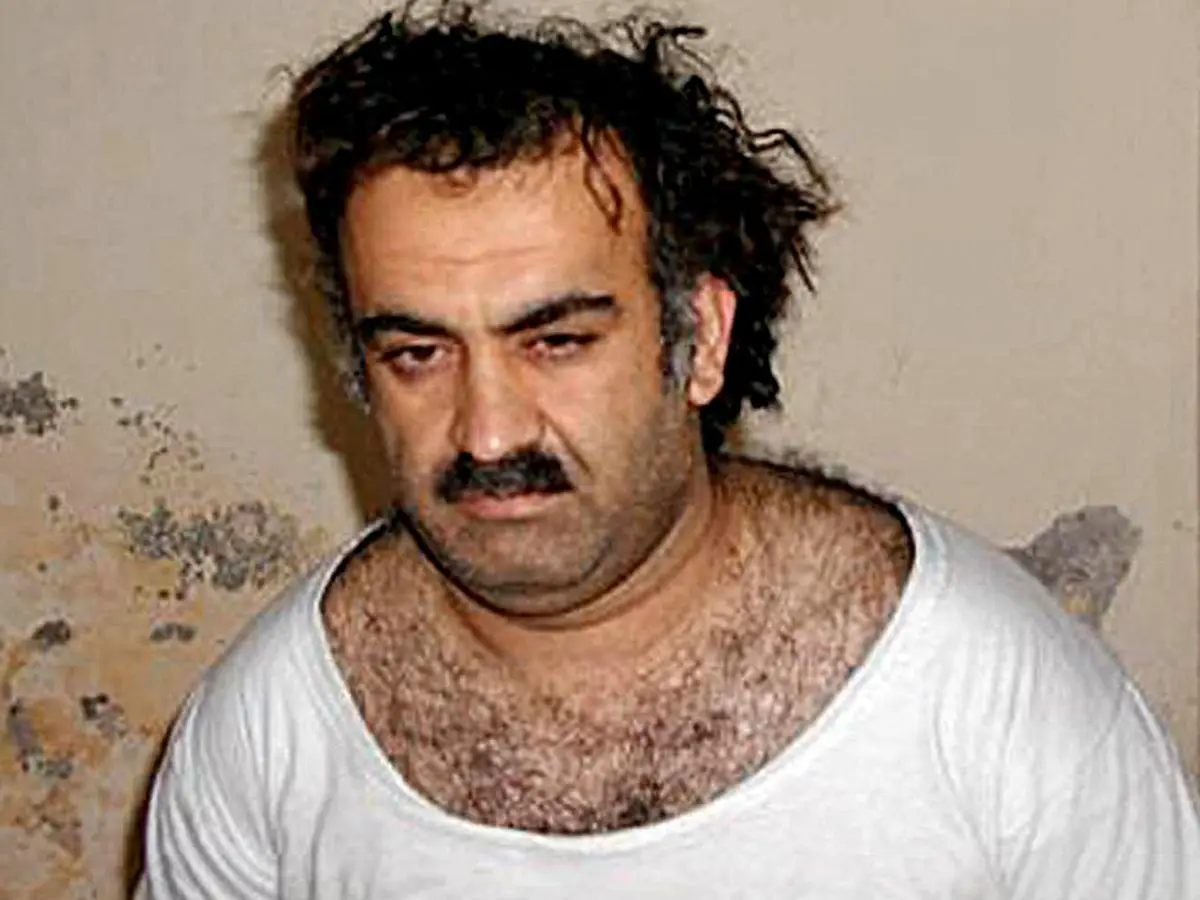
Khalid Sheikh Mohammed's 2007 confession suppressed as Guantanamo trial hits new snag Photograph: (AFP)
A key piece of evidence in the long-delayed 9/11 case has been thrown out. A Guantanamo judge ruled that statements Khalid Sheikh Mohammed gave to FBI agents were not made voluntarily, dealing another setback to the prosecution.
A military judge on Friday (Aug 18) threw out a confession that alleged September 11 mastermind Khalid Sheikh Mohammed gave to FBI agents nearly 20 years ago, ruling that the statements were not made voluntarily.
The decision is another setback for the US government's long-running effort to bring Mohammed and his co-defendants to trial at Guantanamo Bay, Cuba.
Judge Lt. Col. Michael Schrama issued the ruling just days after setting June 2028 as the trial date for Mohammed and three other defendants.
FBI statements suppressed
According to the court order, which had not been publicly released, Schrama suppressed statements Mohammed made during a four-day FBI interrogation at Guantanamo in January 2007.
The judge found that Mohammed's earlier treatment by the CIA had affected whether those later statements could be considered voluntary.
Trending Stories
&imwidth=280&imheight=210&format=webp&quality=medium)
&imwidth=280&imheight=210&format=webp&quality=medium)
&imwidth=280&imheight=210&format=webp&quality=medium)
&imwidth=280&imheight=210&format=webp&quality=medium)
&imwidth=280&imheight=210&format=webp&quality=medium)
&imwidth=280&imheight=210&format=webp&quality=medium)
&imwidth=280&imheight=210&format=webp&quality=medium)
&imwidth=280&imheight=210&format=webp&quality=medium)
&imwidth=280&imheight=210&format=webp&quality=medium)
&imwidth=280&imheight=210&format=webp&quality=medium)
&im=FitAndFill=(700,400)&imwidth=280&imheight=210&format=webp&quality=medium)
&imwidth=280&imheight=210&format=webp&quality=medium)
&imwidth=280&imheight=210&format=webp&quality=medium)
&imwidth=280&imheight=210&format=webp&quality=medium)
&imwidth=280&imheight=210&format=webp&quality=medium)
&imwidth=280&imheight=210&format=webp&quality=medium)
&imwidth=280&imheight=210&format=webp&quality=medium)
&imwidth=280&imheight=210&format=webp&quality=medium)
&im=FitAndFill=(700,400)&imwidth=280&imheight=210&format=webp&quality=medium)
&imwidth=280&imheight=210&format=webp&quality=medium)
&imwidth=280&imheight=210&format=webp&quality=medium)
&imwidth=280&imheight=210&format=webp&quality=medium)
&imwidth=280&imheight=210&format=webp&quality=medium)
&imwidth=280&imheight=210&format=webp&quality=medium)
&imwidth=280&imheight=210&format=webp&quality=medium)
&imwidth=280&imheight=210&format=webp&quality=medium)
&imwidth=280&imheight=210&format=webp&quality=medium)
&imwidth=280&imheight=210&format=webp&quality=medium)
&imwidth=280&imheight=210&format=webp&quality=medium)
&imwidth=280&imheight=210&format=webp&quality=medium)
&imwidth=280&imheight=210&format=webp&quality=medium)
&imwidth=280&imheight=210&format=webp&quality=medium)
&imwidth=280&imheight=210&format=webp&quality=medium)
&imwidth=280&imheight=210&format=webp&quality=medium)
Also read | 9/11 mastermind Khalid Sheikh Mohammed to finally face trial in 2028, nearly 27 years after horrific attacks
Mohammed had been captured in 2003 and held in secret CIA facilities, where he was subjected to waterboarding and other interrogation techniques widely regarded as torture.
Schrama found that the CIA's treatment had left Mohammed fearing that he would face severe mistreatment if he did not cooperate with interrogators. The judge also found that Mohammed had not been given a Miranda warning about his right to remain silent and had been told he could not speak to a lawyer.
Prosecutors consider appeal
The ruling could significantly affect the government's case, given the importance of Mohammed's statements to the prosecution.
Rear Adm. Aaron C. Rugh, the prosecutor handling the case, told The New York Times that the government would decide "in the near future" whether to appeal the ruling.
The decision has also prompted a sharp disagreement from one of the FBI agents who questioned Mohammed. Retired FBI agent Frank Pellegrino told CBS News that he believed Mohammed had confessed voluntarily. Pellegrino said he had made it clear that Mohammed did not have to speak to him. "Now, whether that fits within what is required legally, based on other activities, a court's got to decide that," Pellegrino said.
Trial already delayed for years
Mohammed is accused of developing the plan to hijack commercial aircraft and use them in the September 11 attacks on the Pentagon and World Trade Center. He has been held at Guantanamo Bay along with other defendants while the case has been entangled in arguments over evidence, interrogation practices, and the military commission system.
Schrama scheduled the trial for June 5, 2028, earlier this week. The latest ruling means another major evidentiary issue will now have to be dealt with before proceedings can begin.
Death penalty remains possible
Mohammed could face the death penalty if convicted. He and two other defendants agreed to plea deals in 2024 that would have allowed them to avoid capital punishment. Those agreements were later rejected after then-Defense Secretary Lloyd Austin overruled them, and an appeals court subsequently overturned the plea arrangements.

