Japan to expand state of emergency as COVID-19 shadows Olympics

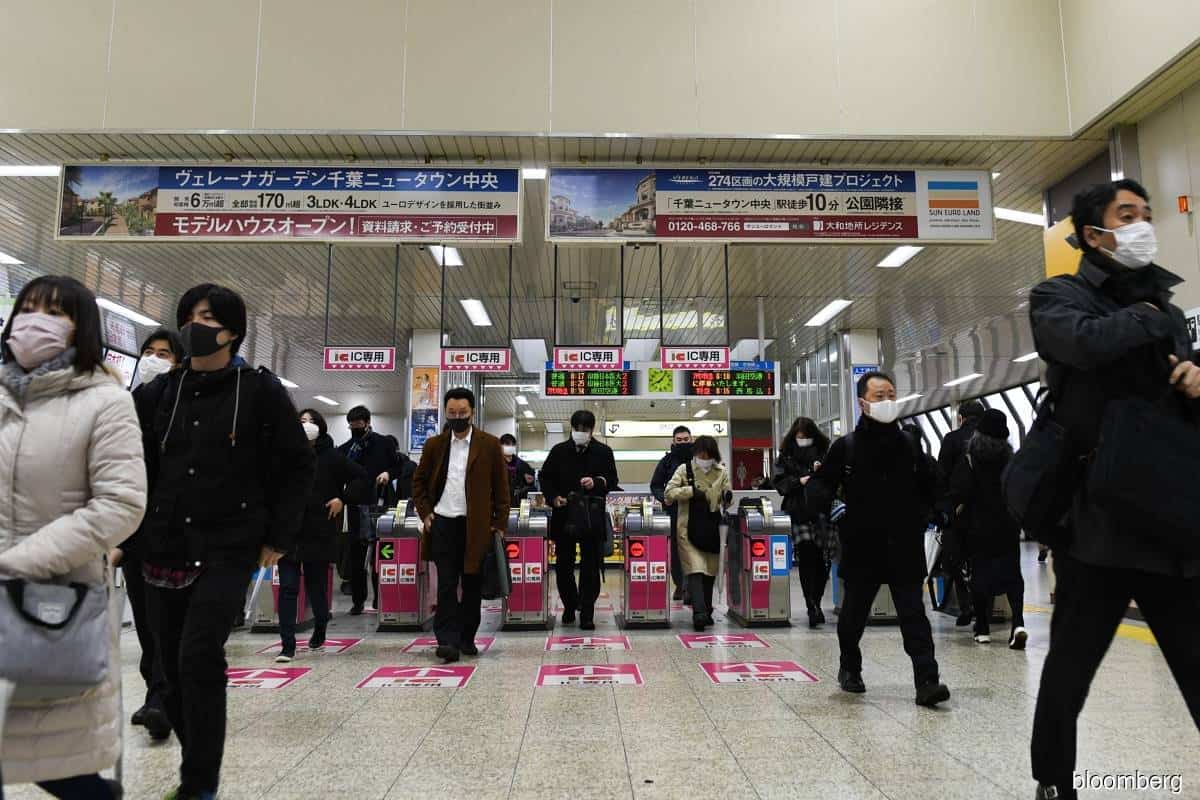
Coronavirus in Japan
Japan's government on Friday proposedstates ofemergencythrough August31 in three prefectures near Olympic host Tokyo and the western prefecture of Osaka, asCOVID-19cases spike to records, overshadowing the Summer Games.
Existingstates ofemergencyfor Tokyo - its fourth since the pandemic began - and southern Okinawa island should also be extended to Aug. 31, Economy Minister Yasutoshi Nishimura, who is spearheadingJapan's pandemic response, told a panel of experts in announcing the proposed expansion.
Prime Minister Yoshihide Suga is expected to formally announce the move later on Friday after the experts approved it.

Japanhas avoided a devastatingCOVID-19outbreak, but is now struggling to contain the highly transmissible Delta variant, with daily cases nationwide topping 10,000 for the first time on Thursday, media reported.
Japanhas imposed a series of "stateofemergency" declarations, but the orders are mostly voluntary, unlike other countries which impose strict lockdowns.
Many people have grown weary of the stay-home requests, with some bars refusing to adhere to service restrictions, andJapan's vaccination rollout lags.
)
Asian Games 2026: India face Afghanistan in quarterfinal on Sep 28; Pakistan clash with Hong Kong
)
Myanmar training camp case: US national, 6 Ukrainians allowed to meet their families abroad
)
Bigg Boss 20: Salman Khan schools Rhiti Tiwari over Qazi Touqeer clash, compares her to Dolly Bindra
)
Mushtaq Khan dies at 56: When Welcome actor opened up about his salary for iconic role Ballu
)
LPU students go on rampage, vandalise campus amid widespread protest: What's happening
)
'FIRST LOOK from inside Noah’s Ark': Researchers share video from inside mysterious mound in Turkey
)
‘Attack on Mecca a red line for Pakistan’: Shehbaz Sharif warns Houthis at UN
)
Pakistan deploys over 20,000 security personnel as PTI vows march for Imran Khan's release
)
OpenAI AI Agents hacked 4 websites before Hugging Face, researchers reveal
)
'A terrorist country is asking me that question?': Jaishankar hits back at Pakistani journalist at UN; flags attacks on commercial shipping
)
Trump-Xi summit wrap: Big pageantry, Iran talks, few major developments and more meetings planned
)
Did Hitler kill his niece Geli Raubal? Newly found records reopen a 95-year-old mystery
)
Hawaii braces for Hurricane Nolo: NOAA warns of flash flooding and mudslides
)
'What kind of confession is this?': Pakistan PM Shehbaz Sharif’s 'terrorists would be roaming New York' remark goes viral, raises alarm online. Watch
)
US-Iran war: Trump rejects Iran's Hormuz proposal, reports suggest talks expected next week
)
Bollywood x K-pop crossover! LE SSERAFIM’s Kazuha charms fans with Shah Rukh Khan’s ‘Chammak Challo’ steps
)
Gaza's war turned environmental damage into second crisis
)
‘Serial practitioner of terrorism’: Jaishankar calls out Pakistan’s ‘state-sponsored’ terror at UNGA
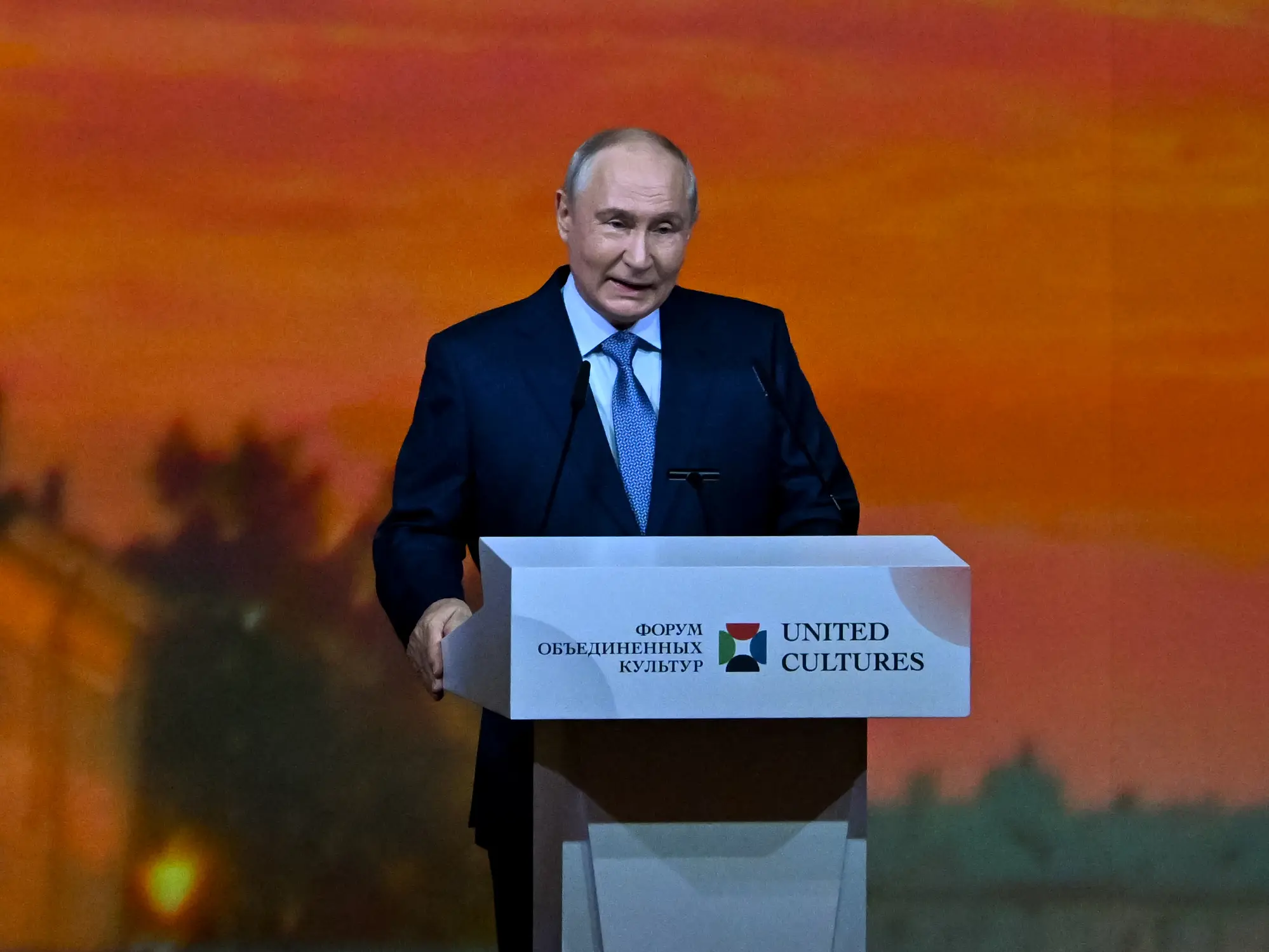)
‘It is all possible’: Putin weighs next steps on Ukraine talks, rules out Europe conflict
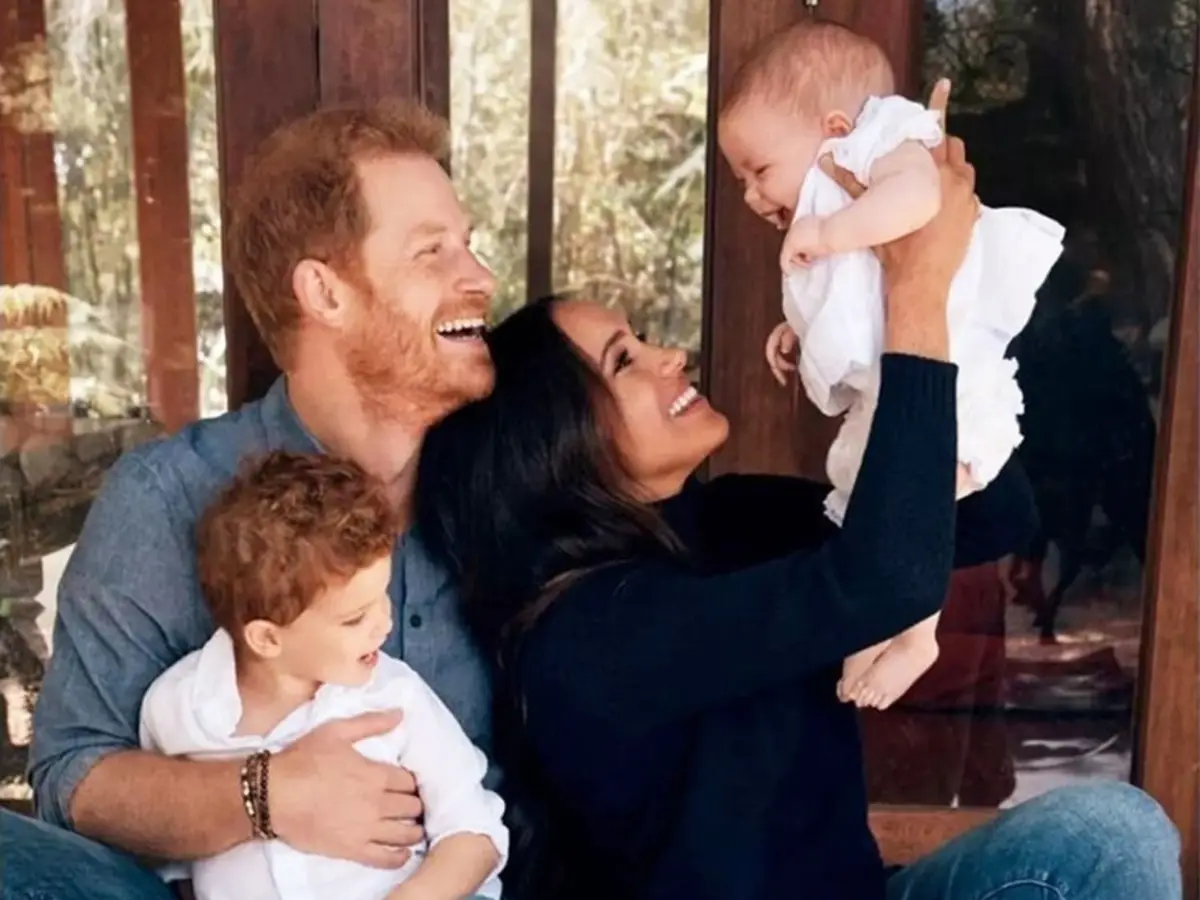)
Prince Harry offers rare glimpse into Archie and Lilibet’s life after UK move
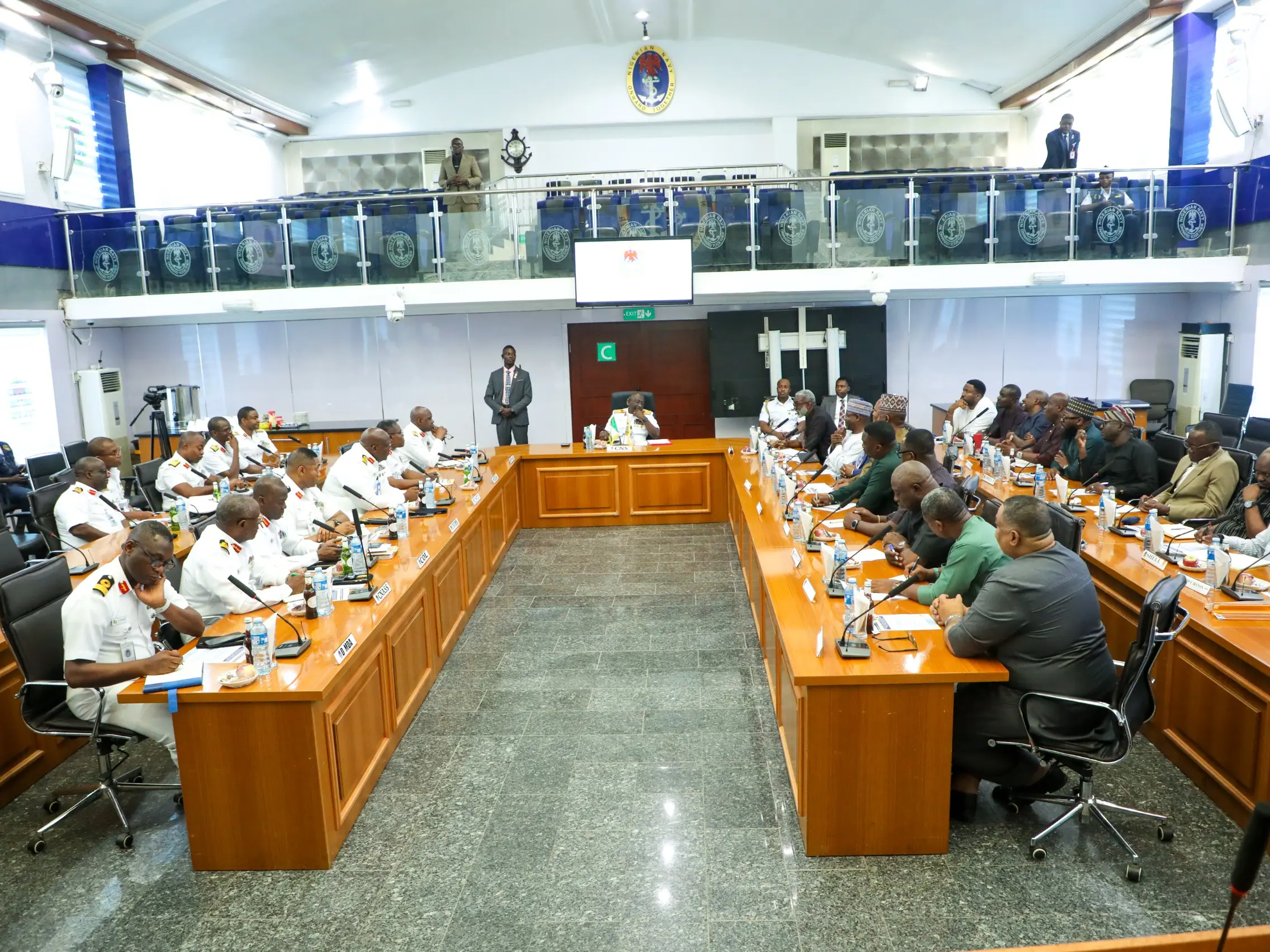)
Nigeria Navy moves to boost oil security, tackle crude theft and infrastructure threats
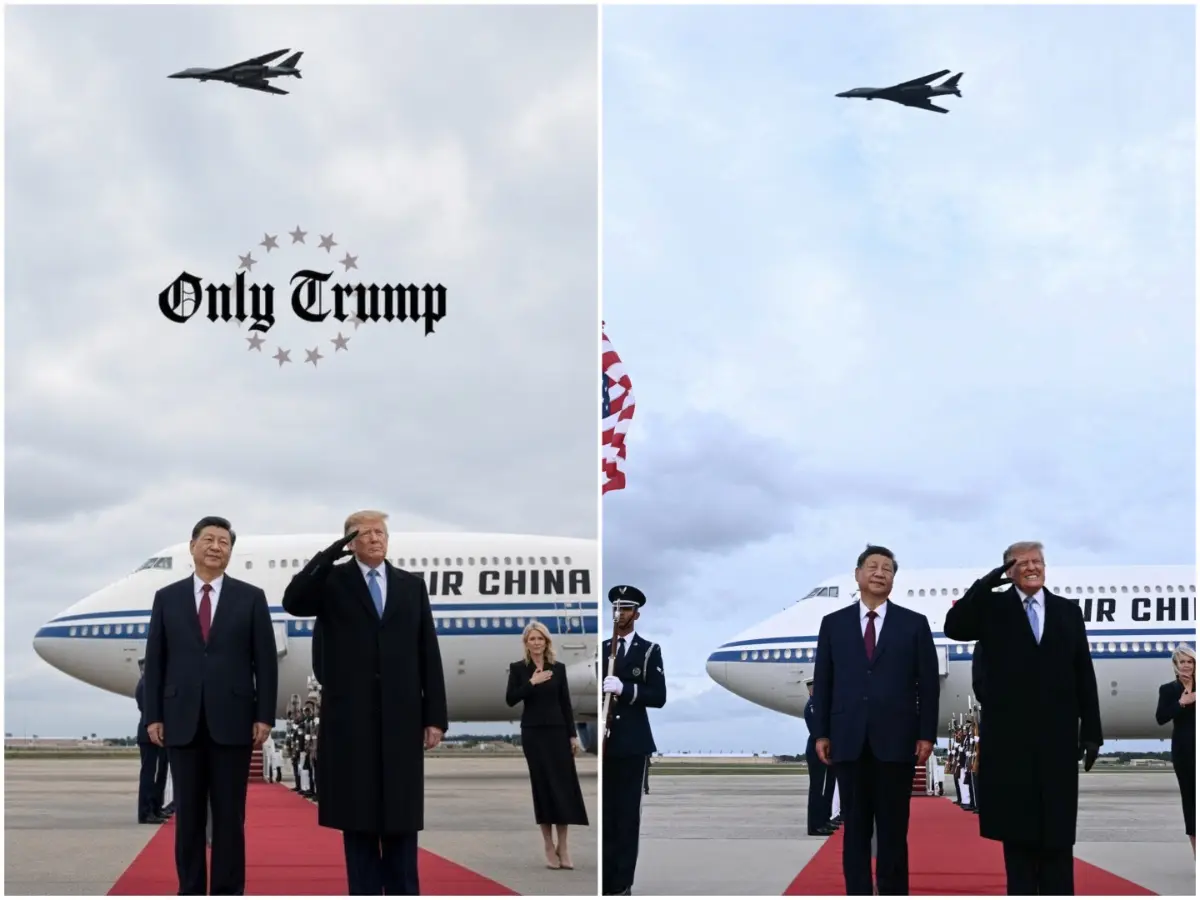)
Donald Trump shares image of Xi's arrival in Washington, carries signs of AI
)
Pentagon quietly adds 37 wounded troops to Iran war tally without explaining when or how
)
US court backs Pentagon's decision to exclude Anthropic over Claude AI restrictions
)
US Supreme Court backs Trump administration's use of SAVE database to check voter citizenship
)
‘Could kill billions...’: Bill Gates backs calls to slow AI development amid fears of catastrophe
)
'Countries far from conflict are penalised': Jaishankar calls for Gulf peace, seafarer safety at UN
)
WATCH | As Shehbaz Sharif claims Pakistan’s ‘victory’ during 2025 conflict, Indian diplomat R Srinivas laughs at UN
)
Outrage erupts after 3-year-old is married to 60-year-old man in Pakistan, link to her sister's murder being probed
&im=FitAndFill=(700,400))
New Friday OTT releases (September 25, 2026): Don’t Be Shy, Hunkkaar: The Roar, Mango Pachcha- 6 movies and TV shows on Netflix, Prime Video and more
)
Global community 'absent' in Gulf crisis: Saudi at UN calls for freedom of navigation, pre war status for Hormuz
)
Farhan, who went viral for AK47 celebration vs India in Asia Cup, hopes to lead Pakistan beyond Asian Games
)
‘I rejected it’: Trump confirms turning down Iran’s proposal to reopen Hormuz, claims Tehran is losing ‘badly’
)
Russia will achieve Ukraine war aims; Europe doing everything to block peace talks: Lavrov at UN
Health Minister Norihisa Tamura said the country had entered a new "extremely frightening" stage as cases are spiking even though the movement of people was not increasing, and said the highly transmissible Delta variant was a big factor.
"I think that people cannot see ahead and, worrying how long this situation will last, they find it unbearable that they cannot return to normal daily life," he told the panel.
The surge inCOVID-19cases is bad news for Suga, whose support rates are already at their lowest since he took office last September and who faces a ruling party leadership race and general election later this year.
Tokyo announced a record 3,865 daily infections on Thursday, up from 3,177 a day earlier. The surge is beginning to strain the medical system, with 64% of Tokyo's hospital beds available for seriousCOVID-19cases already filled as of Wednesday.
Suga andOlympicsorganisers have denied there is any link between the July 23-August 8 Summer Games and the recent sharp spike in cases.
Unlike the voluntary restrictions and low vaccination rates elsewhere inJapan, the Olympic village in Tokyo for athletes and coaches boasts more than 80% vaccination, testing is compulsory and movement is stringently curtailed.
Athletes and other attendees from around the world must follow strict rules to prevent any spread of the virus within the "Olympic bubble" or to the wider city. Spectators are banned from most venues.
Organisers said on Friday reported 27 new Games-relatedCOVID-19cases including three athletes, bringing the total Games-linked infections since July 1 to 220.
But experts worry holding the Games has sent a confusing message to the public about the need to limit activities.
Less than 30% of residents ofJapanare fully vaccinated. Nishimura repeated that all those who want to get vaccinated should be able to do so by October or November.