Jaishankar speaks with Iran FM, holds talks with Qatar, UAE amid Trump’s threats to Tehran

&imwidth=600&imheight=450&format=webp&quality=medium "Jaishankar speaks with Iran FM, holds talks with Qatar, UAE amid Trump’s threats to Tehran")
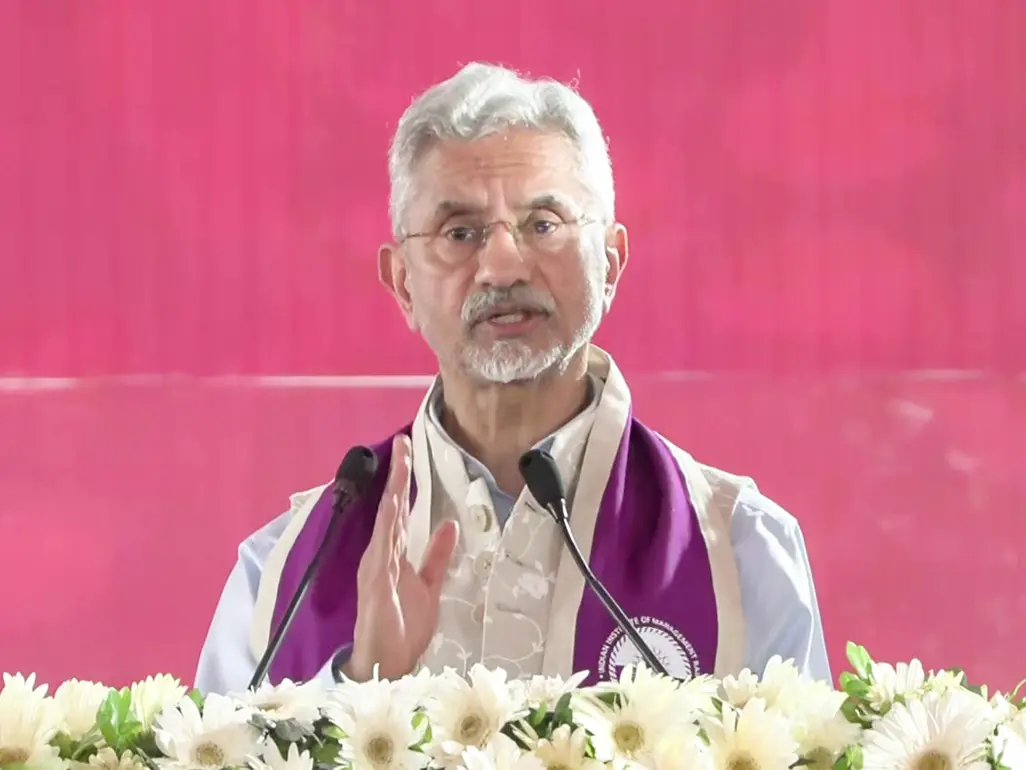
External Affairs Minister S. Jaishankar Photograph: (ANI)
Jaishankar also held separate conversations with Qatar's Prime Minister Mohammed bin Abdulrahman bin Jassim Al Thani and UAE Foreign Minister Abdullah bin Zayed Al Nahyan on the evolving crisis in West Asia.
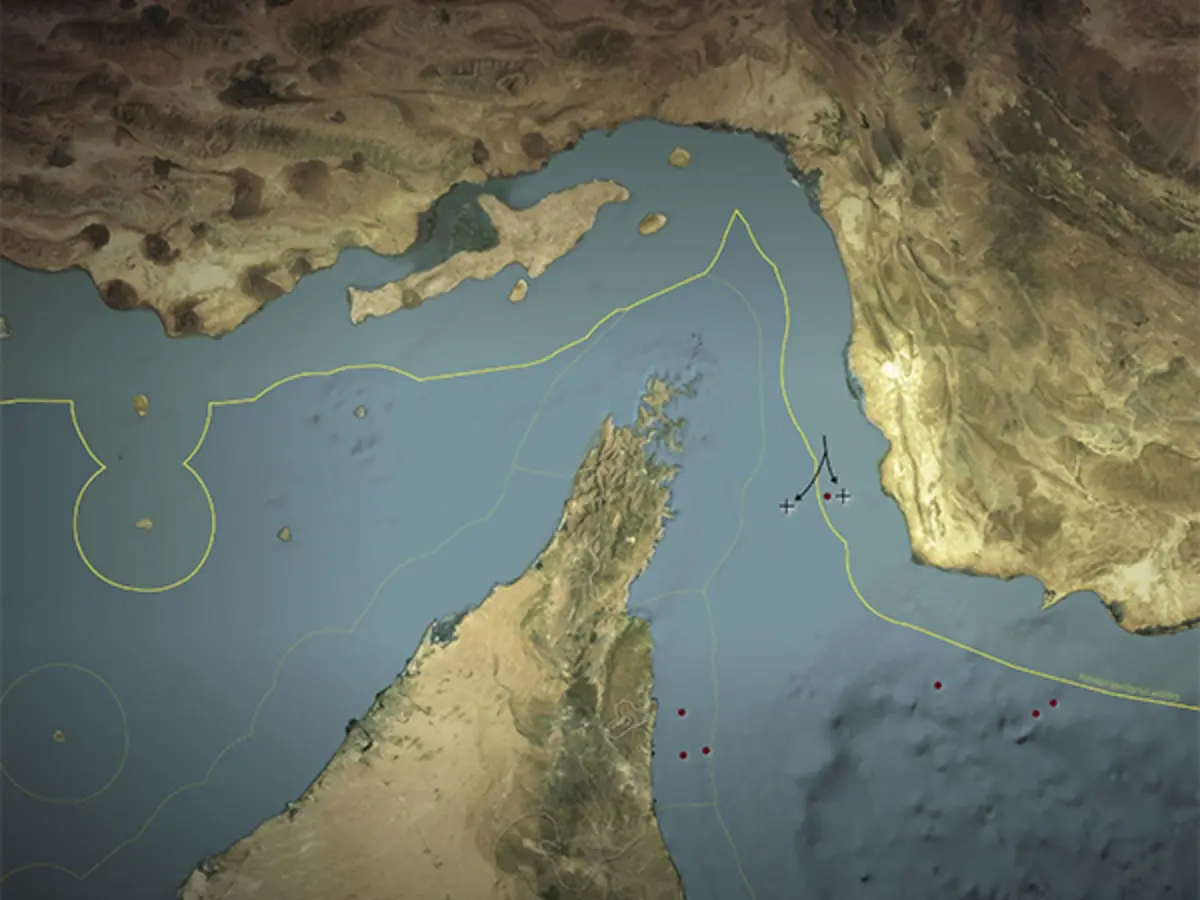
External Affairs Minister S. Jaishankar on Sunday (April 5) spoke with Iranian Foreign Minister Seyed Abbas Araghchi as US President Donald Trump escalated his rhetoric, threatening devastating strikes on civilian infrastructure in the Islamic Republic if the Strait of Hormuz is not reopened by Tuesday.
"Received a call from Foreign Minister Araghchi of Iran. Discussed the present situation," Jaishankar posted on X, marking their sixth conversation since the outbreak of the West Asia conflict on February 28.
The Iranian Embassy in New Delhi said the two sides discussed bilateral relations as well as regional and international developments, underscoring continued engagement amid a fast-moving crisis.
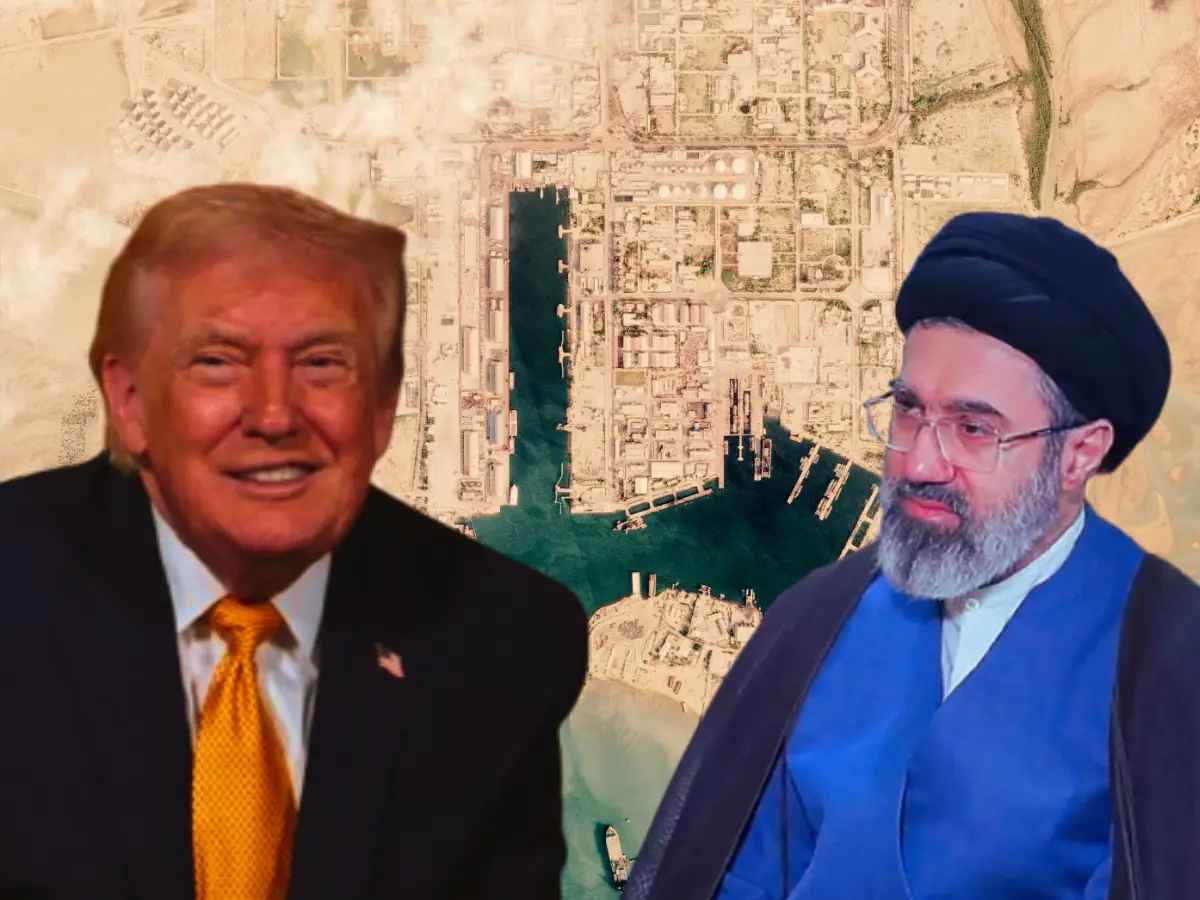
The call came hours after Trump vowed to unleash devastating strikes on Iranian energy infrastructure, declaring that Tuesday would be "power plant day and bridge day all wrapped in one," and warning there would be "nothing like it."
In a Truth Social post, Trump wrote: "Open the strait, you crazy bastards, or you'll be living in hell, just watch! Praise be to Allah."
Trending Stories
&imwidth=280&imheight=210&format=webp&quality=medium)
&imwidth=280&imheight=210&format=webp&quality=medium)
&imwidth=280&imheight=210&format=webp&quality=medium)


&imwidth=280&imheight=210&format=webp&quality=medium)
&imwidth=280&imheight=210&format=webp&quality=medium)
&imwidth=280&imheight=210&format=webp&quality=medium)
&imwidth=280&imheight=210&format=webp&quality=medium)
&im=FitAndFill=(700,400)&imwidth=280&imheight=210&format=webp&quality=medium)
&imwidth=280&imheight=210&format=webp&quality=medium)
&imwidth=280&imheight=210&format=webp&quality=medium)
&imwidth=280&imheight=210&format=webp&quality=medium)
&imwidth=280&imheight=210&format=webp&quality=medium)
&imwidth=280&imheight=210&format=webp&quality=medium)
&imwidth=280&imheight=210&format=webp&quality=medium)
&imwidth=280&imheight=210&format=webp&quality=medium)
&imwidth=280&imheight=210&format=webp&quality=medium)
&im=FitAndFill=(700,400)&imwidth=280&imheight=210&format=webp&quality=medium)
&imwidth=280&imheight=210&format=webp&quality=medium)
&im=FitAndFill=(700,400)&imwidth=280&imheight=210&format=webp&quality=medium)
&imwidth=280&imheight=210&format=webp&quality=medium)
&imwidth=280&imheight=210&format=webp&quality=medium)
&imwidth=280&imheight=210&format=webp&quality=medium)
&imwidth=280&imheight=210&format=webp&quality=medium)
&imwidth=280&imheight=210&format=webp&quality=medium)
&imwidth=280&imheight=210&format=webp&quality=medium)
&imwidth=280&imheight=210&format=webp&quality=medium)
&imwidth=280&imheight=210&format=webp&quality=medium)
&imwidth=280&imheight=210&format=webp&quality=medium)
&imwidth=280&imheight=210&format=webp&quality=medium)
&imwidth=280&imheight=210&format=webp&quality=medium)
&imwidth=280&imheight=210&format=webp&quality=medium)
&imwidth=280&imheight=210&format=webp&quality=medium)
The post drew widespread condemnation for its use of profanity and invocation of Allah, widely seen as a highly uncharacteristic and unpresidential departure from the decorum traditionally expected of an American head of state and Commander-in-Chief.
Jaishankar also held separate conversations with Qatar's Prime Minister Mohammed bin Abdulrahman bin Jassim Al Thani and UAE Foreign Minister Abdullah bin Zayed Al Nahyan on the evolving crisis in West Asia.
These developments come as India has significantly ramped up its diplomatic engagement since the outbreak of war on February 28. New Delhi maintains close ties with key Gulf nations deeply embroiled in the conflict, and has considerable stakes in the region, given its large diaspora and significant energy dependency on West Asian nations.
New Delhi has also successfully facilitated the transit of eight India-flagged ships through the Strait of Hormuz since the start of the conflict. Tehran has allowed vessels from nations it considers friendly, including China, Russia, India and Pakistan, to pass through the vital waterway.