'Steam-powered power': Why the USS Abraham Lincoln still uses steam catapults instead of electromagnetic ones

The USS Abraham Lincoln uses steam catapults over EMALS due to extreme electrical limits. Retrofitting costs billions, while steam offers a highly dependable reliability rate for daily flight operations.
1,350 lbs of steam
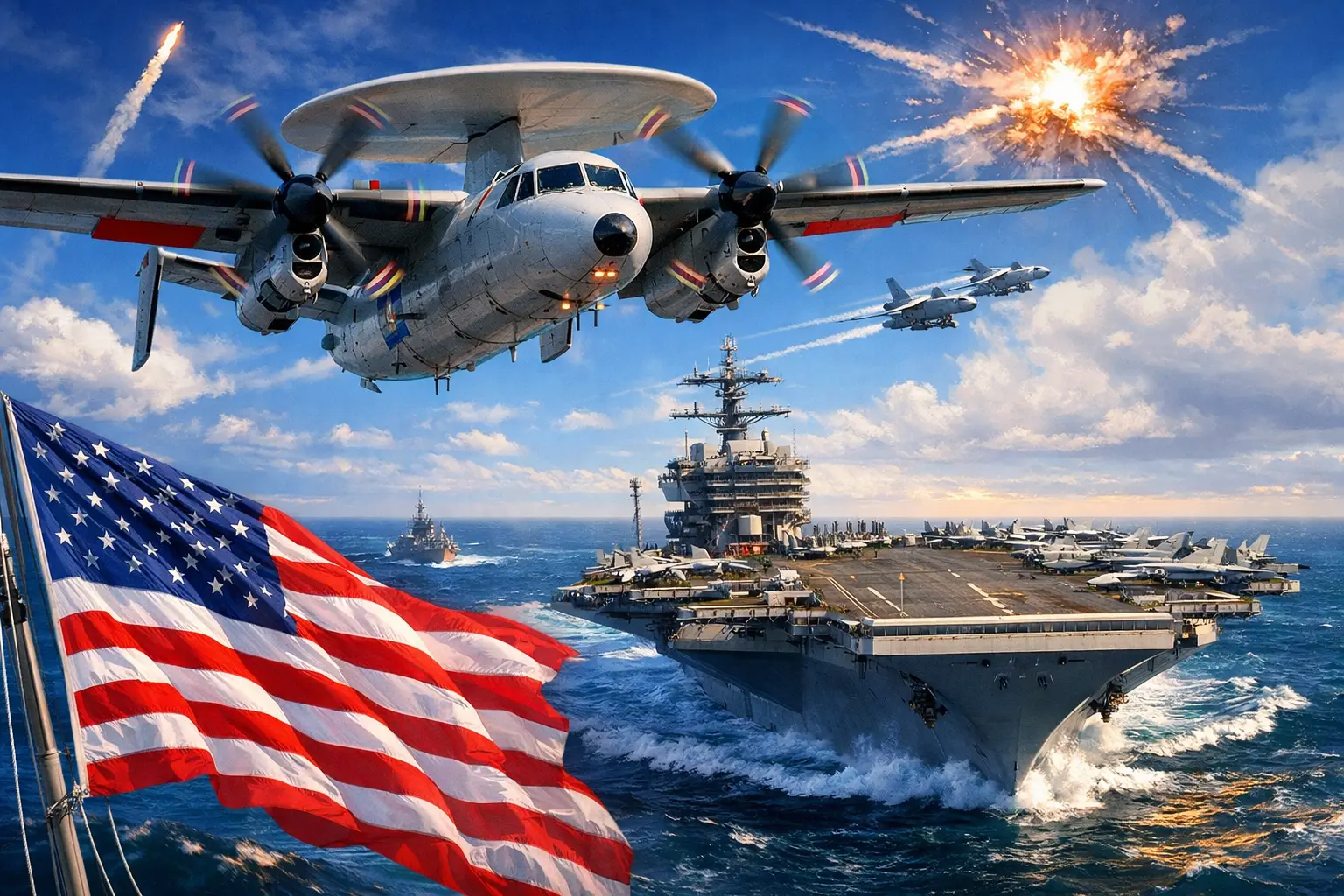
The older launch system draws high-pressure saturated steam directly from the ship's nuclear reactors. This steam is stored in large accumulator tanks beneath the flight deck. Each single aircraft launch consumes approximately 1,350 pounds of steam.
0 to 165 mph
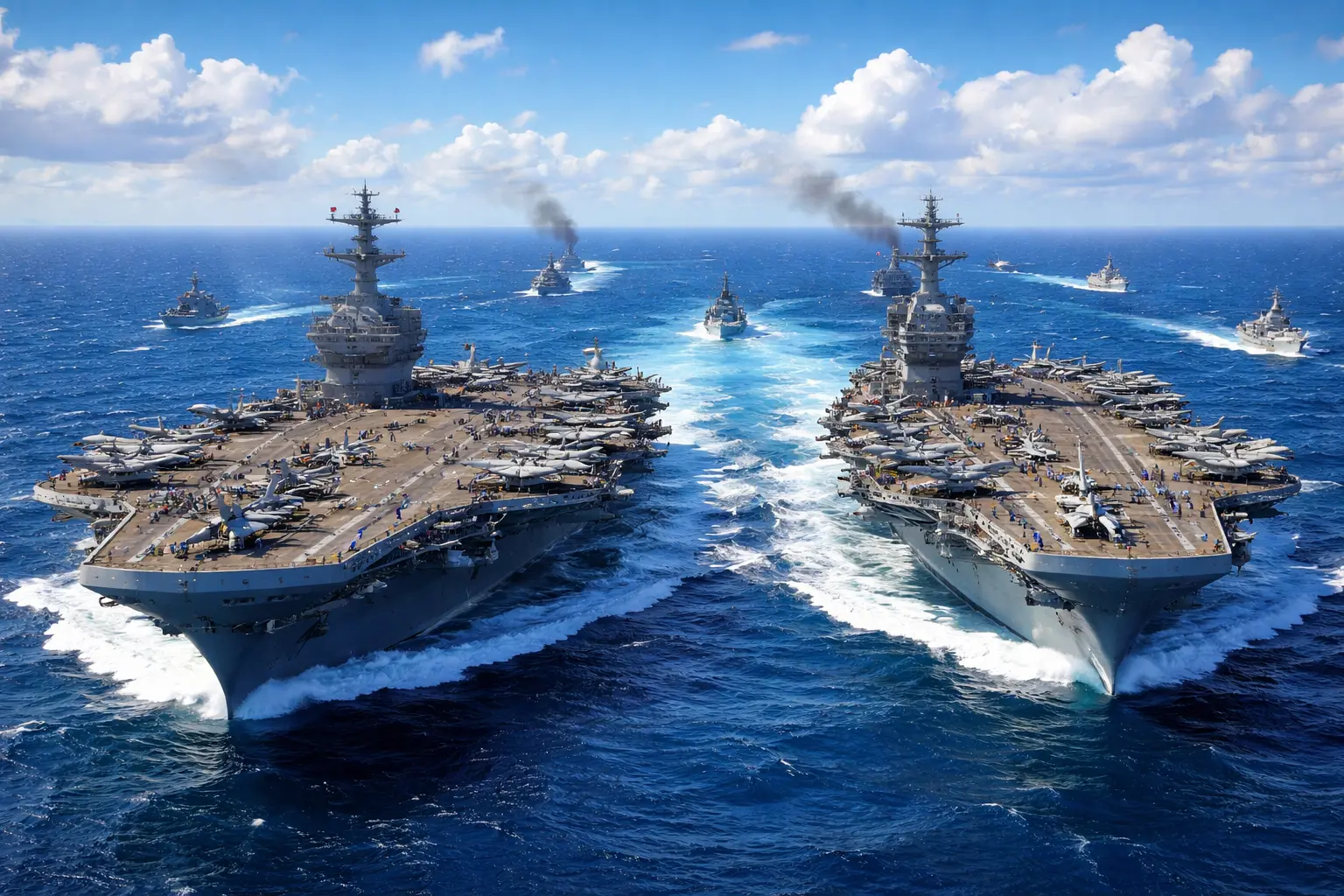
A steam catapult works by driving a massive piston forward through rapidly expanding gas. This rapid acceleration propels a 30-tonne fighter jet from a standstill to 165 mph. The entire launch sequence happens in under two seconds across 94 metres of deck.
484-megajoule power surges
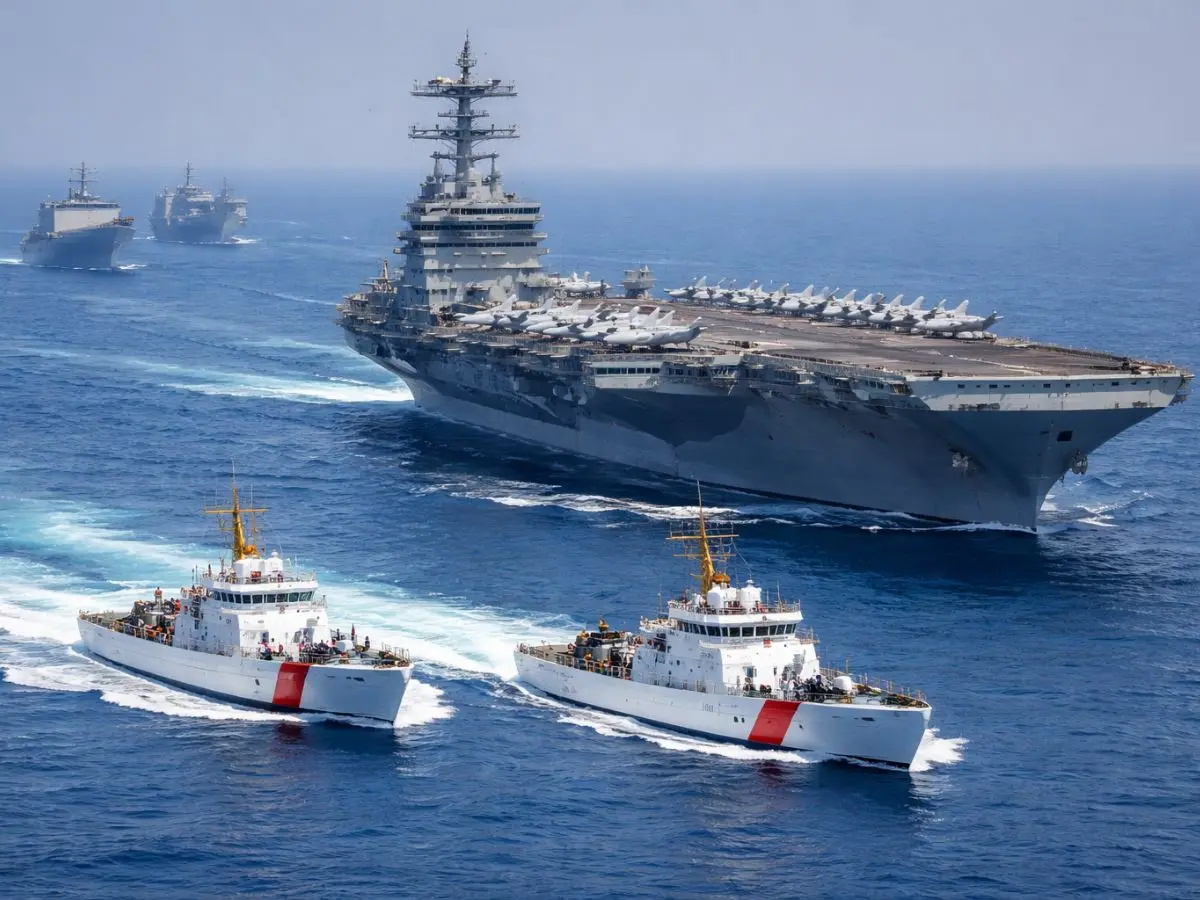
Newer Ford-class carriers use the Electromagnetic Aircraft Launch System (EMALS). Upgrading the USS Abraham Lincoln to EMALS is electronically impossible for its older design. The legacy electrical grid cannot produce the massive 484-megajoule power surges required by modern induction motors.
34 kWh kinetic energy
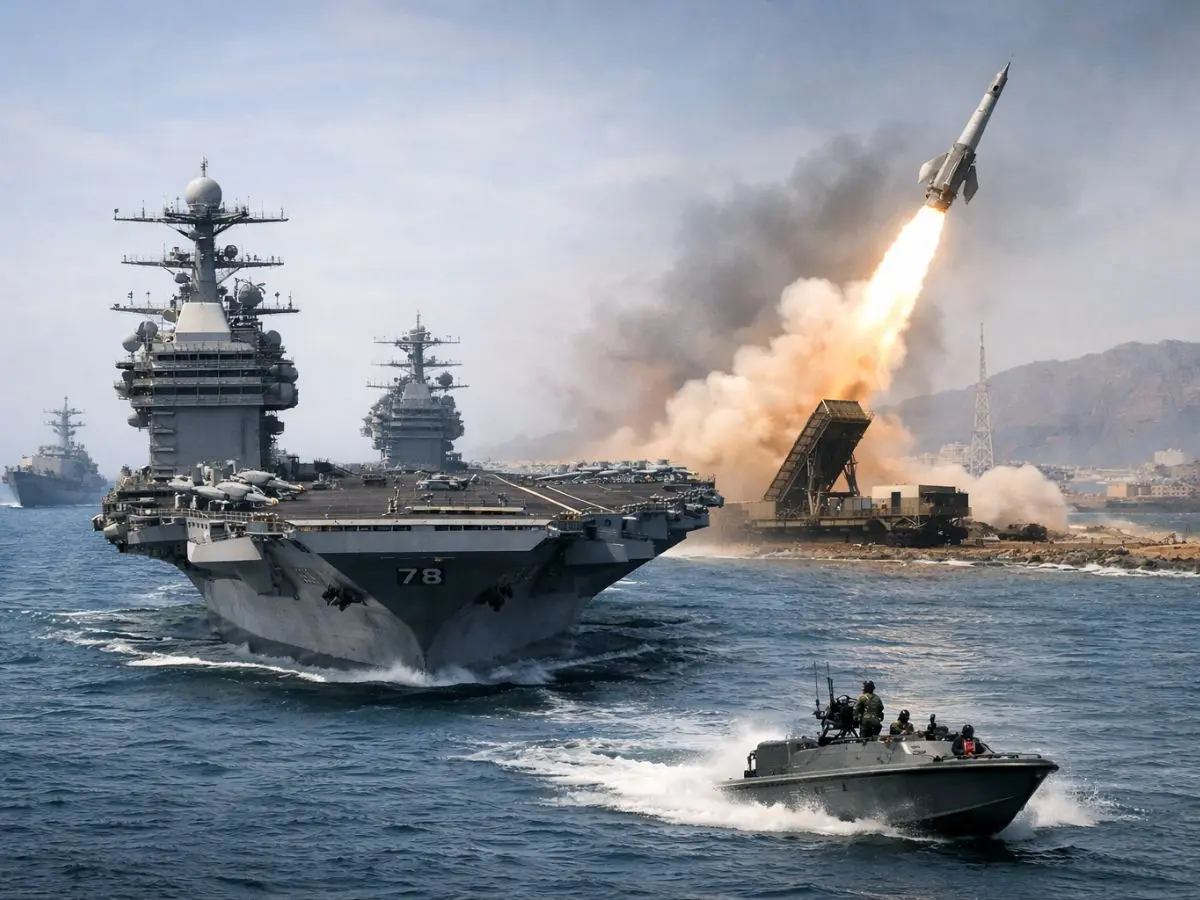
EMALS draws continuous power during a 45-second recharge period and stores it kinetically. It uses four massive disk alternators, each delivering up to 34 kWh of energy. The USS Abraham Lincoln was never designed to house or power this high-capacity electrical storage system.
Complex structural refit limits
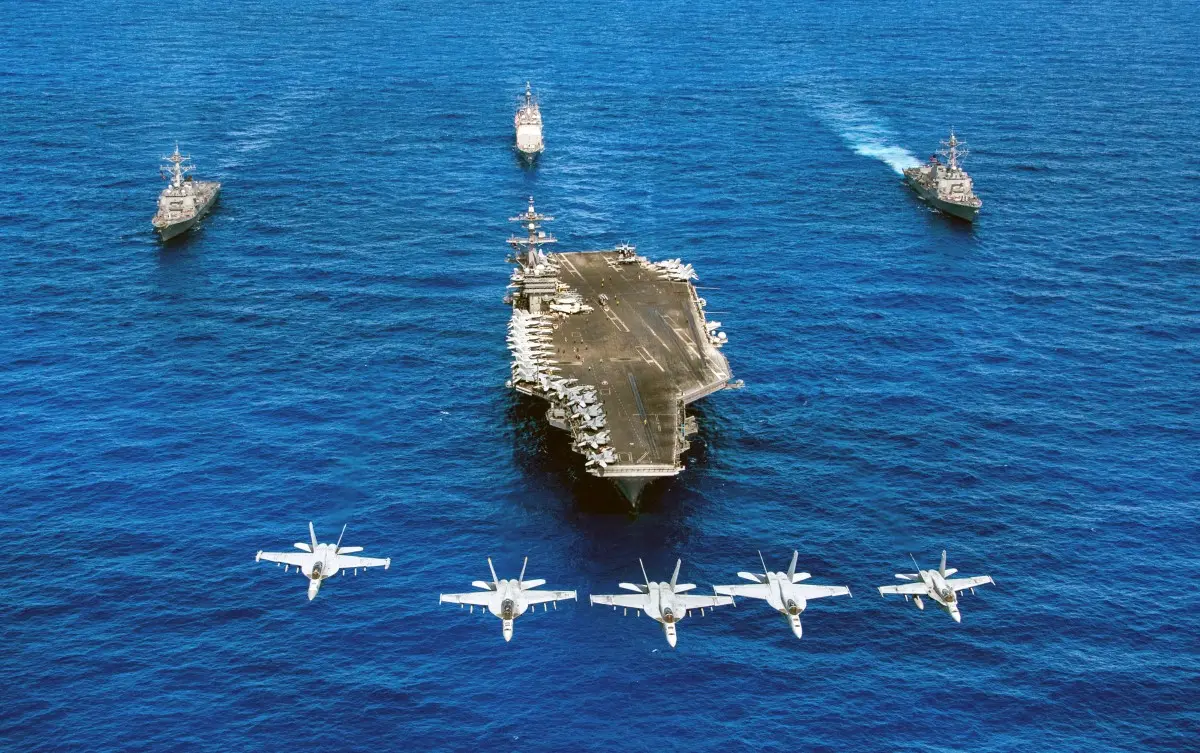
Switching from steam to electricity would require tearing apart the carrier's entire flight deck. The Navy would need to strip out extensive deep-deck steam plumbing to install linear induction motors. Such a complex structural overhaul would be financially unviable for an active warship
99.5 per cent reliability
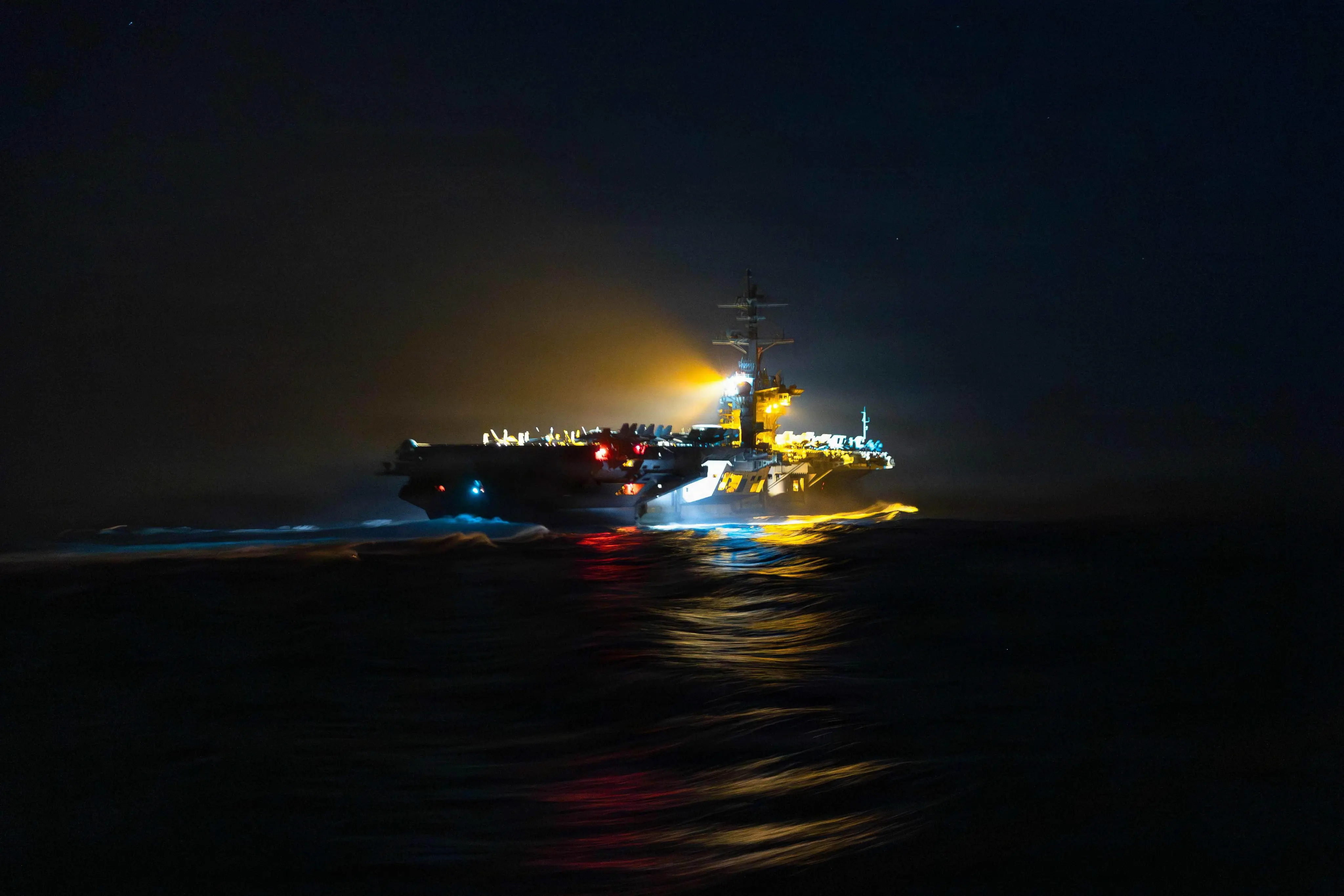
Despite being a legacy mechanical system, steam catapults remain exceptionally dependable for naval operations. Carriers equipped with four steam tracks boast a proven 99.5 per cent operational availability rate for at least one catapult. This ensures the USS Abraham Lincoln can consistently deploy its typical air wing of 60 to 75 aircraft.
)
)
)
)
)