Israeli envoy Naor Gilon recognises Indian de-escalation efforts amid conflict with Iran

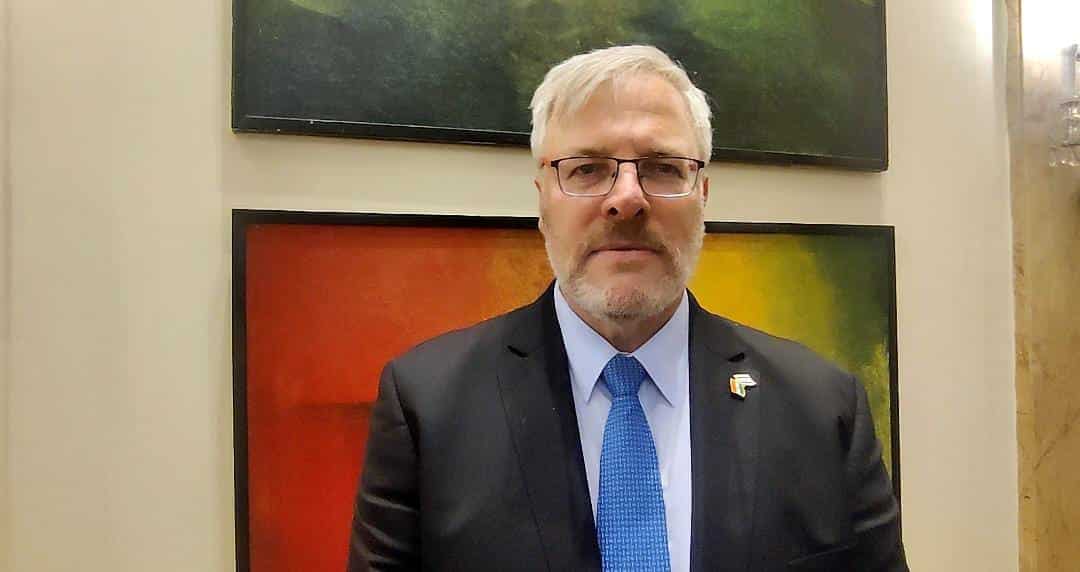
Israel Envoy Naor Gilon speaks to WION on upcoming I2U2 summit
Amid the Iran-Israel conflict, Israel's ambassador to India, Naor Gilon, has underscored the importance of India's role in international efforts to mitigate the conflict. Speaking to WION's diplomatic correspondent Sidhant Sibal, Gilon emphasised India's significant influence, particularly in the region, stating, "India is an important country in the world and a very influential country, especially in our region - it's a great friend of Israel and we expect India to be one of the countries who is leading this international effort."
Over the weekend, Iran launched strikes into Israel following an attack on its mission in Syria, reportedly carried out by Israelis. Ambassador Gilon acknowledged India's attempts to engage both Israel and Iran in de-escalation efforts, stating, "India did try, India is still trying to engage both Israel, Iran to de-escalate."
Regarding the safety of Indian nationals in Israel, Gilon assured, "All people in Israel are protected." Currently, approximately 18,000 Indian nationals reside in the country. He expressed hope that India would soon lift the travel advisory for Israel, enabling more Indian workers to travel to the nation. Full interview:

WION: Over the weekend we have seen a major escalation in West Asia, the Iranians striking in Israel. With me is the Israeli ambassador to New Delhi - to talk about the current situation. So welcome to WION - it's a pleasure to speak to you again. My first question which everyone is keen to ask is - what is the current situation and what kind of response we are looking for from the Israeli side?
Naor Gilon: Well, you know - Iran for years is having aproxy war with Israel - so they are using different proxies but the peak of course came on Oct 7 and following that when Hamas - one of the proxies of Iran - attacked in Israel in a brutal attack and killed 1,200 people with terrible atrocities. Following that, other proxies of Iran and when I speak of proxies these are organisations that Iran is training, financing and equipping. So other proxies which are Hezbollah in Lebanon - they open fire, Shia militias in Iraq and Syria and of course the Houthis in the south, shooting the ships and disrupting international shipping. What happened 2 days ago when Iran for the first time ever attacked directly Israel with about 350 cruise missiles and UAVs? All together these carried about 60 tons of explosives that they were directing at the Israeli population. Luckily in cooperation with very good friends in the region, the US and other friends regions - but mostly by our technology and Airforce we intercepted 99% of the incoming missiles and UAVs and we were able to prevent damage, only one was wounded directly from this was a Bedouin Muslim girl - 7-year-old who is severely hit and I hope she will recover - so that was a great success but you know being back to mind the question of Iran possessing, for example, nuclear capabilities as they are hoping to have and this is you know - you make the connection between the ability to shoot rockets with the willingness and speaking about the destruction of the state of Israel to nuclear capacity, this is a disastrous combination. You can also act to it - piracy that you can see, state piracy by Iran that is stopping in international waters, ship hijacking the ship, taking the hostage - the crew of 17 Indians and also other nationals. This is totally unacceptable and the international community has to unite in order to put pressure on Iran and to stop financing terror, stop stabilising the region, stop piracy and start behaving like a normal country in the world.
WION: But what kind of response we are looking for from Israel - are we looking at a counter-action by the Israelis which could see escalation?
&imwidth=180&imheight=135&format=webp&quality=medium)
US lawmaker Pramila Jaypal writes to Rubio, urges to raise handling of CJP protest with India
&imwidth=180&imheight=135&format=webp&quality=medium)
Israel examines Russia's Shahed-type drones sent by Ukraine to combat Iran | Gravitas
&imwidth=180&imheight=135&format=webp&quality=medium)
Selma Blair’s team responds to flight incident, says actress ‘did not intend to harm anyone’
&imwidth=180&imheight=135&format=webp&quality=medium)
China responds to Trump's Press Secretary Katie Zacharia after toilet remark: 'Visit China more often'
&imwidth=180&imheight=135&format=webp&quality=medium)
Ukraine drone strike disrupts 22 Russian airports, over 200 flights
&imwidth=180&imheight=135&format=webp&quality=medium)
Abhishek Sharma sets all-time record for most T20I sixes in a year
&im=FitAndFill=(700,400)&imwidth=180&imheight=135&format=webp&quality=medium)
Who left the White House podium the fastest? Press secretaries with the shortest stints
&imwidth=180&imheight=135&format=webp&quality=medium)
Ramayana Part 1: Sai Pallavi's warrior avatar as Sita steals the spotlight in new BTS footage

US ends automatic work permit extensions; Indian workers lose 540-day safety net: What it means
&imwidth=180&imheight=135&format=webp&quality=medium)
Infiltration bid foiled in Kupwara’s Keran sector, search operation underway
&imwidth=180&imheight=135&format=webp&quality=medium)
Oregon school shooting: 16-year-old shooter identified, used shotgun bought by mother; Trump praises bystander who shot gunman as 'great hero'
&imwidth=180&imheight=135&format=webp&quality=medium)
Pakistan to head IMF, World Bank boards after 74 years amid persistent economic crisis
&imwidth=180&imheight=135&format=webp&quality=medium)
One species, two lineages: Why Sri Lanka’s spectacled cobra differs genetically from Indian variant
&imwidth=180&imheight=135&format=webp&quality=medium)
US midterms 2026: Ken Paxton may have Elon Musk to thank if he wins the Texas Senate race. Here's why
&imwidth=180&imheight=135&format=webp&quality=medium)
‘My president, I mean my husband’: Trump's new press secretary Katie Zacharia's first briefing goes off the rails in 14 minutes
&imwidth=180&imheight=135&format=webp&quality=medium)
'Reason UN has lost credibility': Amid SIR protests India hits out at report alleging 'youth repression'
&imwidth=180&imheight=135&format=webp&quality=medium)
Gravitas | Iran threatens to hit key bridges in 7 countries if US resumes strikes
&imwidth=180&imheight=135&format=webp&quality=medium)
Here’s who is eyeing the White House press secretary role after Katie Zacharia’s exit
&imwidth=180&imheight=135&format=webp&quality=medium)
Vijay Deverakonda and Rashmika Mandanna's Ranabaali X Review: Netizens call it history-rich but overstuffed
&imwidth=180&imheight=135&format=webp&quality=medium)
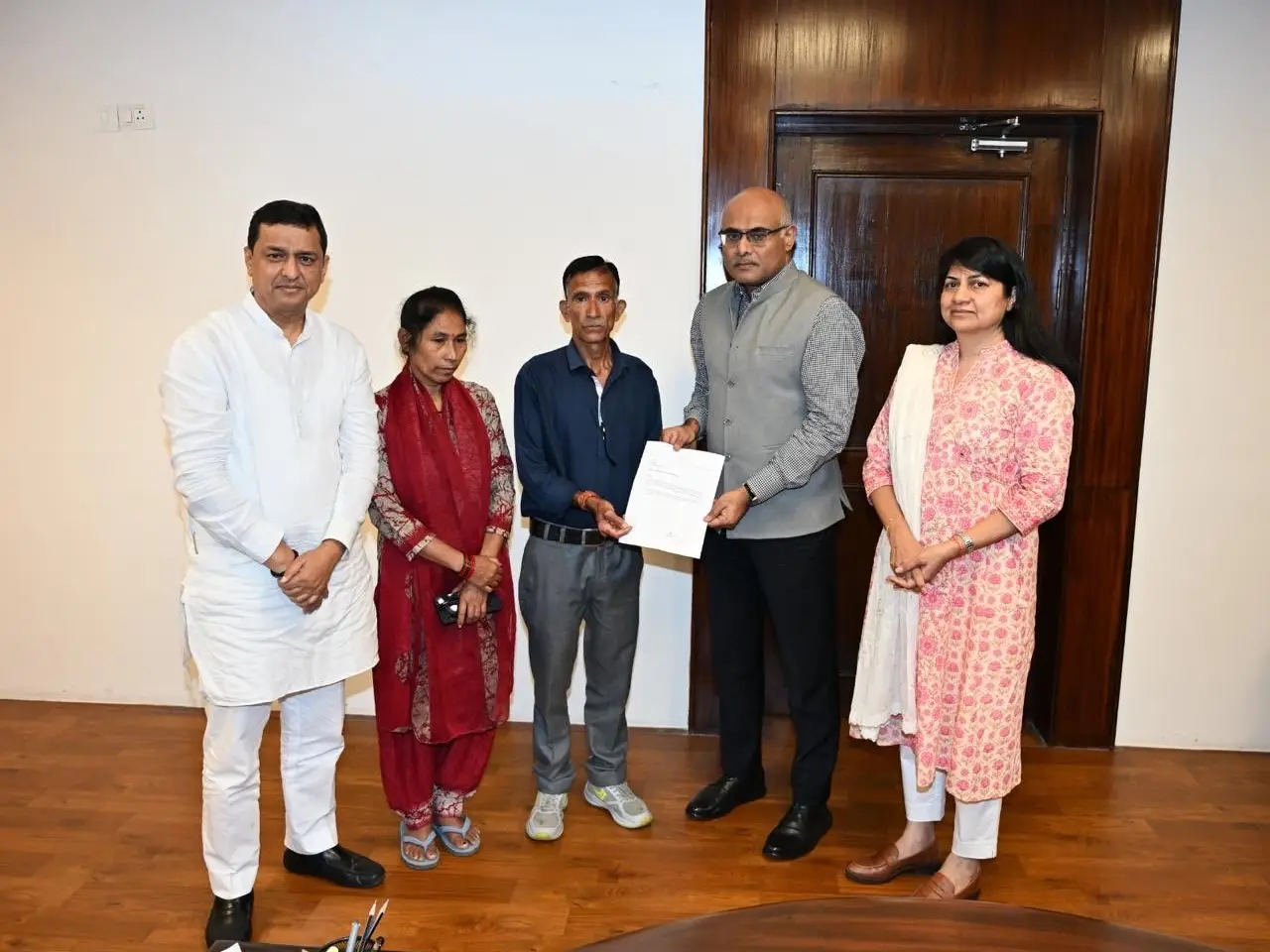
Ankita Bhandari murder case: Parents meet CBI, seek impartial investigation
&imwidth=180&imheight=135&format=webp&quality=medium)
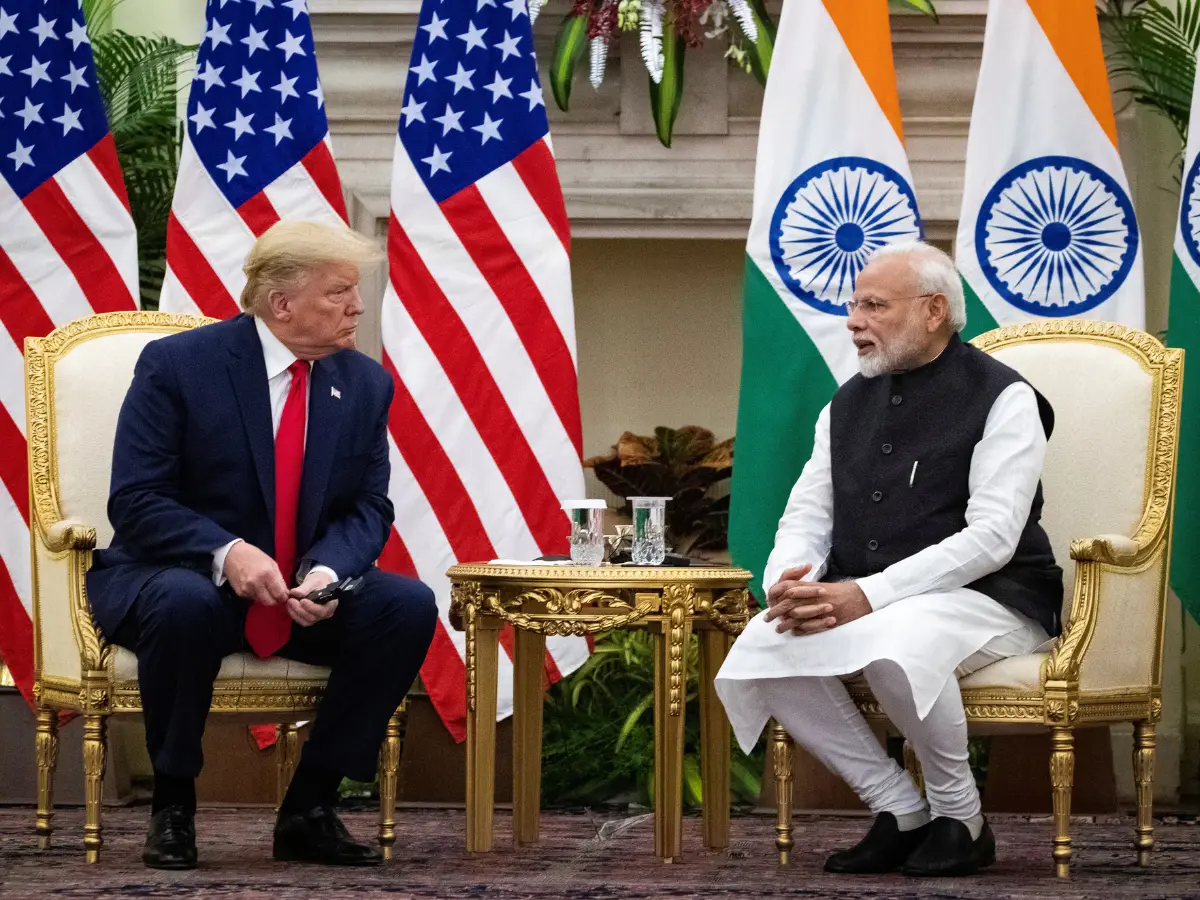
Trump invokes national interest to waive new Russia sanctions, tariffs; India gets relief from 100% tariff threat
&imwidth=180&imheight=135&format=webp&quality=medium)
Sean ‘Diddy’ Combs transferred to new prison amid reports of special privileges
&imwidth=180&imheight=135&format=webp&quality=medium)
US midterms 2026: Alexandria Ocasio-Cortez donates $1 million to Abdul El-Sayed’s as Michigan race heats up

Not Khan but Pal: Why did Imran Khan choose his mother's surname over his father's? Family tree explained
&imwidth=180&imheight=135&format=webp&quality=medium)
IND-W vs ZIM-W, 1st T20I: Deepti Sharma, Niki Prasad shine as India beat Zimbabwe by four wickets
&imwidth=180&imheight=135&format=webp&quality=medium)
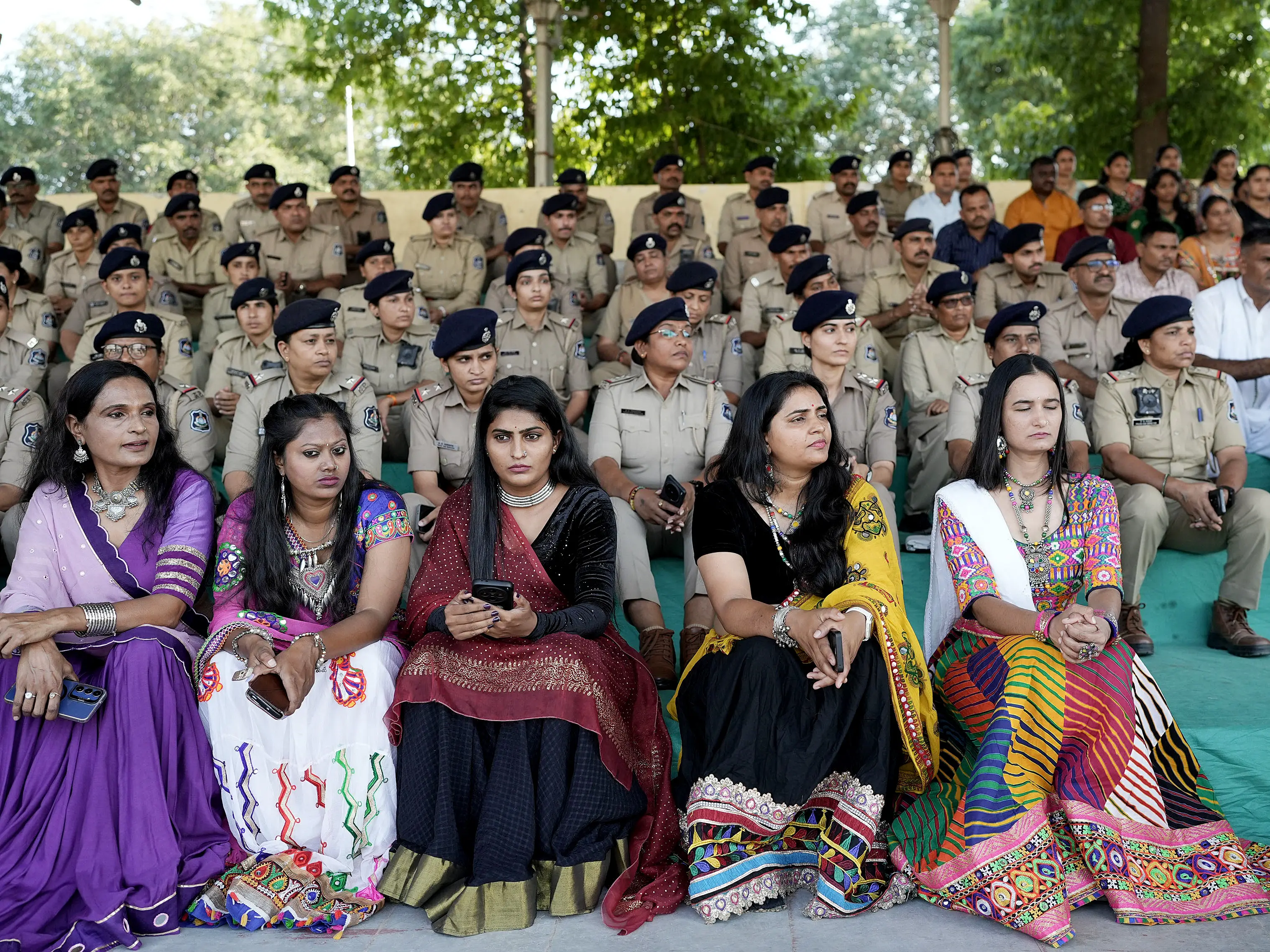
'We feel like Mr India': Gujarat’s undercover SHE team guard garba nights at Navratri
&im=FitAndFill=(700,400)&imwidth=180&imheight=135&format=webp&quality=medium)
Inside Tesla's Roadster: 10 features of Elon Musk's 'flying car' that push the limits of electric vehicles | In Pics
&imwidth=180&imheight=135&format=webp&quality=medium)
Lizard people? Ex-US Army sniper claims soldier killed by 'reptilian beings' in battle near Area 51
&imwidth=180&imheight=135&format=webp&quality=medium)
COVID-19 pandemic led to increase in divorce cases, observes Madras High Court
&imwidth=180&imheight=135&format=webp&quality=medium)
No Ravindra Jadeja, Yashasvi Jaiswal in India’s 2027 ODI World Cup plans: Report
&im=FitAndFill=(700,400)&imwidth=180&imheight=135&format=webp&quality=medium)
New Friday OTT releases (October 16, 2026): DC, Sacrifice, Aasha- 6 new movies and TV shows coming on Netflix, Zee 5, Prime Video and more
&imwidth=180&imheight=135&format=webp&quality=medium)
Oil tanker carrying over 2M barrels of crude hits mine in Strait of Hormuz, catches fire, says Iran
&imwidth=180&imheight=135&format=webp&quality=medium)
A secret code, a midnight escape and 300 deaths: The Russian officer who turned on Putin
Naor Gilon: I think that this is a tremendous escalation by Iran for the first time in history shooting, not by proxy but directly from Iran to Israel we'll have to - though we were able to stop any serious damage from this attack, still we have to retaliate and send the message that this is unacceptable - we will do it at our own time when we'll find it right and what we find fit.
WION: So retaliation is for sure coming - do you see that coming in the next few days, months or anything?
Naor Gilon: As I said we will do it on our terms - when we feel this is the right way, right time - that's when we will do it.
WION: So now moving to the India bit - we have seen the Indian External Affairs Minister speaking to your foreign minister - we have seen an India statement as well - how do you see India's position amidst the ongoing escalation in the West Asian region?
Naor Gilon: So India is an important country in the world and a very influential country, especially in our region - it's a great friend of Israel and we expect India to be one of the countries who is leading this international efforts. As I said before to put pressure on the Iranians, to stop everything, to stop the support of terrorism, destabilising, seeking nuclear weapons, stopping sea piracy, all of that has to stop. Iran has to be under tremendous international pressure, India alone will not be able to do it, but I hope India will be a part of a bigger effort in order to make this happen.
WION: So you see India using its Good offices to engage with Iran for de-escalation
Naor Gilon: Engaging with Iran so far did not bring.. many countries were engaging before the attack on Israel, countries tried to engage with Iran, but it seems that Iran is not engageable, Iran has to be under scrutiny. India did try, and India is still trying to engage both Israel and Iran to de-escalate but unfortunately, Iranians are behaving worse by the day. We have to go to the next level of pressure.
WION: The Indian nationals in Israel, the situation for them, especially for Indians going to the country as workers
Naor Gilon: I hope things calm down, I hope the travel warning will be lifted and people will continue coming. It serves both countries. When it comes to the safety and security of people, they are not different from Israelis. All people in Israel are protected, and our ability to intercept 99% of incoming missiles from Iran, we do our utmost, and for us, they are no different from Israelis than anyway. We working for the safety of Indian, Thai, Philippines nationals.
WION: Indian workers going to Israel, as construction workers, do you think that flow will continue?
Naor Gilon: I think, they went before when there was also a security situation, and one Indian died there. We pulled out Indians from the northern border area, in general, they would want to come once the travel ban is lifted, it will be much easier to come. The situation for the time being a little bit calmer, I would hope they would come, we need them, so it's a win-win situation. We do our utmost to protect everyone in Israel and I think they should come soon.
WION: How worrisome is the situation in Northern Israel?
Naor Gilon: The problem from the Israeli point of view is that we evacuated, close to 100,000 from the northern border and from Gaza, so close to 200,000 people and as long as there is a solution, Hezbollah is sitting and shooting directly at homes. They have to come to normal lives, either it has been solved diplomatically or we will use military means, to push back against Hezbollah which is threatening the houses of the people. It will be the price for everyone, especially Lebanon. We will sooner or later, have to find a solution.