Israel enforces Gaza-like ‘Yellow Line’ in Lebanon following 10-day ceasefire

&imwidth=600&imheight=450&format=webp&quality=medium "Israel enforces Gaza-like ‘Yellow Line’ in Lebanon following 10-day ceasefire")
Photograph: (AFP)
Since a ceasefire came into effect in Gaza on October 10, the Palestinian territory has been split by a "Yellow Line", the de facto boundary dividing Gaza into two zones: one under Israeli military control and one under Hamas control.
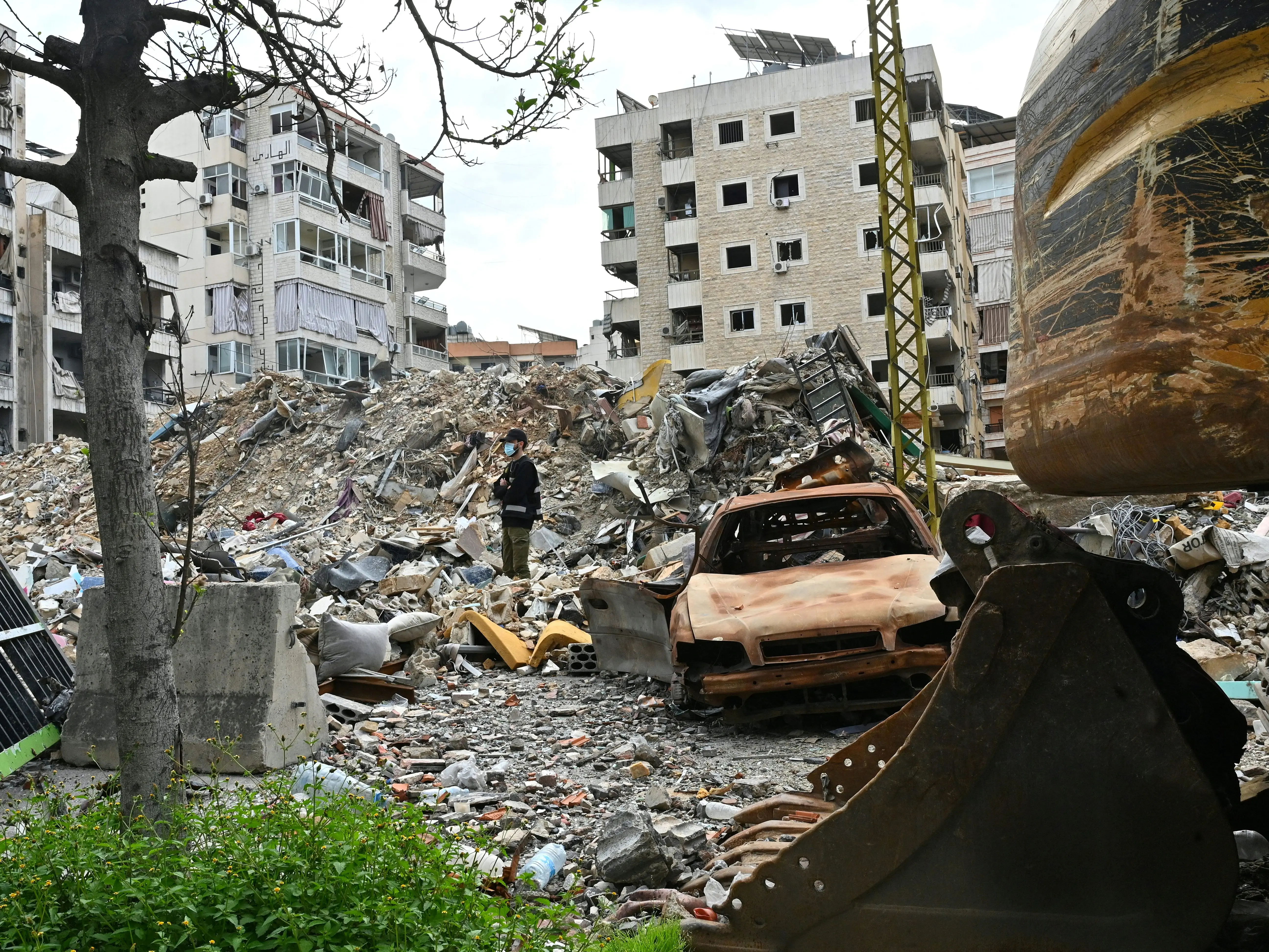
The Israeli military on Saturday (April 18) said it had established a "Yellow Line" demarcation in southern Lebanon, similar to the one separating its forces from territory still held by Hamas in Gaza, adding that it had already struck suspected militants approaching its troops along the line.
"Over the past 24 hours, IDF forces operating south of the Yellow Line in southern Lebanon identified terrorists who violated the ceasefire understandings and approached the forces from north of the Yellow Line in a manner that posed an immediate threat," the military said, referring to such a line for the first time since a ceasefire came into effect.
"Immediately after identification and in order to eliminate the threat ... forces attacked the terrorists in several areas in southern Lebanon," it said, noting that the military was authorised to take action against threats, despite the ceasefire.
"Actions taken in self-defence and to remove immediate threats are not restricted by the ceasefire," the IDF said.
Since a ceasefire came into effect in Gaza on October 10, the Palestinian territory has been split by a "Yellow Line", the de facto boundary dividing Gaza into two zones: one under Israeli military control and one under Hamas control.
Trending Stories
&imwidth=280&imheight=210&format=webp&quality=medium)
&imwidth=280&imheight=210&format=webp&quality=medium)
&imwidth=280&imheight=210&format=webp&quality=medium)
&imwidth=280&imheight=210&format=webp&quality=medium)
&imwidth=280&imheight=210&format=webp&quality=medium)
&imwidth=280&imheight=210&format=webp&quality=medium)
&imwidth=280&imheight=210&format=webp&quality=medium)
&imwidth=280&imheight=210&format=webp&quality=medium)
&imwidth=280&imheight=210&format=webp&quality=medium)
&im=FitAndFill=(700,400)&imwidth=280&imheight=210&format=webp&quality=medium)
&imwidth=280&imheight=210&format=webp&quality=medium)
&imwidth=280&imheight=210&format=webp&quality=medium)
&imwidth=280&imheight=210&format=webp&quality=medium)
&imwidth=280&imheight=210&format=webp&quality=medium)
&imwidth=280&imheight=210&format=webp&quality=medium)
&imwidth=280&imheight=210&format=webp&quality=medium)
&imwidth=280&imheight=210&format=webp&quality=medium)
&imwidth=280&imheight=210&format=webp&quality=medium)
&imwidth=280&imheight=210&format=webp&quality=medium)
&imwidth=280&imheight=210&format=webp&quality=medium)
&im=FitAndFill=(700,400)&imwidth=280&imheight=210&format=webp&quality=medium)
&imwidth=280&imheight=210&format=webp&quality=medium)
&imwidth=280&imheight=210&format=webp&quality=medium)
&imwidth=280&imheight=210&format=webp&quality=medium)
&imwidth=280&imheight=210&format=webp&quality=medium)
&imwidth=280&imheight=210&format=webp&quality=medium)
&im=FitAndFill=(700,400)&imwidth=280&imheight=210&format=webp&quality=medium)
&imwidth=280&imheight=210&format=webp&quality=medium)
&imwidth=280&imheight=210&format=webp&quality=medium)
&imwidth=280&imheight=210&format=webp&quality=medium)
&imwidth=280&imheight=210&format=webp&quality=medium)
&imwidth=280&imheight=210&format=webp&quality=medium)
&imwidth=280&imheight=210&format=webp&quality=medium)
&imwidth=280&imheight=210&format=webp&quality=medium)
Israel and Lebanon agreed to a 10-day ceasefire on Thursday after weeks of fighting between Israel and the Iran-backed Hezbollah, following pressure from the United States. The conflict, which began on March 2, saw intense Israeli airstrikes across Lebanon and a ground offensive in the south.
According to the Lebanese authorities, nearly 2,300 people have been killed, with widespread destruction reported in southern areas such as Nabatiyeh. Hezbollah has halted military operations since the ceasefire took effect, but warned it was keeping its "finger on the trigger" in case of any violations.
Lebanese President Joseph Aoun said "direct negotiations" with Israel "are crucial", adding that the government aims to stabilise the ceasefire, ensure Israeli withdrawal from southern territories, recover prisoners, and resolve border disputes.
US President Donald Trump said Washington had "prohibited" Israel from bombing Lebanon after the ceasefire deal and would work with Lebanon to "deal with" Hezbollah.
However, Israeli Prime Minister Benjamin Netanyahu said Israel has not "yet finished the job" and remains committed to dismantling the militant group.