Iran will ‘never bow to the enemy’, says Pezeshkian as Tehran pushes recovery efforts after conflict

&imwidth=600&imheight=450&format=webp&quality=medium "Iran will ‘never bow to the enemy’, says Pezeshkian as Tehran pushes recovery efforts after conflict")
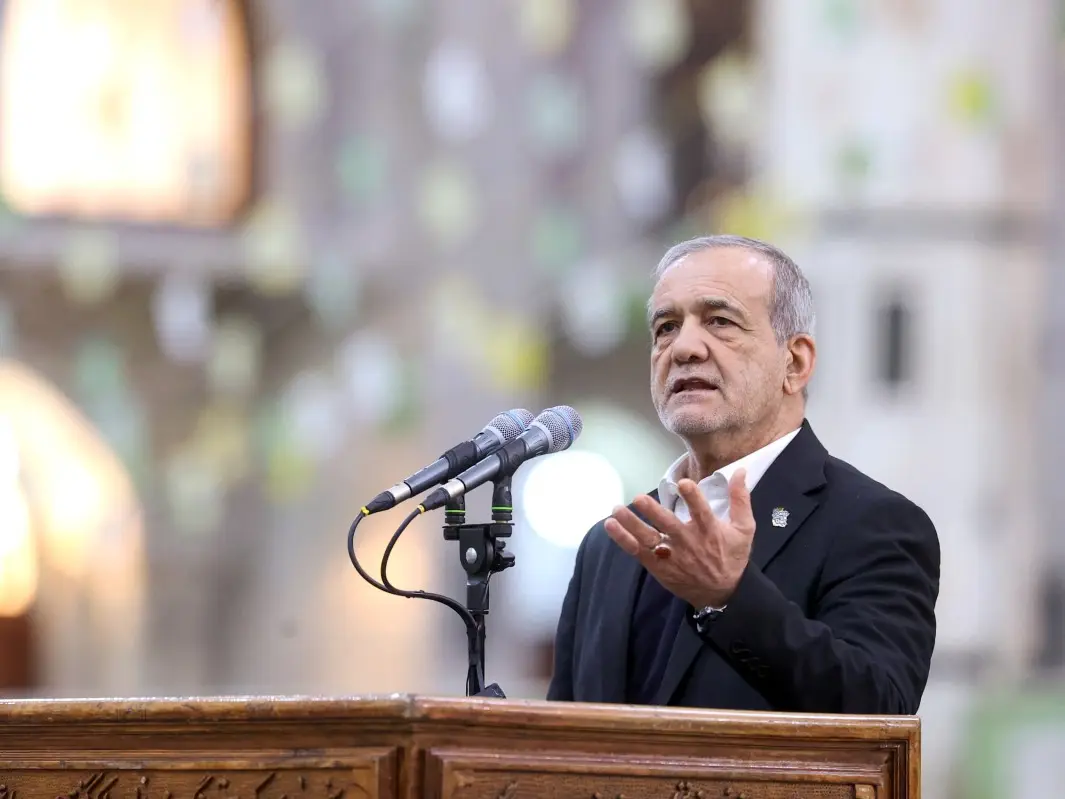
Iran's President Masoud Pezeshkian addresses cabinet members, as they visit of the tomb of the late Iranian revolutionary leader Ayatollah Ruhollah Khomeini, in Tehran on January 31, 2026, ahead of the 47th anniversary of the 1979 Islamic Revolution. Photograph: (AFP)
President Pezeshkian vowed Iran will not surrender following the "Third Imposed War," prioritising domestic reconstruction and psychological security. He framed future negotiations as a strategic means to defend national rights.
Iranian President Masoud Pezeshkian has declared that the Iranian nation will “never bow to the enemy”, while insisting that any future negotiations would be aimed at protecting national interests rather than signalling surrender. Speaking during a meeting of a working group tasked with repairing damage caused by the recent conflict, Pezeshkian said diplomacy would only be pursued to secure the rights of the Iranian people and strengthen the country’s position.
“If there is talk of dialogue or negotiation, its meaning is not surrender or retreat; rather, the goal is to fulfil the rights of the Iranian people and provide a powerful defence of national interests,” the Iranian president said.
Also read: WATCH: Pentagon releases footage of US Navy F/A-18 Super Hornet bombing 2 Iranian tankers in Hormuz
His remarks came as the Iranian government intensified efforts to support families affected by what officials have described as the “Third Imposed War”, following months of heightened regional tensions and conflict.
Pezeshkian said the administration’s immediate priority was ensuring the “psychological security and peace of mind” of families impacted by the fighting, while also accelerating reconstruction and compensation measures.
Trending Stories
&imwidth=280&imheight=210&format=webp&quality=medium)
&imwidth=280&imheight=210&format=webp&quality=medium)
&imwidth=280&imheight=210&format=webp&quality=medium)
&imwidth=280&imheight=210&format=webp&quality=medium)
&imwidth=280&imheight=210&format=webp&quality=medium)
&im=FitAndFill=(700,400)&imwidth=280&imheight=210&format=webp&quality=medium)
&imwidth=280&imheight=210&format=webp&quality=medium)
&imwidth=280&imheight=210&format=webp&quality=medium)
&im=FitAndFill=(700,400)&imwidth=280&imheight=210&format=webp&quality=medium)
&imwidth=280&imheight=210&format=webp&quality=medium)
&imwidth=280&imheight=210&format=webp&quality=medium)
&imwidth=280&imheight=210&format=webp&quality=medium)
&imwidth=280&imheight=210&format=webp&quality=medium)
&imwidth=280&imheight=210&format=webp&quality=medium)
&imwidth=280&imheight=210&format=webp&quality=medium)
&imwidth=280&imheight=210&format=webp&quality=medium)
&imwidth=280&imheight=210&format=webp&quality=medium)
&imwidth=280&imheight=210&format=webp&quality=medium)
&imwidth=280&imheight=210&format=webp&quality=medium)
&imwidth=280&imheight=210&format=webp&quality=medium)
&imwidth=280&imheight=210&format=webp&quality=medium)
&imwidth=280&imheight=210&format=webp&quality=medium)
&im=FitAndFill=(700,400)&imwidth=280&imheight=210&format=webp&quality=medium)
&imwidth=280&imheight=210&format=webp&quality=medium)
&imwidth=280&imheight=210&format=webp&quality=medium)
&imwidth=280&imheight=210&format=webp&quality=medium)
&imwidth=280&imheight=210&format=webp&quality=medium)
&imwidth=280&imheight=210&format=webp&quality=medium)
&imwidth=280&imheight=210&format=webp&quality=medium)
&imwidth=280&imheight=210&format=webp&quality=medium)
&imwidth=280&imheight=210&format=webp&quality=medium)
&imwidth=280&imheight=210&format=webp&quality=medium)
&im=FitAndFill=(700,400)&imwidth=280&imheight=210&format=webp&quality=medium)
&imwidth=280&imheight=210&format=webp&quality=medium)
&imwidth=280&imheight=210&format=webp&quality=medium)
The president outlined plans for closer coordination between the government and domestic manufacturers to speed up recovery efforts. According to Pezeshkian, the state is prepared to provide industries with raw materials and logistical support, while producers are expected to assist affected households through discounts and favourable conditions on essential goods.
He also urged manufacturers to treat the supply of household necessities as a national responsibility, particularly for citizens displaced or financially affected by the conflict.

