Iran war: As conflict continues after 30 days, here’s a timeline of how it all started

&imwidth=600&imheight=450&format=webp&quality=medium "Iran war: As conflict continues after 30 days, here’s a timeline of how it all started")
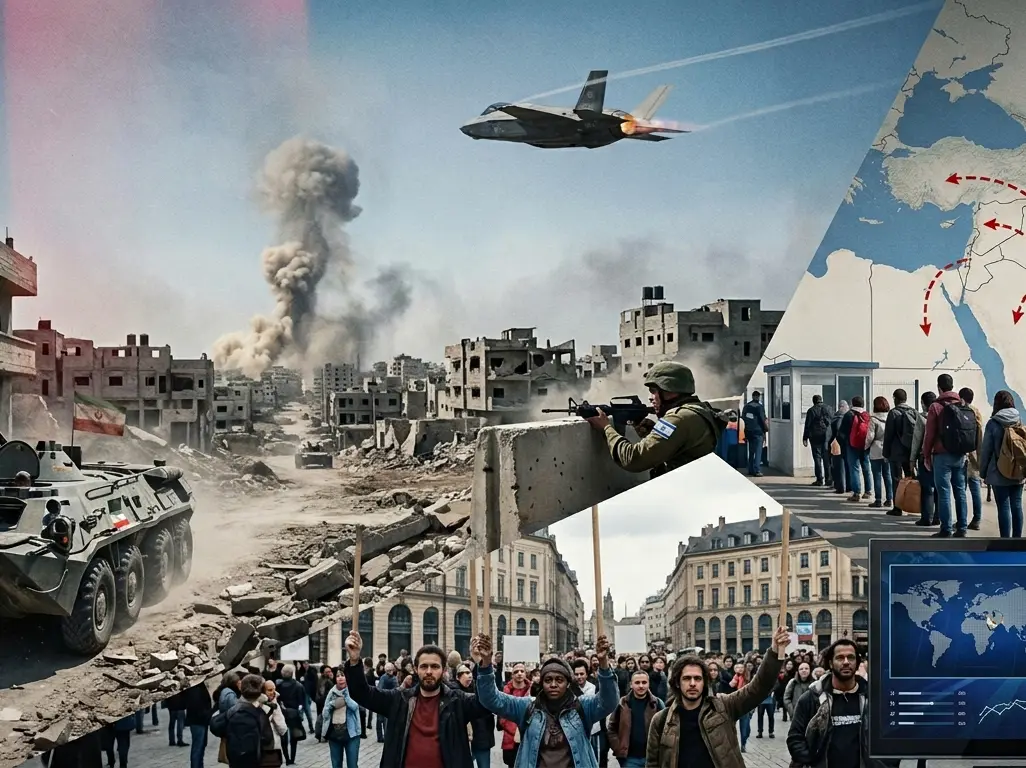
AI generated image for representation Photograph: (AI)
The Iran war marks 30 days, evolving from direct strikes into a multi-front regional crisis. With Houthi and Hezbollah involvement, the conflict now threatens global energy markets and maritime security.
Thirty days into the Iran war, what began as a high-intensity military confrontation has transformed into a complex, multi-front conflict drawing in regional powers and proxy groups. The past month has seen a rapid escalation, expanding theatres of conflict, and growing concerns over global economic fallout, particularly in energy markets and shipping routes.
War begins with coordinated strikes
The conflict erupted on February 28 with large-scale strikes by the United States and Israel targeting key Iranian military and strategic installations. Air defence systems, missile sites, and command centres were among the first targets. Within hours, Iran responded with missile and drone attacks, signalling the start of a sustained military confrontation.
Retaliation spreads across the region
In the first few days, Iran expanded its retaliation by targeting US-linked assets and allied positions across the Middle East. Missile and drone strikes were reported near military bases in the Gulf region. Israel, anticipating further escalation, activated emergency protocols, while cyber warfare also emerged as a parallel battleground.
Trending Stories
&im=FitAndFill=(700,400)&imwidth=280&imheight=210&format=webp&quality=medium)
&imwidth=280&imheight=210&format=webp&quality=medium)
&imwidth=280&imheight=210&format=webp&quality=medium)
&imwidth=280&imheight=210&format=webp&quality=medium)
&imwidth=280&imheight=210&format=webp&quality=medium)
&imwidth=280&imheight=210&format=webp&quality=medium)
&imwidth=280&imheight=210&format=webp&quality=medium)
&imwidth=280&imheight=210&format=webp&quality=medium)
&imwidth=280&imheight=210&format=webp&quality=medium)
&imwidth=280&imheight=210&format=webp&quality=medium)
&imwidth=280&imheight=210&format=webp&quality=medium)
&imwidth=280&imheight=210&format=webp&quality=medium)
&imwidth=280&imheight=210&format=webp&quality=medium)
&imwidth=280&imheight=210&format=webp&quality=medium)
&imwidth=280&imheight=210&format=webp&quality=medium)
&imwidth=280&imheight=210&format=webp&quality=medium)
&imwidth=280&imheight=210&format=webp&quality=medium)
&imwidth=280&imheight=210&format=webp&quality=medium)
&im=FitAndFill=(700,400)&imwidth=280&imheight=210&format=webp&quality=medium)
&imwidth=280&imheight=210&format=webp&quality=medium)
&imwidth=280&imheight=210&format=webp&quality=medium)
&imwidth=280&imheight=210&format=webp&quality=medium)
&imwidth=280&imheight=210&format=webp&quality=medium)
&imwidth=280&imheight=210&format=webp&quality=medium)
&imwidth=280&imheight=210&format=webp&quality=medium)
&imwidth=280&imheight=210&format=webp&quality=medium)
&im=FitAndFill=(700,400)&imwidth=280&imheight=210&format=webp&quality=medium)
&imwidth=280&imheight=210&format=webp&quality=medium)
&imwidth=280&imheight=210&format=webp&quality=medium)
&imwidth=280&imheight=210&format=webp&quality=medium)
&imwidth=280&imheight=210&format=webp&quality=medium)
Rapid escalation and global disruption
By the end of the first week, the conflict had intensified significantly. Missile exchanges between Iran and Israel became more frequent, and concerns over maritime security began to rise. The strategic Strait of Hormuz, a vital oil transit route, came under heightened threat, disrupting global shipping and pushing energy markets into volatility.
Conflict widens geographically
The second week marked a turning point as the war spread beyond direct state actors. Iran-backed groups in countries such as Iraq, Syria, and Lebanon increased their involvement. Hezbollah’s renewed hostilities against Israel opened an additional front, raising fears of a broader regional war.
Sustained strikes and mounting damage
During the third week, both sides intensified efforts to weaken each other’s military capabilities. The US and Israel focused on degrading Iran’s missile infrastructure, while Iran continued retaliatory strikes, though with varying intensity. Civilian infrastructure and key installations across the region suffered repeated damage.
More actors, wider risks
As the war entered its fourth week, the conflict drew in more regional players. Iran-backed militias escalated attacks on US and Israeli interests, while maritime routes faced growing threats. The possibility of disruption extending beyond the Gulf region became a major concern for global trade.
A multi-front war takes shape
On Day 30, the conflict has clearly evolved into a wider regional crisis. Iran continues to launch strikes on strategic and industrial targets, while Yemen’s Iran-backed Houthis have formally entered the war, targeting Israel. The United States is reportedly weighing further military options, even as diplomatic efforts struggle to gain traction.

